
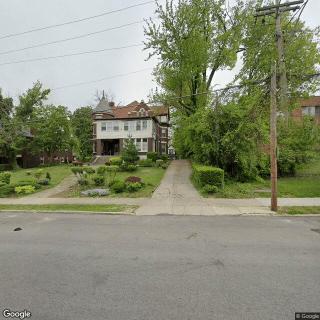
3536 Washington Avenue, Cincinnati, OH 45229
For more information about senior living options: (866) 208-4318
Overall Review of Garden Park Health Care Center
Pros
 The staff are absolutely amazing and go above and beyond for residents.
- The aides interact with residents and make them smile.
- The care provided at Garden Park is outstanding and genuinely caring.
- Tiffany, the Director of Nursing, is involved in all aspects of the facility and is highly regarded.
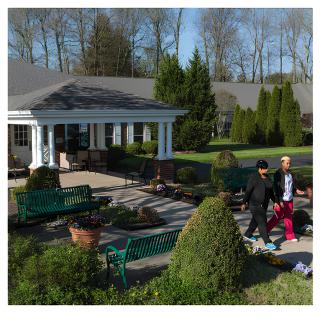
- Renovations, new carpeting, and brighter common areas have modernized the facility and improved the resident experience.
- The employees are awesome and provide attentive, compassionate service.
Cons
 The facility is a total dump and needs to be shut down.
- There were no nurses at any station and no nursing aides, indicating a lack of 24/7 care.
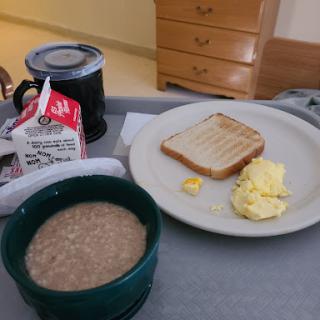
- The food is horrible and always cold.
- The place is outdated and should be demolished.
- The facility is dirty, nasty, and foul, with roaches everywhere.
- The staff are unprofessional and rude, and cleaning is not done.
- Residents have not seen doctors or therapists for extended periods, indicating a lack of medical attention.
- There were plumbing problems, such as a hole in the sink, and a TV resting on the sink because no one would rehang it.
- Drugs were used in the facility and a resident was caught with drugs, pointing to unsafe conditions.
- The facility is unsafe and under investigation, with many complaints about nursing staff and care; families are advised not to send loved ones there.
Review
Garden Park Health Care Center in Cincinnati is best suited for families that want genuinely caring, hands-on staff and are prepared to advocate actively for their loved ones. This community can work for residents who respond well to attentive frontline caregivers and to a facility where management actively tightens up operations when issues arise. The standout in a sea of mixed reviews is leadership that shows up in practice, specifically a proactive Director of Nursing and a culture of rapid response to problems. Renovations are underway, with brighter rooms and refreshed common spaces, which signals a willingness to invest in the environment even as the care philosophy remains the focus. For families that value warmth, meaningful daily interaction, and a pathway to ongoing improvements, Garden Park can be a workable choice.
Yet the scale of concerns in the reviews is hard to ignore. The most serious red flags center on cleanliness and safety: roaches in a facility that looks dated, rooms described as dirty, and infrastructure that feels neglected. Staffing appears inconsistent, with multiple accounts of nurses or aides not being present at stations and gaps in around-the-clock coverage. Medical oversight is repeatedly questioned, residents not seeing physicians or therapists on a timely basis, and basic needs like functioning sinks, showers, or even proper waste management sometimes not met. Such operating gaps raise legitimate safety and dignity concerns for families weighing whether this is the right place for a vulnerable loved one.
There are bright spots that emerge amid the turmoil. Several reviewers praise the quality of direct care when staff are present, noting aides who engage residents, help them smile, and support daily activities that keep residents mentally and socially engaged. The few who interact with the leadership describe a responsive, involved management team that can mobilize resources quickly, evidenced by the rapid pest-control actions and room-by-room attention during issues. Renovations and improved common areas offer a more inviting atmosphere, and some families report a level of commitment from staff that makes the difference between a place to endure and a place to call home for a period of rehabilitation.
Those positives, however, do not fully offset the most troubling drawbacks. The reality is a facility where reliability of care and consistency of environment vary by shift and day, and the risk profile for residents with complex medical needs remains elevated. For families facing chronic hospital-level demands (medical monitoring, timely therapy, consistent nursing availability), Garden Park’s core weaknesses, staffing gaps, inconsistent clinical oversight, and environmental maintenance, can undermine recovery goals and daily comfort. The improvements are real, but they do not yet create a uniformly dependable experience across all hours and all services.
For families considering Garden Park, a disciplined due diligence routine is essential. Schedule a live, daytime and evening tour to observe staffing at multiple points in the day, and specifically ask to meet front-line caregivers as well as the DON and administrator. Review the most recent state inspection findings, and request current infection control and housekeeping schedules to verify ongoing renovations aren’t masking ongoing issues. Engage current residents and their families about day-to-day routines: therapy availability, meals quality, activity programming, and responsiveness when needs arise. Prepare a concrete plan to monitor progress over the first 30 to 90 days, including a clear escalation path.
In the end, Garden Park Health Care Center offers a paradox: undeniable warmth and competent care in pockets, combined with serious cleanliness, maintenance, and consistency challenges that cannot be dismissed. It can be a viable choice for families willing to partner closely with management, demand accountability, and tolerate a building with flaws that are actively being addressed. For those who require unwavering, high-level medical oversight, pristine surroundings, and consistently reliable staffing, alternatives will likely deliver greater peace of mind. The decision hinges on the family’s capacity to advocate, the resident’s tolerance for variability, and the commitment to track progress as renovations and procedural changes unfold.
 60 resident community capacity
 Skilled Nursing Facility
 Air-conditioning
 Beauty salon
 Cable or satellite TV
 Computer center
 Dining room
 Fitness room
 Fully furnished
 Gaming room
 Garden
 Housekeeping services
 Kitchenette
 Move-in coordination
 Outdoor space
 Private bathrooms
 Restaurant-style dining
 Small library
 Telephone
 Wellness center
 Wi-Fi/high-speed internet available
 Cincinnati Northern Kentucky International (11 miles away)
 Community operated transportation
 12-16 hour nursing
 24-hour call system
 Activities of daily living assistance
 Assistance with bathing
 Assistance with dressing
 Assistance with transfers
 Diabetes diet
 Medication management
 Mental wellness program
 Special dietary restrictions
 Concierge services
 Planned day trips
 Weight Training for Seniors: Building Strength and Vitality
 Understanding the Sandwich Generation: Stress and Responsibilities for Multigenerational Caregivers
 8 Essential Assistive Devices for Older Adults