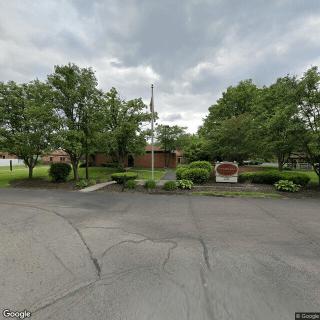
3544 Washington Avenue, Cincinnati, OH 45229
For more information about senior living options: (866) 208-4318
Overall Review of Garden Park Health Care Center
Pros
 The DON Tiffany is a superb supervisor who is involved in all aspects of the facility.
- She has brought impressive changes and improvements to the facility.
- Renovations to rooms, new carpeting, and brighter common areas are underway.
- Everyone there was absolutely amazing.
- The employees are awesome.
- The care at the facility is amazing.
- The aides interact with residents and make them smile.
- Activities keep residents happy and entertained.
Cons
 The facility is described as a total dump that should be shut down.
- There were no nurses or aides on duty at any station, contradicting 24/7 care.
- Rooms are filthy and poorly equipped (no trash can, no running water in the sink, dirty clothes from transfer, no shower).
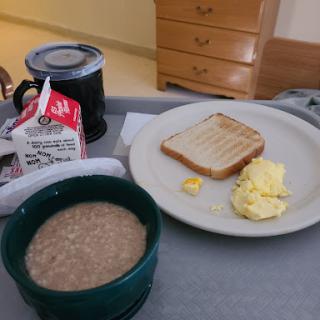
- The food is horrible, gross, and always cold.
- The place is outdated and in disrepair, with residents not seeing doctors or therapists for extended periods.
- Staff are unprofessional and rude, and roaches are everywhere.
- There are drug-related issues within the facility, with at least one person caught with drugs.
- The owner is accused of prioritizing profits over residents’ well-being and of neglecting care.
- The facility is described as one of the nastiest nursing homes, not suitable for loved ones.
- In one case, EMTs had to be called because no one could or would assist with a resident’s catheter.
Review
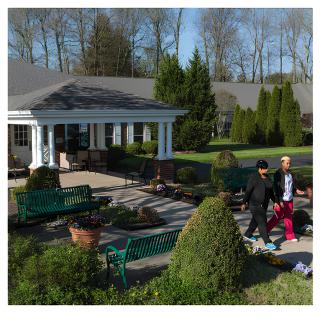
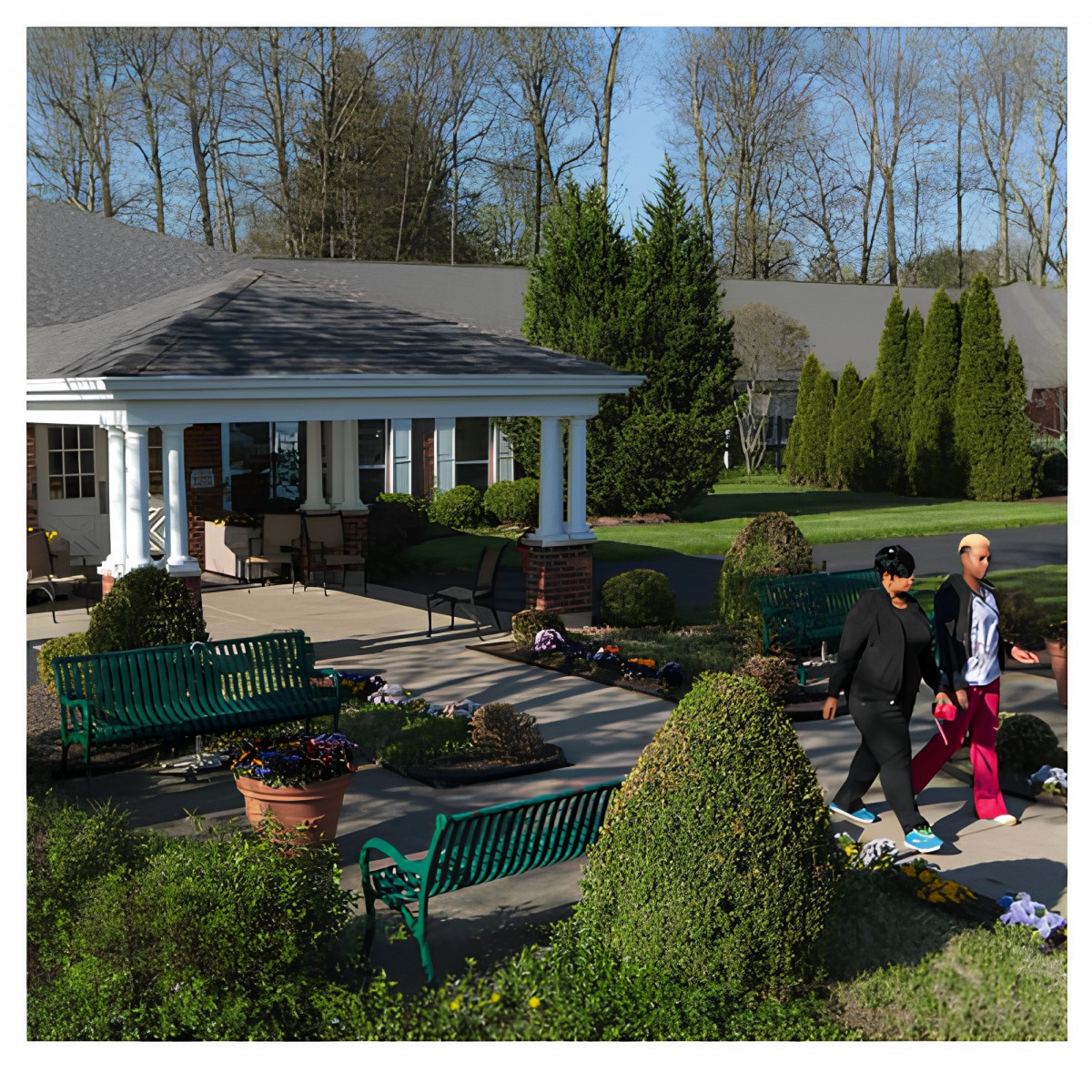
Garden Park Health Care Center in Cincinnati is best suited for families that prize daily personal attention from care staff and are prepared to actively supervise a facility with visible cleanliness and maintenance challenges but ongoing leadership efforts to improve. The community’s strongest signal is the commitment of certain staff leaders, notably the director of nursing, who have driven visible renovations and a more responsive approach to resident needs. For families willing to advocate on their loved one’s behalf, interact with management, and monitor day-to-day conditions, Garden Park can feel like a place that improves with time and attention.
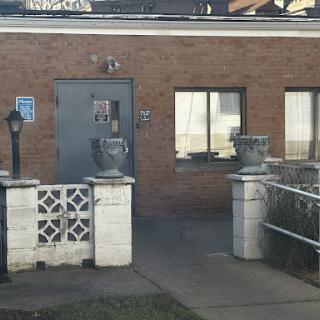
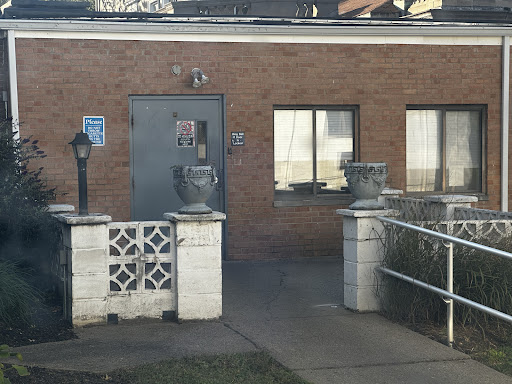
That said, several reviewers would steer families toward alternatives if the priority is consistent medical oversight and pristine environmental conditions. The facility has times when medical coverage and therapy access appear sporadic, with allegations that doctors, physical therapy, and speech therapy are slow to visit or missing altogether. The building and its upkeep are repeatedly described as outdated and, at times, unsanitary. For residents who require steady, hands-on management of chronic conditions, regular physician presence, and reliable housekeeping, this is a setting where safer and more transparent options deserve serious consideration.
On the positive side, the most persuasive evidence of value centers on staff warmth, engagement, and daily interactions. Multiple accounts praise aides who engage residents, help them smile, and create meaningful social moments. Activities are cited as a core strength, contributing to resident morale and daily purpose. The leadership-driven changes, room renovations, new carpeting, brighter common areas, and a structured approach to problem-solving, signal a facility that responds when concerns are voiced. When these factors align, residents and families report a notably more livable environment, with a sense of staff commitment that can make a real difference in day-to-day life.
Yet the downsides carry weight in any decision. Recurring complaints describe pervasive cleanliness issues: roaches, dirt, and general disarray, with some rooms lacking basic amenities like trash cans or functioning sinks. Several reviews recount serious gaps in medical care, including delayed or absent physician visits, missed therapies, and unsafe conditions such as catheter problems and broken fixtures. The atmosphere of neglect in certain areas is reinforced by persistent reports of administrative disorganization and holds on improvements, alongside allegations of intervention by authorities. Such conditions raise legitimate concerns about resident safety, infection risk, and overall quality of life.
The key question is whether the strengths can realistically offset the weaknesses. For families that can tolerate a “work in progress” environment and actively participate in oversight, the improved leadership and evident staff dedication offer a meaningful upside. The contrast between compassionate, engaged aides and the more troubling reports of neglect means experiences will be highly variable from resident to resident and shift to shift. In other words, the positives can be compelling, but they do not guarantee consistent safety, cleanliness, or medical reliability across all units and days.
Ultimately, Garden Park should be evaluated with a practical, risk-aware plan. Prospective residents and families should visit in person, request a current tour focusing on cleanliness, function of rooms and baths, and the condition of therapy services, and speak directly with front-line staff about scheduling and supervision. Check the latest state inspection and any open complaint logs, verify the status of ongoing renovations, and insist on transparent metrics for infection control, incident reporting, and physician visits. If those assurances are strong and staff accountability remains high, Garden Park can be a workable choice for those who value warmth and ongoing improvement. If medical oversight, pristine conditions, and predictable daily routines are non-negotiables, pursuing alternatives would be prudent.
 60 resident community capacity
 Assisted Living
 Air-conditioning
 Beauty salon
 Cable or satellite TV
 Computer center
 Dining room
 Fitness room
 Fully furnished
 Gaming room
 Garden
 Housekeeping services
 Kitchenette
 Move-in coordination
 Outdoor space
 Private bathrooms
 Restaurant-style dining
 Small library
 Telephone
 Wellness center
 Wi-Fi/high-speed internet available
 Cincinnati Northern Kentucky International (11 miles away)
 Community operated transportation
 12-16 hour nursing
 24-hour call system
 Activities of daily living assistance
 Assistance with bathing
 Assistance with dressing
 Assistance with transfers
 Diabetes diet
 Medication management
 Mental wellness program
 Special dietary restrictions
 Transportation arrangement (medical)
 Concierge services
 Planned day trips


 Is Assisted Living Deductible on Your Taxes? Understanding the Complexities of Assisted Living Expenses and Deductions
 Assisted Living Support for Veterans: A Complete and Detailed Overview
 Exploring the Contrasts Between Assisted Living and Skilled Nursing