
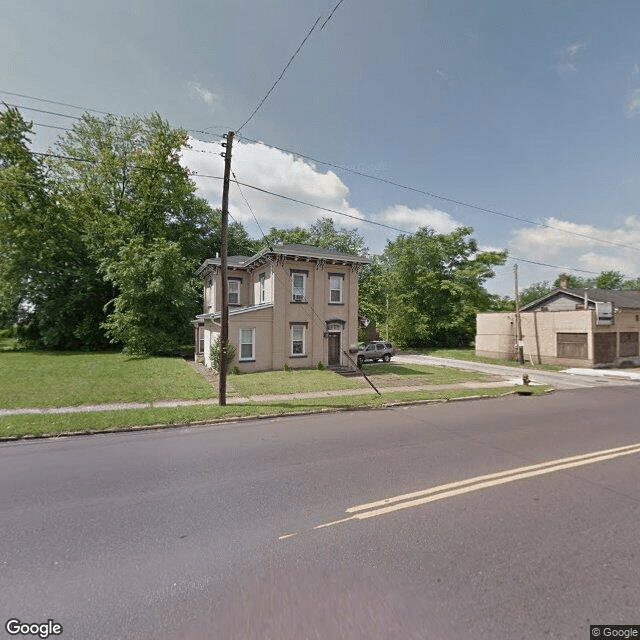
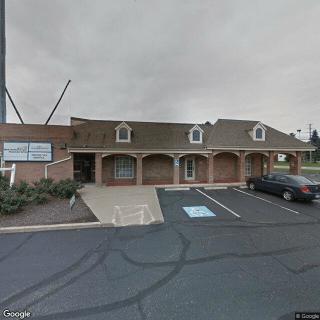
1702 East Tuscarawas, Canton, OH 44707
To contact a resident: (330) 265-1727
For more information about senior living options: (866) 208-4318
Overall Review of Gillems Veterans Home I
Pros
 The VA is a great resource for veterans.
Cons
 It's really sad how there is never any funding to help disabled veterans.
- The honor home isn't a quiet place, where veterans can have their own private locking room.
- If you suffer from a disability then this place is likely to make it worse with shared bedrooms and no seperate housing buildings for people with children.
- Just noise pretty much all the time and anxiety, contradictive for healing from PTSD and other noise related anxiety issues.
- Veteran homes should be like a hotel with privacy and respect to the veterans' health issues.
Review
Gillems Veterans Home I in Canton, Ohio is best suited for veterans who require a practical, low-friction living option that leans on VA resources and peer veteran support, especially when housing stability is a primary concern. The facility appears positioned to serve individuals who may lack stable housing and who are willing to trade privacy for a shared living environment and access to a structured program. For families seeking a quiet, trauma-informed setting with private accommodations, however, this community is unlikely to meet those priorities. The best-fit profile is someone who can tolerate shared spaces and values the continuity of veteran-centered programming over private space and individualized calm.
On the positive side, the presence of a built-in connection to veteran-oriented services and resources is a meaningful advantage. The notion that the VA remains a reliable conduit for benefits, care coordination, and external support matters for families navigating complex needs. In practice, this can translate into easier access to benefits, referrals, and a sense of belonging within a veteran community. That core value, being part of a veteran network with accessible resources, provides a tangible upside for residents who prioritize practical support systems over the comforts of a private residence. Yet, these advantages tend to be overshadowed by the daily living realities described by reviewers.
The principal drawbacks underscoring a decision against this community center on living arrangements and the resulting emotional climate. Reviewers flag persistent funding gaps, which can degrade the quality of care and the reliability of services. The living layout relies on shared bedrooms and lacks separate housing structures that would accommodate different needs, including privacy for those with children or families who hope to maintain a sense of personal space. Noise levels are described as high, contributing to anxiety and complicating recovery for veterans dealing with PTSD or noise-triggered stress. In short, the design and environment routinely run counter to the healing psychology of many disabled veterans, making private, quiet, and trauma-informed settings a far more sensible expectation elsewhere.
Given these core shortcomings, alternatives deserve serious consideration. Families should evaluate private, private-room oriented assisted living options with a trauma-informed approach, where quiet common areas and soundproofing support rest and mental health. Private-care programs or in-home care arranged through VA channels can sometimes offer a gentler balance of privacy and ongoing support. For those who must remain within a veteran-focused framework, exploring other facilities with documented private accommodations, dedicated sleep-friendly spaces, and clearly defined safety protocols for residents with PTSD is prudent. In essence, a move toward environments designed for privacy and low-stimulation living becomes a compelling criterion.
The decision hinges on aligning needs with the facility’s realities. If cost containment and access to VA resources are the top priorities, and privacy is a secondary concern, Gillems Veterans Home I can be a defensible option, provided expectations are calibrated to the realities of shared rooms and noise. If, however, the primary goals are quiet, private rooms, and an environment explicitly designed to support PTSD recovery, the evidence suggests alternatives will serve better. The prudent path involves direct conversations with staff about room configurations, noise management, and scheduling of therapeutic spaces, complemented by a candid comparison of other Canton-area options and, where possible, visits to multiple communities to observe day-to-day life.
In the end, this community functions as a practical landing spot for veterans who need housing stability and VA-linked support more than a serene, trauma-optimized living space. The strongest consideration for families is to weigh the value of access to veteran resources against the cost of compromised privacy and elevated noise. If privacy, quiet, and trauma-informed design are essential, pursue alternatives that foreground independent living arrangements and calmer environments. If budget constraints and a strong VA-affiliated support system are decisive, this option remains worth a careful, numbers-driven review, but proceed with clear expectations and a plan to verify room configurations, noise controls, and service reliability before committing.
 Board and Care Home
 Akron-Canton Regional (10 miles away)

 A Closer Look at Private Pay Home Care
 Comprehensive Approaches for Arthritis: A Detailed Guide to Symptoms, Causes, and Care
 Comprehensive Insights and Practical Strategies to Help Older Adults Avoid Falls