
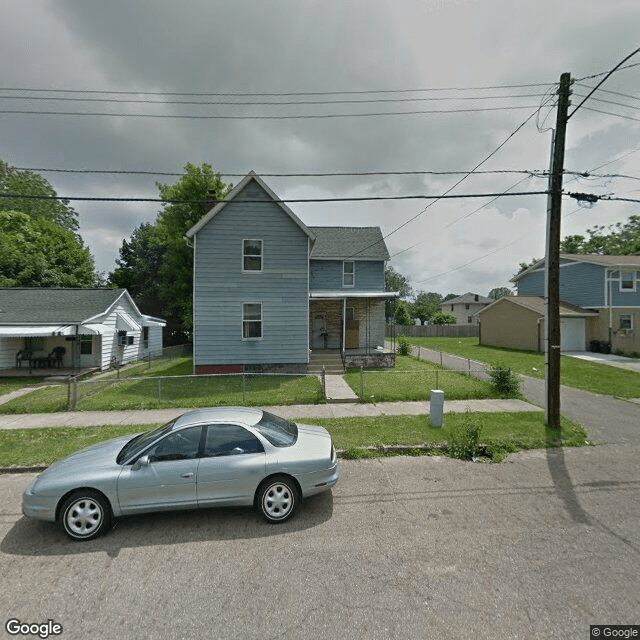
926 Rowland Avenue, NE, Canton, OH 44705
To contact a resident: (330) 265-1727
For more information about senior living options: (866) 208-4318
Overall Review of Gillems Veterans Home II
Pros
 The VA is a great resource for veterans.
Cons
 There is a lack of funding to help disabled veterans, which is described as sad.
- The honor home isn’t a quiet place and does not provide veterans with their own private locking rooms.
- For people with disabilities, the place is likely to worsen their condition due to shared bedrooms and no separate housing buildings for people with children.
- There is just noise all the time and anxiety, contradicting healing from PTSD and other noise-related anxiety issues.
- Veteran homes should be like a hotel, offering privacy and respect to the veterans’ health issues.
Review
Gillems Veterans Home II in Canton, Ohio is best suited for veterans who want stable, affordable housing connected to VA resources and who can operate effectively within a communal, veteran-focused setting. The facility offers a practical option for those who value routine, peer support, and proximity to benefits and healthcare services over private space and hotel-like privacy. It is less appropriate for residents who require quiet, private rooms, or who are managing significant trauma-related needs that demand a calm, controlled environment. In short, this community delivers on community, access, and affordability, while leaving privacy and quiet behind.
Alternatives are worth serious consideration for several groups. Veterans who must have private, locking rooms or a quiet milieu to support anxiety and sleep should look toward facilities that offer private or semi-private apartments and more tranquil design. Those with PTSD or sensory sensitivities may find the constant activity and shared common areas too destabilizing. Families seeking a more individualized living arrangement, or veterans with higher care needs who expect more comprehensive on-site programming and private space, will likely prefer private-assisted or private-nursing options. Finally, veterans with the means to choose higher-end settings should compare amenities, staffing patterns, and private accommodations offered elsewhere to avoid trade-offs that this community can’t fully absorb.
The strongest pro is access to VA resources embedded in daily life. Several residents and observers point to the value of remaining close to veteran benefits, medical services, and a visible veteran-centered support network. That asset can translate into more predictable coordination of care, easier benefits navigation, and a sense of belonging that helps counter isolation. Yet these advantages do not erase the most persistent flaws: a building and program design that emphasize shared spaces, frequent noise, and limited private housing options. The upshot is that the same VA-connected framework that can be a lifeline also magnifies the consequences when privacy and quiet are essential for well-being.
On balance, the pros do not fully offset the primary drawbacks. The facility’s appeal rests on community bonds and affordability, which can stabilize housing and access to services for veterans on tight budgets. However, the noise, lack of private locking rooms, and absence of dedicated housing for individuals who need more controlled environments create real barriers to comfort and mental-health stability. The reviews reveal a divided experience: several five-star endorsements highlight meaningful camaraderie and practical access to benefits, while the lower-star feedback underscores the sensory overwhelm, privacy gaps, and the sense that healing environments are compromised. That dichotomy matters for families weighing long-term placement.
Operational realities emerge from the mixed rating and the candid comments about funding constraints. The environment appears to reflect resource limits rather than a neglect of residents’ needs. For veterans who prioritize structure, routine, and a facility that keeps them tethered to VA supports, this can be a practical, even comforting option. For others, especially those who must retreat from noise or require private, controlled spaces to manage symptoms, the environment will feel intrusive and unsupportive. Prospective residents should calibrate expectations against personal tolerance for shared spaces and the importance placed on private rooms.
For families making a decision, concrete next steps matter. Request current floor plans that show room configurations, including which units offer private rooms or suites. Visit during a typical day to observe noise levels, traffic, and meal routines. Speak with residents or family members about privacy, safety, and whether there are opportunities to personalize space. In parallel, verify with VA coordinators what services are readily accessible and whether any options exist to upgrade to more private accommodations if plans and funding permit. The goal is a clear, firsthand sense of whether privacy and quiet can be balanced with the proven benefits of VA-linked support and community.
Bottom line: Gillems Veterans Home II serves a distinct niche. For veterans who prize VA-access, steady routines, and a sense of shared purpose, and who can tolerate shared quarters and a busier atmosphere, it can be a sound, affordable choice. For those whose well-being hinges on private rooms, quiet environments, or specialized trauma-informed settings, alternatives that prioritize privacy and calmer surroundings will deliver more peace of mind. The prudent path involves decisive assessment of room types, noise realities, and the availability of private options, followed by a direct check-in with VA resources to confirm what can be sustained long term.
 Board and Care Home
 Akron-Canton Regional (9 miles away)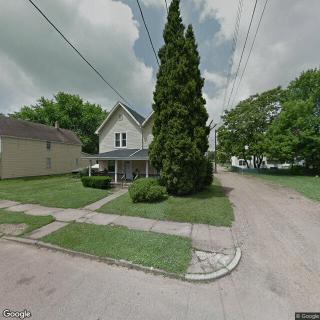



 Understanding Home Health Care: A Comprehensive Guide
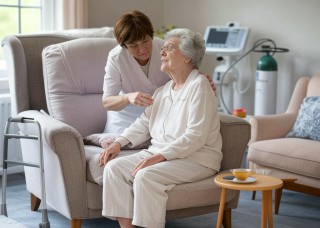 Home Health Care Demystified: A Comprehensive Guide for Families and Caregivers
 Seniors and Modern Transportation: Exploring Uber, Lyft, and Other Ride-Hailing Options