For more information about senior living options: (866) 208-4318
3.9 from 76 reviews
5 stars
52
4 stars
3
3 stars
0
2 stars
2
1 stars
19
O'neill Healthcare Bay Village Costs & Pricing
At O'Neill Healthcare Bay Village, residents can expect to pay $3,960 per month for a one-bedroom accommodation. This rate is notably higher than the average costs in Cuyahoga County, which stands at $3,410, and also surpasses the broader state average of $3,712 for similar living arrangements. While these costs reflect the commitment to high-quality care and a supportive community environment that O'Neill Healthcare is known for, they may be a consideration for those evaluating options in the region. It's essential for prospective residents and their families to weigh these costs against the value of personalized services and amenities offered at this facility.
Floor plans
O'neill Healthcare Bay Village
Cuyahoga County
Ohio
1 Bedroom
$3,960
$3,410
$3,712
Assisted Living communities with a similar price nearby
About the same
Independence Village Of Avon Lake
4.8 from 207 reviews
$3,994 to $5,080 / month
1.9 miles away
from -$367 / mo
Light of Hearts Villa
4.8 from 53 reviews
$3,593 to $4,343 / month
23.5 miles away
from -$510 / mo
Lorain Estates Senior Living - a Sinceri Community
4.6 from 82 reviews
$3,450 to $5,095 / month
14.0 miles away
from +$740 / mo
Windsor Heights Memory Care & Transitional Assisted Living
Activities and events get frequent, specific praise from residents and families.
Residents and families describe a busy activities calendar that goes beyond passively filling time, including bingo and scheduled programs. Reviews also highlight an activities director and staff who plan events and keep residents engaged. The community also provides multiple on-site religious and devotional options, along with day trips and outings residents can look forward to.
common3 reviews mention this
Rehab therapy gets strong marks
Therapy services are consistently viewed as effective and professional.
Several reviews single out physical, occupational, and speech therapy as a strength, describing therapists who are attentive and help residents make progress. Families also mention timely attention to concerns and communication during rehab. Not every review is positive about care overall, but the therapy experience shows up as a recurring highlight.
common12 reviews mention this
Staff warmth shows up repeatedly
Staff compassion and responsiveness are often described as a clear advantage.
Many residents and families report friendly, caring staff who treat people with dignity and compassion, including nurses and aides. Some reviews also describe staff going out of their way during difficult moments, as well as being quick to communicate about changes. At the same time, a portion of reviews raise serious concerns about staffing and delays, so it’s not a uniformly positive story.
caveat9 reviews mention this
Call delays and missed care
Multiple reviews describe long waits and missed day-to-day care needs.
A recurring complaint is that help is not timely after call buttons are pressed, with reviews describing waits of an hour or more and residents being left unattended. Several reviews also mention missed or delayed personal care and meals, including missed showers and hygiene tasks. There are additional reports tied to safety and clinical follow-through, like falls, wounds, and concerns about how certain medical issues were handled.
caveat5 reviews mention this
Cleanliness is mixed, not consistent
Cleanliness draws both praise and concerns across reviews.
Some residents and families describe clean rooms and a well-maintained facility, including reports of rooms and patient areas being kept tidy. Other reviewers say hallways, restrooms, and resident areas were not properly cleaned or maintained, and they describe cleanliness issues tied to hygiene products and incontinence care. One review even points to an incident that suggests unclean conditions as part of a larger negative impression.
How we summarize
Counts show how many written reviews mention each theme; a review can touch several themes, and only frequently mentioned themes are displayed.
Features
Housing
70 resident community capacity
Types of Care
Assisted Living
Hospice Agency
Independent Living
Memory Care
Skilled Nursing Facility
Amenities
Activities off-site
Activities on-site
Air-conditioning
Beautician on-site
Beauty salon
Cable or satellite TV
Computer center
Devotional services on-site
Dining room
Fitness room
Fully furnished
Gaming room
Garden
Ground floor units
Handicap accessible
Housekeeping services
Indoor common areas
Kitchenette
Move-in coordination
Outdoor common areas
Outdoor space
Private bathrooms
Respite or short term stays offered
Restaurant-style dining
Small library
Telephone
Wellness center
Wheelchair accessible showers
Wi-Fi/high-speed internet available
Transportation
Cleveland-Hopkins International (7 miles away)
Community operated transportation
Transportation arrangement
Transportation arrangement (non-medical)
Transportation to doctors appointments
Care Services
12-16 hour nursing
24-hour call system
24-hour supervision
Activities of daily living assistance
Ambulatory care
Assistance with bathing
Assistance with dressing
Assistance with transfers
Diabetes diet
Diabetic care
Incontinence care
Meal preparation and service
Medication management
Mental wellness program
Mild cognitive impairment
Special dietary restrictions
Specialized memory care programming
Dining
Diabetes diet
Gluten-free
Guest meals
Low / no sodium
Meals provided
No Sugar
Restaurant style dining
Room service
Special dietary restrictions
Vegetarian
Activities
Art classes
Catholic services
Community-sponsored activities
Concierge services
Cooking classes
Day trips and outings
Devotional activities on-site
Educational speakers / life long learning
Fitness programs
Happy hour
Live musical performances
Live well programs
Other religious services
Planned day trips
Protestant services
Resident-run activities
Scheduled daily activities
Visiting chaplain or priest
Nearby Places of Interest
Places of Worship
St Barnabas (0.4 miles)
Jehovah's Witnesses (3.3 miles)
St Joseph Church-Avon Lake (4.1 miles)
Cafes
Starbucks (1.2 miles)
Starbucks (1.6 miles)
Starbucks (2.1 miles)
Starbucks (4.7 miles)
Starbucks (5.8 miles)
Panera Bread (6.2 miles)
Starbucks (7.2 miles)
Pharmacies
Market District Supermarket (1.2 miles)
CVS Pharmacy (1.3 miles)
Cleveland Clinic - Richard E. Jacobs Health Center (1.4 miles)
Discount Drug Mart (2 miles)
Discount Drug Mart (2.3 miles)
Rite Aid (2.9 miles)
Walgreens (3.3 miles)
Restaurants
Bonefish Grill (1.2 miles)
Another Broken Egg Cafe (1.3 miles)
Yard House (1.3 miles)
Blue Sushi Sake Grill (1.3 miles)
Crocker Park (1.4 miles)
The Cheesecake Factory (1.4 miles)
Dover Gardens Tavern (2 miles)
Theaters
Regal Crocker Park & Imax (1.3 miles)
Physicians
Fairview Ob Gyn Associates Crocker (1.3 miles)
Bay Dental Offices (1.9 miles)
North; Shore Gastroenterology & Endoscopy Center (2.9 miles)
At O'Neill Healthcare Bay Village, residents can expect to pay $3,960 per month for a one-bedroom accommodation. This rate is notably higher than the average costs in Cuyahoga County, which stands at $3,410, and also surpasses the broader state average of $3,712 for similar living arrangements. While these costs reflect the commitment to high-quality care and a supportive community environment that O'Neill Healthcare is known for, they may be a consideration for those evaluating options in the region. It's essential for prospective residents and their families to weigh these costs against the value of personalized services and amenities offered at this facility.
The comprehensive features offered by O'neill Healthcare Bay Village are thoughtfully designed to support residents with varying stages of dementia and Alzheimer's disease, promoting their well-being and independence. The 24-hour supervision ensures a safe environment where caregivers can promptly address any needs or emergencies, while assistance with activities of daily living, including bathing, dressing, and transfers, helps residents maintain dignity and personal hygiene. Incontinence care is provided compassionately to ensure comfort and respect for privacy. Meal preparation and service cater to specific dietary requirements, ensuring that residents receive nutritious meals that foster both physical health and social interaction during mealtimes. Medication management guarantees that residents take their prescribed medications correctly and on schedule, which is crucial for managing health conditions effectively. The mental wellness program addresses cognitive challenges through engaging activities and therapies tailored to mild cognitive impairment as well as advanced memory loss. Additionally, specialized memory care programming offers structured activities designed to stimulate cognitive function, enhance memory retention, and promote social connections among residents, all contributing to a holistic approach to memory care in a nurturing environment.
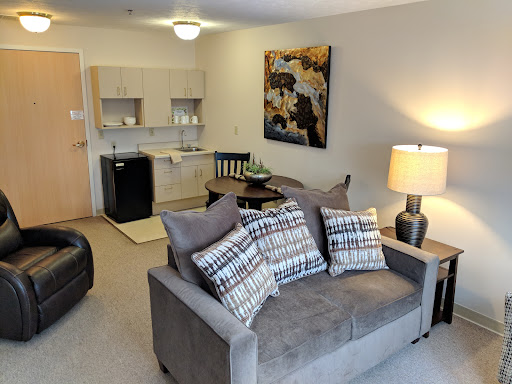
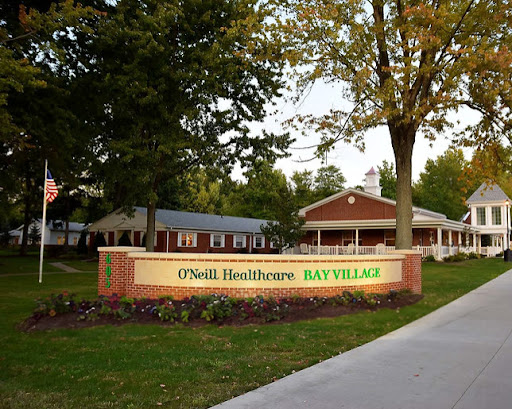
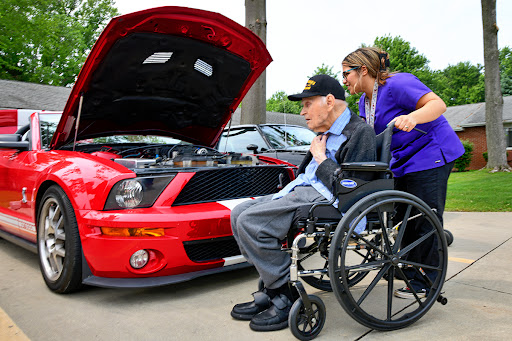
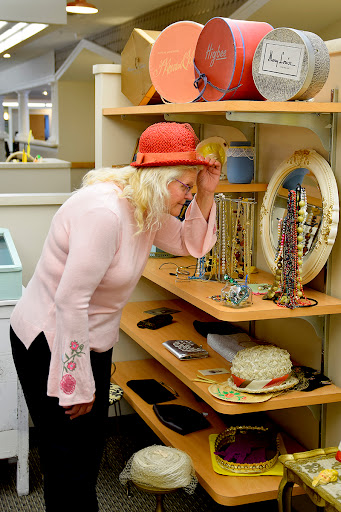
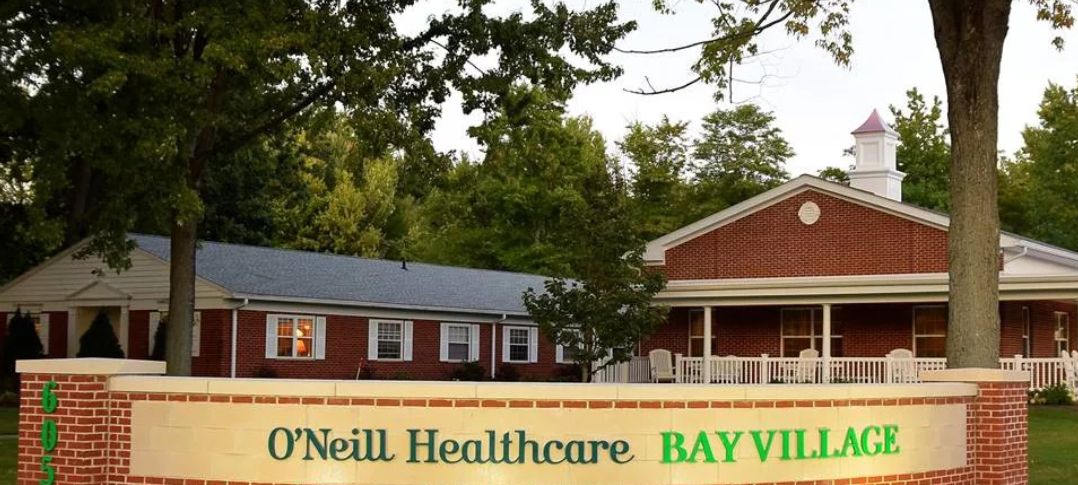
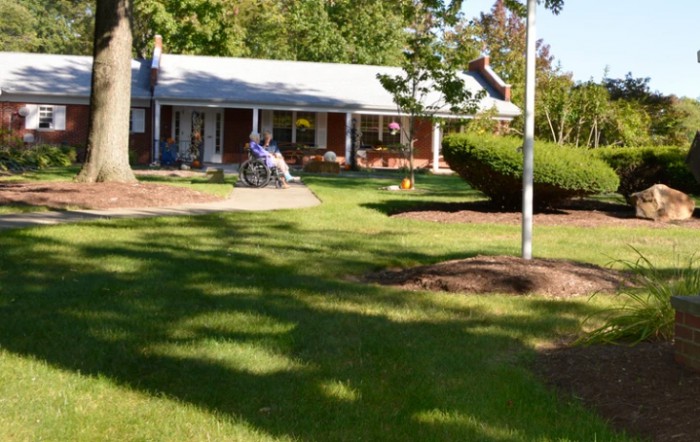
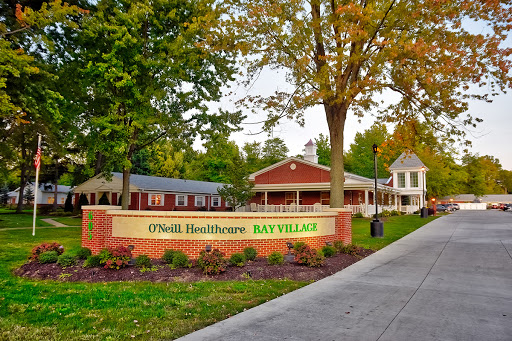
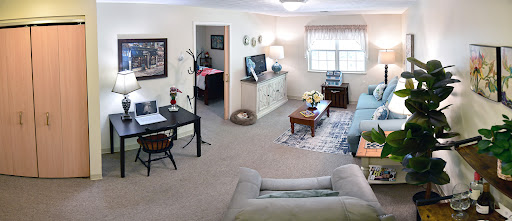
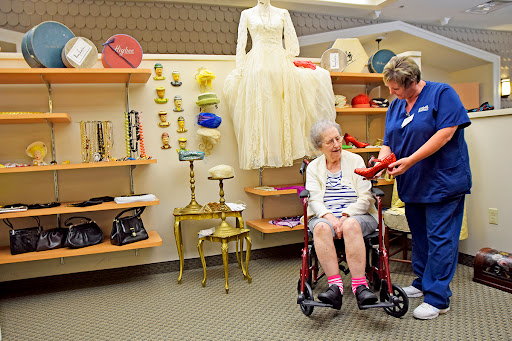
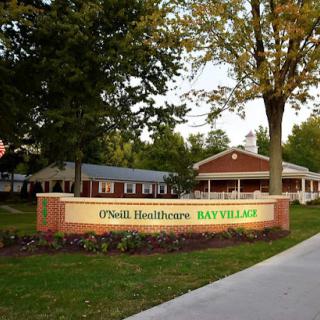
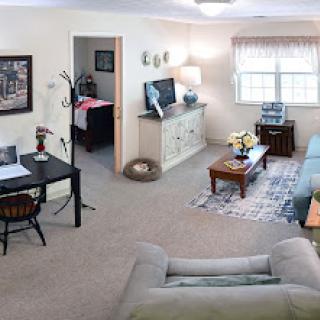
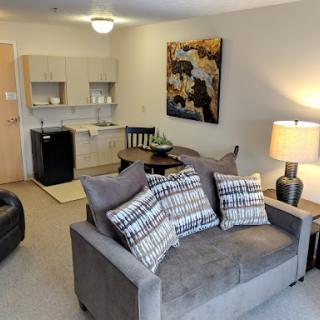
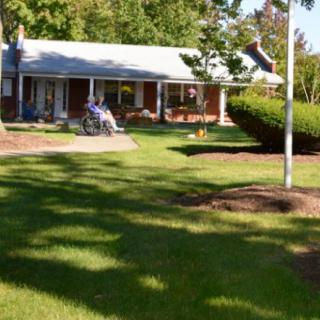
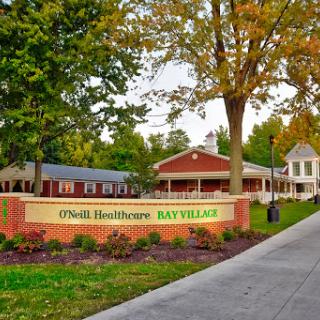
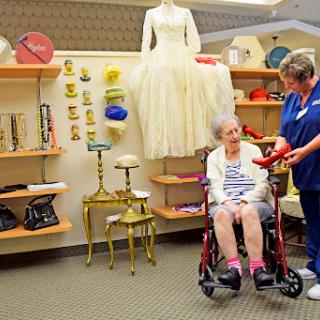
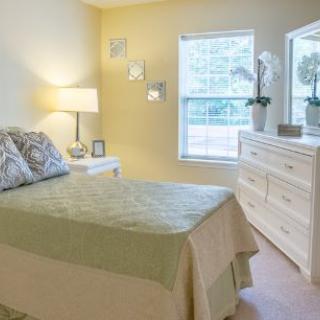
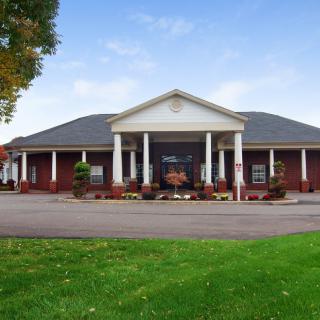
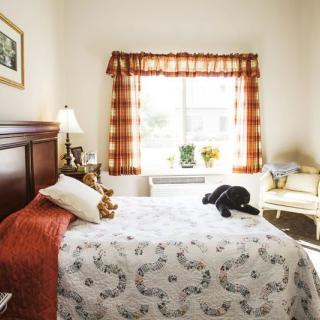
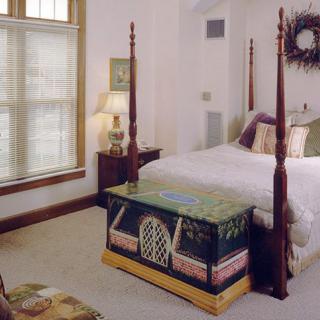
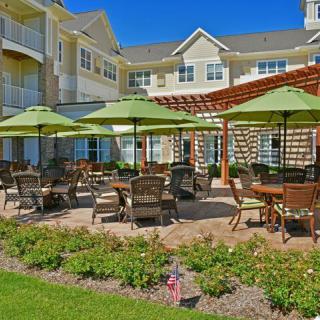
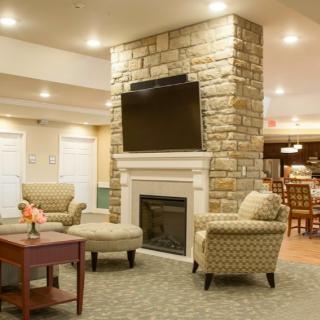
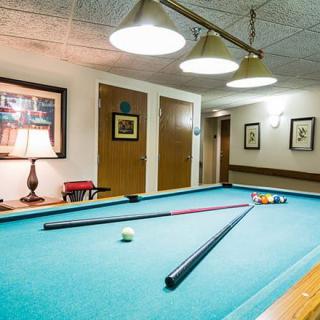
O'neill Healthcare Bay Village on seniors.fyi includes 12 photos including images showing building, facility, landscaping, outdoor, healthcare, trees, living room, decor, and more.
Nearby Communities
Maxim Healthcare Svc
Cleveland, OH
4.1 from 17 reviews
Vibrant location with extensive nearby amenities and healthcare access.
Rae Ann Suburban
Westlake, OH
3 from 77 reviews
Extensive on-site amenities and 24/7 care support.
Maxim Healthcare
Westlake, OH
4 from 4 reviews
Excellent access to healthcare and nearby amenities.
The Belvedere of Westlake
Westlake, OH
4.3 from 34 reviews
$4,800 to $5,300 / month
Homey, welcoming setting with spacious apartments, strong care coordination and engaging activities.
Rose Senior Living Avon
Avon, OH
4.8 from 140 reviews
$2,850 to $4,525 / month
Friendly, attentive staff; clean, welcoming environment with engaging activities and a strong sense of community.
Ganzhorn Suites of Avon
Avon, OH
4.7 from 13 reviews
Memory-care focused with 24/7 supervision and extensive on-site amenities.
Devon Oaks
Westlake, OH
4.1 from 54 reviews
Caring staff and engaging activities that foster a home-like environment.
Reminiscence therapy helps individuals with dementia recall past memories through structured discussions and meaningful objects, enhancing mood, relationships, and sense of identity while celebrating their lives. It can be practiced in formal settings or at home, requiring sensitivity to personal histories and cultural backgrounds.
Reminiscence therapy is a structured method for older adults, especially those with dementia, to share life stories using prompts and sensory cues, fostering emotional well-being, social engagement, and self-identity. It aims to improve quality of life by enhancing interpersonal connections and cognitive stimulation while requiring careful facilitation to avoid distressing memories.
Dementia, particularly Lewy body dementia, often involves hallucinations that can significantly distress both patients and caregivers due to disruptions in sensory processing and neurotransmitter imbalances. Effective management includes compassionate communication, environmental adjustments, and a multidisciplinary approach to care while addressing the emotional needs of caregivers.
Get PricingAsk A QuestionSchedule A TourContact Senior Advisor
By clicking submit, you agree to our Partner's Terms of Use. You
also consent to receive calls and texts, which may be autodialed, from our Partner. Your consent is not a condition to
using our Partner's service. Please visit our Partner's Privacy Policy for information about their privacy practices.





 70 resident community capacity
 Assisted Living
 Hospice Agency
 Independent Living
 Memory Care
 Skilled Nursing Facility
 Activities off-site
 Air-conditioning
 Beautician on-site
 Cable or satellite TV
 Computer center
 Devotional services on-site
 Dining room
 Fitness room
 Fully furnished
 Gaming room
 Garden
 Ground floor units
 Handicap accessible
 Housekeeping services
 Indoor common areas
 Kitchenette
 Move-in coordination
 Outdoor common areas
 Private bathrooms
 Respite or short term stays offered
 Restaurant-style dining
 Small library
 Telephone
 Wellness center
 Wheelchair accessible showers
 Wi-Fi/high-speed internet available
 Cleveland-Hopkins International (7 miles away)
 Community operated transportation
 12-16 hour nursing
 24-hour call system
 Ambulatory care
 Assistance with bathing
 Assistance with dressing
 Assistance with transfers
 Diabetes diet
 Diabetic care
 Incontinence care
 Medication management
 Mental wellness program
 Special dietary restrictions
 Art classes
 Catholic services
 Concierge services
 Cooking classes
 Day trips and outings
 Educational speakers / life long learning
 Happy hour
 Live musical performances
 Vibrant location with extensive nearby amenities and healthcare access.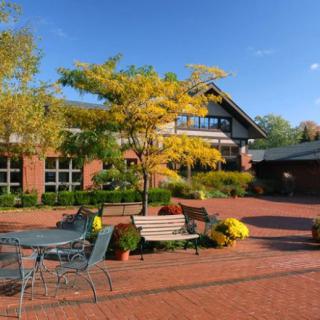
 Exploring the Power of Reminiscence Therapy for Individuals With Dementia
 An In-Depth Look at Reminiscence Therapy in Dementia Care
 Dementia-Related Hallucinations: Causes, Experiences, and Practical Approaches