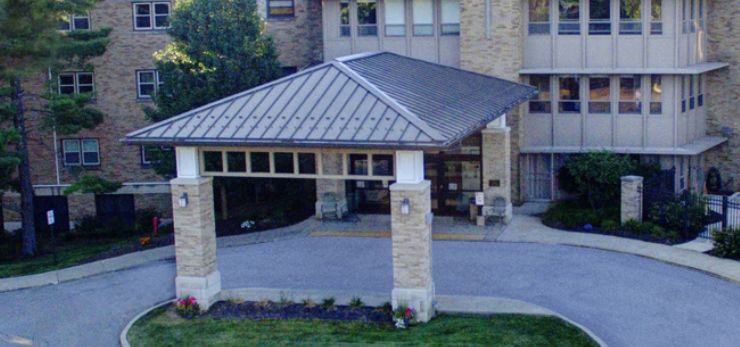
3125 Smith Road, Fairlawn, OH 44333
For more information about senior living options: (866) 208-4318
Overall Review of The Village At St Edward at Fairlawn
Pros
 The Independent Living at St Ed’s is perfect for independent seniors.
- There are many activities and transportation to appointments provided by St Ed’s.
- The staff are friendly, knowledgeable, and know residents by name.
- The staff go the extra mile to help families and ease the transition into St Ed’s.
- Moving a loved one to St Ed’s is described as one of the best things that can be done for them.
- The Village of St Edwards feels like a family, with caring staff and a welcoming atmosphere.
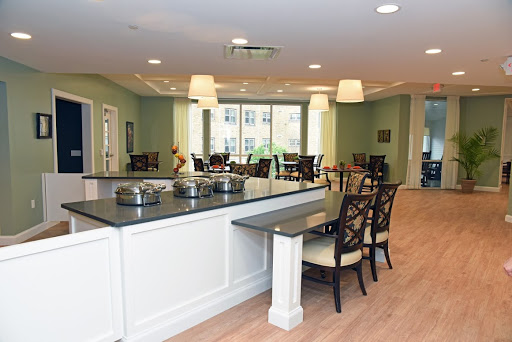
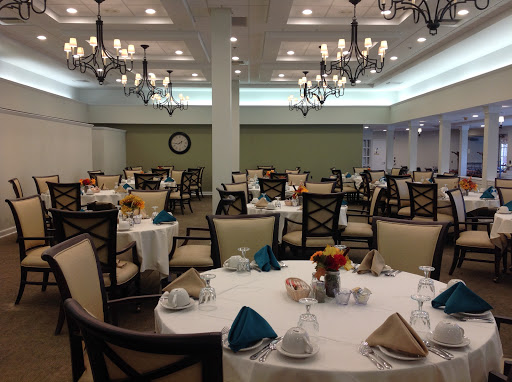
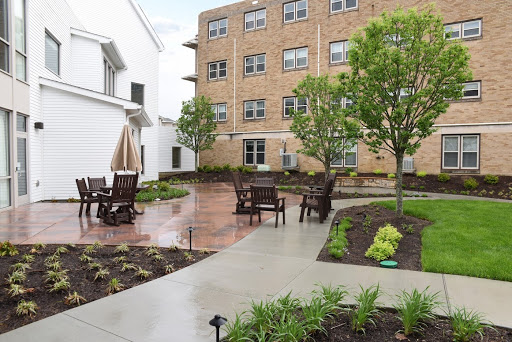
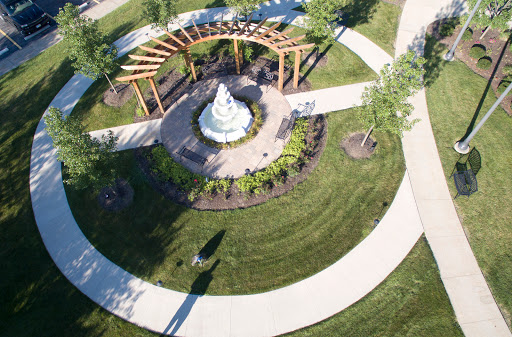
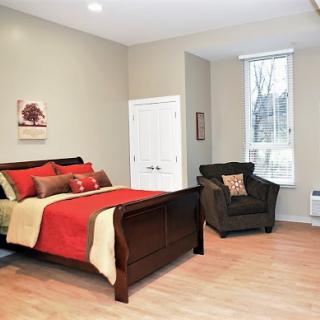
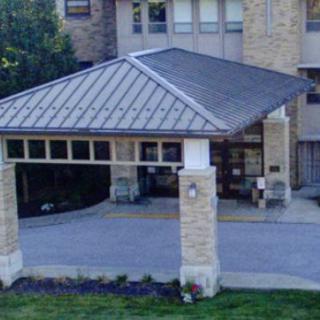
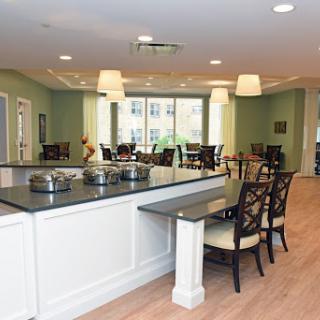
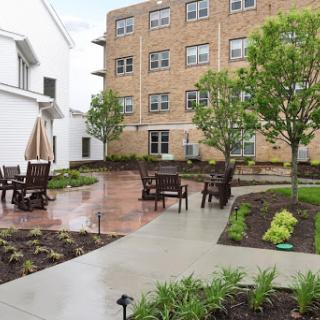
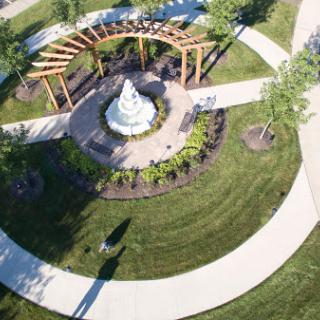
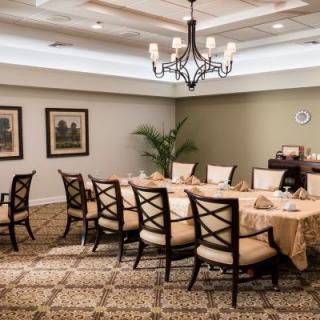
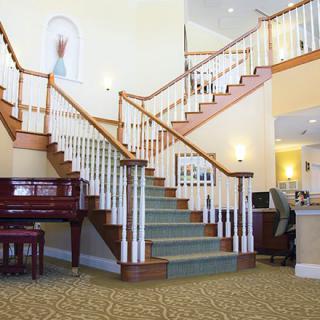
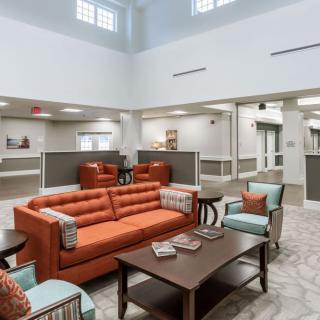
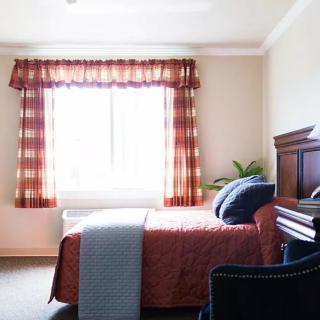
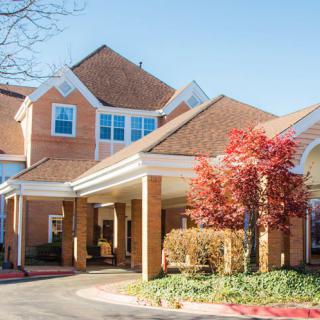
- The facility is beautiful, well maintained, serene, and full of love.
Cons
 The staff were horrific and beyond rude, and reviewers urged people to stay away.
- Caregivers left pills on a resident’s tongue and did not care after she passed away, and a family member’s iPad was kept for a month before being returned.
- The admissions process caused undue stress, with some families told their loved ones wouldn’t be accepted.
- The facility was described as outdated and depressing, with only some nurses showing compassion and chronic short staffing.
- There were serious medical errors, such as forgetting to continue a patient’s blood thinner and delays with lab work that produced inconclusive results.
- Personal items like dentures, hearing aids, and clothes were lost, and rooms were dirty with dead flies.
- The care and safety were criticized as the father fell numerous times and costs were high, leading families to privately hire more help.
- Reviewers advised researching other facilities first and warned not to rely on positive reviews.
Review
The Village at St. Edward at Fairlawn is best suited for seniors who want a close-knit, family-like community that emphasizes independence with light support, and for families who need proximity to monitor a loved one while still providing social engagement and structured activity. It works well for residents who value regular outings, routine access to transportation, and a lively activities calendar, plus a campus where staff know residents by name and family involvement is encouraged. Those who are pursuing a true assisted-living-to-nursing continuum with highly intensive medical supervision should not see this as an ideal fit.
That said, there are clear reasons to consider alternatives. For seniors with complex medical needs that require around-the-clock nursing, robust wound care, or highly specialized dementia programming, other communities with stronger medical support or more modern, purpose-built memory-care environments may be a safer choice. Families wary of reports about inconsistent staffing, occasional lapses in medication management, or limited responsiveness should scrutinize this campus carefully. Cost sensitivity is another factor; if price is a primary concern, compare the value delivered against comparable Akron-area options with cleaner safety records and consistently vetted processes.
The strongest positives here are the people and the schedule of engagement. Across several accounts, staff are described as friendly, respectful, and familiar with residents, creating a welcoming atmosphere from the moment the door opens. The admissions process and ongoing family communication are often singled out as thoughtful and professional, reinforcing a sense of partnership rather than ownership over a loved one’s day-to-day. The facility itself supports an active lifestyle: diverse activities, day trips, and easy access to appointments thanks to transportation services, which can dramatically ease the caregiving load for families and keep a senior socially engaged.
Yet, the landscape is not uniformly favorable. Multiple families recount experiences of rude or disengaged staff, inconsistent care on certain shifts, and isolated failures, medication mismanagement, delayed responses, or lost personal belongings, that understandably raise red flags for risk-aware families. The concern that such issues could recur in a stressed shift or with high patient volume means decision-makers should not assume uniform quality but must verify unit-by-unit performance, especially in rehab or nursing components. The building’s age and some subjective impressions of it feeling outdated also temper the fit for families seeking a newer, brighter environment with the latest design and safety features.
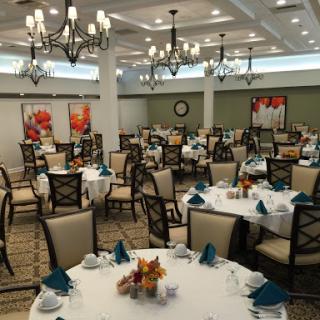
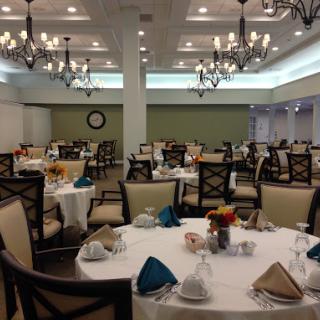
To make a well-supported choice, prospective movers should conduct focused due diligence. Ask to meet current residents and families across multiple shifts to gauge consistency, request the most recent state or inspector reports, and review how medications are administered and monitored on each floor. Inquire specifically about the memory-care program’s structure, staffing stability, daily routines, and incident history. During visits, observe response times at call bells, the attentiveness of aides during meals, and the quality of the dining experience and housekeeping. Verify that the admissions counselor provides clear expectations about timelines, rates, and what is included or excluded.
In the end, The Village at St. Edward at Fairlawn can be a compelling choice for families prioritizing proximity, a strong social ecosystem, and a community that feels like a extended family. It tends to shine for independent or lightly assisted residents who benefit from active programming and attentiveness from staff who know residents well. However, for families prioritizing unwavering consistency, modern facilities, and highly predictable medical oversight, alternatives warrant careful comparison. The right pick hinges on balancing the value of community life and family involvement against the reality of staffing consistency and the level of medical support required.
 122 resident community capacity
 Assisted Living
 Independent Living
 Memory Care
 Skilled Nursing Facility
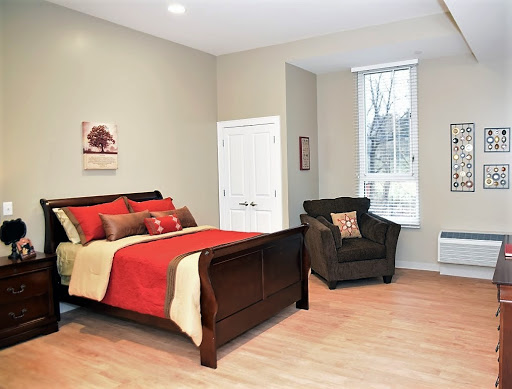
 Air-conditioning
 Beauty salon
 Cable or satellite TV
 Computer center
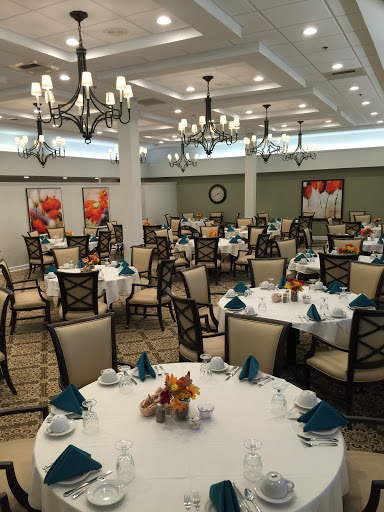
 Dining room
 Fitness room
 Fully furnished
 Gaming room
 Garden
 Housekeeping services
 Kitchenette
 Move-in coordination
 Outdoor space
 Private bathrooms
 Restaurant-style dining
 Small library
 Telephone
 Wellness center
 Wi-Fi/high-speed internet available
 Akron-Canton Regional (18 miles away)
 Community operated transportation
 12-16 hour nursing
 24-hour call system
 Activities of daily living assistance
 Assistance with bathing
 Assistance with dressing
 Assistance with transfers
 Diabetes diet
 Medication management
 Mental wellness program
 Special dietary restrictions
 Concierge services
 Planned day trips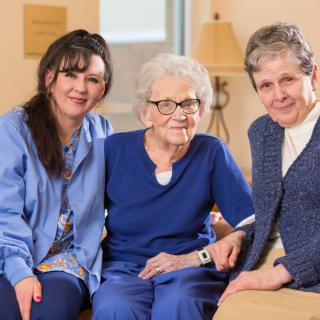


 Dementia Behaviors: In-Depth Understanding and Effective Coping Strategies
 5 Early Indicators of Dementia and What You Can Do
 8 Important Indicators That Memory Care May Be Necessary