For more information about senior living options: (866) 208-4318
3.9 from 58 reviews
5 stars
37
4 stars
6
3 stars
2
2 stars
1
1 stars
12
Overall Review of Village At St Edward Nursing Care
differentiator5 reviews mention this
Catholic services are a draw
Residents and families repeatedly mention Catholic worship is available onsite.
Several reviews say the community’s Catholic identity was a major factor, including mentions of mass and an onsite chapel. Families describe transportation and help getting residents to services, and they connect that faith experience with overall satisfaction. Even some residents who were primarily there for care-related reasons describe worship options as part of the “fit.”
caveat6 reviews mention this
Dining quality is a mixed point
Dining gets both praise and criticism in the reviews.
Some families say the meals were enjoyable, including liking food served and describing options for selecting dinner. Others complain about food being poor, including one review calling it “terrible” and another saying the community didn’t have enough staff for food service. Even where food is generally liked, there are also mentions of needing families to stay on top of meals when support is limited.
caveat4 reviews mention this
Therapy coverage can be inconsistent
Residents and families describe uneven therapy results and scheduling.
A few reviews describe therapy not starting promptly or not happening as expected, including physical therapy delays and concerns about rehabilitation progress. Others report more positive outcomes from rehab, including receiving physical, occupational, and speech therapy, and continuing physical therapy after moving within the community. Taken together, the reviews suggest therapy experience varies depending on timing and individual needs.
common6 reviews mention this
Care support is a recurring theme
Many reviews highlight compassionate, attentive care.
A number of families praise caregivers for being kind, quick to respond, and supportive during long-term stays and end-of-life care. Several reviews also describe staff helping with day-to-day needs, including communication with families and responsiveness to concerns. A smaller set of reviews, however, counters this by describing neglect-related problems, medication errors, or residents left waiting—so experiences aren’t uniform across reviewers.
caveat3 reviews mention this
Costs are a concern for some
Pricing shows up as a concern in multiple reviews.
Some reviews call out cost directly, including one describing it as very expensive and another noting families choosing less costly room options due to expense. At the same time, at least one reviewer says pricing seemed comparable to other places they looked at. The overall picture is that affordability depends on the unit choice and the family’s expectations.
How we summarize
Counts show how many written reviews mention each theme; a review can touch several themes, and only frequently mentioned themes are displayed.
The features offered at Village At St Edward Nursing Care are meticulously designed to support residents with dementia or Alzheimer's disease, fostering a nurturing environment that promotes both safety and engagement. Assistance with dressing, bathing, and transfers ensures that individuals receive the personal care necessary to maintain dignity while addressing physical challenges associated with cognitive decline. Medication management is essential not only for the adherence to treatment plans but also for alleviating concerns about potential confusion regarding prescriptions. Thoughtfully prepared meals cater to specific dietary needs, while activities of daily living assistance bolsters independence in a supportive manner. The 24-hour supervision guarantees prompt responses to emergencies or behavioral changes, creating a secure atmosphere. Additionally, the mental wellness program and specialized memory care programming engage residents cognitively and emotionally, thus enhancing their quality of life by stimulating memories and encouraging social interaction tailored to their unique needs.
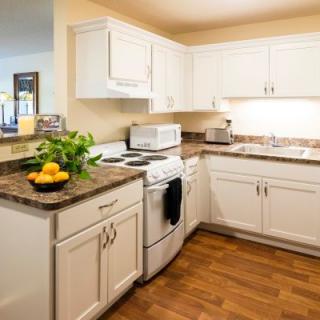
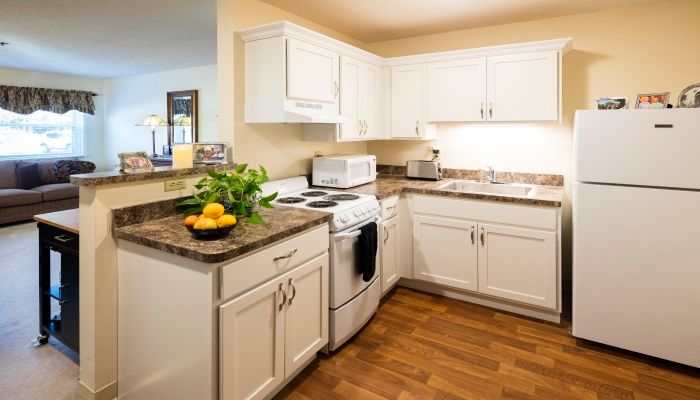
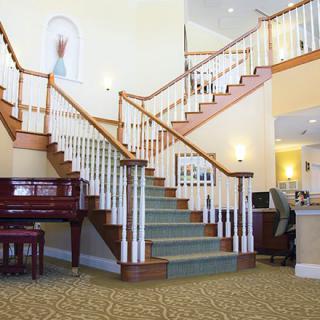
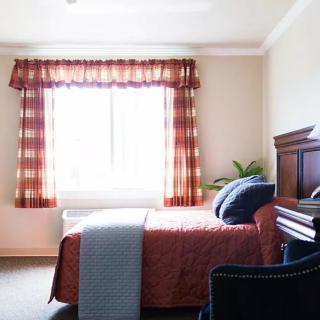
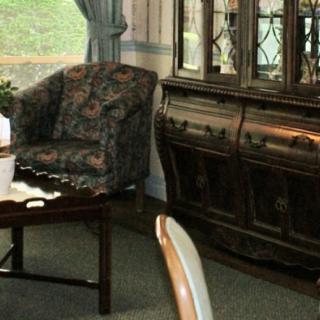
Village At St Edward Nursing Care on seniors.fyi includes 3 photos including images showing interior, decor, lounge area, seating, indoor lighting, spacious, kitchen, appliances, and more.
Nearby Communities
Village of St. Edward at Fairlawn
Fairlawn, OH
4 from 57 reviews
$2,186 to $3,900 / month
Compassionate staff with clear communication.
The Village At St Edward at Fairlawn
Fairlawn, OH
3.9 from 34 reviews
Comprehensive care options (independent living, memory care, skilled nursing) with round-the-clock supervision and memory-care programming.
Senior Select Home Health Care
Fairlawn, OH
Excellent proximity to healthcare, dining, parks, and places of worship.
Brookdale Bath
Akron, OH
3.9 from 68 reviews
$3,545 to $6,465 / month
Friendly, professional staff; clean environment with engaging activities and pleasant common areas.
Arden Courts of Bath
Akron, OH
4.7 from 95 reviews
$6,970 / month
Caring staff with personalized memory-care plans, engaging activities, and a home-like environment.
Greenfield Estates
Akron, OH
3.9 from 49 reviews
$5,250 to $6,690 / month
Beautiful, well-maintained facility with friendly staff and engaging activities.
Heritage Crossing
Akron, OH
4.6 from 111 reviews
$3,150 to $6,930 / month
Friendly staff, clean facilities, engaging activities, and a strong sense of community.
Brookdale Montrose
Akron, OH
4.3 from 117 reviews
$3,030 to $4,995 / month
Caring staff and an active, welcoming community.
Wyant Woods Care Center
Akron, OH
2.3 from 57 reviews
Some staff provide attentive care and engaging activities.
Dementia is characterized by cognitive decline, with nutrition playing a vital role in brain health; while no specific diet can prevent or reverse it, a nutrient-dense diet rich in antioxidants and healthy fats may support cognitive function. The MIND diet, which emphasizes beneficial foods and limits processed items, along with proper hydration and individualized meal strategies, can enhance the well-being of dementia patients.
Dementia affects memory and cognitive function in older adults, presenting challenges for caregivers due to behavioral changes such as confusion and mood swings. Compassionate, person-centered care that considers individual history and preferences, along with effective communication and environmental modifications, is essential for supporting both patients and their caregivers.
Dementia leads to cognitive impairment and can cause emotional and behavioral changes, including aggression that arises from frustration, confusion, or fear. Effective coping strategies for caregivers include understanding dementia's nature, recognizing triggers, using empathetic communication, and employing non-pharmacological interventions like music and art therapy.
Living Room, Seating, Spacious, Lounge Area, and Indoor Lighting
Kitchen and Appliances
Get PricingAsk A QuestionSchedule A TourContact Senior Advisor
By clicking submit, you agree to our Partner's Terms of Use. You
also consent to receive calls and texts, which may be autodialed, from our Partner. Your consent is not a condition to
using our Partner's service. Please visit our Partner's Privacy Policy for information about their privacy practices.




 81 resident community capacity
 Assisted Living
 Independent Living
 Memory Care
 Skilled Nursing Facility
 Air-conditioning
 Beauty salon
 Cable or satellite TV
 Computer center
 Dining room
 Fitness room
 Fully furnished
 Gaming room
 Garden
 Housekeeping services
 Kitchenette
 Move-in coordination
 Outdoor space
 Private bathrooms
 Restaurant-style dining
 Small library
 Telephone
 Wellness center
 Wi-Fi/high-speed internet available
 Akron-Canton Regional (18 miles away)
 Community operated transportation
 12-16 hour nursing
 24-hour call system
 Activities of daily living assistance
 Assistance with bathing
 Assistance with dressing
 Assistance with transfers
 Diabetes diet
 Medication management
 Mental wellness program
 Special dietary restrictions
 Concierge services
 Planned day trips
 Compassionate staff with clear communication.




 Nourishing the Mind: Essential Dietary Approaches for Dementia
 Understanding Dementia Behaviors: Practical Insights and Strategies for Caregivers
 When Dementia Sparks Anger and Aggression: Understanding the Connection and Ways to Cope