
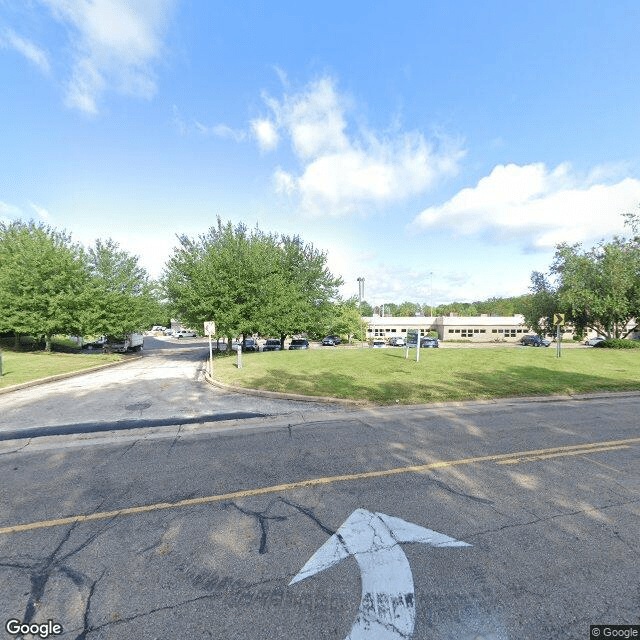
150 Springside Drive Ste C340, Akron, OH 44333
To contact a resident: (330) 869-4663
For more information about senior living options: (866) 208-4318
Overall Review of Homewatch CareGivers
Pros
 Homewatch CareGivers is described as an excellent company with an amazing owner and staff.
- They specialize in dementia care and are a perfect fit for families dealing with cognitive issues.
- The caregivers are patient and maintain a positive outlook even during challenging times.
- Amy, the owner, goes above and beyond to support families and is empathetic, knowledgeable, and involved.
- The team is professional, compassionate, and responsive, helping families navigate long-term care.
- The service provides peace of mind through tools like Homewatch Connect that enable remote viewing of a loved one.
- Clients consistently praise the warmth, care, and dedication of the staff and often recommend them.
- The staff is well-organized, communicates effectively, and starts services on schedule.
Review
This community is best suited for families seeking dementia-focused, in-home care guided by an experienced, nurse-led leadership team. The standout factor is a hands-on owner deeply involved in every step, with Amy drawing on a nursing background to shape care plans, train staff, and troubleshoot complex cognitive needs. Caregivers are patient and relentlessly positive, a crucial asset when managing dementia at home. The program also leans on practical tools like the Homewatch Connect device, which lets families video call and check in remotely, turning remote reassurance into measurable peace of mind. For families who want a highly attentive, home-based approach rather than a facility, this provider delivers.
There are clear alternatives worth considering for families with different priorities. If 24/7 live-in supervision, hospital-grade medical oversight, or a social environment with structured activities in a facility setting is non-negotiable, a traditional assisted living or skilled nursing option may be preferable. Additionally, families needing intensive clinical interventions or highly specialized medical equipment beyond what in-home care can sustain should evaluate options that combine in-person care with on-site clinical support. Although the agency excels in dementia care, it is still in-home care, and that distinction matters when long-term trajectory or social programming into a larger community is the primary goal.
The strongest pros center on dementia expertise, dependable leadership, and deeply personalized service. Amy’s direct involvement from initial consultation through ongoing management creates trust and clarity that families can lean on during stressful times. The staff’s stability, professionalism, and compassionate demeanor translate into consistent care even as needs evolve. The agency’s ability to navigate long-term care insurance and other funding routes reduces family friction and accelerates access to needed services. The Homewatch Connect device, and the related emphasis on transparent, ongoing communication, gives families a practical, reliable way to stay connected when in-person visits aren’t possible.
These positives offset typical drawbacks by converting care into a consistently predictable experience. The hallmark here is proactive, human-scale management: a nurse-led owner who understands clinical realities, a service model that prioritizes empathy, and a team that remains approachable and accountable. The result is fewer surprises and more confidence for families worried about dementia progression. Because caregiver matching is handled with care, families experience fewer disruptions and a smoother onboarding, which directly counters the common concern about caregiver turnover in in-home settings. The technology layer compounds this effect, turning distance into a non-issue and keeping the loved one’s routine intact.
Operationally, the approach remains refreshingly transparent and family-centric. Reviews consistently highlight responsive communication, thorough initial assessments, and a willingness to tailor services to evolving needs. The ability to discuss finances, coverage, and care options openly reduces ambiguity that often clouds decisions. The team’s emphasis on practical care, behavioral strategies for dementia, patient-centric pacing, and a warm, respectful bedside manner, makes the service feel less like outsourcing care and more like welcoming a trusted partner into the home. In short, the model works because it blends clinical credibility with everyday kindness.
The bottom line for decision-making is straightforward: this is an excellent fit for families prioritizing dementia-focused, home-based care with active leadership, pragmatic logistics, and a high-touch, compassionate staffing ethic. It is less suited for those who require around-the-clock hospital-like medical supervision, or who insist on a facility-based social ecosystem. When evaluating options, verify caregiver stability and matching processes, confirm availability for 24/7 coverage if needed, and insist on a clear plan for insurance navigation and cost coordination. Most important, schedule a thorough in-home assessment with Amy and the operations manager to translate the philosophy into a concrete, personalized plan.
 Akron-Canton Regional (19 miles away)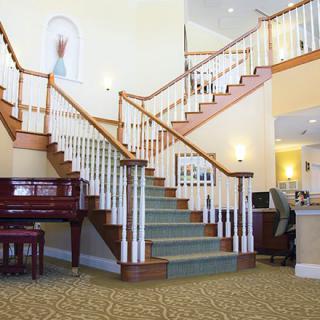





 Comprehensive Guide to Medicare Coverage for Hospice Care
 Caring for Those Who Care: Recognizing, Understanding, and Overcoming Caregiver Burnout
 Caregiver Exhaustion: Recognizing the Signs and Restoring Your Well-Being