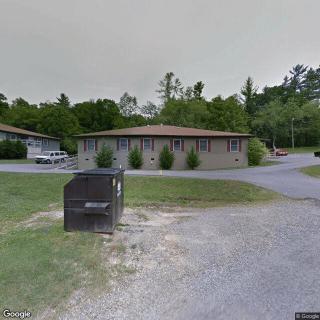
Shangri-La Family Care Home in Weaverville, NC
Save
Information last verified:
80 Roberts Rd, Weaverville, NC 28787
For more information about senior living options: (844) 490-3973
This community is best suited for families seeking a warm, home-like environment that emphasizes relationships, approachable leadership, and solid rehabilitation services. The Greens at Weaverville/Shangri-La presents a setting where residents are frequently described as well cared for by staff who are engaged and communicative, and where families feel invited into the care process. It works particularly well for long-term residents who value dignity, consistent daily routines, and opportunities for social engagement, therapies, and family involvement. The strongest case comes from headlines about compassionate CNAs, attentive RNs, and a leadership layer that works to keep families in the loop. It is not a fit, however, for those who require near-constant, ultra-rapid nurse responses or for residents who demand absolute privacy and the highest standard of cleanliness across every detail at every moment. This is a setting that rewards a collaborative, attached-to-home care philosophy, with the related caveat of variability in day-to-day operations.
Families who should consider alternatives are those for whom safety and responsiveness are non-negotiable. Several reviews flag slow response times from nursing staff and gaps in call-bell follow-through, which can be unacceptable for residents with complex care needs or those who rely on immediate assistance. Shared bathrooms, four residents per bathroom in at least one account, will be a non-starter for families prioritizing privacy or for residents with higher acuity who need frequent assistance with daily activities. Hygiene practices and overall cleanliness are also points of concern in some feedback, suggesting a risk tolerance that may be too high for families seeking a consistently pristine, infection-conscious environment. Additionally, investors of trust note the potential for inconsistent staffing levels and communication gaps, which can undermine confidence when decisions need to be made quickly. For these families, exploration of alternatives with stronger staffing ratios and more predictable operations is prudent.
On the upside, the community earns real credit for leadership and collaborative culture, with several reviewers citing top-notch onsite leadership and a team that works well with residents and families. Positive experiences frequently center on meaningful therapy and nursing services, reliable teamwork across departments, and a sense that the facility is oriented toward rehabilitation as much as long-term comfort. The admissions process is painted in warm terms, especially the involvement of an admission director who helps with transitions and makes families feel that their loved one’s dignified entrance is a priority. The care environment is repeatedly described as friendly and supportive, with residents appearing well taken care of and the facility being clean and orderly in many visits. When the staff are at their best, the sentiment is that the Greens can deliver a genuinely home-like, community-driven care experience.
Despite the bright spots, the negatives carry weight in practical decision-making. Persistent complaints about response times and perceived staffing shortages raise safety and reliability concerns for families evaluating ongoing care. Reports of rude behavior or unorganized communication occasionally surface, and some reviews describe the building as dirty or not consistently managed, which clashes with the essential expectations for a senior care setting. A particularly troubling account involves a family’s experience with a hospitalization delay for a critically ill relative, raising alarms about timely escalation and medical decision-making when urgent care is clearly needed. These anecdotes, while not universal, are powerful reminders that operational consistency matters as much as bedside compassion. The risk is that without significant improvement in these core areas, the positives may be outweighed by the day-to-day realities of navigation and accountability.
To mitigate risk and make a well-informed decision, prospective families should approach a tour and conversation with a lined-up checklist. Verify actual staffing ratios during peak hours, observe call-bell responses, and ask to see current maintenance and cleaning standards. Request candid, recent examples of how emergencies were handled and what protocols govern urgent medical decisions. Engage with current residents and families about the consistency of daily routines, mealtime experiences, and activities, particularly those with rehabilitation goals. Inspect the living arrangements, private versus shared bathrooms, and assess whether the common areas and resident rooms reflect the level of cleanliness and order that matters for comfort and safety. The admissions director’s role in smoothing transitions is a real asset, lean on that leadership to drill into questions about care planning, discharge planning, and how changes in a resident’s condition are communicated.
Ultimately, the verdict rests on the match between a family’s priorities and this community’s strengths and gaps. If a warm, collaborative environment where dedicated staff, strong rehab services, and family involvement are paramount, coupled with a willingness to monitor and manage occasional inconsistencies, this setting can be an excellent fit. The facility excels where leadership is accessible, therapy teams are proficient, and the home-like culture translates into meaningful daily life for residents. Conversely, if reliability in call responses, privacy, and immaculate day-to-day hygiene are non-negotiable, or if past red flags around medical escalation feel like recurring patterns rather than isolated incidents, it is wise to compare other options with proven, steadier operations and higher staffing stability. In short, Shangri-La/The Greens is a compelling option for the right family that can actively engage with the care team to keep quality consistently high, while families with higher thresholds for safety, immediacy, and cleanliness should explore alternatives that place those elements front and center.
Shangri-La Family Care Home is an assisted living community located in the charming town of Weaverville, NC. Our community provides a warm and welcoming environment for seniors who require assistance with daily tasks but still want to maintain their independence.
Within close proximity to our community, we have a conveniently located pharmacy, ensuring that our residents have easy access to their medications and any healthcare supplies they may need. The nearby pharmacy offers professional services and caring staff who can provide personalized attention to each resident's specific needs.
In addition to the pharmacy, we are also fortunate to have a physician's office nearby. This allows our residents to easily schedule appointments and receive medical care from trusted healthcare professionals. Our dedicated staff can assist residents in making appointments, arranging transportation, and providing any necessary support during their visits.
At Shangri-La Family Care Home, we understand the importance of good nutrition and dining experiences. That is why we are delighted to have four restaurants within close proximity. These establishments offer a variety of cuisines catering to different preferences, ensuring that our residents have access to delicious meals in a convenient setting.
Our community focuses on creating a comfortable and enriching lifestyle for our residents. With these nearby amenities, we aim to provide convenience and accessibility while empowering each individual to enjoy life to the fullest. Whether it be through providing essential medications or arranging enjoyable dining experiences, Shangri-La Family Care Home is committed to meeting the unique needs of each resident while fostering a sense of belonging within the local community.
This section of Weaverville, North Carolina offers a convenient array of amenities for seniors seeking a comfortable and accessible community. With multiple pharmacies such as CVS and Walgreens located within a short driving distance, residents can easily access their healthcare needs. A variety of dining options are available, ranging from casual fast food spots like McDonald's to more upscale choices such as Twisted Laurel and Avenue M. Nearby physicians' offices like French Broad Pediatrics and MAHEC Family Health Center provide quality medical care, while beautiful parks like Tanbark Ridge Overlook offer opportunities for outdoor recreation. For those in need of hospital care, Highland Hospital is conveniently located just a short drive away. Additionally, there are several cafes and places of worship in the area for relaxation and spiritual enrichment. This part of Weaverville combines convenience with natural beauty, making it an inviting option for seniors seeking an active lifestyle in their retirement years.
Shangri-La Family Care Home is located at 80 Roberts Rd, Weaverville, NC 28787 in Madison County, North Carolina
Understanding the Full Cost of 24/7 In-Home Care: A Detailed Overview

The guide outlines the rising costs of 24/7 in-home care, ranging from $10,000 to over $20,000 monthly, driven by factors such as location and caregiver qualifications. It discusses the limited coverage by Medicare and private insurance, potential Medicaid support, and the emotional and living condition considerations influencing families' decisions on care arrangements.
Exploring the World of Home Health Nurses: Qualifications, Roles, and Hiring Tips

Home health nursing is an expanding field where licensed professionals provide specialized medical care in patients' homes, addressing the needs of an aging population through personalized services like assessments and medication management. Effective collaboration with healthcare teams, cultural sensitivity, and quality assurance measures are essential for fostering trust and ensuring positive patient outcomes.
Navigating Medicare Coverage for In-Home Care Services
Medicare covers in-home health care services, which are medical and provided by licensed professionals under a physician's supervision, whereas non-medical personal assistance is generally not covered unless part of a broader skilled care plan. Eligibility for benefits depends on being homebound and needing intermittent skilled services from a Medicare-certified agency, with specific coverage limitations and additional resources available for navigating options.