




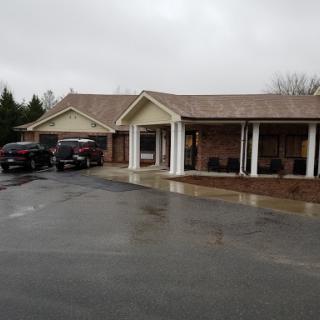
415 Elderberry Lane, Marshall, NC 28753
For more information about senior living options: (866) 208-4318
Overall Review of Elderberry Health Care
Pros
 The staff are friendly and care for the residents.
- The level of care and compassion from the staff is exceptional.
- The staff at Elderberry Health Care is amazing.
- The facility is wonderful and the staff are excellent.
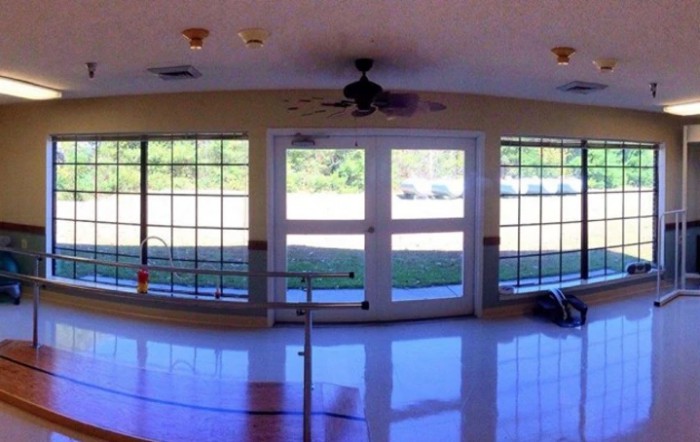
- The rehab rooms are beautiful, and therapy is designed for the individual.
- The nursing staff are warm and welcoming, and patients truly enjoy the attention they receive.
- The team is professional, knowledgeable, caring, empathetic, and dedicated.
- Karen Cutshall promptly responds to questions.
Cons
 They described Elderberry Health Care as the worst place ever and urged others not to send their loved ones there.
- The reviewer noted their mother was bedridden with a recent stroke, and during the stay her bed was not changed and she was not bathed.
- They alleged a staff member named Natalie laughed at the patient for four hours while she begged to be taken back to her room.
- They claimed the facility did not change the diaper at 4am and left the patient in discomfort.
- They stated the place should be shut down and described it as cruel, with neglect and violations of laws.
- They asserted a brother laid in his own waste and was left in a wheelchair causing pain for hours; the facility should be shut down.
- They claimed hospice was not allowed during the pandemic, causing the patient to suffer.
- They reported belongings vanishing and calls not being returned.
Review
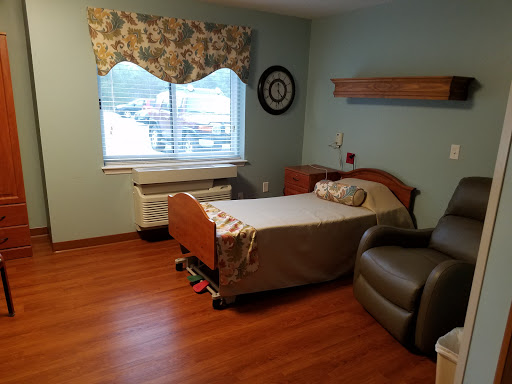
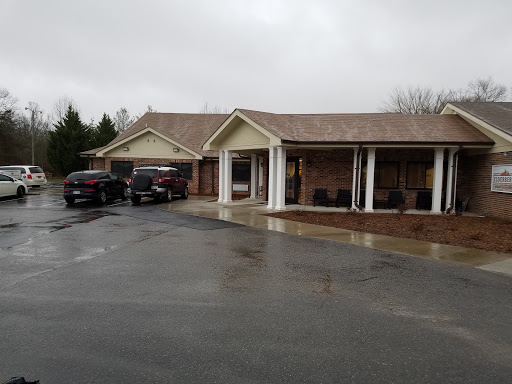
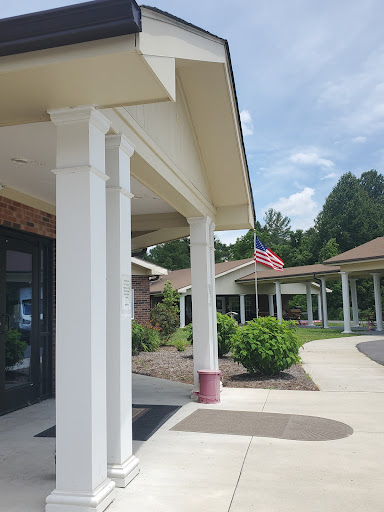
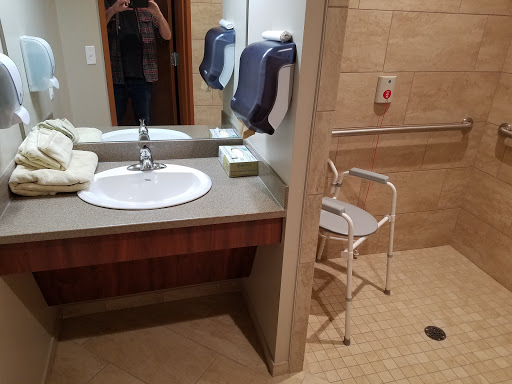
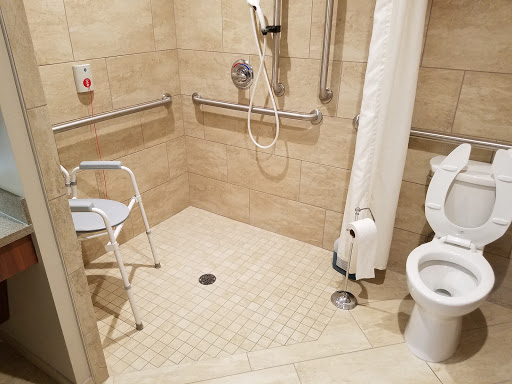
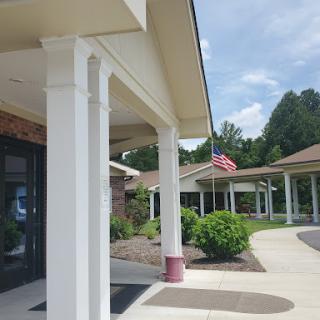
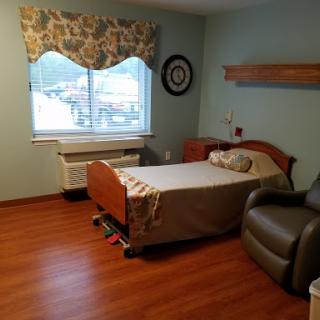
Elderberry Health Care in Marshall, NC is best suited for families seeking a small, home-like skilled-nursing environment where rehab services exist and staff interactions can feel personal. The facility’s intimate size and cozy, traditional decor give residents and families the sense of a closer, more attentive setting than a large campus can offer. For loved ones who respond well to regular, hands-on nursing and therapy in a venue that emphasizes daily contact with caregivers and activity staff, Elderberry can feel approachable and lived-in. Those who prize strong personal connections with clinicians and a calm, predictable routine will find some appeal in this arrangement.
However, a clear caveat emerges from the experience of many families: consider alternatives if reliable, consistently compassionate care is non-negotiable. A substantial portion of reviews raise red flags about neglect and safety lapses, including failures to attend basic hygiene needs, delays in essential care, and rough handling concerns. There are accounts of dehydration leading to hospitalizations, and serious accusations about how hospice, when needed, is accessed or restricted. Financial and belongings disputes further color the picture, suggesting gaps in accountability and family communication that cannot be ignored when evaluating risk.
The strongest arguments in Elderberry’s favor revolve around the positive, personal touch described in several accounts. Some families report genuinely caring staff, responsive nursing, and professional therapy teams that tailor rehabilitation to the resident. The facility’s smaller size is credited with enabling more individualized attention, and the rehab spaces and activity programming are highlighted as well-executed and engaging for residents who participate. In certain cases, families connect with dedicated clinicians and administrators who respond promptly, creating an impression of dependable, hands-on oversight in day-to-day operations.
Yet the negative feedback is persistent enough to temper any optimism. The most troubling reviews relate to neglectful care scenarios, including missed changes, lapses in bathing and bed hygiene, and prolonged discomfort for residents. Allegations about calls being ignored, or staff members being dismissive, contribute to a perception of inconsistent quality of care. While some families sing the facility’s praises and point to long-standing staff relationships, the weight of these complaints cannot be dismissed, especially when family members are evaluating care for medically fragile or end-of-life residents.
From a decision-making standpoint, the key trade-off is clarity: the pros, personal attention, a home-like environment, and an active rehab program, are meaningful for residents who are stable and whose families can maintain vigilant oversight. The cons, documented neglect concerns, potential delays in critical care, and contentious administrative practices, pose genuine risk, particularly for residents with complex medical needs or those requiring dependable hospice coordination. The decision hinges on whether the family can implement strong governance, frequent site visits, strict care audits, and transparent communication with the team.
In conclusion, Elderberry Health Care should be considered by families who can tolerate a higher degree of oversight and who prioritize a small, personable setting with active rehabilitation. It may work well for residents who are relatively stable, enjoy structured activities, and benefit from close-knit staff connections, provided there is a clear plan for continuous monitoring and rapid escalation of concerns. For families prioritizing consistently proven safety, predictable hospice access, and a track record of preventing neglect, alternatives with stronger, verifiable safety histories are a prudent path to explore.
 80 resident community capacity
 Assisted Living
 Skilled Nursing Facility
 Activities on-site
 Air-conditioning
 Beauty salon
 Cable or satellite TV
 Computer center
 Devotional services off-site
 Dining room
 Fitness room
 Fully furnished
 Gaming room
 Garden
 Housekeeping services
 Indoor common areas
 Kitchenette
 Move-in coordination
 Outdoor space
 Private bathrooms
 Restaurant-style dining
 Small library
 Telephone
 Wellness center
 Wi-Fi/high-speed internet available
 Community operated transportation
 12-16 hour nursing
 24-hour call system
 Ambulatory care
 Assistance with bathing
 Assistance with dressing
 Assistance with transfers
 Diabetes diet
 Diabetic care
 Medication management
 Mental wellness program
 Special dietary restrictions
 Concierge services
 Planned day trips





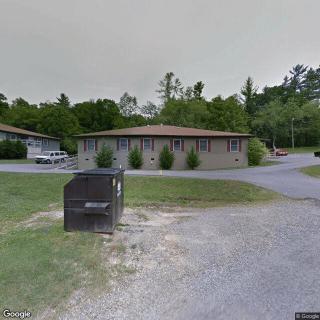
 A Detailed Exploration of Assisted Living Medicaid Waivers Across the United States
 Comprehensive Residential Support and Assisted Living Solutions for Individuals with Disabilities
 Comprehensive Supportive Living Arrangements for Adults with Disabilities