

4026 S Nc Highway 11, Wallace, NC 28466
To contact a resident: (910) 285-9050
For more information about senior living options: (866) 208-4318
Overall Review of Dayspring of Wallace
Pros
 The staff at DaySpring are wonderful and attentive, making every resident feel well cared for.
- DaySpring is a beautiful, welcoming community for loved ones.
- The facility is clean and residents look well taken care of.
- The director is very dedicated, often arriving early and staying late.
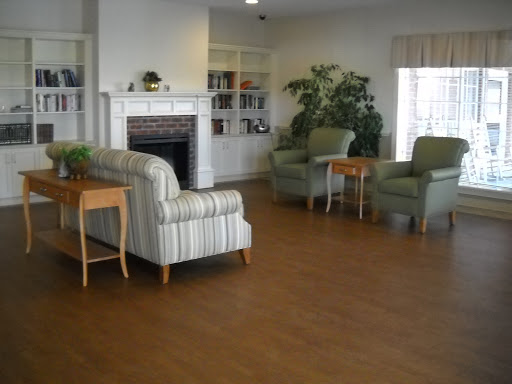
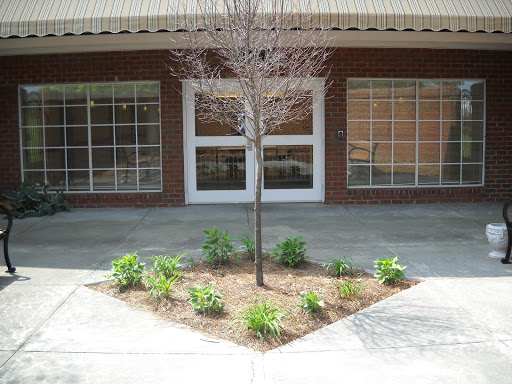
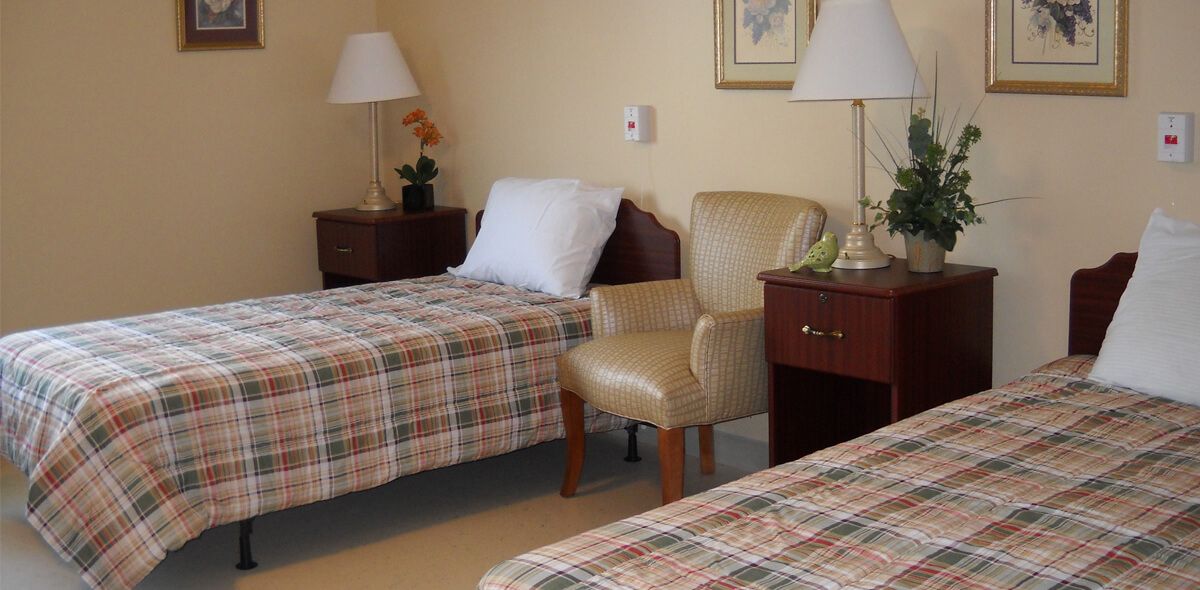
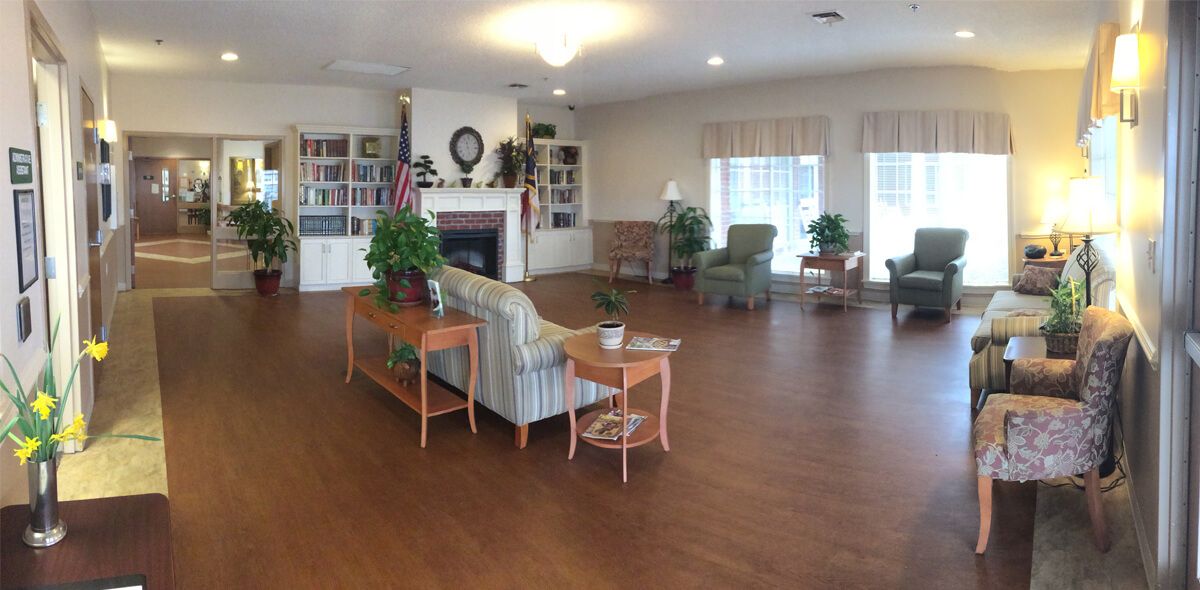
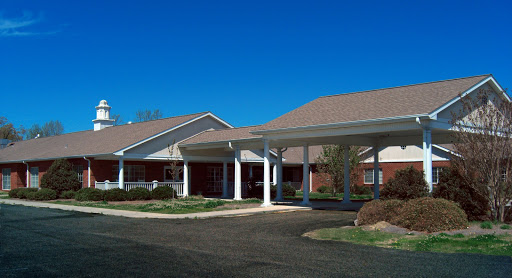
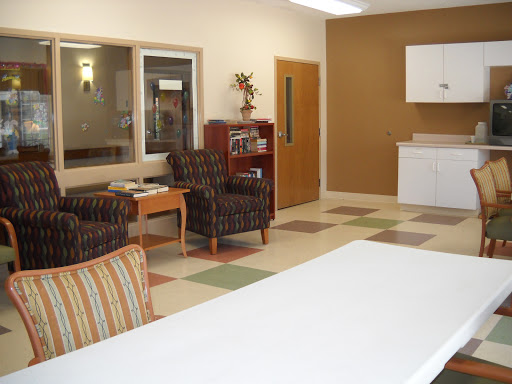
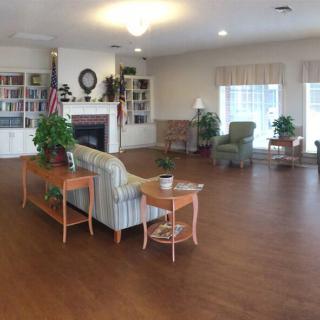
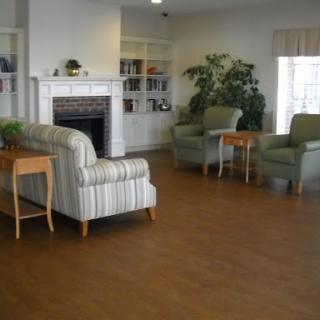
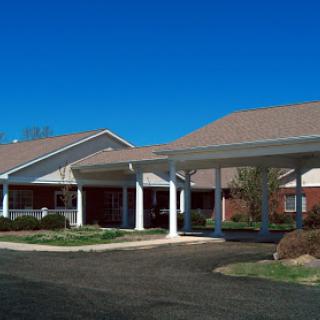
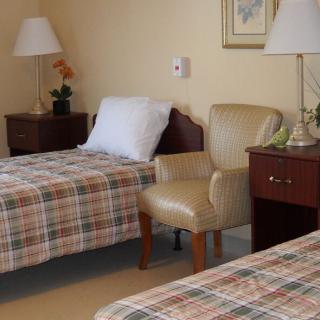
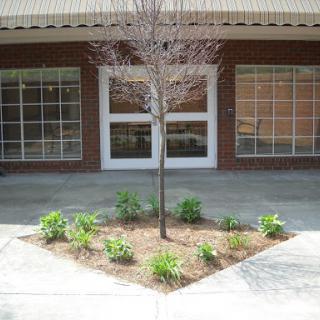
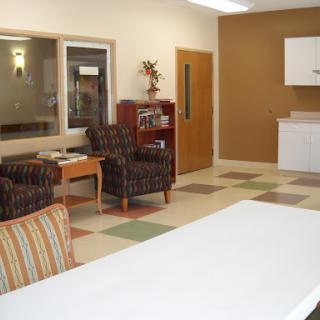
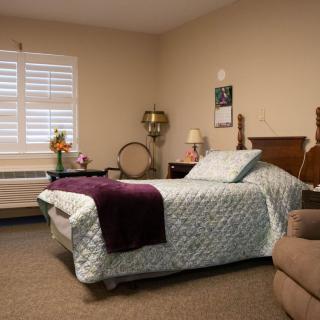
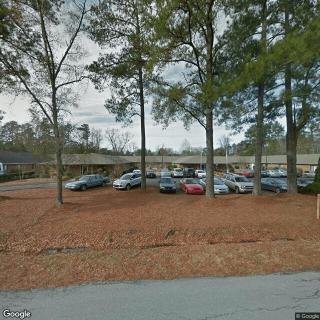
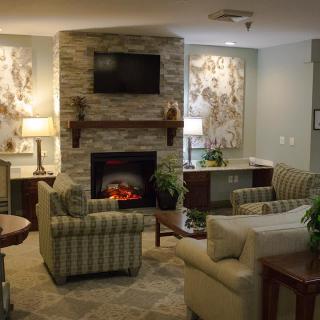
- The building has a home-like feel with well-kept grounds and inviting spaces.
- Residents enjoy a variety of activities and daily events they look forward to.
- Families report positive experiences and would recommend DaySpring to others.
Cons
 The nurses and med techs are terrible and negligent.
- The med techs are beyond unprofessional.
- The reviewer suggests people should go elsewhere or become caregivers for their loved ones.
- The nurses are no longer genuine and lack empathy.
- No nurse has earned the reviewer’s full trust nor performed well.
- This healthcare system is broken.
- The memory care unit is terrible, with monthly ER visits.
Review
Dayspring of Wallace is best suited for families seeking a warm, home-like assisted living experience where daily life is built around social engagement, personal attention, and a clean, inviting environment. It works well for seniors who prioritize companionship, structured activities, three solid meals, and a sense of community over a clinical, hospital-like setting. For residents who primarily need help with daily tasks and mild medical oversight, the community delivers a comforting, engaging atmosphere. The actual footprint, larger than many peers, supports a variety of activities, from exercise and bingo to church involvement and outings across a nearby park. That combination makes Dayspring a compelling option when the goal is a lively, people-centered living experience. Still, it is not the pick for those requiring intensive memory care or highly standardized nursing protocols, given mixed signals in the reviews about medical oversight and dementia-specific care.
Several consistent strengths emerge in the positive accounts: staff frequently described as devoted, friendly, and attentive, with leadership noted as especially engaged. The facility itself projects a clean, odor-free, well-maintained vibe, and the grounds cultivate a welcoming, home-like feel that families often associate with comfort and security. The director’s dedication is repeatedly highlighted: arriving early, staying late, and staying connected with family members, which translates into a perception of stability and dependable oversight. Residents appear to benefit from regular activities that give them structure and purpose, fitness walks, games, and social gatherings, while caregivers and office staff are praised for their helpfulness and accessibility. Visitors repeatedly report conversations that emphasize genuine care, and families who witness routine interactions leave with confidence in the environment’s warmth and order.
Yet, the narrative is not one-dimensional. A salient thread of concern runs through several reviews about the quality of direct medical care, particularly among med techs and certain nursing staff. One set of comments paints a troubling picture of negligence and a lack of empathy, suggesting that for a family member with higher medical needs, this would be a non-starter. Compounding that, the memory care experience, as described by some families, raises significant red flags: repeated ER visits, a diagnosis of medication toxicity, and perceived deficiencies in training and oversight within the unit. These reports contrast sharply with the more favorable impressions of other staff and hint at variability across shifts and departments. For families with a loved one who requires consistent, high-level nursing care, these gaps demand rigorous verification and real-world evidence of improvement before committing.
The positives do offset the negatives in specific, practical ways for the right resident. For a senior who thrives on social calendars, accessible amenities, and a staff that feels genuinely engaged, Dayspring provides a framework that can enhance quality of life. Cleanliness, a home-like ambiance, and a comprehensive activity roster translate into meaningful daily structure, while the on-site offerings, church services, beauty parlor, and easy access to outdoor spaces, support a holistic sense of well-being. The overall feel of competence and attentiveness from many staff members can temper worries about routine needs, assuming medical oversight is appropriate for the individual. In essence, the community’s core strengths align closely with the desires of families who want a neighborly environment backed by visible, caring leadership and a robust social infrastructure.
Still, there are clear reasons why some families should consider alternatives. If a resident’s care plan centers on dementia-specific needs, or if cognitive impairment is coupled with a demand for consistent, highly trained nursing or specialized memory care staffing, Dayspring’s mixed performance on those fronts suggests exploring other options or, at minimum, conducting very thorough, contemporaneous visits focused on the memory care unit. Prospective residents who insist on multi-television rooms or who require more accessible storage and closet configurations due to dementia-related mobility should verify whether current floor plans can accommodate those needs without friction. Those who prioritize uniformly steady clinical oversight and whose loved one’s safety hinges on consistent, highly skilled medical staff may find the risk profile less favorable here without further assurances.
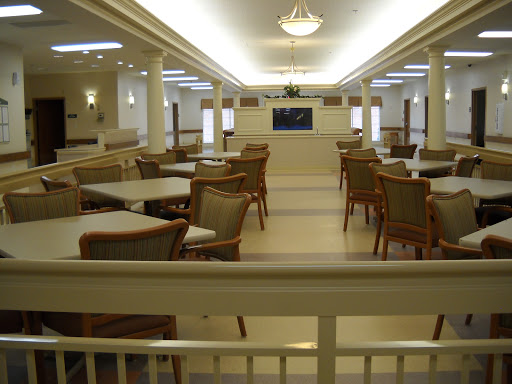
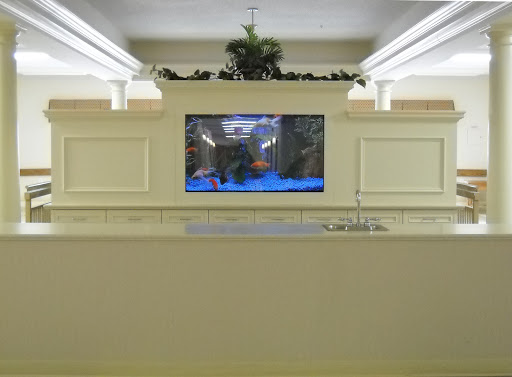
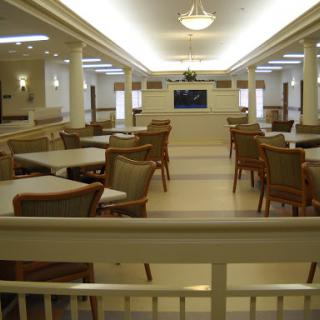
In the end, Dayspring of Wallace represents a solid, practical choice for families seeking a bustling, caring community that feels more like a welcoming home than a clinical facility. Its strengths, engaged staff, leadership presence, cleanliness, and a vigorous activity program, create meaningful value for residents who do not demand intensive memory-care services. The decision hinges on aligning expectations with how medical care is delivered day-to-day. Visitors should proactively inspect the memory care unit, request to observe care routines, and speak with current residents and families about nurse and med-tech consistency. A candid tour of the dining room, schedule of activities, and a direct conversation with the director can illuminate whether the reported strengths will translate into ongoing peace of mind. For many families, Dayspring will satisfy the desire for a warm, active setting with dependable staff; for others, especially those with acute memory-care requirements or critical nursing needs, the search should continue with a sharper focus on medical oversight and dementia-specific expertise.
 80 resident community capacity
 Assisted Living
 Activities on-site
 Air-conditioning
 Beauty salon
 Cable or satellite TV
 Computer center
 Devotional services off-site
 Dining room
 Fitness room
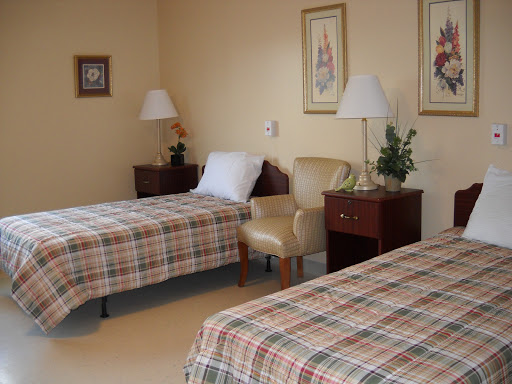
 Fully furnished
 Gaming room
 Garden
 Housekeeping services
 Indoor common areas
 Kitchenette
 Move-in coordination
 Outdoor space
 Private bathrooms
 Restaurant-style dining
 Small library
 Telephone
 Wellness center
 Wi-Fi/high-speed internet available
 Albert J Ellis (21 miles away)
 Community operated transportation
 12-16 hour nursing
 24-hour call system
 Ambulatory care
 Assistance with bathing
 Assistance with dressing
 Assistance with transfers
 Diabetes diet
 Diabetic care
 Medication management
 Mental wellness program
 Special dietary restrictions
 Concierge services
 Planned day trips



 Exploring the Contrasts Between Assisted Living and Skilled Nursing
 8 Key Indicators That Suggest It May Be Time to Transition from Assisted Living to Skilled Nursing Care
 Vibrant Senior Living: A Comprehensive Guide for Active Older Adults