571 Sycamore St, Rose Hill, NC 28458
For more information about senior living options: (866) 208-4318
Gardens of Rose Hill Costs & Pricing
Gardens of Rose Hill offers competitive pricing for its studio accommodations, with a monthly cost of $3,000. This rate is slightly lower than the average in Sampson County, where similar studio apartments typically go for around $3,100. When compared to the broader North Carolina market, Gardens of Rose Hill presents an even more attractive option, as the state average for studio rooms stands at approximately $4,020. This positioning not only reflects the affordability of Gardens of Rose Hill within its local context but also highlights its value as a sensible choice for those seeking quality living arrangements without exceeding their budget.
| Floor plans | Gardens of Rose Hill | Sampson County | North Carolina |
|---|---|---|---|
| Studio | $3,000 | $3,100 | $4,020 |
Assisted Living communities with a similar price nearby
-
from -$400 / mo
Lenoir Assisted Living
$2,600 to $2,900 / month23.6 miles away -
from +$350 / mo
The Magnolia
$3,350 to $3,800 / month21.9 miles away -
from -$450 / mo
Huntington Health Care
$2,550 to $5,100 / month19.4 miles away
Overall Review of Gardens of Rose Hill
Pros
 The facility is clean and well-maintained, with residents who are friendly and engaged.
- The staff are caring and like family, consistently answering questions with patience.
- The recreational coordinator exceeds expectations, providing games, crafts, singing, and outings that keep residents entertained.
- Gardens of Rose Hill feels like a home away from home thanks to the administrator's kindness and open communication from the staff.
- The laundry service is excellent, returning clothes fresh, folded, and even put away on request.
- The dietary staff prepare three healthy meals a day plus three snacks within budget, keeping residents nourished.
Review
Gardens of Rose Hill in Rose Hill, North Carolina, is best suited for seniors who want a warm, home-like environment where daily life centers on connection, attentiveness, and an active, residents-first culture. The community reads as a place where couples can remain together and feel comfortable sharing routines, with an administrator whose door is consistently open and staff who respond with tangible care. Residents repeatedly describe a setting that emphasizes companionship, practical help, and a busy calendar of social and recreational activities. This is not a distant, impersonal facility; it is a tightly knit, welcoming environment where everyday interactions feel meaningful and dependable.
Those weighing alternatives should consider whether advanced medical oversight or highly specialized memory care will be necessary. The reviews celebrate caring staff and a responsive leadership team, but they do not spell out on-site availability of skilled nursing, medical supervision, or dementia-specific programming. Families focused on routine, social vitality, and a comforting home atmosphere will likely be impressed; those whose loved ones require intensive clinical services, frequent physician access, or structured memory-care protocols may want to compare other options or ask pointed questions about on-site capabilities, transfer arrangements, and partnerships with local healthcare providers.
The strongest pros, staff who are described as caring and like family, plus transparent, accessible leadership, read as a cohesive support network that can offset concerns about isolation or neglect. Daily check-ins to ensure needs are met, a laundry service that returns clothes fresh and neatly organized, and attentive dietary staff crafting three healthy meals with snacks each day collectively reduce daily life friction. The sense that the entire staff engages with residents, from administration to personal care aides, underpins a dependable, reassuring environment. When the main con is the absence of explicit clinical detail, these consistently demonstrated strengths become a compelling counterweight for many families.
Operational and social strengths dominate in the qualitative picture. The recreational coordinator is highlighted as exceeding expectations, driving a program that includes bingo, crafts, singing, out-of-f facility dining, and group celebrations. This level of activity fosters engagement and cognitive stimulation, helping residents feel actively involved rather than passively accommodated. The dining experience is framed as robust and well-executed within tight budget constraints, with meals and snacks designed to sustain energy, while the kitchen and dietary team are trusted to deliver consistent quality. Cleanliness and a well-maintained environment further reinforce a sense of safety and pride in daily life at Gardens of Rose Hill.
From a practical decision standpoint, this community delivers high value for families prioritizing warmth, accessibility, and ongoing socialization. The unavoidable question centers on clinical depth: is there ready access to skilled nursing or memory-care resources on-site, or will reliance on external providers be necessary? If the answer aligns with an ample local support network and clear care directions, the fit strengthens considerably. Prospective residents should verify the scope of medical services, transportation options for appointments, and the availability of respite care or short-term stays. In sum, Gardens of Rose Hill offers a compelling, family-oriented living experience where the daily rhythm, warm staff, engaged programming, and home-like comfort, often outweighs the uncertainty that comes with unlisted clinical capabilities. Schedule a visit, ask targeted questions, and assess how well this household atmosphere translates to long-term peace of mind for both residents and families.
 45 resident community capacity
 Assisted Living
 Activities on-site
 Beauty salon
 Cable or satellite TV
 Devotional services off-site
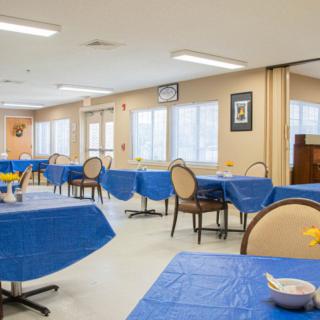
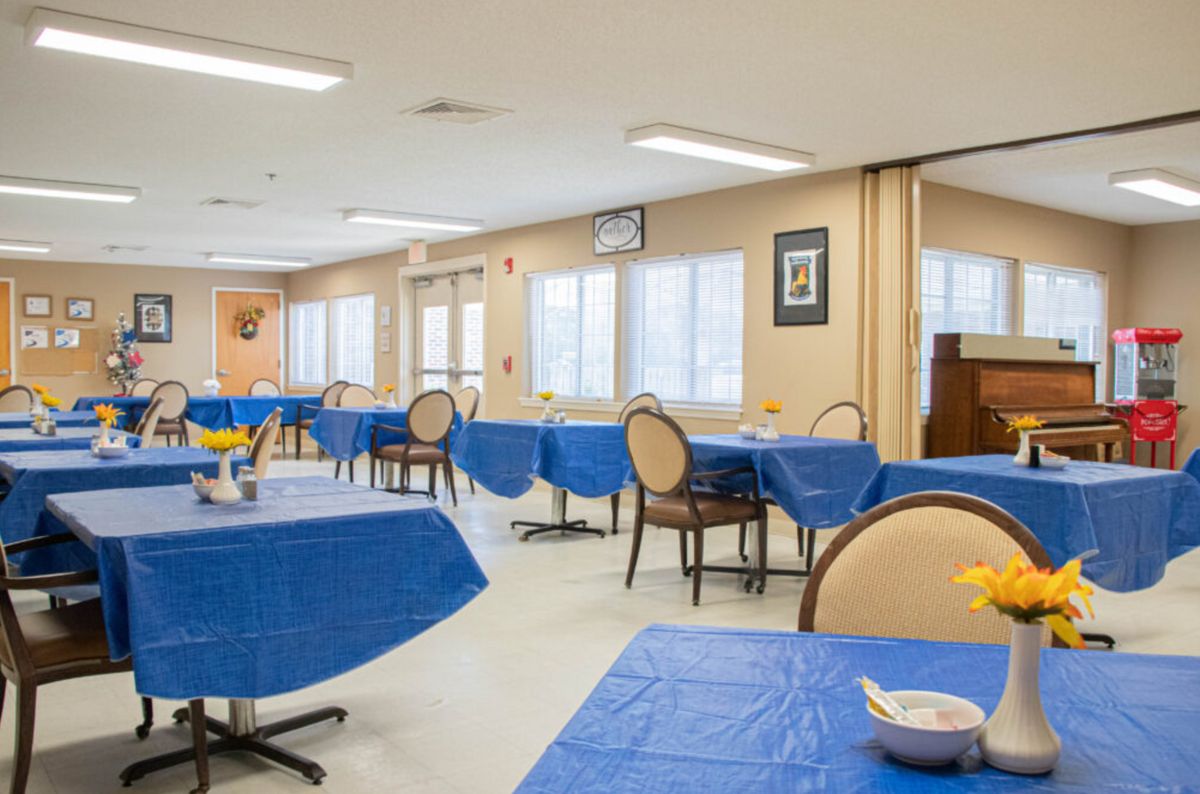
 Dining room
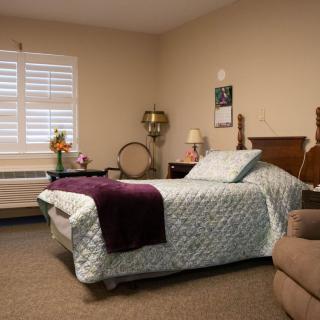
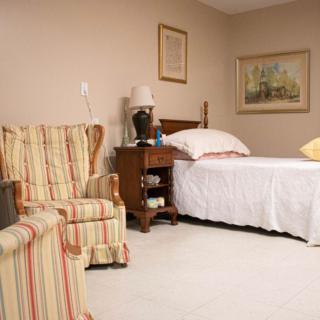
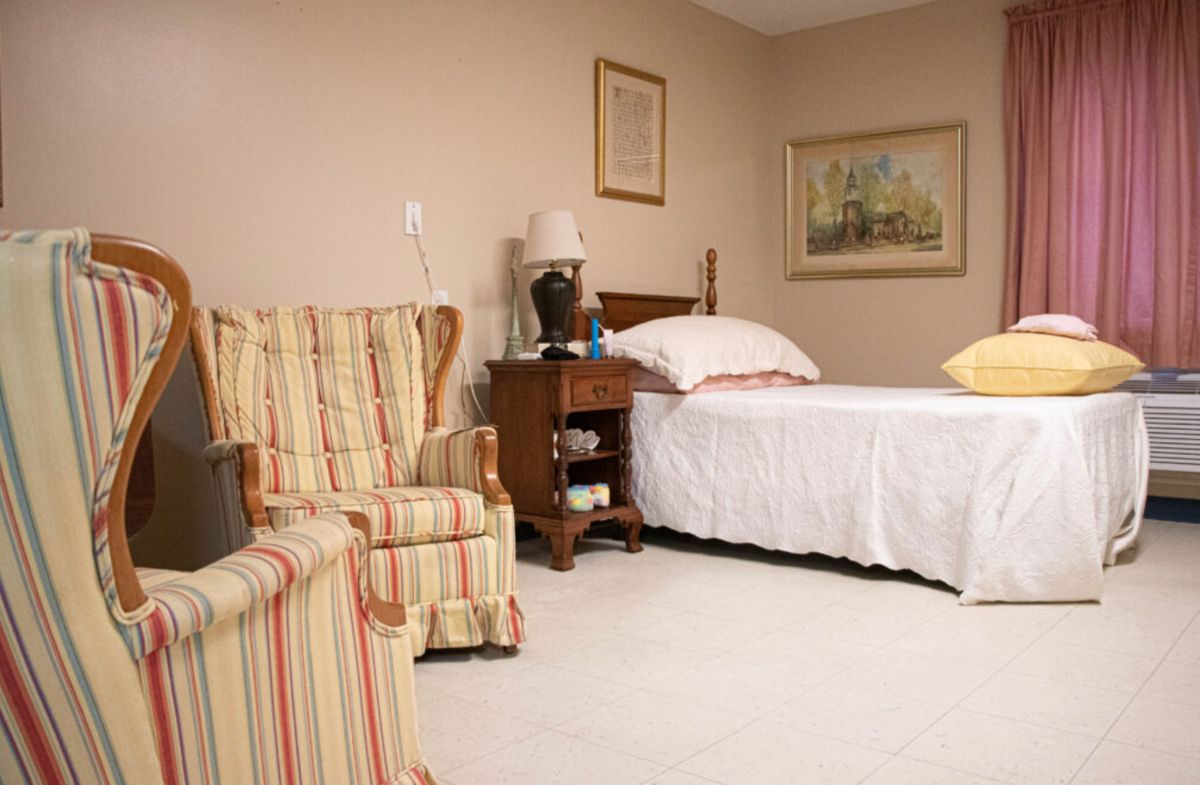
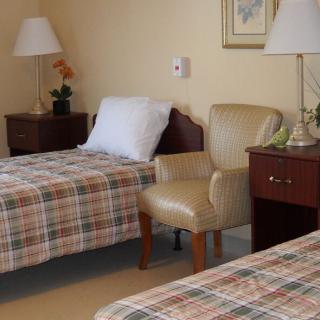
 Fully furnished
 Garden
 Housekeeping services
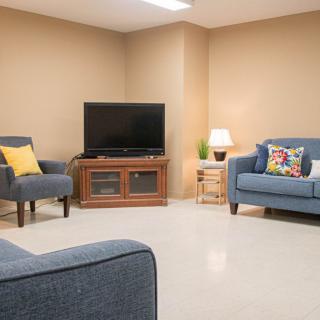
 Indoor common areas
 Kitchenette
 Move-in coordination
 Outdoor space
 Restaurant-style dining
 Small library
 Telephone
 Wi-Fi/high-speed internet available
 Albert J Ellis (23 miles away)
 24-hour call system
 Ambulatory care
 Assistance with bathing
 Assistance with dressing
 Assistance with transfers
 Diabetes diet
 Diabetic care
 Medication management
 Mental wellness program
 Special dietary restrictions


 An Extensive Exploration of the VA Aid and Attendance Benefit
 Senior Transition Services: Understanding Their Role, Cost, and Importance
 Exploring the Path to Senior Living: A Comprehensive Look at Independent Living and Assisted Living