

311 S Campbell St, Burgaw, NC 28425
To contact a resident: (910) 259-6007
For more information about senior living options: (866) 208-4318
Huntington Health Care Costs & Pricing
Huntington Health Care offers a competitive pricing structure for its residents, particularly when compared to both Pender County and the broader North Carolina area. For a semi-private room, Huntington's rate of $2,550 stands out as significantly lower than the county average of $4,402 and the state average of $3,584. Similarly, their studio apartments are priced at $3,000, which remains below both Pender County's $3,283 and North Carolina's $4,020 benchmarks. While the costs for one-bedroom units slightly exceed county rates at $4,200 compared to Pender County's $4,003 and narrowly align with state averages ($4,055), Huntington maintains an appealing price point for private rooms at $5,100 in contrast to higher local (Pender County at $5,033) and state (North Carolina at $4,425) figures. Overall, Huntington Health Care presents an attractive option that balances quality care with accessible pricing for prospective residents.
| Floor plans | Huntington Health Care | Pender County | North Carolina |
|---|---|---|---|
| Semi-Private | $2,550 | $4,402 | $3,584 |
| Studio | $3,000 | $3,283 | $4,020 |
| 1 Bedroom | $4,200 | $4,003 | $4,055 |
| Private | $5,100 | $5,033 | $4,425 |
Overall Review of Huntington Health Care
Pros
 The staff are friendly and nice.
- Most of the staff do their job.
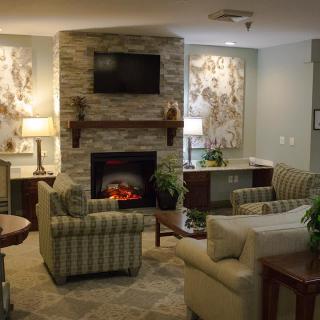
- The rooms are pretty big and nice.
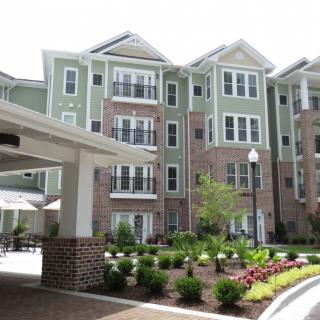
- The facility is pretty well-maintained.
- It is the closest facility to home.
Cons
 The food is not very good; it’s plain hospital fare with not much to choose from.
- They need better food there.
- The staff are not always available to patients; they often sit at the nurses’ station and talk.
- Some staff don’t do their job, though most do.
Review
This Burgaw, NC community is best suited for families who value proximity to home and want a straightforward, comfortable living setting for a loved one who needs assistance but does not require constant, high-level medical oversight. The top selling point from nearby experiences is the ability to minimize daily logistics, travel, transport for appointments, and the emotional pull of frequent visits, by choosing a facility that is the closest option to family. In practice, that geographic convenience often matters more than elaborate programming or specialized care, making it a reasonable default choice for residents with moderate needs and families pressed for time.
Those who should consider alternatives are families seeking highly reliable, responsive day-to-day care and robust meal options. The most compelling reason to look elsewhere is the inconsistent level of caregiving observed on some shifts: not all staff consistently meet expectations, and there are reports of insufficient attention to residents when they need help. If rapid response, proactive engagement, and steady presence are nonnegotiables, another nearby facility may deliver more dependable service. For anyone whose loved one relies on timely assistance or frequent hands-on care, it’s prudent to compare staffing patterns and turnover before committing.
The strongest positives point to a generally welcoming staff and decent physical space. In reviews, the staff are described as friendly and most teammates doing their jobs well, which can translate into a warmer daily experience and smoother interpersonal dynamics for residents who value cordial interactions. The rooms are noted as large and comfortable, and the facility as a whole is described as well-kept. When staffing aligns with expectations, these factors can create a livable, low-stress environment where a resident’s daily routine remains intact and familiar.
However, the drawbacks carry real weight in day-to-day life. The most cited concerns center on availability and attentiveness: residents may not always receive the timely help they need, as staff at times congregate at the nurses’ station rather than circulating, which can translate to delays in assistance. Food quality is another pain point, described as hospital-style with limited choices and little culinary variety. For a resident who enjoys a better menu or who depends on timely, proactive care, these elements can significantly detract from overall satisfaction and perceived value.
In weighing pros against cons, proximity and room size offer meaningful, tangible benefits that can offset some logistical headaches, but not all. For families who can tolerate occasional gaps in responsiveness and who do not require gourmet dining, the option remains a practical, affordable station on the care map. For those who place a premium on consistently proactive staff and more appealing meals, the negatives are likely to overwhelm the positives, nudging toward alternatives. The overall impression is a mid-range, cautious recommendation rather than a strong endorsement.
Smart next steps for families considering Huntington Health Care are twofold. First, probe staffing patterns directly: request specific daily call-back times, what the typical response time is for unassisted needs, and how shifts are staffed during peak hours. Second, review meal options in detail: request sample menus, ask about dietary customization, and consider arranging a meal trial to assess whether the kitchen can meet expectations. If proximity remains a decisive factor, pair these inquiries with on-site visits and conversations with current residents or families. If the answers lean toward inconsistent care or limited dining options, explore The Laurels of Pender or other nearby facilities for a better-balanced combination of attention, cuisine, and reliability.
 Assisted Living
 Skilled Nursing Facility
 Activities on-site
 Beautician on-site
 Devotional services off-site
 Indoor common areas
 Outdoor common areas
 Private
 Respite or short term stays offered
 Wilmington International (19 miles away)
 Ambulatory care
 Diabetic care
 High acuity care
 Incontinence care
 Medication management
 Meals provided





 Exploring the Path to Senior Living: A Comprehensive Look at Independent Living and Assisted Living
 Is Assisted Living Deductible on Your Taxes? Understanding the Complexities of Assisted Living Expenses and Deductions
 Assisted Living Support for Veterans: A Complete and Detailed Overview