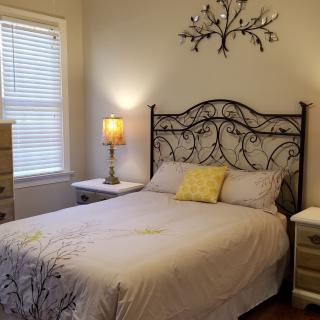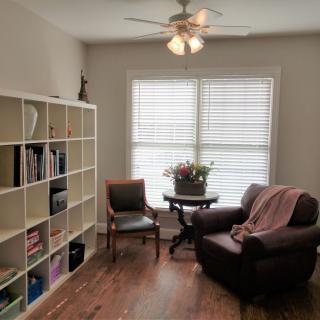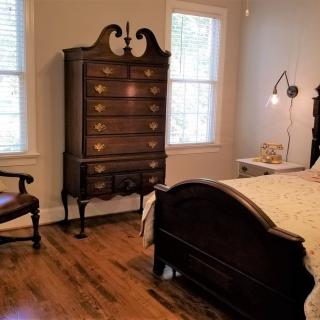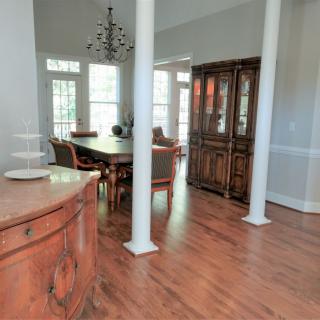
1116 Chilmark Avenue, Wake Forest, NC 27587
For more information about senior living options: (866) 208-4318
Overall Review of Chantilly Care Home at Riverstone
Pros
 The staff embraced the WWII veteran and cared for him as if he were their own parent.
- They consistently ensured he had a seat at the bingo table.
- Ken and Rose run a tight ship and provide top-notch care for residents.
- The care home is described as the best that exists, a Taj Mahal of care homes, with extraordinary one-on-one attention.
- The team is professional yet caring, giving families peace of mind.
- The outstanding caregivers Marcel, Tammy, Lakendra, Alfa and Sarah provide compassionate, personalized care.
- Rose and Ken treat every resident like family.
- The environment is warm and welcoming, with staff available to answer questions and support families.
Cons
 She was difficult at times and more feisty than her age could bear.
- She was a feisty 90-year-old who sometimes cusses.
Review
Chantilly Care Home at Riverstone in Wake Forest is best suited for families seeking a truly intimate, home-like environment where a loved one receives exceptionally personalized, hands-on care from a small, engaged team led by owners Rose and Ken. The accounts describe residents treated like family, with staff who know routines, preferences, and histories and who actively weave them into daily life, securing a favorite bingo seat, coordinating small outings, and ensuring dignity in every moment. This setting rewards seniors who thrive on consistent, relational care and a partnership mindset rather than a large-campus, hospital-style experience.
Those evaluating alternatives should note that this model prioritizes personalized attention over scale. For residents with significant medical complexity, frequent nursing interventions, or a need for robust on-site rehabilitation services, a larger facility with dedicated nursing teams and formal care pathways may be a better fit. Families seeking extensive memory-care programming, a wider array of clinical services, or highly structured daily schedules might prefer communities built around continuum care and advanced medical resources rather than a small, family-run home.
The core advantages stem from one-on-one care that feels tailored and constant. Staff members are described as professional yet deeply compassionate, ready to adjust care plans as conditions evolve and to align with family input. Rose and Ken’s leadership is repeatedly cited as the backbone of this stability, delivering a sense of security that a loved one is closely monitored, meals and activities are personalized, and evenings feel calmer because needs are anticipated rather than reacted to. In short, the home’s culture is built on trust, responsiveness, and a familiar, reassuring rhythm of daily life.
Operational strength is evident in everyday wins that matter to families. Caregivers consistently go the extra mile to customize routines, and the owners’ accessibility makes queries and concerns straightforward to address. The warmth underpins tangible outcomes: residents who regain appetite and conversation, dignified treatment of aging or frail loved ones, and reliable assistance with grooming, bathing, and dressing. The home environment supports social engagement, porch time, shared meals, and communal activities like bingo, while keeping care highly personal. Notably, caregivers highlighted in several accounts, Alicia, Kendra, Nisha, Vickie, illustrate the depth of bedside skill and attentiveness that undergirds this reputation.
No explicit, broad drawbacks appear in the reviews, but a practical understanding of the model clarifies potential tradeoffs. The intimate, home-based setup naturally implies a smaller care team and a more defined scope of services than a large facility. This dynamic is precisely what makes the leadership so responsive and the resident-caregiver bonds so strong, but it can limit capacity to absorb rapid surges in medical needs or to provide a wide spectrum of on-site clinical resources. With Rose and Ken directly steering the operation and caregivers consistently aligned with resident goals, these potential gaps are not only mitigated but often offset by the high level of continuity, accountability, and personalized attention that families value most.
Practically, families evaluating Chantilly Care Home at Riverstone should plan a focused visit: observe how caregivers interact with residents, meet the owners, review sample care plans, and ask how daily routines are adapted across memory or mobility stages. For those who prize a warm, person-centered setting where dignity, connection, and daily purpose drive quality of life, this community stands out as an exceptional choice. For situations where heavier medical supervision, a broader range of clinical services, or a more structured, campus-style program is essential, alternative communities with larger staffs and more formal programming should be explored to avoid potential mismatches between needs and services.
 3 resident community capacity
 Assisted Living
 Board and Care Home
 Air-conditioning
 Cable or satellite TV
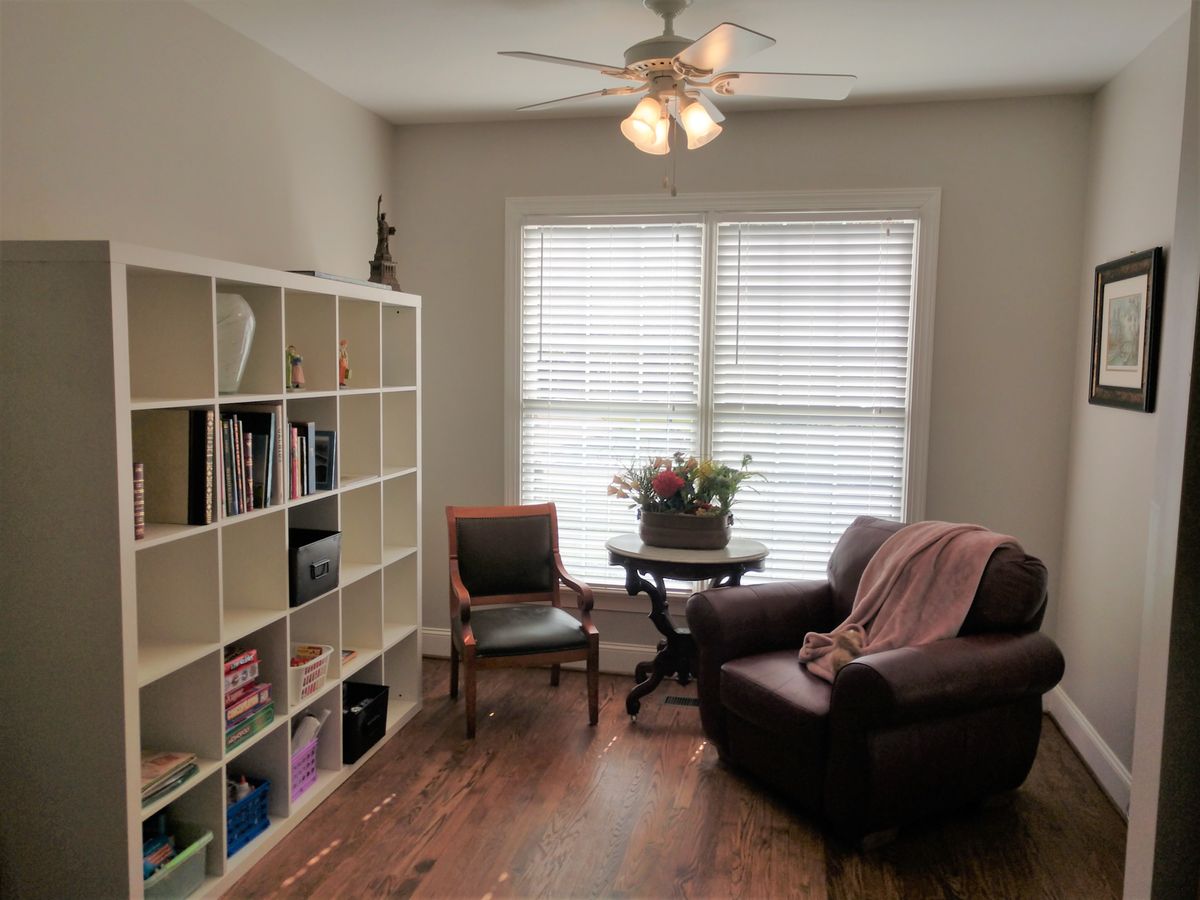
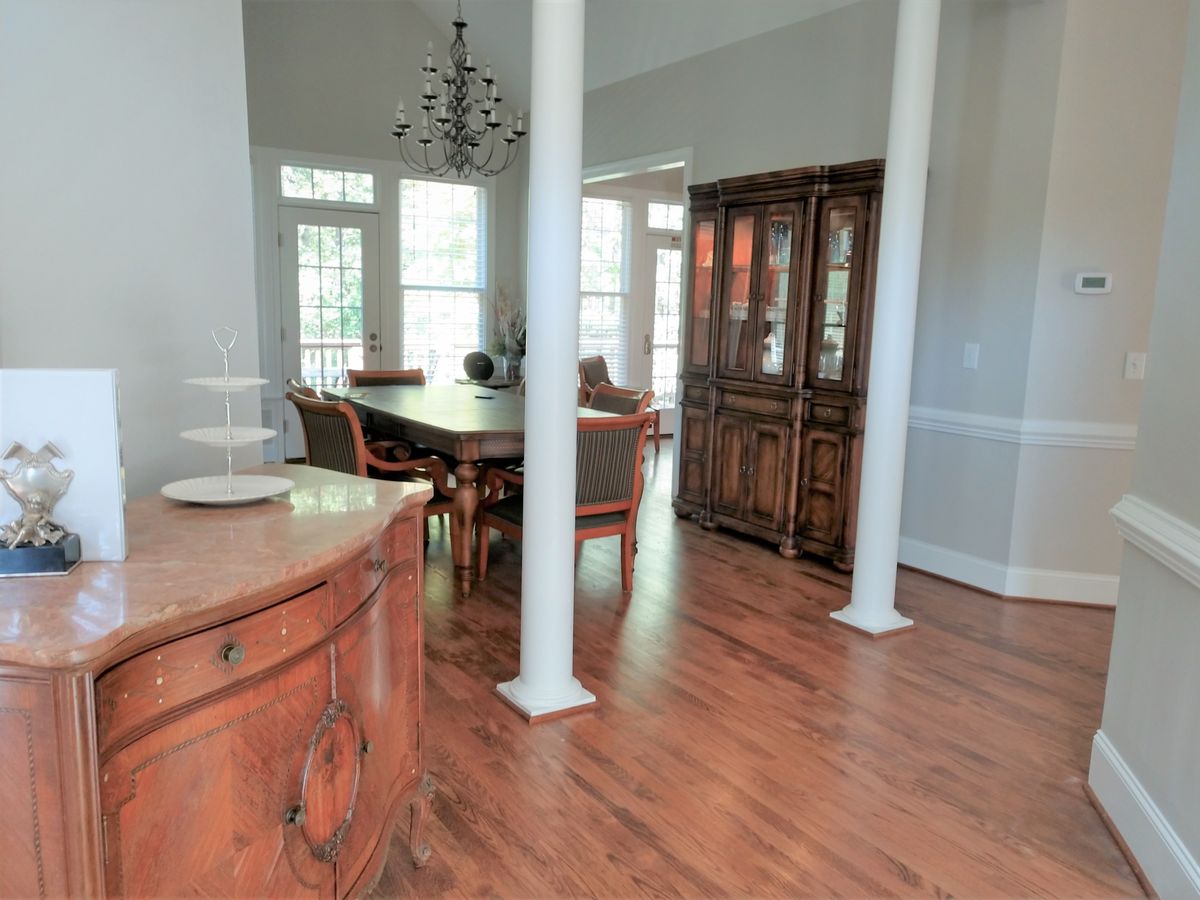
 Dining room
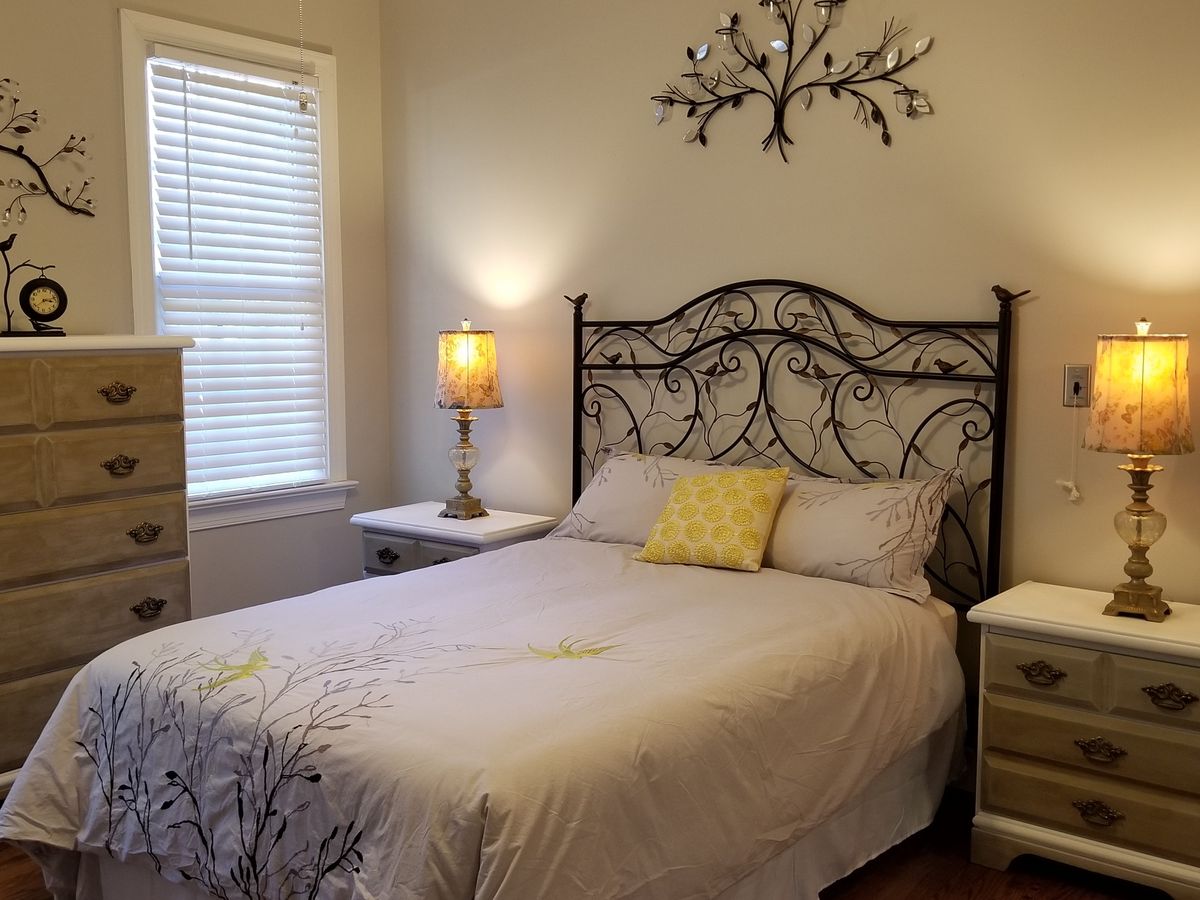
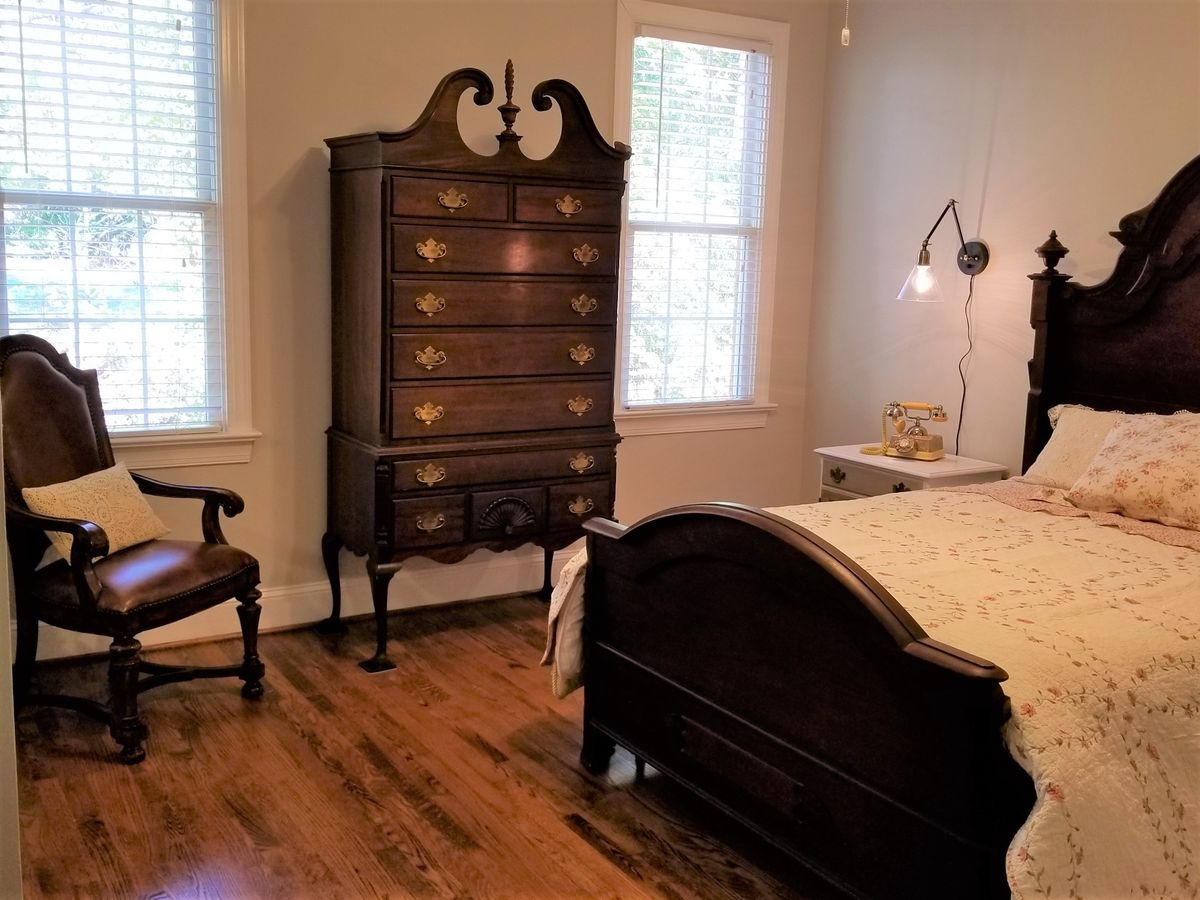
 Fully furnished
 Garden
 Housekeeping services
 Located close to restaurants
 Located close to shopping centers
 Move-in coordination
 Outdoor patio
 Outdoor space
 Small library
 Telephone
 Wi-Fi/high-speed internet available
 Raleigh-Durham International (17 miles away)
 Transportation arrangement
 24-hour call system
 Activities of daily living assistance
 Assistance with bathing
 Assistance with dressing
 Assistance with transfers
 Diabetes diet
 Meal preparation and service
 Medication management
 Mild cognitive impairment
 Special dietary restrictions
 Concierge services
 Planned day trips


 Comprehensive Insights into Activities of Daily Living (ADLs) and Their Assessment
 Guiding Elderly Parents Who Refuse Assisted Living: 6 Practical Steps
 Your Comprehensive Guide to Luxury Assisted Living: Elevated Facilities, Amenities, and Costs