

105 Gossman Drive, Southern Pines, NC 28387
For more information about senior living options: (866) 208-4318
Overall Review of The Coventry
Pros
 The mother receives spectacular care from a team of three to four Coventry staff.
Cons
 The administration of Trinity HealthCare is disrespectful and uncommunicative.
- Upper-level administrators are virtually impossible to reach, and when contacted, they provide lip service with no follow-through.
- The mother was left in her room on the second floor with no staff, a broken elevator, and locked access to stairs.
- There was no way to reach anyone at Coventry or BelleMeade, forcing the reviewer to call the Southern Pines fire department, which demanded that staff be available at all times.
- Despite paying over $4,000 per month, the mother does not receive the standard of care, specifically help getting dressed in the morning.
- A third-party company paid by the mother operates on Trinity’s campus, suggesting a potential conflict of interest.
- A long in-house complaint form through Trinity HealthCare was rejected due to a supposed email address problem, thwarting communication.
Review
The Coventry in Southern Pines is best suited for families seeking intimate, hands-on daily care for a senior who needs constant attention from a small, dedicated caregiving team. In practice, relief comes from knowing a resident can rely on three to four caregivers who are consistently involved in routines such as dressing, bathing, and ordinary mobilization. This is a setting where bedside responsiveness matters more than glossy marketing, and where the care team’s day-to-day presence can feel highly reassuring. Buyers should understand that the facility sits inside a larger continuing-care campus with an ownership structure that colors communication and access to administrators.
What makes the case compelling is the evident one-to-one feel delivered by frontline staff. The strongest takeaway is that the caregiving staff can deliver spectacular, attentive care on a personal level. When the focus is on direct interaction with residents, staff who know preferences, habits, and morning routines, the benefits are tangible. Families facing urgent or complex caregiving needs may find value in the consistency and familiarity of the on-the-floor team. That said, the value hinges on reliable administrative support and the ability to keep upper management accountable, which is not consistently present here.
However, the most disquieting factors are not the daily bedside hours but the governance and safety gaps that shadow the experience. Communication with upper levels of the parent company is described as disrespectful and uncommunicative, with repeated difficulties reaching administrators and a pattern of lip service without follow-through. Even more troubling are safety lapses cited by concerned families: a resident left alone on a second floor with a broken elevator and locked stairs, and alarms raised only after outside authorities intervened. These incidents reveal a vulnerability in systems meant to protect residents who depend on timely staff presence and safe, accessible routes.
Cost and care alignment further complicate the decision. Families report paying over $4,000 per month while perceiving that the standard of care is not met in routine areas such as morning dressing assistance. The reliance on a third-party company to fill gaps, an arrangement not uncommon in such settings, sits uneasily when that provider’s offices are housed within the Trinity campus. The financial implication is clear: high ongoing expenses do not guarantee comprehensive, consistently delivered care, and the lack of straightforward, transparent governance intensifies the sense of paying a premium for a service that does not consistently meet expectations.
The Coventry’s integration within St. Joseph of the Pines Continuing Care Retirement Community adds another layer to the decision. Prospective residents are told they must be part of a buy-in system for independent living, accompanied by substantial upfront costs and a restricted entry path. This raises a practical question: for families seeking flexibility, affordability, or a straightforward admission process, alternatives within the same region will often be more attractive. The current setup rewards those prepared to navigate a complex ownership framework and who are comfortable with a campus-wide ecosystem that can constrain resident mobility between levels of care.
Ultimately, the Coventry presents a cautious, mixed verdict. It excels in delivering hands-on, compassionate bedside care from a loyal, skilled frontline team, which can be a lifeline for residents with high daily support needs. Yet that strength is undermined by opaque, unresponsive management, safety risks that demand urgent improvements, and a cost-to-value dynamic that leaves families asking for clearer accountability and predictable service. For families who prize direct care and can tolerate institutional friction at the executive level, this community can still be a viable option, provided stringent expectations are set, questions are answered in writing, and a concrete plan emerges for rapid escalation when safety or service gaps appear. For those prioritizing transparent governance, reliable top-level communication, flexible admission options, and strong safety protocols, alternatives within the region deserve serious consideration.
 60 resident community capacity
 Assisted Living
 Activities on-site
 Air-conditioning
 Beauty salon
 Cable or satellite TV
 Computer center
 Devotional services off-site
 Dining room
 Fitness room
 Fully furnished
 Gaming room
 Garden
 Housekeeping services
 Indoor common areas
 Kitchenette
 Move-in coordination
 Outdoor space
 Private bathrooms
 Restaurant-style dining
 Small library
 Telephone
 Wellness center
 Wi-Fi/high-speed internet available
 Community operated transportation
 12-16 hour nursing
 24-hour call system
 Ambulatory care
 Assistance with bathing
 Assistance with dressing
 Assistance with transfers
 Diabetes diet
 Diabetic care
 Medication management
 Mental wellness program
 Special dietary restrictions
 Concierge services
 Planned day trips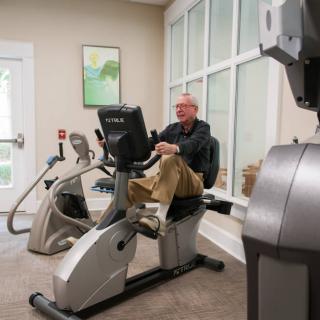






 Securing Financial Support for Assisted Living: A Comprehensive Overview
 Social Security Benefits and Assisted Living: Navigating Options Across the U.S.
 An Extensive Exploration of the VA Aid and Attendance Benefit