
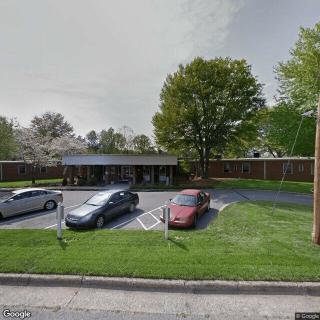
309 Wilson Street, Shelby, NC 28150
For more information about senior living options: (866) 208-4318
Overall Review of Leans' 3 Family Care Home
Pros
 All Care Links, Inc. is wonderful; their staff are responsive, caring, and easy to reach.
- The CNAs and Home Health Aides provide excellent care; they’re kind, professional, and truly go above and beyond for their clients.
- The homecare service is excellent and provides the utmost care to clients.
- The business is wonderful and brings great service to the community.
- The staff are very welcoming and the caretakers are lovely.
Review
Leans' 3 Family Care Home in Shelby, NC is best suited for families seeking an intimate, home-like care setting for an elder who needs steady daily support more than hospital-grade medical management. The small, three-resident footprint creates a highly personal, predictable environment where caregivers become familiar faces and routines are consistently followed. The standout driver is the staff, the reviews paint a clear picture of responsive, easy-to-reach caregivers who treat residents with warmth and professionalism. For residents who flourish with one-on-one attention, a predictable day, and the reassurance of a tight-knit care team, this setting delivers notably strong outcomes in emotional comfort and day-to-day safety.
Not every family will want to lean on this model, and certain care needs point toward alternatives. Those whose loved one requires around-the-clock skilled nursing, complex medical management, or specialized memory care programs may be better served by larger assisted living communities or dedicated memory care facilities with on-site physicians and med-tech coverage. If a resident needs a richer menu of social activities, extensive on-site amenities, or more structured clinical oversight, a bigger operation with formal programming could be preferable. Families prioritizing a strong sense of home and caregiver continuity should recognize that this setting trades some scale for personalized attention and speedier staff responsiveness.
The core advantages here are powerful and straightforward: highly responsive, caring staff who are easy to reach; CNAs and Home Health Aides who are described as kind, professional, and willing to go above and beyond; and a warmth that translates into tangible improvements in residents’ wellbeing. These strengths help offset potential gaps that come with a small, home-based model, namely, limited medical staffing and fewer on-site amenities, by ensuring daily life runs smoothly, caregivers know residents’ preferences, and concerns are addressed promptly. In practical terms, families gain peace of mind from consistent caregivers, quick problem-solving, and a setting where the resident rarely feels like just another case. That kind of sustained attention can be the difference between a resident who settles in comfortably and one who struggles with frequent caregiver turnover.
The alignment between these strengths and real-world needs is clear. A resident who values dignity, steady supervision, and easy access to support will likely experience fewer disruptions in routine and less anxiety about care gaps. Families benefit from transparent, regular communication because caregivers are readily available and relationships with the care team can deepen over time. The home-like atmosphere often translates into calmer mornings, fewer misleading or chaotic moments, and a greater sense of belonging for the resident. In short, the practical impact of these pros is measured in reliability, emotional steadiness, and daily ease for both resident and family.
However, attention should be given to what isn’t detailed in the available information. There is little explicit information about round-the-clock nursing coverage, emergency medical protocols, or the availability of specialized memory care services. Prospective families should ask targeted questions: What is the caregiver-to-resident ratio on each shift? Who supervises medical needs, and how quickly can a nurse be on site if medical issues arise? How are medications managed and who handles changes in medical status? What memory care or cognitive support options exist, if needed? Clarifying these points will help determine if the small, home-based model matches longer-term medical needs or if a transition to a larger facility becomes necessary later on.
In the end, this community stands out for families prioritizing intimate, high-touch care delivered with warmth and reliability. It suits seniors who mostly need assistance with activities of daily living, companionship, and a sense of being known by the care team. For those whose loved one will require extensive on-site medical oversight, or who crave a broader social program and more formal amenities, alternatives deserve serious consideration. The prudent path is to visit, meet the caregivers, observe how interactions unfold, and press for specifics on medical coverage, emergency procedures, and care planning. When alignment exists between resident needs and the proven strengths of responsive, compassionate staff, Leans' 3 Family Care Home becomes a clear, practical choice.
 5 resident community capacity
 Assisted Living
 Board and Care Home
 Cable or satellite TV
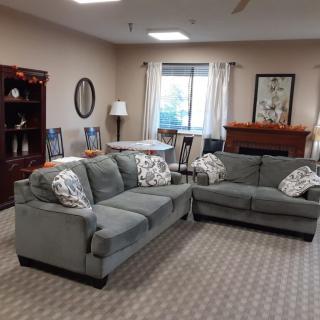
 Dining room
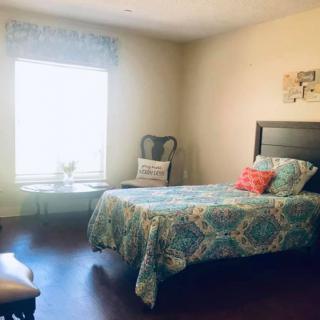
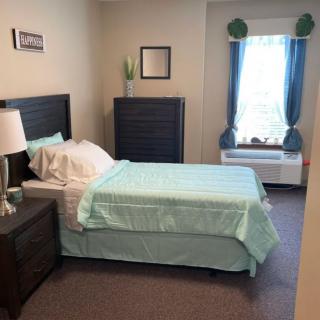
 Fully furnished
 Garden
 Housekeeping services
 Move-in coordination
 Outdoor space
 Telephone
 Wi-Fi/high-speed internet available
 24-hour supervision
 Activities of daily living assistance
 Assistance with bathing
 Assistance with dressing
 Assistance with transfers
 Diabetes diet
 Meal preparation and service
 Medication management
 Special dietary restrictions
 Transportation arrangement (medical)
 Transportation to doctors appointments




 Assisted Living and Memory Care: Understanding Their Core Differences
 Beyond the Bingo Hall: 50+ Enriching Activities for Seniors in Assisted Living
 Understanding the Distinctions: Assisted Living and Memory Care Explained