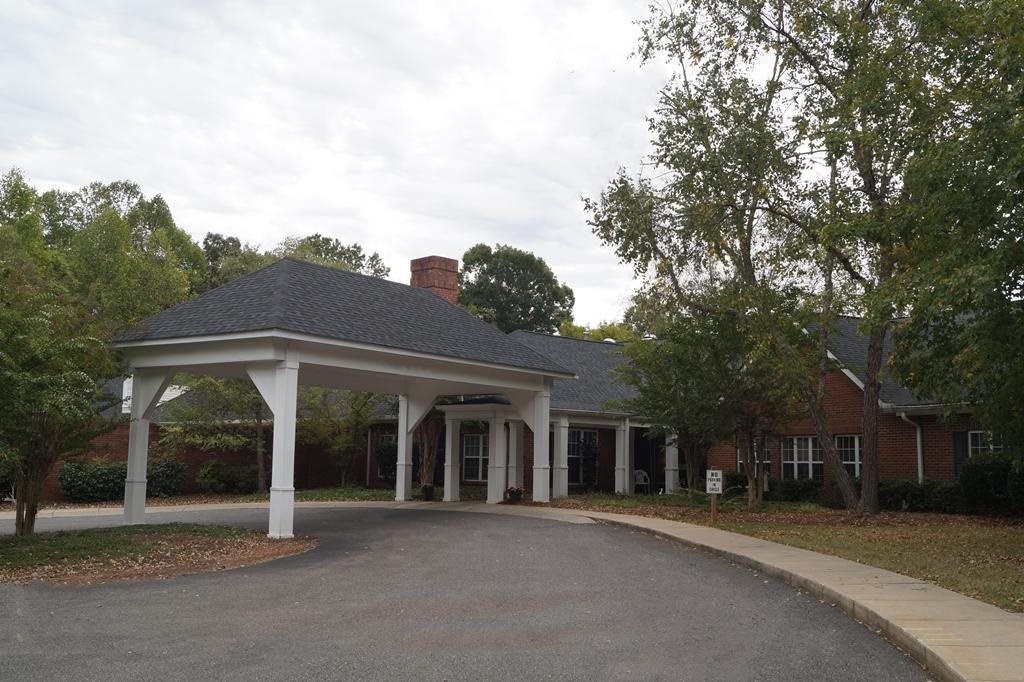
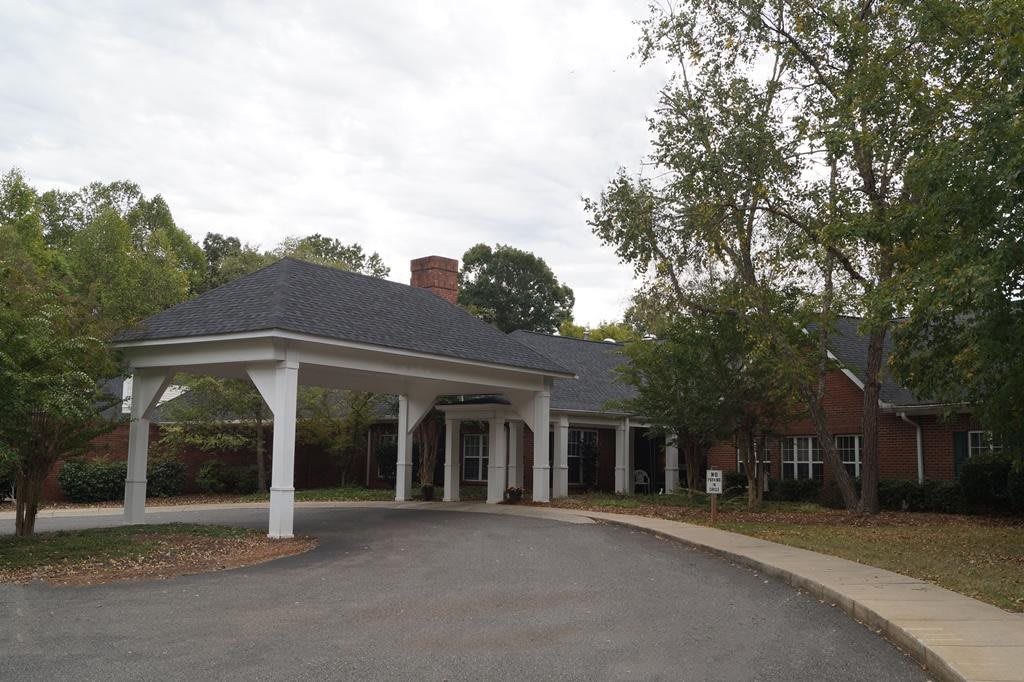
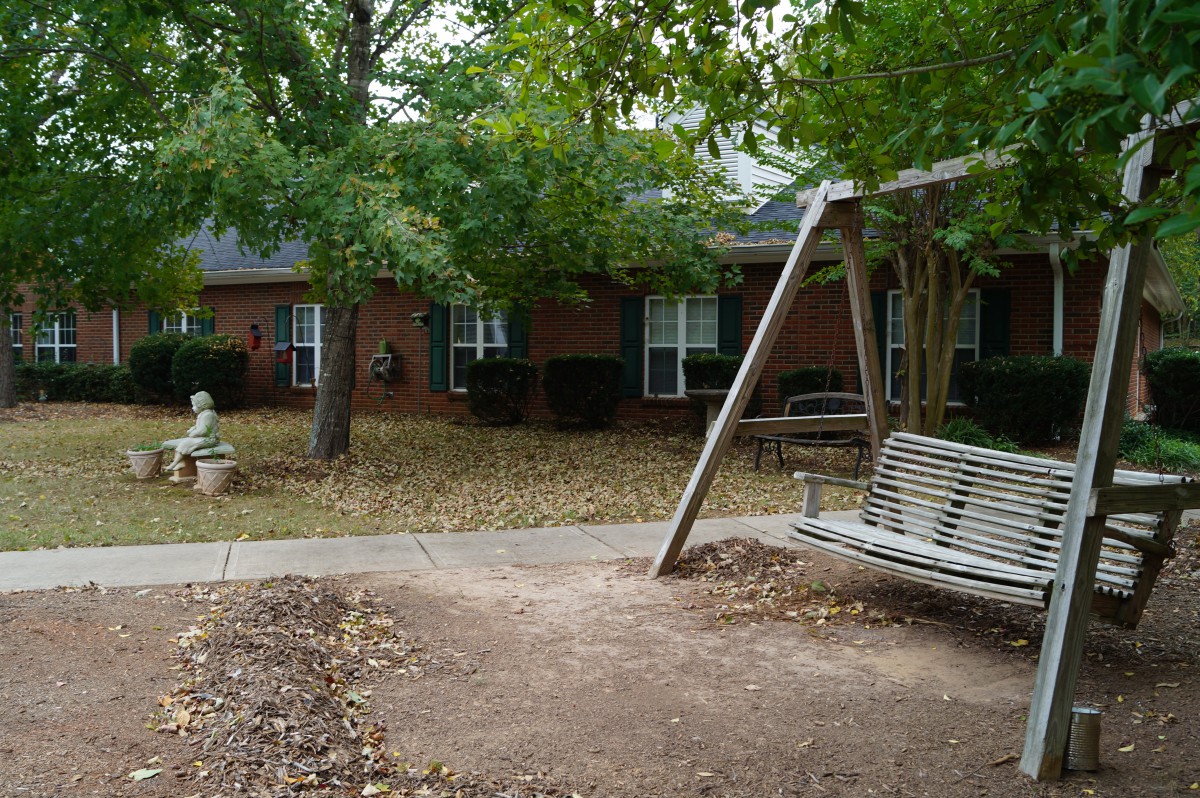
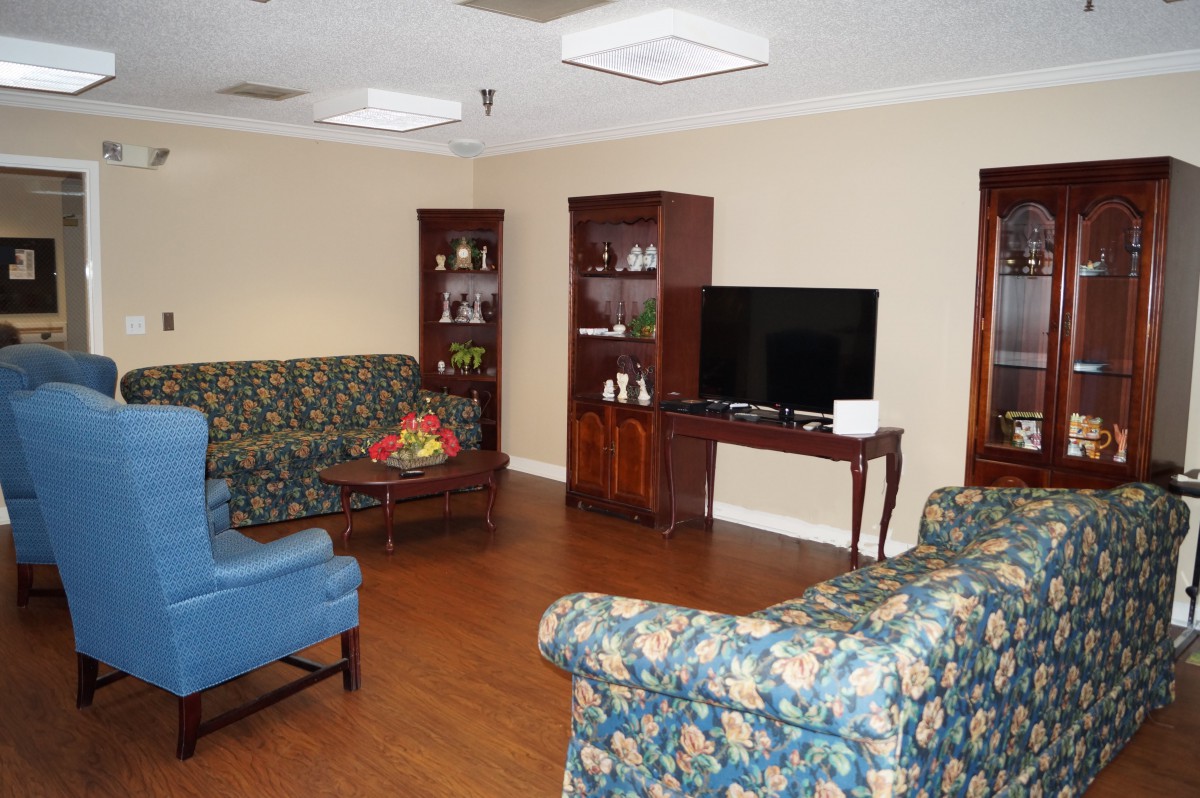
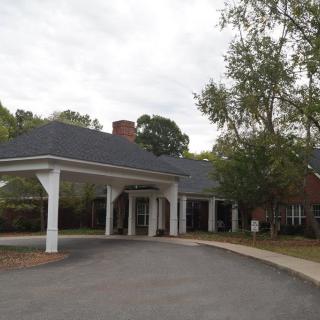
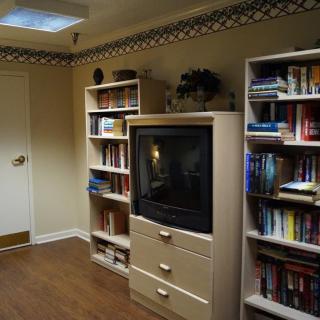
950 Hardin Drive, Shelby, NC 28150
For more information about senior living options: (866) 208-4318
Cleveland House Costs & Pricing
Cleveland House offers competitive pricing for its residents, particularly when compared to the broader market in Rutherford County and throughout North Carolina. For a semi-private room at Cleveland House, the monthly cost is $2,400, which is notably lower than the county average of $2,710 and significantly more affordable than the state average of $3,584. Similarly, for a one-bedroom unit, Cleveland House charges $2,600, again undercutting both Rutherford County's rate of $3,220 and North Carolina's average of $4,055. This pricing structure positions Cleveland House as an attractive option for those seeking quality care without the burden of excessive costs.
| Floor plans | Cleveland House | Rutherford County | North Carolina |
|---|---|---|---|
| Semi-Private | $2,400 | $2,710 | $3,584 |
| 1 Bedroom | $2,600 | $3,220 | $4,055 |
Assisted Living communities with a similar price nearby
-
from -$300 / mo

Carolina Care Retirement Community
$2,100 to $5,350 / month9.5 miles away -
from +$200 / mo
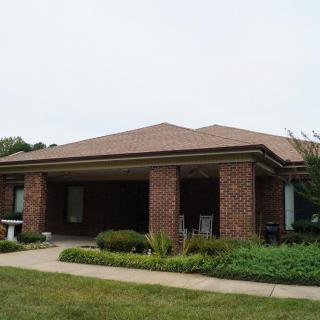
Country Time Inn
$2,600 to $3,000 / month14.0 miles away -
from +$100 / mo
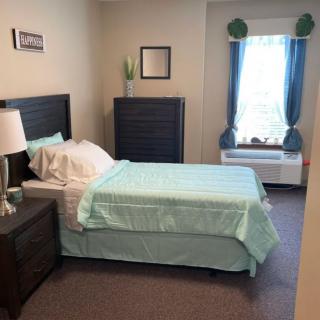
Somerset Court of Cherryville
$2,500 / month9.2 miles away -
About the same
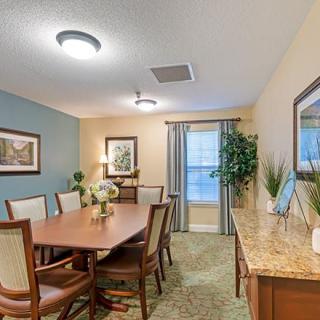
Brookdale Robinwood
$2,365 to $5,768 / month21.4 miles away -
About the same
Shelby Manor
$2,425 to $3,000 / month0.7 miles away
Overall Review of Cleveland House
Pros
 The leader Stephanie is one of the best people and the community is very lucky to have her.
- The staff treat the residents like family.
- Stephanie is the ED at this assisted living and she is absolutely amazing, hard working and cares about her staff and residents.
- The director is very friendly and hospitable; the entire staff is very good.
- Most of the residents there are friendly.
- The place is nice and clean, and they treat the residents with respect.
Cons
 The facility is smelly, dirty, buggy, and gross.
- The rooms and mattresses are never cleaned.
- Poop is on the beds and the floors are sticky; it smells like rotten bologna.
- The rooms are very hot, and fresh air is not available because windows are not opened.
- The staff are cranky and unhelpful about billing and obtaining mental health evaluations.
- The facility is unkept: beds unmade, crumbs on the floor, and major cleaning and painting are needed; hallways smell rotten bologna.
- Some residents are not bathed or fed, and overall care and hygiene are neglected.
- They would not recommend placing a loved one there.
Review
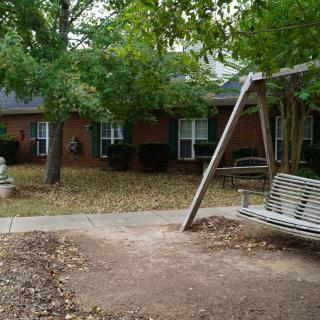
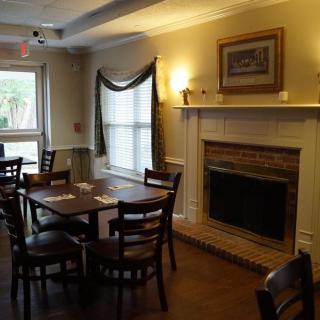
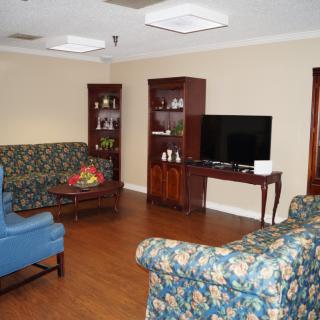
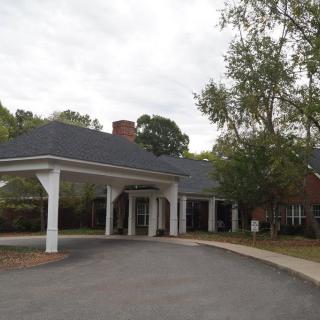
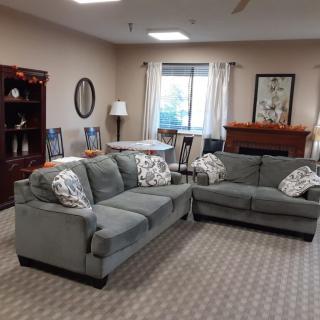
Cleveland House in Shelby, North Carolina is best suited for families seeking a small, home‑like assisted living where residents are cared for with warmth, meals are reliable, and the day‑to‑day rhythm centers on social activity and neighborly support. The strongest appeal lies in the staff culture and management approach: caregivers who treat residents with respect, and an executive leadership team that residents and families repeatedly note as accessible and genuinely invested. For seniors who value companionship, predictable routines, and a sense of belonging, this community can feel like a comfortable, low‑stress option. It is less appropriate for those who insist on clinical acuity, highly regimented medical oversight, or pristine, showroom cleanliness at every turn.
Those who may want to consider alternatives are seniors who require rigorous cleanliness standards, consistent housekeeping, and watertight safety practices. If spotless rooms, odor-free hallways, and uniform, everywhere-available trained staff are nonnegotiables, there may be better fits. Families needing 24/7 nursing coverage, strict fall prevention protocols, or tightly controlled transport with qualified medical personnel should look for communities with stronger medical staffing and formal safety programs. The perception of understaffing and variability in responsiveness also pushes caution for residents with higher medical needs or those who require very consistent oversight.
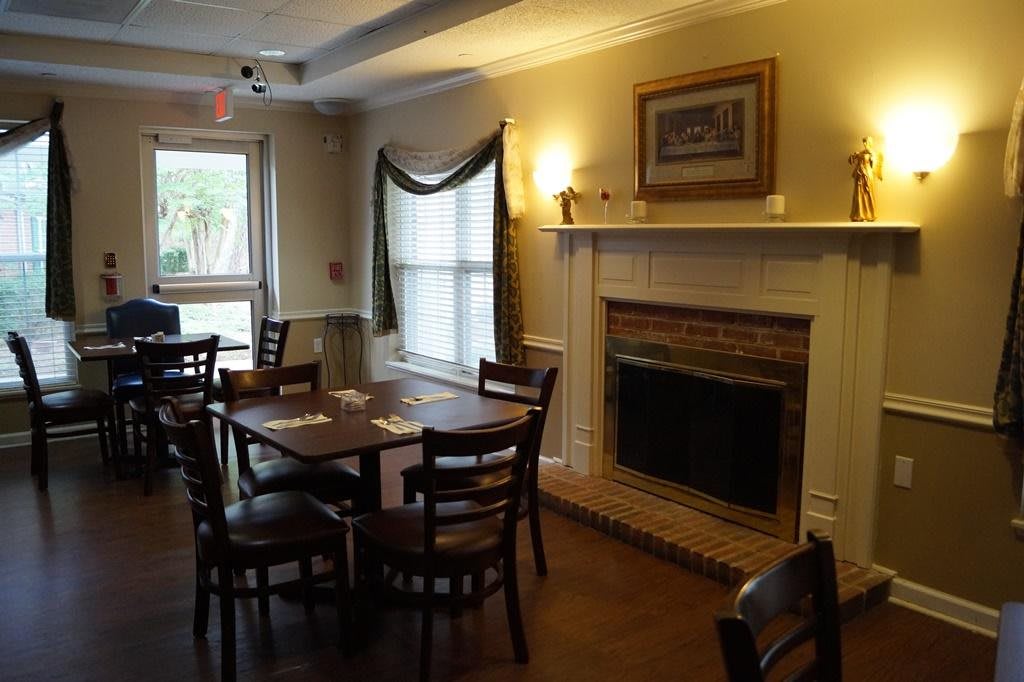
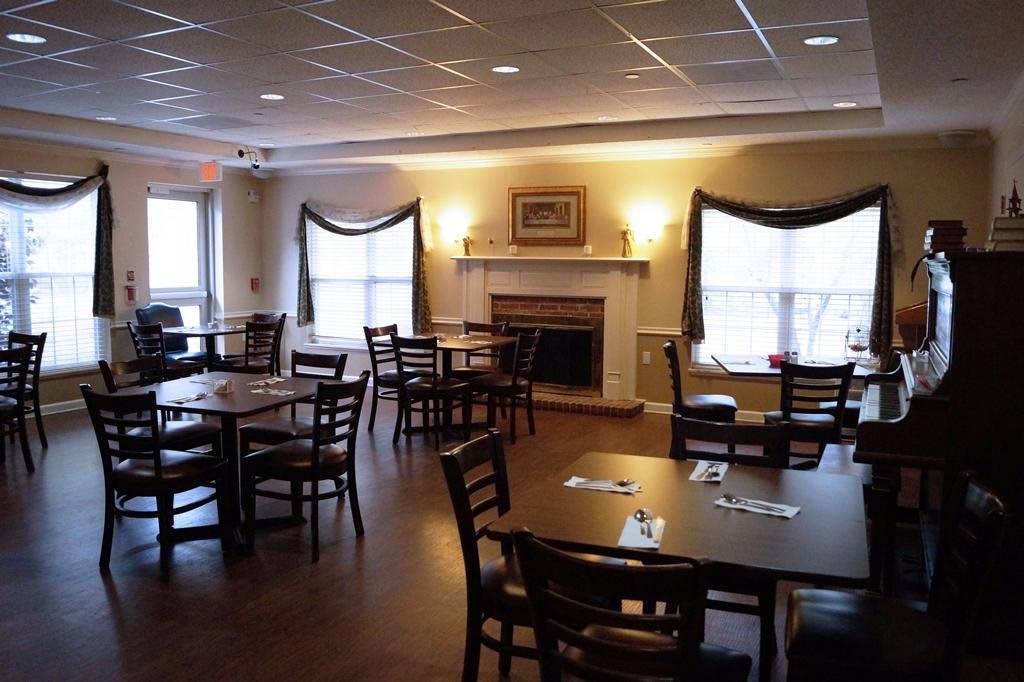
On the upside, the community earns points for warmth and social life. Several reviews praise friendly, welcoming staff, residents who mingle and participate, good meals, and a sense that management tries to be present. When the leadership is described as caring, approachable, and actively involved, it translates into a feeling of family that many families find reassuring. Those positives help offset the routine discomforts of aging in a shared building, turning daily life into a manageable, even pleasant routine for many residents who simply want companionship and a place to belong. Yet these strengths do not erase the core concerns that appear repeatedly in the record.
Maintenance and cleanliness emerge as the defining deal-breakers in a sizable portion of feedback. Reports of dirty rooms, dirty mattresses, sticky floors, and strong odors paint a stark contrast to the pleasant moments in the dining room and activity calendar. Some reviewers describe rooms not being kept up and cooling or heating problems that affect comfort. Safety is implicated too: concerns about staff training, particularly around transport and emergency readiness, and inconsistent engagement from second‑shift staff. A pattern of under‑staffing and reliance on less‑trained personnel raises legitimate questions for families monitoring fall risk, hygiene, and daily oversight.
Even with those red flags, the food quality and daily activities receive favorable mentions, and several families credit the community with creating a lively, supportive atmosphere. When the right people are at the helm and staff genuinely care, residents can thrive socially and maintain a positive outlook, which matters as much as room cleanliness in many elder‑care choices. The best‑case picture shows a staff‑led environment where residents feel seen, meals are enjoyable, and planned activities bring structure and camaraderie to each day. The flip side is a reality of fluctuating staffing levels and inconsistent upkeep that can disrupt what otherwise looks like a strong social fabric.
In guiding a decision, the core question becomes whether peace of mind around cleanliness, safety, and consistent care can coexist with a homey, people‑oriented culture. Cleveland House delivers a hard‑fought sense of community, approachable leadership, and solid meals, advantages that matter for everyday living. However, the repeated cleanliness issues, concerns about staffing consistency, and the safety implications of transport and supervision argue for a careful, measured visit schedule: inspect multiple shifts, request recent cleanliness and maintenance records, and speak directly with residents about daily routines. If cleanliness and dependable, fully staffed safety protocols are non‑negotiable, alternatives should be pursued; if a warm, social environment with an engaged leadership team aligns with the loved one’s personality, this community warrants thorough due diligence rather than immediate dismissal.
 72 resident community capacity
 Assisted Living
 Activities off-site
 Air-conditioning
 Bath tubs
 Beautician on-site
 Cable or satellite TV
 Computer center
 Devotional services off-site
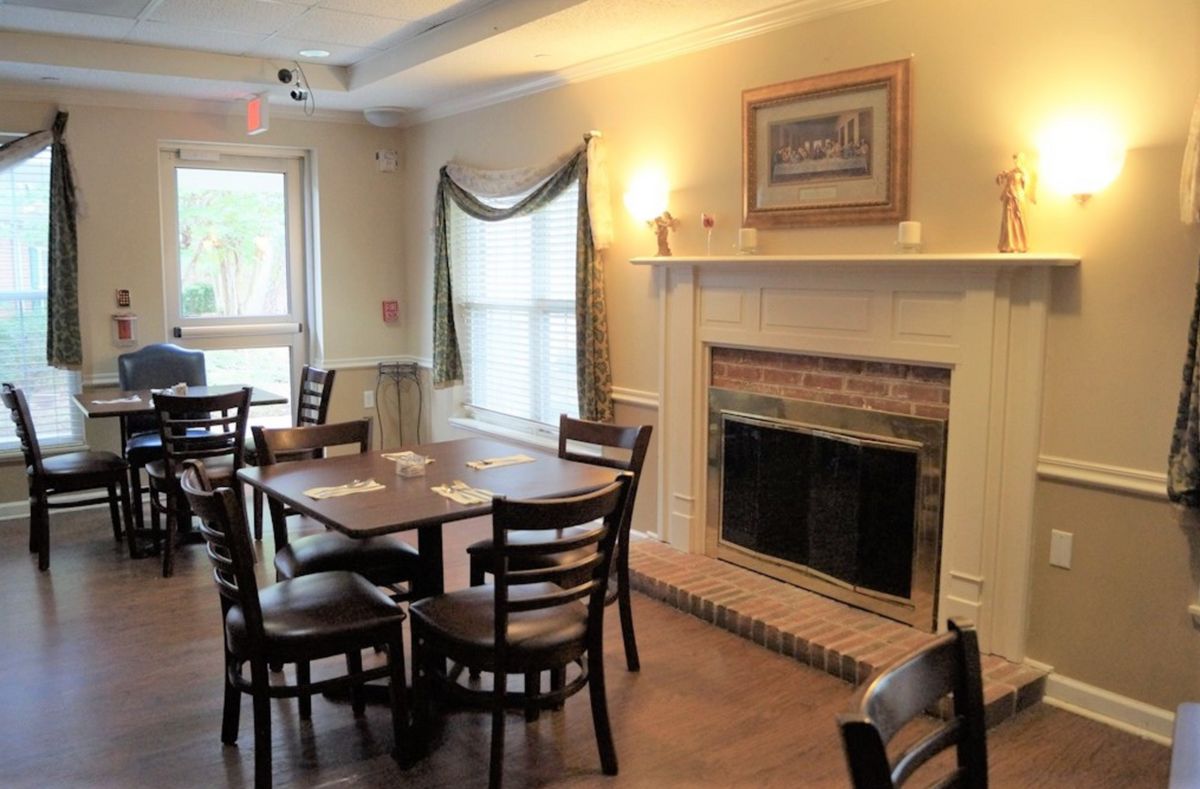
 Dining room
 Fitness room
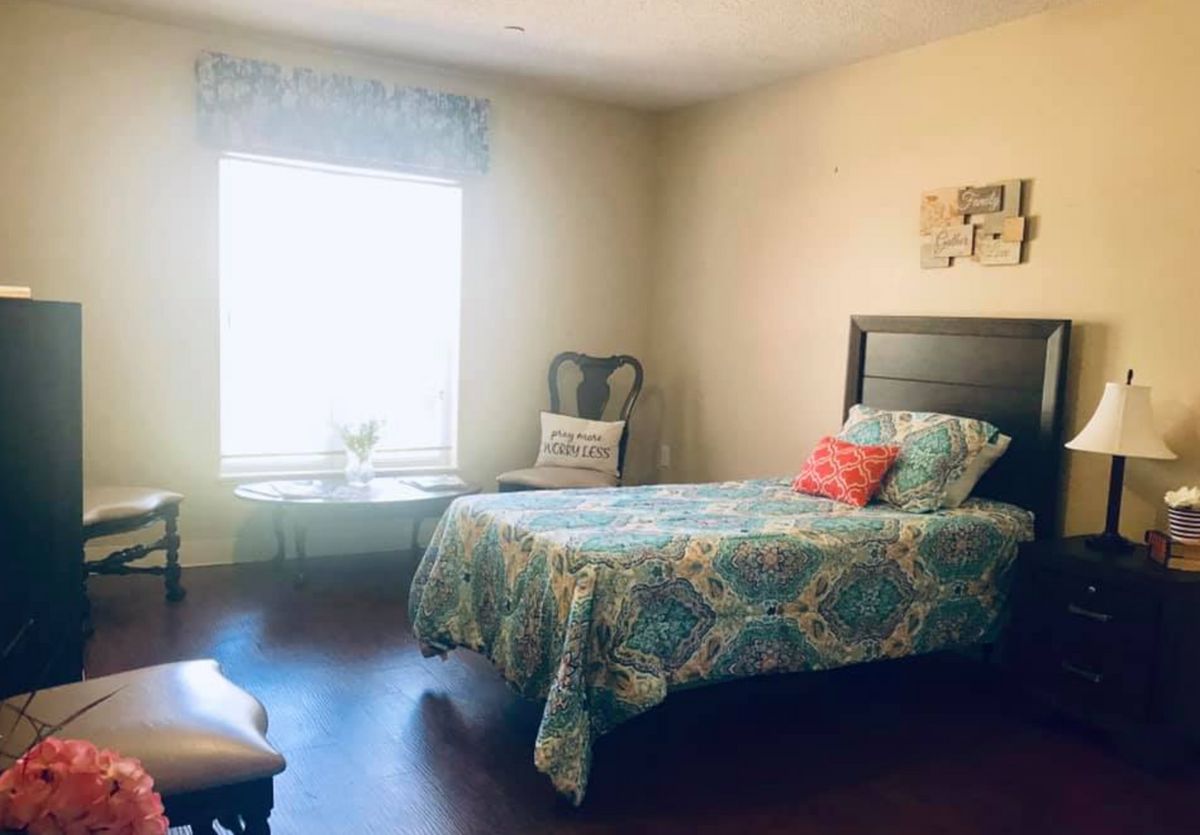
 Fully furnished
 Gaming room
 Garden
 Ground floor units
 Handicap accessible
 Housekeeping services
 Indoor common areas
 Kitchenette
 Move-in coordination
 Outdoor common areas
 Private bathrooms
 Respite or short term stays offered
 Restaurant-style dining
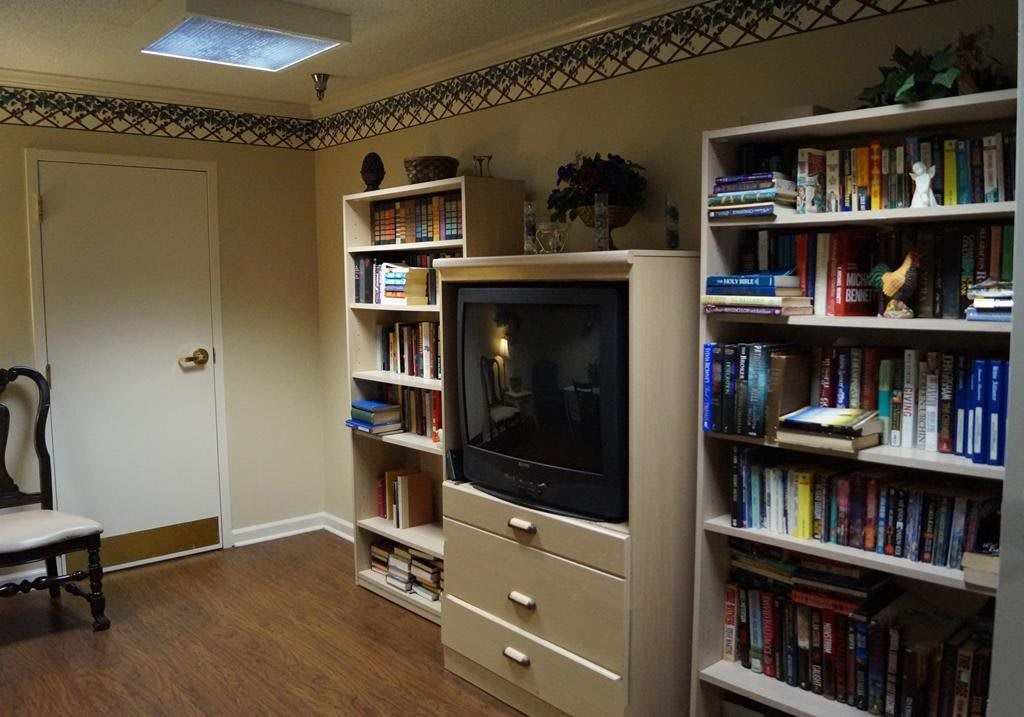
 Small library
 Telephone
 Wellness center
 Wheelchair accessible showers
 Wi-Fi/high-speed internet available
 Community operated transportation
 12-16 hour nursing
 24-hour call system
 Ambulatory care
 Assistance with bathing
 Assistance with dressing
 Assistance with transfers
 Diabetes diet
 Diabetic care
 Incontinence care
 Medication management
 Mental wellness program
 Special dietary restrictions
 Art classes
 Brain fitness
 Concierge services
 Day trips and outings
 Live dance or theater performances
 Live musical performances
 Protestant services



 Assisted Living Support for Veterans: A Complete and Detailed Overview
 Exploring the Contrasts Between Assisted Living and Skilled Nursing
 8 Key Indicators That Suggest It May Be Time to Transition from Assisted Living to Skilled Nursing Care