Impact Family Care Home in Sanford, NC

211 Red Holly Drive, Sanford, NC 27330

For more information about senior living options: (844) 490-3973

4.6 from 20 reviews
5 stars
18
4 stars
0
3 stars
0
2 stars
0
1 stars
2

Assisted Living Board and Care Home

Impact Family Care Home Costs & Pricing

At Impact Family Care Home, the cost for a semi-private room is set at $1,800 per month, which presents a notable affordability advantage compared to both Moore County and the broader state of North Carolina. In Moore County, the average monthly cost for similar accommodations rises to $3,259, while statewide figures indicate an even higher average of $3,584. This significant difference highlights Impact Family Care Home as a competitive option for individuals seeking quality care without the financial strain often associated with other facilities in the region.

Floor plansImpact Family Care HomeMoore CountyNorth Carolina
Semi-Private$1,800$3,259$3,584

Overall Review of Impact Family Care Home

Pros

  • pro Liberty Home Care delivers excellent, compassionate care.
  • pro Ebony, Lindsay, and Angela are highly regarded for their outstanding service.
  • pro The care team is skilled, professional, and genuinely caring, helping patients get stronger.
  • pro Charmaine is an outstanding therapist - knowledgeable, patient, and encouraging.
  • pro The nursing team, social worker, and aides are kind, helpful, and consistently available to address issues.
  • pro Adessa, Lorena, and Kristina are wonderful caregivers described as angels on Earth.
  • pro Liberty HomeCare & Hospice is a beacon of support, providing dignity and comfort to families during end-of-life transitions.

Cons

  • pro They did not have any activities for the residents while my mother was there.
  • pro They did not have hot water in the sink in the communal bathroom.
  • pro They did not follow the posted menu.
  • pro The smoke detector was beeping for a low battery alert every time the reviewer was there.
  • pro They believed the staff had been changed after the mother left.
  • pro They hire the young, inexperienced therapists fresh out of school to cut costs.

Review

Impact Family Care Home is best suited for families seeking a small, home-like setting where a stable, hands-on caregiving team builds real relationships with residents and their families. The strongest signal from the gathered experiences is the caliber of frontline staff - CNAs, nurses, and therapists - who bring skill, professionalism, and genuine compassion to daily care. Residents benefit from focused rehabilitation support, with physical and occupational therapy delivered by seasoned clinicians who guide recovery and mobility with clear instruction and encouragement. For seniors needing a steady level of daily assistance, post-acute recovery help, or end-of-life care delivered in a warm, familiar environment, this model aligns with the priority of trusted, person-centered care.

That said, families should consider alternatives if certain needs loom large. A few reviews point to gaps in activities and structured social programming, alongside maintenance and reliability questions about basic facility operations. If a resident requires a robust calendar of on-site activities, highly predictable daily routines, or a facility with fewer maintenance hiccups and more consistent operational systems, exploring other options may be prudent. In short, this community tends to excel in caregiving presence and clinical support, but some families may require stronger emphasis on programming, ambiance, and infrastructure to match specific expectations.

The key advantages - exceptional caregiver responsiveness, skilled therapy teams, and open lines of family communication - tend to offset many potential downsides. The compassion and professionalism of staff translate into meaningful progress in rehab efforts and in comfort during difficult transitions. Families repeatedly report feeling informed, supported, and reassured by the care team, which directly reduces stress during health setbacks, hospital-to-home pivots, or hospice phases. When these relational strengths are paired with thoughtful, patient-centered care planning, the overall experience remains compelling for residents who value personal attention over a more impersonal, hospital-like setting.

However, the stronger pros do not erase all concerns. Occasional notes about activity gaps, maintenance issues, and occasional staffing changes remind prospective families to verify consistency and reliability. Questions to ask include: how activity programming is structured and funded, how often maintenance items are addressed, and what contingency plans exist for staffing shortages. These details matter because even superb clinical care can be undermined by a dated atmosphere or slow response to everyday livability concerns. The prudent choice weighs the proven clinical depth against the likelihood of persistent, non-clinical annoyances.

For families weighing this option, practical due diligence should center on five levers. First, confirm the staff-to-resident ratio and the availability of 24/7 nursing oversight if needed. Second, review a current activity calendar and ask for sample daily schedules to gauge social engagement and stimulation. Third, request maintenance records and a recent safety audit to assess the reliability of essential systems. Fourth, scrutinize care planning processes and how families are updated on changes in condition or shifts in treatment goals. Fifth, validate the integration of specialty services - physical therapy, occupational therapy, and, if relevant, hospice support - with a clear coordinator who keeps families informed.

The bottom line is clear: Impact Family Care Home stands out for families prioritizing compassionate, competent caregiving and hands-on therapy support in an intimate setting. The strongest, most consistent praise centers on staff integrity, clinical capability, and frank, supportive communication with families. Those benefits markedly offset typical care-agnostic concerns for many residents. Yet for households where daily activity programming, pristine maintenance, and unwavering infrastructure parity are non-negotiables, it pays to compare alternatives. The right choice hinges on aligning resident needs - mobility goals, social engagement preferences, and tolerance for minor operational gaps - with a care team that demonstrates steady, trustworthy execution in those areas.

Features

Housing

  • 6 resident community capacity 6 resident community capacity

Types of Care

  • Assisted Living Assisted LivingAssisted living facilities provide crucial support and care for seniors who may need help with daily tasks such as medication management, bathing, and meal preparation. These communities offer a safe and comfortable environment where seniors can maintain their independence while receiving the assistance they need to thrive in their golden years.
  • Board and Care Home Board and Care HomeBoard and care homes provide a smaller, more intimate setting for seniors who require assistance with daily tasks but do not need the level of care offered by a nursing home. They offer personalized care, meals, and social activities in a homelike environment, ensuring that seniors receive individualized attention and support in their golden years.

Amenities

  • Activities off-site Activities off-siteEngaging in off-site activities is crucial for seniors to maintain social connections, stay active, and stimulate their minds. It promotes overall well-being and helps combat feelings of isolation and loneliness.
  • Activities on-site Activities on-siteActivities on-site are important for seniors because they provide opportunities for socialization, mental stimulation, physical activity, and overall well-being. Engaging in activities can help seniors stay active, maintain their independence, and improve their quality of life.
  • Bath tubs Bath tubsBath tubs are important for seniors because they provide a safe and relaxing way to bathe, helping to prevent slips and falls while promoting independence and overall well-being.
  • Cable or satellite TV Cable or satellite TVCable or satellite TV is important for seniors because it provides entertainment, news, and companionship, helping to combat loneliness and boredom. It also offers a wide range of programming options tailored to different interests and preferences.
  • Dining room Dining roomDining rooms are important for seniors as they provide a space for socialization, connection, and nutritious meals. They offer opportunities for residents to bond over shared meals, foster a sense of community, and promote healthy eating habits. Dining rooms also ensure that seniors have access to well-balanced meals tailored to their dietary needs and preferences.
  • Fully furnished Fully furnishedFully furnished senior living communities are important for seniors because they provide convenience, comfort, and a hassle-free moving experience. Seniors can easily settle into their new living space without the stress of having to buy and move furniture. This allows them to focus on enjoying their new home and community.
  • Garden GardenGardens are important for seniors as they provide a peaceful and therapeutic environment for relaxation, physical activity, and socialization. Being in nature has been shown to reduce stress, improve mood, and promote overall well-being. Gardens also offer opportunities for seniors to engage in gardening activities, which can improve mobility, flexibility, and cognitive function. Additionally, gardens create a sense of community and connection with others who share a passion for plants and outdoor spaces.
  • Housekeeping services Housekeeping servicesHousekeeping services are important for seniors because they help maintain a clean and safe living environment, promote independence, and reduce the risk of accidents or illnesses. Additionally, having assistance with household chores can alleviate physical strain and allow seniors to focus on other aspects of their well-being.
  • Indoor common areas Indoor common areasIndoor common areas are crucial for seniors as they provide a space for socialization, recreation, and community engagement, promoting overall well-being and reducing feelings of isolation and loneliness.
  • Move-in coordination Move-in coordinationMove-in coordination is important for seniors because it helps ease the transition into their new living environment. It ensures that all logistics, such as packing, organizing movers, and setting up utilities are taken care of, allowing seniors to focus on settling in and adjusting to their new home. Having a smooth move-in process can alleviate stress and anxiety, making the transition smoother and more enjoyable for seniors.
  • Outdoor common areas Outdoor common areasOutdoor common areas are important for seniors as they provide a space for socialization, physical activity, and relaxation. Being outside in nature can improve mood and overall well-being, while also encouraging movement and engagement with others. These spaces can help combat feelings of isolation and promote a sense of community among residents.
  • Outdoor space Outdoor spaceOutdoor spaces are important for seniors as they provide opportunities for physical activity, social interaction, exposure to natural light and fresh air, and a sense of connection to nature. Having access to outdoor spaces can improve overall well-being and quality of life for older adults living in senior communities.
  • Private bathrooms Private bathroomsPrivate bathrooms are important for seniors in senior living communities because they provide independence, dignity, and comfort. Having a private bathroom allows seniors to maintain their personal hygiene routines without the need for assistance, promoting a sense of autonomy and privacy. Additionally, private bathrooms help prevent the spread of infections and provide a safe and clean environment for seniors to navigate safely.
  • Respite or short term stays offered Respite or short term stays offeredRespite or short term stays provide seniors with a temporary solution when their regular caregiver is unavailable, offering them the opportunity to receive additional care and support during times of need, while also giving caregivers a chance to rest and recharge.
  • Telephone TelephoneTelephones are important for seniors as they provide a lifeline for communication with loved ones, emergency services, and healthcare providers. They offer a sense of security and independence, enabling seniors to stay connected and access assistance when needed.
  • Wheelchair accessible showers Wheelchair accessible showersWheelchair accessible showers are crucial for seniors as they provide a safe and independent bathing option for those with mobility challenges. These showers help prevent falls and allow seniors to maintain their dignity and autonomy while ensuring they can bathe comfortably.
  • Wi-Fi/high-speed internet available Wi-Fi/high-speed internet availableWi-Fi/high-speed internet is important for seniors to stay connected with loved ones, access online resources, and participate in virtual activities to combat feelings of loneliness and isolation. It also allows them to easily manage healthcare needs, access entertainment, and engage in lifelong learning opportunities.

Care Services

  • 24-hour supervision 24-hour supervision24-hour supervision is important for seniors to ensure their safety, well-being, and access to immediate assistance in case of emergencies or health issues. This constant support provides peace of mind for both seniors and their loved ones, allowing them to age in place with dignity and security.
  • Activities of daily living assistance Activities of daily living assistanceActivities of daily living assistance are important for seniors because they provide essential support with tasks such as eating, bathing, dressing, and mobility. This assistance helps seniors maintain their independence, dignity, and overall quality of life as they age.
  • Ambulatory care Ambulatory care"Ambulatory care services provide essential medical support and treatment to seniors without requiring hospitalization, allowing them to maintain their independence and quality of life while managing chronic conditions or receiving routine medical care."
  • Assistance with bathing Assistance with bathingAssistance with bathing is crucial for seniors as it helps maintain personal hygiene, prevents infections, and ensures their overall well-being and comfort. It also provides a sense of dignity and independence for seniors who may struggle with this task on their own.
  • Assistance with dressing Assistance with dressingAssistance with dressing is important for seniors because it helps maintain their independence, promotes personal hygiene, prevents accidents and injuries, and improves overall quality of life. This service ensures that seniors can continue to dress comfortably and confidently, despite any physical limitations they may have.
  • Assistance with transfers Assistance with transfersAssistance with transfers is crucial for seniors as it helps prevent falls and injuries, maintains their independence, and ensures they can safely navigate their living environment. It also provides peace of mind for both seniors and their loved ones.
  • Coordination with health care providers Coordination with health care providersCoordination with health care providers is crucial for seniors to ensure proper medical care, medication management, and overall well-being. This collaboration helps prevent overlapping treatments, track progress more effectively, and provide comprehensive support tailored to individual needs.
  • Diabetes diet Diabetes dietA diabetes diet is crucial for seniors as it helps manage blood sugar levels, reduce risks of complications, and improve overall health and well-being. By following a balanced and nutritious diet tailored to their specific needs, seniors can better control their diabetes and enhance their quality of life.
  • Diabetic care Diabetic careDiabetic care is crucial for seniors as they are more susceptible to developing diabetes due to aging and other health conditions. Proper management of diabetes can help prevent complications such as heart disease, vision loss, and nerve damage, improving the overall quality of life for seniors in senior living communities.
  • High acuity care High acuity careHigh acuity care is important for seniors because it provides specialized medical attention and support for individuals with complex medical needs. This level of care ensures that seniors receive the appropriate treatment and assistance to maintain their health and quality of life as they age.
  • Incontinence care Incontinence careIncontinence care is essential for seniors to maintain their dignity, hygiene, and overall quality of life. By addressing incontinence issues promptly and effectively, seniors can enjoy a sense of independence and comfort in their daily activities.
  • Meal preparation and service Meal preparation and serviceMeal preparation and service are crucial for seniors as they may have limited mobility or energy to cook nutritious meals. Having access to healthy and convenient food options can ensure they are getting the proper nutrition needed to maintain their overall health and well-being.
  • Medication management Medication managementMedication management is crucial for seniors to ensure they are taking the right medications at the correct dosages and times. This helps prevent adverse drug interactions, reduces the risk of medication errors, and promotes overall health and well-being. Proactive management also allows for adjustments as needed based on changing health conditions or new prescriptions.
  • Special dietary restrictions Special dietary restrictionsSpecial dietary restrictions are important for seniors because age-related changes in metabolism and health conditions can make it difficult for their bodies to process certain foods. By following a diet tailored to their specific needs, seniors can maintain their overall health and well-being, manage chronic conditions, and reduce the risk of complications such as malnutrition or food interactions with medications.
  • Transportation arrangement (medical) Transportation arrangement (medical)Transportation arrangements for medical purposes are essential for seniors as they may have difficulty driving themselves to appointments or accessing public transportation. Having reliable and safe transportation options ensures that seniors can receive timely medical care and maintain their health and well-being.
  • Transportation to doctors appointments Transportation to doctors appointmentsTransportation to doctors' appointments is crucial for seniors as it ensures they have access to necessary medical care and support for their health needs. Without reliable transportation, seniors may struggle to attend important appointments, leading to potential delays in treatment and health complications. Providing transportation services helps seniors maintain their overall well-being and quality of life.

Dining

  • Diabetes diet Diabetes dietA diabetes diet is crucial for seniors as it helps manage blood sugar levels, reduce risks of complications, and improve overall health and well-being. By following a balanced and nutritious diet tailored to their specific needs, seniors can better control their diabetes and enhance their quality of life.
  • Kosher KosherKosher options are important for seniors because they adhere to dietary laws that are significant to many Jewish individuals, providing them with peace of mind and an opportunity to maintain their cultural traditions and beliefs while living in a senior living community.
  • Low / no sodium Low / no sodiumLow/no sodium options are important for seniors because excessive sodium intake can lead to high blood pressure, heart disease, and other health issues commonly experienced by older adults. By choosing low/no sodium foods, seniors can better manage their health and reduce their risk of developing these conditions.
  • Meals provided Meals provided"Meals provided" are crucial for seniors in assisted living communities as it ensures they have access to nutritious, balanced meals without the stress of meal planning and preparation. This can help promote overall health and well-being for seniors who may have limited mobility or cognitive abilities.
  • No Sugar No SugarNo sugar diets are important for seniors because they can help prevent or manage chronic conditions such as diabetes, heart disease, and obesity. Sugar can also contribute to cognitive decline and inflammation in the body, so reducing sugar intake can lead to overall improved health and well-being in older adults.
  • Restaurant style dining Restaurant style diningRestaurant style dining is important for seniors as it offers them a social and enjoyable dining experience, promotes healthy eating habits, and provides personalized menu options to cater to their dietary needs and preferences. This type of dining setting can enhance their overall quality of life and create a sense of community within the senior living facility.
  • Special dietary restrictions Special dietary restrictionsSpecial dietary restrictions are important for seniors because age-related changes in metabolism and health conditions can make it difficult for their bodies to process certain foods. By following a diet tailored to their specific needs, seniors can maintain their overall health and well-being, manage chronic conditions, and reduce the risk of complications such as malnutrition or food interactions with medications.
  • Vegetarian VegetarianA vegetarian diet is important for seniors because it can help lower the risk of chronic diseases, maintain a healthy weight, and provide essential nutrients needed for aging bodies. Additionally, plant-based diets are often easier on digestive systems and can contribute to overall well-being in older adults.

Activities

  • Activities off-site Activities off-siteEngaging in off-site activities is crucial for seniors to maintain social connections, stay active, and stimulate their minds. It promotes overall well-being and helps combat feelings of isolation and loneliness.
  • Activities on-site Activities on-siteActivities on-site are important for seniors because they provide opportunities for socialization, mental stimulation, physical activity, and overall well-being. Engaging in activities can help seniors stay active, maintain their independence, and improve their quality of life.
  • Community-sponsored activities Community-sponsored activitiesCommunity-sponsored activities are important for seniors as they provide opportunities for social interaction, mental stimulation, and physical activity. These activities can help improve overall well-being, combat loneliness and isolation, and promote a sense of belonging and purpose among older adults.
  • Day trips and outings Day trips and outingsDay trips and outings are important for seniors as they provide opportunities for socialization, mental stimulation, physical activity, and a break from daily routines. These experiences can enhance overall well-being and quality of life for older adults living in senior communities.
  • Other religious services Other religious servicesOther religious services are important for seniors as they provide a sense of community, spiritual comfort, and opportunities for socializing. These services can help seniors feel connected to their faith and maintain a sense of purpose and belonging in their later years.
  • Scheduled daily activities Scheduled daily activitiesScheduled daily activities are important for seniors because they provide structure, socialization, mental stimulation, and physical activity. Engaging in regular activities can improve overall well-being and quality of life for seniors living in a community setting.
  • Trivia games Trivia gamesTrivia games are important for seniors because they provide mental stimulation, social interaction, and a fun way to keep the mind sharp. They can help improve memory, cognitive function, and overall well-being in older adults.

Description

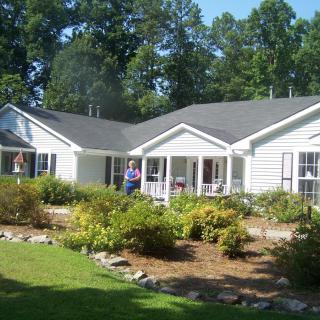
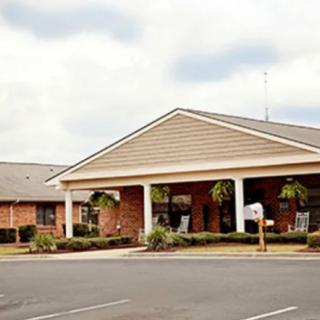
Impact Family Care Home is a warm and welcoming assisted living community located in Sanford, NC. Our board and care home offers a comfortable and homelike environment for seniors who require assistance with daily activities.

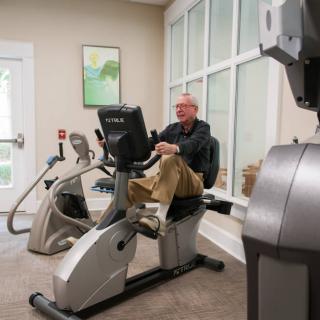
Residents at Impact Family Care Home can enjoy a variety of amenities designed to enhance their quality of life. Our on-site activities provide opportunities for socialization and engagement, while our spacious bath tubs offer relaxation and comfort. Each room is fully furnished, ensuring that residents feel at home during their stay. Our beautiful garden and outdoor common areas provide a serene setting to relax and enjoy the fresh air.

We take pride in providing excellent housekeeping services to ensure that our residents live in a clean and well-maintained environment. Additionally, our indoor common areas are inviting spaces for residents to gather and interact with one another. We also offer move-in coordination services to make the transition into our community as smooth as possible.

At Impact Family Care Home, we prioritize the well-being of our residents by offering a range of care services. Our dedicated staff provides assistance with activities of daily living, such as bathing, dressing, and transfers. We coordinate with health care providers to ensure that all medical needs are met. For those requiring specialized care, we offer high acuity care and diabetes management, including diabetic diets.

Nutrition is an essential aspect of senior wellness, which is why we offer tailored dining options to cater to specific dietary restrictions or preferences. Residents can enjoy kosher meals, low/no sodium options, no sugar dishes, vegetarian choices, or special dietary restrictions based on their needs. Our restaurant-style dining experience allows individuals to savor delicious meals while enjoying the company of others.

Engaging in meaningful activities is important for maintaining mental and emotional well-being. At Impact Family Care Home, we provide various scheduled daily activities on-site as well as community-sponsored events and day trips. Residents can participate in trivia games or attend other religious services if desired.

Transportation needs are also addressed with our convenient arrangement for medical appointments. We ensure that residents can easily access the healthcare services they require.

With our comprehensive care services, inviting amenities, and engaging activities, Impact Family Care Home is committed to providing a supportive and enriching assisted living community for seniors in Sanford, NC.

Nearby Places of Interest

Parks

  • Rock Ridge Park (11.3 miles)
  • Briar Commons (22.6 miles)
  • Reservoir Park (23 miles)

Restaurants

  • The Phoenix Bakery Market Cafe (14.2 miles)
  • The City Tap (14.3 miles)
  • Carolina Brewery & Grill (16 miles)
  • Mi Cancun (16.8 miles)
  • KFC (20.8 miles)
  • Bojangles' Famous Chicken 'n Biscuits (21.3 miles)
  • The Twisted Grape (22.1 miles)

Physicians

  • All Womens Health Care (14.3 miles)
  • Community Family Medicine (14.5 miles)
  • Central Carolina Orthopaedic Associates (14.5 miles)
  • Duke Primary Care of Galloway Ridge (20.6 miles)
  • Family Medicine and Acute Care of Sandhills (20.8 miles)
  • Pinehurst Cardiology Consultants (24.5 miles)
  • Frizzell Eric R MD Pinehurst Medical Clinic (24.6 miles)

Pharmacies

  • Walgreens (14.4 miles)
  • CVS Pharmacy (20.9 miles)
  • Anderson Creek Pharmacy (23.8 miles)

Cafes

  • Café Diem (14.7 miles)
  • Aromatic Roasters (14.9 miles)
  • Breakaway Cafe (22.5 miles)

Hospitals

  • Unc Chapel Hill (14.7 miles)

Places of Worship

  • Saint Peter the Rock (22.8 miles)
  • Connections (23.9 miles)

Theaters

  • AMC DINE-IN Holly Springs 9 (24.4 miles)

Frequently Asked Questions

How much does it cost to live at Impact Family Care Home in Sanford, NC?
Where is Impact Family Care Home?

Nearby Communities

  • Parkview Retirement Center

    Parkview Retirement Center

    Sanford, NC

     
    $4,850 / month

    pro Comprehensive amenities and care (private furnished rooms, private baths, restaurant-style dining, 24/7 supervision, medication management, and broad activity options).

  • Parkview Rest & Retirement

    Parkview Rest & Retirement

    Sanford, NC

     
    $2,320 to $3,820 / month

    pro Competitive pricing for AL/IL with diabetic care and meals.

  • Community Health Care

    Community Health Care

    Sanford, NC


    pro Inviting communal spaces with residential-style ambiance.

  • Oakhaven Home

    Oakhaven Home

    Sanford, NC


    pro Fully furnished apartments with 24/7 care and restaurant-style dining.

  • Royal Oaks Assisted Living

    Royal Oaks Assisted Living

    Sanford, NC

    3 from 1 review
    $2,800 to $5,550 / month

    pro Competitive pricing for shared and one-bedroom options with strong amenities.

  • Magnolia House Retirement Center

    Magnolia House Retirement Center

    Sanford, NC

    4 from 1 review
     

    pro Responsive staff with a quick admission process and ongoing renovations, plus an affordable monthly rate.

  • Bayberry Retirement Inn

    Bayberry Retirement Inn

    Sanford, NC

    4.8 from 19 reviews
    $2,310 / month

    pro Kind, attentive staff and a close-knit community with engaging activities.

  • Peak Resources - Pinelake

    Peak Resources - Pinelake

    Carthage, NC

    3.7 from 40 reviews
    $2,500 to $4,500 / month

    pro Caring staff and engaging activities.

  • Siler City Center

    Siler City Center

    Siler City, NC

    3.5 from 58 reviews
     

    pro Spacious, fully furnished rooms with dining, outdoor spaces and 24-hour supervision.

Related Resources

  • when to move from assisted living to nursing home8 Key Indicators That Suggest It May Be Time to Transition from Assisted Living to Skilled Nursing Care

    The transition from assisted living to skilled nursing care is often prompted by complex medical needs that assisted living cannot meet, with key indicators including frequent health declines, increased falls, severe memory issues, and caregiver burnout. Families should recognize these signs early to discuss options with healthcare providers and prepare for the emotional and logistical aspects of moving to a facility that offers comprehensive medical support.

  • active senior livingVibrant Senior Living: A Comprehensive Guide for Active Older Adults

    Vibrant Senior Living emphasizes active senior living communities that promote independence and engagement through diverse amenities and activities, fostering wellness and social interaction among older adults. These communities range from independent to assisted living, with a focus on personal growth, family involvement, financial planning, and leveraging technology to enhance residents' experiences.

  • when to move from assisted living to memory careWhen to Transition from Assisted Living to Memory Care: Key Indicators, Steps, and Finding the Right Community

    Transitioning from assisted living to memory care is driven by an individual's cognitive decline and specific needs, requiring careful evaluation of indicators like increased confusion and wandering. The process involves consulting medical professionals, researching suitable communities, considering financial and legal aspects, and ensuring effective communication for personalized care plans.