
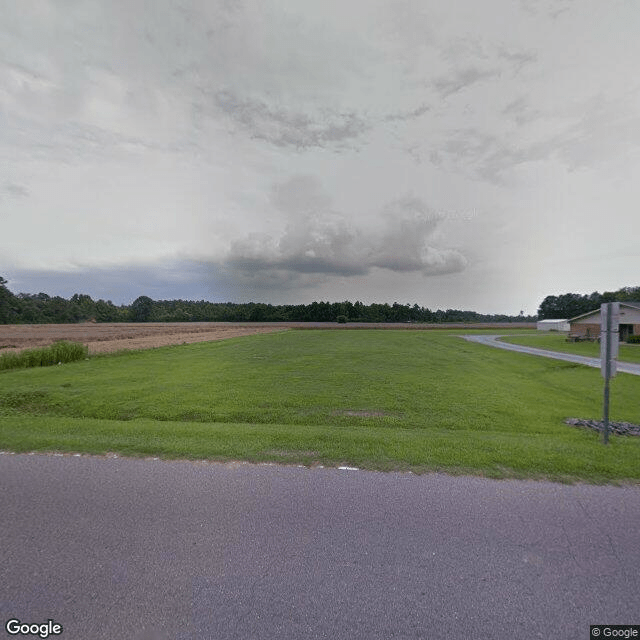
507 Pinewood Street, Roseboro, NC 28382
For more information about senior living options: (866) 208-4318
Overall Review of Autumn Wind Assisted Living Of Roseboro
Pros
 The Gardens of Roseboro is a good facility.
- The staff and surroundings are welcoming.
- They have been accommodating and willing to work out issues.
- The facility provides many activities to keep residents engaged.
- The meals have been enjoyable for residents, even for a picky eater.
- The staff are kind and caring, and management leads by example.
Cons
 She became a temporary resident at the Gardens of Roseboro under some protest.
- She needed around-the-clock supervision and assistance.
- She faced a tough adjustment.
Review
Autumn Wind Assisted Living of Roseboro is best suited for seniors who want a small, homelike setting in Roseboro where daily life is guided by consistently attentive staff, visible management, and a steady calendar of purposeful activities. It serves residents who need ongoing supervision and assistance but still value independence within a secure, comfortable environment. The community delivers a warm, familiar atmosphere where caregivers know residents well, adjust routines to individual preferences, and foster a sense of belonging. For families seeking tangible reassurance that a loved one will be supervised, engaged, and treated with dignity close to home, this setting offers a practical, reliable fit.
Those weighing alternatives should consider whether higher-acuity medical needs or dementia-specific programming are priorities. If a resident requires continuous skilled nursing, intravenous therapy, complex wound care, or a memory-care track with specialized staff and design, this community may not meet those demands. Larger campuses with hospital partnerships or dedicated memory-care wings can provide more intensive medical oversight and structured cognitive programming. In short, when medical complexity or a need for intensive dementia-focused care is central, other options deserve exploration.
The strongest pros here center on people and culture. Management is described as hands-on and example-setting, creating a leadership tone that translates into dependable staffing and consistent routines. The staff consistently comes across as kind and caring, contributing to a positive, happy atmosphere that reflects in resident interactions and resident-to-resident relationships. An active calendar of activities keeps life engaging, and meals are well-regarded even for picky eaters, suggesting reliable attention to daily enjoyment and social dining. These factors collectively deliver safety, social engagement, and predictable day-to-day life, all of which are crucial for easing transitions and maintaining quality of life.
This strength in culture and communication directly mitigates common downsides families watch for. The willingness of leadership to stay involved, address concerns, and work out issues as they arise reduces caregiver stress and reassures families. The result is a setting where residents are more likely to participate in programs, maintain routines, and experience continuity of care. A caregiver or family member can feel confident that adjustments will be considered and implemented, rather than dismissed, when a resident’s preferences or needs shift. In practice, that translates to steadier sleep for some families and fewer crises around daily care.
Nevertheless, some realities merit attention in the decision process. The absence of explicit mention of on-site advanced medical services or a formal memory-care program means the facility may not be the best match for residents with high medical acuity or dementia that requires specialized, structured interventions. The small-scale nature of the operation, while providing intimacy and attentiveness, can limit the range of therapies, visiting specialists, or equipment that larger communities routinely offer. Prospective families should verify nurse staffing levels, medication management processes, and the availability of on-call medical support to ensure alignment with the resident’s health trajectory.
In the end, Autumn Wind Assisted Living of Roseboro presents a compelling choice for families prioritizing warmth, safety, and social connectedness in a near-town setting. It offsets potential gaps in medical intensity with a hands-on leadership approach, a welcoming staff, and a robust slate of activities that keep residents engaged and connected to community life. For those whose loved ones require sophisticated medical oversight, dementia-specific care, or a larger resource pool, alternatives with more specialized programs should be pursued. A thoughtful visit, watching staff interactions, interviewing caregivers, and reviewing care plans, will crystallize whether this community fits the resident’s long-term care goals.
 40 resident community capacity
 Assisted Living
 Beauty salon
 Cable or satellite TV
 Dining room
 Fully furnished
 Garden
 Housekeeping services
 Kitchenette
 Move-in coordination
 Outdoor space
 Restaurant-style dining
 Small library
 Telephone
 Wi-Fi/high-speed internet available
 Fayetteville Municipal (21 miles away)
 24-hour call system
 Activities of daily living assistance
 Assistance with bathing
 Assistance with dressing
 Assistance with transfers
 Diabetes diet
 Medication management
 Mental wellness program
 Special dietary restrictions





 Is Assisted Living Deductible on Your Taxes? Understanding the Complexities of Assisted Living Expenses and Deductions
 Assisted Living Support for Veterans: A Complete and Detailed Overview
 Exploring the Contrasts Between Assisted Living and Skilled Nursing