
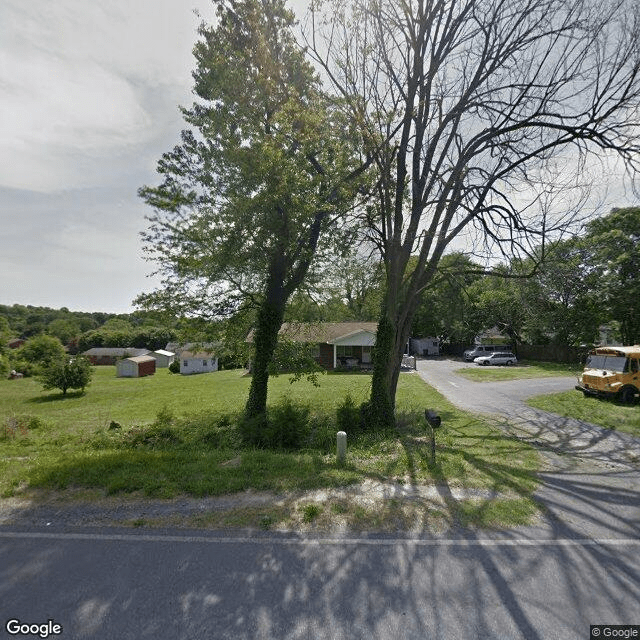
503 NE Market St, Reidsville, NC 27320
To contact a resident: (336) 634-0965
For more information about senior living options: (866) 208-4318
Beverly Rucker Family Care Home #2 Costs & Pricing
Beverly Rucker Family Care Home #2 offers competitive monthly rates for both private and semi-private accommodations, with costs set at $1,000 each. In comparison to the average market prices in Rockingham County, which are approximately $3,257 for private rooms and $2,833 for semi-private rooms, Beverly Rucker provides a significant cost advantage. When we consider the statewide averages in North Carolina, which stand at about $4,425 for private and $3,584 for semi-private options, the affordability of Beverly Rucker becomes even more pronounced. This makes it an appealing choice for families seeking quality care without the financial strain typically associated with similar facilities in the region.
| Floor plans | Beverly Rucker Family Care Home #2 | Rockingham County | North Carolina |
|---|---|---|---|
| Private | $1,000 | $3,257 | $4,425 |
| Semi-Private | $1,000 | $2,833 | $3,584 |
Senior living communities with a similar price nearby
-
About the same
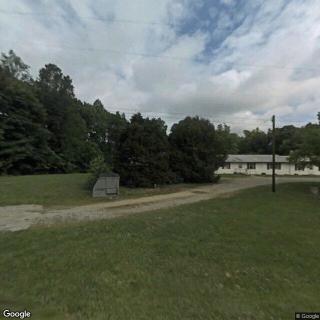
Beverly Rucker Family Care Home #6
$1,000 / month12.2 miles away
Overall Review of Beverly Rucker Family Care Home #2
Pros
 They are pleased with the quality of the home, the care, the owner, the caregivers, the price, and the fellow residents.
- The staff and residents are extremely friendly.
- The place is hands-on and feels like a home.
Cons
 Her homes are understaffed, inexperienced and overworked.
- Residents have NO activities unless you call sitting on the porch smoking or going to a doctors appointment an activity.
- Food is scarce, residents are not getting enough to eat.
- The residents are bullied into silence when the state makes their visits, the staff person is told to stay with the resident at all times when talking to a state personnel.
- Her homes need to be shut down and boarded up!
Review
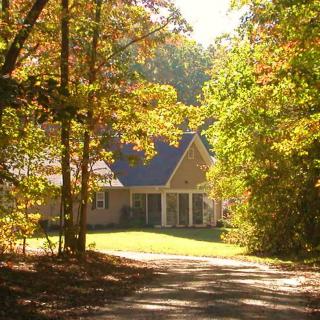
Beverly Rucker Family Care Home #2 in Reidsville, NC is best suited for families seeking a small, home-like environment where care feels intimate and highly personalized. This community delivers a warm, neighborly atmosphere with direct involvement from the owner and a hands-on approach from caregivers. It appeals to seniors who want to be known by name, who value daily contact with staff, and who prefer a straightforward, affordable care option over a larger, impersonal facility. In practice, residents tend to form close connections quickly, and the overall vibe is that of a supportive, familiar setting rather than a clinical one. For families prioritizing real-life routines and a tight-knit community, this option delivers.
However, it is not the right fit for everyone. If stable, robust activity calendars, consistent staffing, and strong regulatory oversight are non-negotiables, alternatives should be explored. The reviews reveal a spectrum: some praise the care, the owner, and the price; others warn about understaffing, inexperience, and overwork. With such variability, the risk is that care delivery becomes inconsistent, and the environment can swing from warm and responsive to strained and under-resourced. For seniors who need extensive programming or highly structured daily life, the downsides can undermine quality of life over time.
On the plus side, the most persuasive pros center on genuine caregiving contact. Residents benefit from direct involvement by the owner and attentive caregivers, translating into consistent assistance with activities of daily living and a quick-response feel when help is needed. The price point remains attractive for families seeking a lower-cost, more familial alternative to larger campuses. The small-scale setting also promotes a sense of community, residents tend to know one another and staff adapt to individual rhythms rather than forcing rigid schedules. For those who value a personal touch over institutional polish, this is appealing.
But the major cons carry weight. Reports of understaffing and inexperience are not trivial; they strike at continuity, responsiveness, and safety. If meals are scarce or irregular and activities are limited to porch time or routine doctor visits, the overall quality of life can decline, especially for residents who crave social engagement and predictable nourishment. The strongest concern surfaces around governance during oversight visits, suggesting an environment where residents may feel discouraged from speaking up. Taken together, these flags do not erase the warmth and affordability, but they do erode confidence in sustained reliability without vigilant oversight and disciplined management.
Families evaluating this home should pursue a rigorous, hands-on assessment before move-in. Schedule multiple visits at different times to observe day-to-day interactions, inspect actual meal offerings, request a current activity calendar, and verify staff-to-resident ratios and qualifications. Ask for detailed explanations of meal planning, snack availability, and how personal preferences are accommodated. Seek to meet the owner and caregivers during typical shifts, not just during tours, and press on how concerns are handled, including a clear complaint process and any recent state findings. Compare promises in the contract with real-world practices, and weigh this against nearby options that emphasize structured programming, transportation, and more established activity staff.
Bottom line: Beverly Rucker Family Care Home #2 offers a compelling choice for families who want a small, affectionate, hands-on setting and can tolerate potential gaps in staffing and programming. Its strongest assets are genuine, day-to-day care delivered with warmth in a home-like ambiance and a price that remains accessible. Yet for those prioritizing consistent programming, reliable meal quantities, and rock-solid governance, it is prudent to actively explore alternatives and conduct thorough tours. A disciplined due-diligence process will reveal whether this community can meet the senior’s needs now and over time, ensuring the decision rests on solid, actionable observations rather than initial impressions alone.
 Board and Care Home
 Private
 Piedmont Triad International (24 miles away)
 Diabetic care


 Understanding Hospice Care at Home: Comprehensive Services, Key Benefits, and Eligibility
 Understanding the Full Cost of 24/7 In-Home Care: A Detailed Overview
 Exploring the World of Home Health Nurses: Qualifications, Roles, and Hiring Tips