The Manor At Edgewater in Raleigh, NC

Save
The Manor At Edgewater

The Manor At Edgewater in Raleigh, NC

1038 Stormy Lane, Raleigh, NC 27610

For more information about senior living options: (844) 490-3973

4 from 1 review
Assisted Living Board and Care Home

The Manor At Edgewater Costs & Pricing

The Manor At Edgewater offers competitive pricing for its accommodations compared to both Wake County and the broader North Carolina region. For a semi-private room, residents can expect to pay $2,000 per month, significantly lower than the county average of $4,391 and the state average of $3,584. In terms of private rooms, The Manor's rate of $3,500 is still favorable when contrasted with Wake County's average of $4,658 and North Carolina's average of $4,425. This positioning not only reflects The Manor's commitment to providing quality care at accessible rates but also makes it an attractive option for those seeking affordable senior living solutions in a thriving community.

Floor plansThe Manor At EdgewaterWake CountyNorth Carolina
Semi-Private$2,000$4,391$3,584
Private$3,500$4,658$4,425

Overall Review of The Manor At Edgewater

Pros

  • pro The home is described as beautiful.
  • pro A friendly Jamaican lady who stays with the residents during the day is described as very nice.
  • pro The house smells of home-cooked food.
  • pro It is clean and very neat.
  • pro The caregiver helps with the residents' showers.
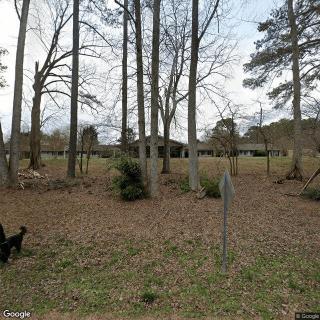
  • pro The outside sitting area is nice.

Cons

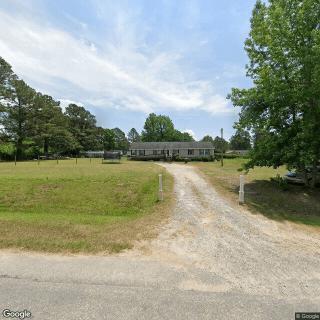
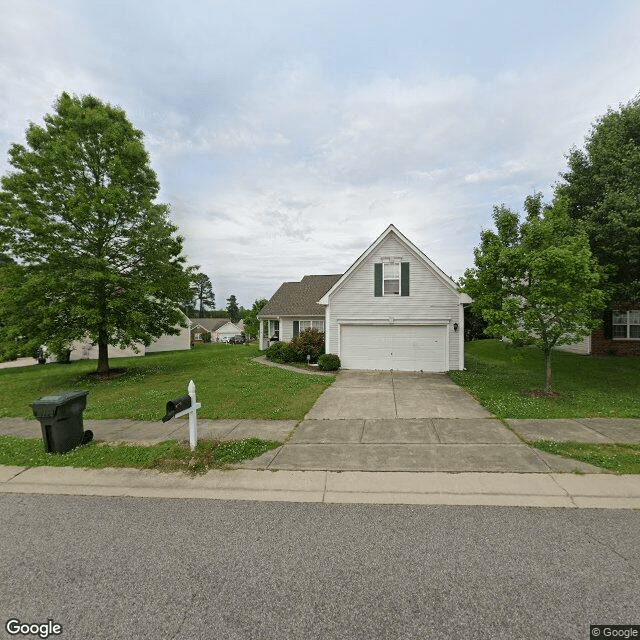
  • pro The surrounding houses were a little shabby.
  • pro The level of care may not be adequate for her mother.
  • pro The bathrooms are rather small, and it's unclear whether she could maneuver with a walker.
  • pro The resident has to step into the tub with help, which raises safety concerns.
  • pro The residents are taken elsewhere for activities, indicating limited on-site activities.

Review

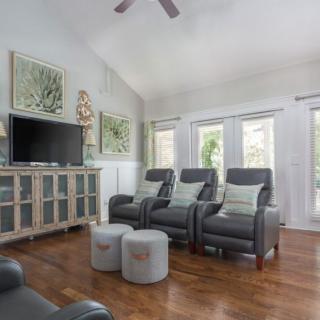
The Manor At Edgewater in Raleigh is best suited for seniors who want a small, home-like setting with personal daytime support and uncomplicated routines. The setting described is attractive precisely because it feels clean, neat, and welcoming, with a caregiver present during the day who offers help with basic needs and creates a sense of daily rhythm. The aroma of home-cooked meals, a pleasant outdoor seating area, and the fact that residents are taken to activities away from the home contribute to a calm, non-clinical atmosphere. This combination is a fit for a resident who is reasonably independent in daily tasks, values warmth and familiarity, and does not require heavy, around-the-clock medical oversight.

That said, the community may not be the best match for residents with higher care needs or significant mobility limitations. The level of care appears limited, and the single caregiver arrangement during the day may not provide the comprehensive supervision some families require. Bathing assistance is available, but it involves stepping into a tub with the aide's help, and the tub has a side-access door rather than a completely barrier-free setup. If a resident needs more intensive supervision, specialized medical management, or a higher level of safety monitoring, alternatives should be explored.

The strongest positives - the homey atmosphere, visible cleanliness, and a congenial daytime caregiver - do not fully offset the notable drawbacks. A clean, orderly space and the caregiver's support create a comforting daily flow and reduce stress around routine tasks. The house's warmth and the off-site activity structure can help sustain a sense of community and purpose. However, the combination of small bathrooms, potential mobility challenges with a walker, and the requirement for independent toilet use can significantly constrain safety and maneuverability for a resident who needs more accessible design and constant assistance.

On the downside, the layout and care model raise concrete concerns. The bathroom size and configuration may impede safe transfers and comfortable use for someone who uses mobility aids. The need to rely on the aide for entering the tub, even with a side-entry design, introduces a fall risk if timing or support is imperfect. With activities being conducted off-site, energy and engagement may rely more on external schedules than on-site programming. For families evaluating options, these factors are not minor; they shape daily risk, independence, and overall satisfaction.

To make a well-supported decision, focus on details that drive safety and continuity of care. Ask about staff-to-resident ratios, especially during evenings and weekends, and whether there is a trained person available 24/7 or on-call for urgent needs. Inquire about alternative bathing options, such as shower chairs or barrier-free tubs, and whether the facility can accommodate a resident who requires more extensive mobility assistance. Confirm the availability of on-site activities or partnerships that ensure meaningful engagement if off-site transport becomes difficult. Finally, compare costs, transition plans, and what contingencies exist if care needs escalate.

In sum, The Manor At Edgewater presents a compelling option for families seeking a warm, home-like environment with everyday support and light social programming. It is less suitable for those needing robust, constant oversight or accessible, barrier-free bathing and spacious bathrooms. Pros like cleanliness, a personable daytime caregiver, and a comforting food-mood presence can be meaningful advantages when matched with a resident who can navigate modest mobility needs. For families, the prudent course is to tour with a concrete checklist: hallway accessibility, bathroom layout, on-site staffing coverage, and a clear plan for escalating care if required.

Features

Housing

  • 6 resident community capacity 6 resident community capacity

Types of Care

  • Assisted Living Assisted LivingAssisted living facilities provide crucial support and care for seniors who may need help with daily tasks such as medication management, bathing, and meal preparation. These communities offer a safe and comfortable environment where seniors can maintain their independence while receiving the assistance they need to thrive in their golden years.
  • Board and Care Home Board and Care HomeBoard and care homes provide a smaller, more intimate setting for seniors who require assistance with daily tasks but do not need the level of care offered by a nursing home. They offer personalized care, meals, and social activities in a homelike environment, ensuring that seniors receive individualized attention and support in their golden years.

Amenities

  • Activities off-site Activities off-siteEngaging in off-site activities is crucial for seniors to maintain social connections, stay active, and stimulate their minds. It promotes overall well-being and helps combat feelings of isolation and loneliness.
  • Activities on-site Activities on-siteActivities on-site are important for seniors because they provide opportunities for socialization, mental stimulation, physical activity, and overall well-being. Engaging in activities can help seniors stay active, maintain their independence, and improve their quality of life.
  • Cable or satellite TV Cable or satellite TVCable or satellite TV is important for seniors because it provides entertainment, news, and companionship, helping to combat loneliness and boredom. It also offers a wide range of programming options tailored to different interests and preferences.
  • Dining room Dining roomDining rooms are important for seniors as they provide a space for socialization, connection, and nutritious meals. They offer opportunities for residents to bond over shared meals, foster a sense of community, and promote healthy eating habits. Dining rooms also ensure that seniors have access to well-balanced meals tailored to their dietary needs and preferences.
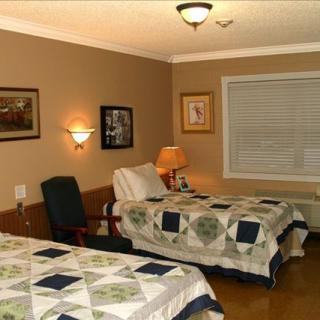
  • Fully furnished Fully furnishedFully furnished senior living communities are important for seniors because they provide convenience, comfort, and a hassle-free moving experience. Seniors can easily settle into their new living space without the stress of having to buy and move furniture. This allows them to focus on enjoying their new home and community.
  • Garden GardenGardens are important for seniors as they provide a peaceful and therapeutic environment for relaxation, physical activity, and socialization. Being in nature has been shown to reduce stress, improve mood, and promote overall well-being. Gardens also offer opportunities for seniors to engage in gardening activities, which can improve mobility, flexibility, and cognitive function. Additionally, gardens create a sense of community and connection with others who share a passion for plants and outdoor spaces.
  • Housekeeping services Housekeeping servicesHousekeeping services are important for seniors because they help maintain a clean and safe living environment, promote independence, and reduce the risk of accidents or illnesses. Additionally, having assistance with household chores can alleviate physical strain and allow seniors to focus on other aspects of their well-being.
  • Move-in coordination Move-in coordinationMove-in coordination is important for seniors because it helps ease the transition into their new living environment. It ensures that all logistics, such as packing, organizing movers, and setting up utilities are taken care of, allowing seniors to focus on settling in and adjusting to their new home. Having a smooth move-in process can alleviate stress and anxiety, making the transition smoother and more enjoyable for seniors.
  • Outdoor space Outdoor spaceOutdoor spaces are important for seniors as they provide opportunities for physical activity, social interaction, exposure to natural light and fresh air, and a sense of connection to nature. Having access to outdoor spaces can improve overall well-being and quality of life for older adults living in senior communities.
  • Private PrivatePrivacy is important for seniors as it allows them to maintain their independence, dignity, and sense of control over their own lives. It also gives them the space and freedom to relax, reflect, and engage in activities that bring them joy and fulfillment. Creating private spaces within senior living facilities is crucial for promoting overall well-being and quality of life.
  • Telephone TelephoneTelephones are important for seniors as they provide a lifeline for communication with loved ones, emergency services, and healthcare providers. They offer a sense of security and independence, enabling seniors to stay connected and access assistance when needed.
  • Wi-Fi/high-speed internet available Wi-Fi/high-speed internet availableWi-Fi/high-speed internet is important for seniors to stay connected with loved ones, access online resources, and participate in virtual activities to combat feelings of loneliness and isolation. It also allows them to easily manage healthcare needs, access entertainment, and engage in lifelong learning opportunities.

Transportation

  • Raleigh-Durham International (15 miles away) Raleigh-Durham International (15 miles away)

Care Services

  • 24-hour supervision 24-hour supervision24-hour supervision is important for seniors to ensure their safety, well-being, and access to immediate assistance in case of emergencies or health issues. This constant support provides peace of mind for both seniors and their loved ones, allowing them to age in place with dignity and security.
  • Activities of daily living assistance Activities of daily living assistanceActivities of daily living assistance are important for seniors because they provide essential support with tasks such as eating, bathing, dressing, and mobility. This assistance helps seniors maintain their independence, dignity, and overall quality of life as they age.
  • Ambulatory care Ambulatory care"Ambulatory care services provide essential medical support and treatment to seniors without requiring hospitalization, allowing them to maintain their independence and quality of life while managing chronic conditions or receiving routine medical care."
  • Assistance with bathing Assistance with bathingAssistance with bathing is crucial for seniors as it helps maintain personal hygiene, prevents infections, and ensures their overall well-being and comfort. It also provides a sense of dignity and independence for seniors who may struggle with this task on their own.
  • Assistance with dressing Assistance with dressingAssistance with dressing is important for seniors because it helps maintain their independence, promotes personal hygiene, prevents accidents and injuries, and improves overall quality of life. This service ensures that seniors can continue to dress comfortably and confidently, despite any physical limitations they may have.
  • Assistance with transfers Assistance with transfersAssistance with transfers is crucial for seniors as it helps prevent falls and injuries, maintains their independence, and ensures they can safely navigate their living environment. It also provides peace of mind for both seniors and their loved ones.
  • Coordination with health care providers Coordination with health care providersCoordination with health care providers is crucial for seniors to ensure proper medical care, medication management, and overall well-being. This collaboration helps prevent overlapping treatments, track progress more effectively, and provide comprehensive support tailored to individual needs.
  • Diabetes diet Diabetes dietA diabetes diet is crucial for seniors as it helps manage blood sugar levels, reduce risks of complications, and improve overall health and well-being. By following a balanced and nutritious diet tailored to their specific needs, seniors can better control their diabetes and enhance their quality of life.
  • Diabetic care Diabetic careDiabetic care is crucial for seniors as they are more susceptible to developing diabetes due to aging and other health conditions. Proper management of diabetes can help prevent complications such as heart disease, vision loss, and nerve damage, improving the overall quality of life for seniors in senior living communities.
  • Meal preparation and service Meal preparation and serviceMeal preparation and service are crucial for seniors as they may have limited mobility or energy to cook nutritious meals. Having access to healthy and convenient food options can ensure they are getting the proper nutrition needed to maintain their overall health and well-being.
  • Medication management Medication managementMedication management is crucial for seniors to ensure they are taking the right medications at the correct dosages and times. This helps prevent adverse drug interactions, reduces the risk of medication errors, and promotes overall health and well-being. Proactive management also allows for adjustments as needed based on changing health conditions or new prescriptions.
  • Special dietary restrictions Special dietary restrictionsSpecial dietary restrictions are important for seniors because age-related changes in metabolism and health conditions can make it difficult for their bodies to process certain foods. By following a diet tailored to their specific needs, seniors can maintain their overall health and well-being, manage chronic conditions, and reduce the risk of complications such as malnutrition or food interactions with medications.
  • Transportation arrangement (medical) Transportation arrangement (medical)Transportation arrangements for medical purposes are essential for seniors as they may have difficulty driving themselves to appointments or accessing public transportation. Having reliable and safe transportation options ensures that seniors can receive timely medical care and maintain their health and well-being.
  • Transportation to doctors appointments Transportation to doctors appointmentsTransportation to doctors' appointments is crucial for seniors as it ensures they have access to necessary medical care and support for their health needs. Without reliable transportation, seniors may struggle to attend important appointments, leading to potential delays in treatment and health complications. Providing transportation services helps seniors maintain their overall well-being and quality of life.
Dining

  • Diabetes diet Diabetes dietA diabetes diet is crucial for seniors as it helps manage blood sugar levels, reduce risks of complications, and improve overall health and well-being. By following a balanced and nutritious diet tailored to their specific needs, seniors can better control their diabetes and enhance their quality of life.
  • Special dietary restrictions Special dietary restrictionsSpecial dietary restrictions are important for seniors because age-related changes in metabolism and health conditions can make it difficult for their bodies to process certain foods. By following a diet tailored to their specific needs, seniors can maintain their overall health and well-being, manage chronic conditions, and reduce the risk of complications such as malnutrition or food interactions with medications.

Activities

  • Activities off-site Activities off-siteEngaging in off-site activities is crucial for seniors to maintain social connections, stay active, and stimulate their minds. It promotes overall well-being and helps combat feelings of isolation and loneliness.
  • Activities on-site Activities on-siteActivities on-site are important for seniors because they provide opportunities for socialization, mental stimulation, physical activity, and overall well-being. Engaging in activities can help seniors stay active, maintain their independence, and improve their quality of life.
  • Community-sponsored activities Community-sponsored activitiesCommunity-sponsored activities are important for seniors as they provide opportunities for social interaction, mental stimulation, and physical activity. These activities can help improve overall well-being, combat loneliness and isolation, and promote a sense of belonging and purpose among older adults.
  • Scheduled daily activities Scheduled daily activitiesScheduled daily activities are important for seniors because they provide structure, socialization, mental stimulation, and physical activity. Engaging in regular activities can improve overall well-being and quality of life for seniors living in a community setting.

Description

The Manor at Edgewater in Raleigh, NC is a warm and welcoming board and care home that offers a comfortable and supportive living environment for seniors. With a range of amenities and care services, residents can enjoy a fulfilling lifestyle while receiving the assistance they need.

Residents at The Manor at Edgewater have access to various on-site activities to engage in, ensuring they have plenty of opportunities for socializing and entertainment. They can also enjoy their favorite TV shows or movies with cable or satellite TV provided. Meals are served in a spacious dining room, where residents can enjoy delicious and nutritious food prepared by the staff. The fully furnished living spaces provide a cozy retreat for residents to relax and unwind.

Outdoor space is available for those who wish to spend time outside, whether it be gardening or enjoying the fresh air. Housekeeping services ensure that the community stays clean and tidy, giving residents more time to focus on activities they enjoy. Move-in coordination is provided to make the transition into The Manor at Edgewater as smooth as possible.

The assisted living community offers comprehensive care services tailored to meet individual needs. Trained staff are available to assist with activities of daily living such as bathing, dressing, and transfers. Coordination with health care providers ensures that residents receive necessary medical attention when needed. Special dietary restrictions are accommodated, including diabetes diets and diabetic care if required. Medications are managed by trained professionals.

Transportation arrangement for medical purposes is provided, making it convenient for residents to attend medical appointments when necessary. Additionally, there are nearby cafes, parks, pharmacies, physicians' offices, restaurants, places of worship, theaters, and hospitals within close proximity of The Manor at Edgewater.

Overall, The Manor at Edgewater strives to create a nurturing and vibrant community where seniors can receive personalized care while enjoying an active and fulfilling lifestyle surrounded by beautiful surroundings in Raleigh, NC.

Nearby Places of Interest

This part of Raleigh, North Carolina, offers a variety of amenities and services that cater to senior living. With multiple restaurants, cafes, and pharmacies within close proximity, residents have easy access to dining options and medical necessities. In addition, there are several physicians' offices and hospitals nearby for medical care. The presence of parks provides opportunities for outdoor recreation and relaxation. Furthermore, the convenience of transportation services like Enterprise Rent-A-Car makes it easier for seniors to get around the area. Overall, this neighborhood provides a well-rounded community with essential resources for those looking to enjoy a comfortable senior living experience in Raleigh.

Restaurants

  • Bojangles' Famous Chicken 'n Biscuits (0.9 miles)
  • Zaxby's (2.4 miles)
  • Wendy's (3 miles)
  • Taco Bell (3 miles)
  • N Y Diner (3 miles)
  • Brass Tap & Billiards (3.3 miles)
  • McDonald's (3.3 miles)

Cafes

  • Starbucks (1 miles)
  • Panera Bread (5.9 miles)
  • Starbucks (6.5 miles)
  • Starbucks (6.7 miles)
  • Starbucks (8.6 miles)

Physicians

  • Duke Primary Care Knightdale (1.7 miles)
  • Alliance Medical Ministry (2.6 miles)
  • Knightdale Family Medicine (2.9 miles)
  • Rajendra L Nigalye (3.6 miles)
  • Family Medical Associates of Raleigh (4.6 miles)
  • Wake Radiology Diagnostic Imaging (5.6 miles)
  • Midtown Dermatology (7.1 miles)

Places of Worship

  • Beacon Baptist Church (2.1 miles)
  • Gethsemane Lutheran Church (7.8 miles)

Pharmacies

  • Knightdale Pharmacy (2.2 miles)
  • Walgreens (2.4 miles)
  • Walgreens (3.3 miles)
  • CVS Pharmacy (3.4 miles)
  • CVS Pharmacy (4.5 miles)
  • Walmart Pharmacy (4.8 miles)
  • CVS Pharmacy (4.9 miles)

Hospitals

  • WakeMed Health & Hospitals (2.4 miles)
  • WakeMed Heart Center (2.4 miles)
  • Duke Raleigh Hospital (4.9 miles)
  • Wakemed Garner Healthplex (6.8 miles)
  • UNC Specialty Women's Center at Rex (9 miles)

Parks

  • Marsh Creek Park (2.6 miles)
  • Buffaloe Road Athletic Park (3.4 miles)
  • Chavis Park (4.9 miles)
  • Biltmore Hills Park (5.4 miles)
  • Eastgate Park (5.5 miles)
  • Dorothea Dix Park (6.3 miles)
  • Horseshoe Farm Park (6.6 miles)

Theaters

  • Alamo Drafthouse Raleigh (3.4 miles)

Transportation

  • Enterprise Rent-A-Car (5 miles)

Frequently Asked Questions

How much does it cost to live at The Manor At Edgewater in Raleigh, NC?
Where is The Manor At Edgewater?

Nearby Communities

  • Avendelle at Waterford Landing

    Avendelle at Waterford Landing

    Raleigh, NC

    4.5 from 24 reviews
    $3,840 to $6,500 / month

    pro Attentive staff in a home-like, clean environment.

  • Avendelle at Lazy River

    Avendelle at Lazy River

    Raleigh, NC

    5 from 12 reviews
     

    pro Compassionate, attentive care in a warm, home-like setting.

  • Spring Arbor of Raleigh

    Spring Arbor of Raleigh

    Raleigh, NC

    4.1 from 54 reviews
    $3,995 to $5,560 / month

    pro Caring, family-like staff with engaging activities.

  • Avendelle Assisted Living At Wyckford

    Avendelle Assisted Living At Wyckford

    Raleigh, NC

    4.5 from 2 reviews
    $6,500 / month

    pro Caring, friendly staff; clean, well-maintained environment; enjoyable dining and activities

  • Hillcrest Family Care Home

    Hillcrest Family Care Home

    Raleigh, NC

     
    $2,500 / month

    pro Affordable private rooms with strong nearby healthcare access.

  • Capital Nursing And Rehabilitation Center

    Capital Nursing And Rehabilitation Center

    Raleigh, NC

    3.1 from 76 reviews
     

    pro Friendly staff and well-presented meals with pleasant amenities.

  • Sir Walter Apartments

    Sir Walter Apartments

    Raleigh, NC

     
    $4,518 to $5,873 / month

    pro Vibrant Raleigh location with excellent access to healthcare, dining, parks, and cultural amenities.

  • Cadence at North Raleigh

    Cadence at North Raleigh

    Raleigh, NC

    4.6 from 94 reviews
    $4,060 to $7,490 / month

    pro Friendly, attentive staff and engaging activities in a clean, welcoming community.

  • Brookdale North Raleigh

    Brookdale North Raleigh

    Raleigh, NC

    4.5 from 104 reviews
    $2,615 to $5,360 / month

    pro Strong sense of community with friendly staff and diverse daily activities.

Related Resources

  • when to move from assisted living to memory careWhen to Transition from Assisted Living to Memory Care: Key Indicators, Steps, and Finding the Right Community

    Transitioning from assisted living to memory care is driven by an individual's cognitive decline and specific needs, requiring careful evaluation of indicators like increased confusion and wandering. The process involves consulting medical professionals, researching suitable communities, considering financial and legal aspects, and ensuring effective communication for personalized care plans.

  • assisted living vs memory careAssisted Living and Memory Care: Understanding Their Core Differences

    Assisted living provides moderate support for seniors seeking independence, while memory care offers specialized support for individuals with dementia or cognitive impairments through structured routines and trained staff. Key differences include care approaches, environment security measures, staff training levels, activity types, and cost considerations.

  • assisted living activitiesBeyond the Bingo Hall: 50+ Enriching Activities for Seniors in Assisted Living

    Assisted living communities offer diverse activities beyond traditional games to enhance seniors' physical health, cognitive well-being, emotional enrichment, and social connections, including fitness classes, creative expression, and intergenerational interactions. These enriching programs foster community bonds and support residents' independence and happiness.