

Avendelle Assisted Living At Wyckford in Raleigh, NC

Save

  • Interior

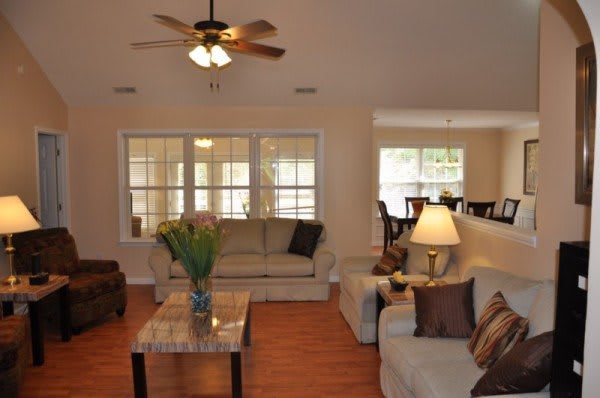
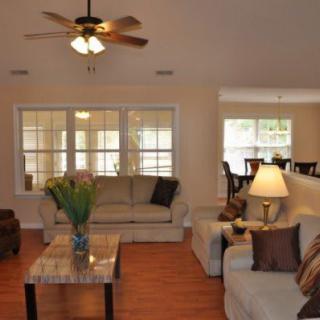
    A cozy living room with a sofa, table, and lamp under a ceiling fan, featuring large windows.
  • Decor

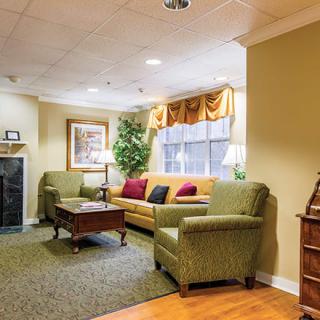
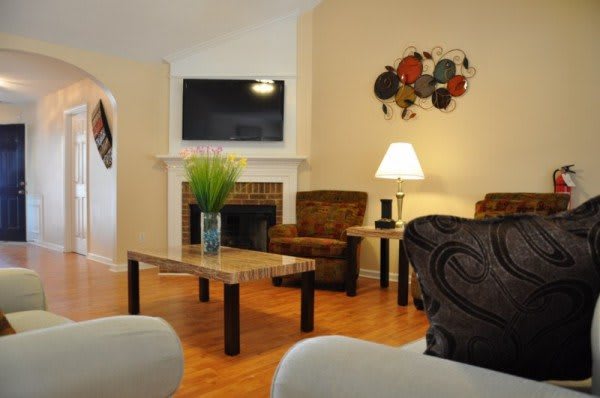
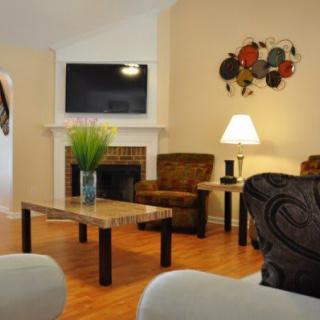
    A cozy living room with a television mounted above the fireplace, featuring comfortable seating and stylish decor.
  • Living Room

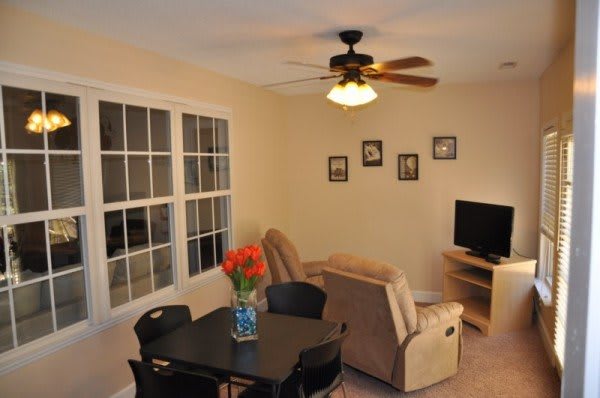
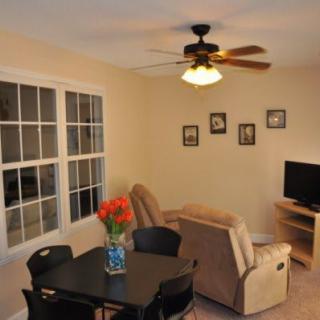
    A cozy living room with a dining area, featuring a comfortable sofa, TV, and ceiling fan.
  • Bedroom

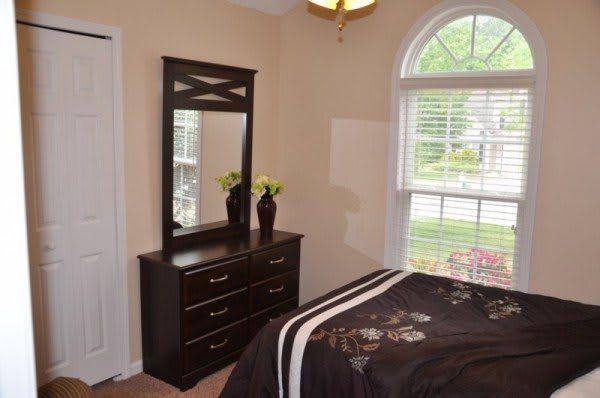
    A cozy bedroom with a dark dresser, mirror, and large window.
  • Windows

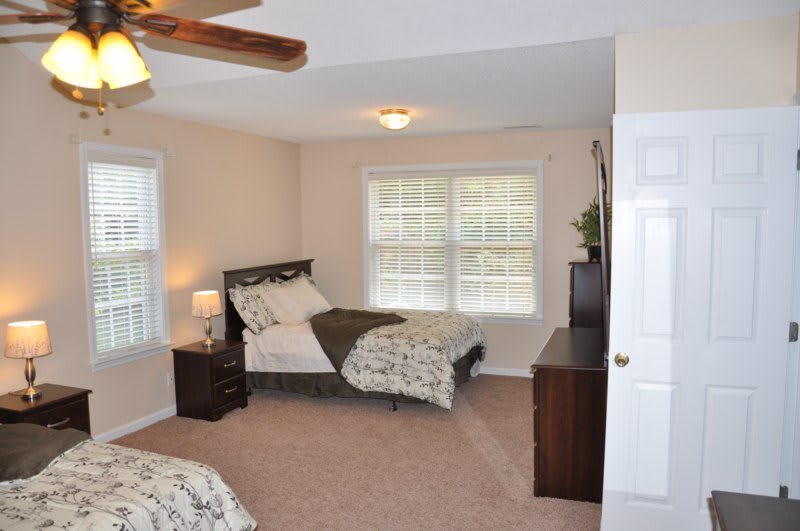
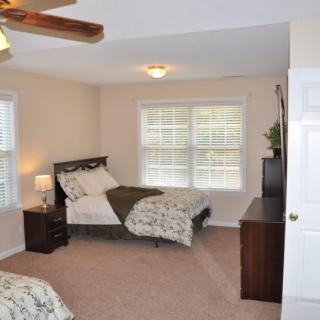
    A cozy bedroom with two beds and ample natural light.
  • Landscaping

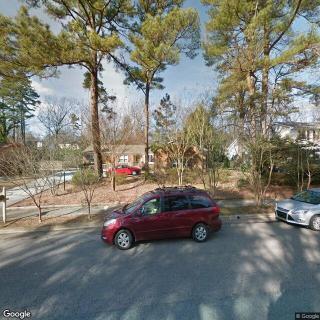
    A view of a suburban house with a garage, lawn, and driveway.
  • Design

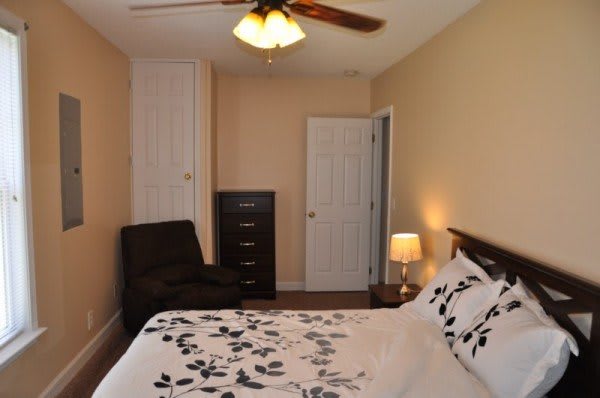
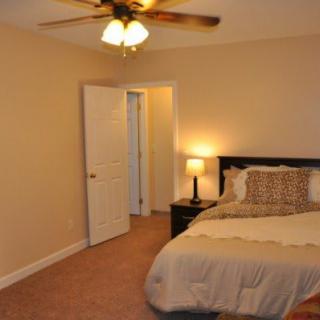
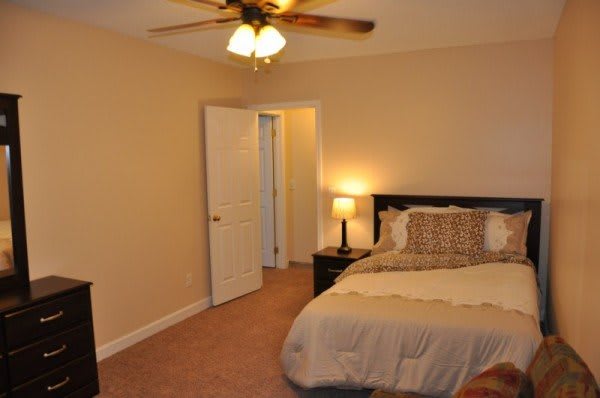
    A cozy bedroom featuring a neatly made bed, a nightstand with a lamp, beige walls, and a ceiling fan.

Avendelle Assisted Living At Wyckford in Raleigh, NC

4520 Dilford Drive, Raleigh, NC 27604

For more information about senior living options: (844) 490-3973

4.5 from 2 reviews
Assisted Living Board and Care Home Memory Care

Avendelle Assisted Living At Wyckford Costs & Pricing

Avendelle Assisted Living At Wyckford, located in Wake County, offers a uniform pricing structure for its accommodations, with all room types - private, semi-private, and one-bedroom - priced at $6,500 per month. This rate significantly exceeds the average costs in both Wake County and the broader North Carolina region. In comparison, Wake County's average monthly costs are notably lower: private rooms are around $4,658, semi-private options at $4,391, and one-bedroom units at $4,996. Additionally, when looking at statewide averages in North Carolina as a whole - $4,425 for private rooms, $3,584 for semi-private rooms, and $4,055 for one-bedrooms - the price point for Avendelle Assisted Living At Wyckford is apparent. While the facility may provide exceptional services and accommodations justifying this premium cost, prospective residents should consider their budget alongside the local market rates when making their decisions.

Floor plansAvendelle Assisted Living At WyckfordWake CountyNorth Carolina
Semi-Private$6,500$4,391$3,584
1 Bedroom$6,500$4,996$4,055
Private$6,500$4,658$4,425

Overall Review of Avendelle Assisted Living At Wyckford

Pros

  • pro The staff are always caring and friendly to her needs.
  • pro The community is very clean.
  • pro They offer activities for those who want to participate.
  • pro The care and value here are highly recommended to others.
  • pro The staff at The Haven at Wyckford are friendly and professional.
  • pro The facility is well kept and clean.

Review

Avendelle Assisted Living at Wyckford in Raleigh is best suited for seniors who prize a warm, resident-centered atmosphere where staff consistently respond to needs, the building and grounds are well cared for, and daily life includes solid dining and accessible activities. This community fits families seeking dependable assistance without sacrificing an approachable, home-like feel. The emphasis on friendly, professional staff and a clean, organized environment translates into a predictable daily rhythm that reduces the stress of relocation. For households valuing value and straightforward, practical support, Wyckford lands squarely in the right lane.

Those who should consider alternatives are families facing higher medical acuity or memory-specific care needs. The reviews highlight caring staff and a well-kept facility, but there is no explicit detail about on-site nursing depth, chronic-condition management, or dementia-focused programming. If a loved one requires intensive medical oversight, frequent nursing interventions, complex wound care, or a dedicated memory-care track, it makes sense to look at communities that advertise a broader clinical continuum. Likewise, if the goal is a dining or activity program that is more expansive or upscale, other options may offer the level of variety desired.

The strongest positives at Wyckford revolve around people and environment. Staff warmth and professionalism are repeatedly noted, and the facility feels clean and well maintained. The meals meet resident expectations, and there is an activities program for those who want to participate, which helps maintain social connection without mandating engagement. These factors collectively create a reliable, low-friction daily life where residents can settle in with confidence and families gain reassurance that help is readily available. In practical terms, that combination often offsets concerns about lesser-known clinical capabilities by delivering steadiness, comfort, and everyday quality.

Nevertheless, the lack of detailed clinical capabilities in the available feedback matters for planning care over time. Prospective residents should verify nursing availability, how care is coordinated with external providers, and whether medication management meets specific needs. The small number of reviews also means there is limited long-range evidence about outcomes, which is a natural caveat for families that want a certain level of medical continuity. Yet the absence of red flags in cleanliness, staff demeanor, and resident acceptance still yields strong confidence in the day-to-day experience Wyckford offers.

When evaluating on-site realities, prepare to ask pointed questions during tours. Inquire about staffing ratios by shift, the presence of licensed nurses, and the process for urgent care or hospital transfers. Investigate memory-care options if dementia is a consideration, and confirm the availability of respite stays or short-term programs for trial periods. Clarify what transportation services exist for appointments and social outings, and obtain a clear picture of what is included in base rates versus add-on services. A careful review of the dining program, menu variety, and flexibility for dietary restrictions will confirm alignment with personal preferences, while a look at the activity calendar will reveal whether interests align with the loved one's passions.

Bottom line: Avendelle Wyckford presents a solid, compassionate option for families prioritizing a welcoming environment, responsive staff, and reliable daily routines. The proven strengths - caring, professional personnel; a clean, well-kept setting; good meals; and accessible activities - provide a practical foundation for seniors to thrive with peace of mind. Those who require advanced medical oversight, dementia-focused care, or a broader care continuum should compare alternatives that specialize in those capabilities. With thorough due diligence and an in-person assessment, Wyckford can be a trusted partner in the journey to assisted living, delivering value without compromising essential warmth and reliability.

Features

Housing

  • 6 resident community capacity 6 resident community capacity

Types of Care

  • Assisted Living Assisted LivingAssisted living facilities provide crucial support and care for seniors who may need help with daily tasks such as medication management, bathing, and meal preparation. These communities offer a safe and comfortable environment where seniors can maintain their independence while receiving the assistance they need to thrive in their golden years.
  • Board and Care Home Board and Care HomeBoard and care homes provide a smaller, more intimate setting for seniors who require assistance with daily tasks but do not need the level of care offered by a nursing home. They offer personalized care, meals, and social activities in a homelike environment, ensuring that seniors receive individualized attention and support in their golden years.
  • Memory Care Memory CareMemory care is crucial for seniors as it provides specialized support and services for individuals with dementia or Alzheimer's disease. These programs offer a safe and secure environment where residents receive personalized care, cognitive stimulation, and help with daily activities. Memory care helps seniors maintain their independence, quality of life, and dignity while also providing peace of mind for their families.

Amenities

  • Activities off-site Activities off-siteEngaging in off-site activities is crucial for seniors to maintain social connections, stay active, and stimulate their minds. It promotes overall well-being and helps combat feelings of isolation and loneliness.
  • Activities on-site Activities on-siteActivities on-site are important for seniors because they provide opportunities for socialization, mental stimulation, physical activity, and overall well-being. Engaging in activities can help seniors stay active, maintain their independence, and improve their quality of life.
  • Air-conditioning Air-conditioningAir conditioning is important for seniors as they are more vulnerable to heat-related illnesses and may have underlying health conditions that make it difficult for them to regulate their body temperature. It helps to keep them comfortable, safe, and healthy in hot weather.
  • Cable or satellite TV Cable or satellite TVCable or satellite TV is important for seniors because it provides entertainment, news, and companionship, helping to combat loneliness and boredom. It also offers a wide range of programming options tailored to different interests and preferences.
  • Dining room Dining roomDining rooms are important for seniors as they provide a space for socialization, connection, and nutritious meals. They offer opportunities for residents to bond over shared meals, foster a sense of community, and promote healthy eating habits. Dining rooms also ensure that seniors have access to well-balanced meals tailored to their dietary needs and preferences.
  • Fully furnished Fully furnishedFully furnished senior living communities are important for seniors because they provide convenience, comfort, and a hassle-free moving experience. Seniors can easily settle into their new living space without the stress of having to buy and move furniture. This allows them to focus on enjoying their new home and community.
  • Garden GardenGardens are important for seniors as they provide a peaceful and therapeutic environment for relaxation, physical activity, and socialization. Being in nature has been shown to reduce stress, improve mood, and promote overall well-being. Gardens also offer opportunities for seniors to engage in gardening activities, which can improve mobility, flexibility, and cognitive function. Additionally, gardens create a sense of community and connection with others who share a passion for plants and outdoor spaces.
  • Ground floor units Ground floor unitsGround floor units are important for seniors because they provide easy accessibility, reduced risk of falls and injuries, and convenience for those with mobility issues. Seniors can avoid climbing stairs or using elevators, making daily tasks and activities more manageable and enjoyable.
  • Housekeeping services Housekeeping servicesHousekeeping services are important for seniors because they help maintain a clean and safe living environment, promote independence, and reduce the risk of accidents or illnesses. Additionally, having assistance with household chores can alleviate physical strain and allow seniors to focus on other aspects of their well-being.
  • Indoor common areas Indoor common areasIndoor common areas are crucial for seniors as they provide a space for socialization, recreation, and community engagement, promoting overall well-being and reducing feelings of isolation and loneliness.
  • Move-in coordination Move-in coordinationMove-in coordination is important for seniors because it helps ease the transition into their new living environment. It ensures that all logistics, such as packing, organizing movers, and setting up utilities are taken care of, allowing seniors to focus on settling in and adjusting to their new home. Having a smooth move-in process can alleviate stress and anxiety, making the transition smoother and more enjoyable for seniors.
  • Outdoor common areas Outdoor common areasOutdoor common areas are important for seniors as they provide a space for socialization, physical activity, and relaxation. Being outside in nature can improve mood and overall well-being, while also encouraging movement and engagement with others. These spaces can help combat feelings of isolation and promote a sense of community among residents.
  • Outdoor space Outdoor spaceOutdoor spaces are important for seniors as they provide opportunities for physical activity, social interaction, exposure to natural light and fresh air, and a sense of connection to nature. Having access to outdoor spaces can improve overall well-being and quality of life for older adults living in senior communities.
  • Private PrivatePrivacy is important for seniors as it allows them to maintain their independence, dignity, and sense of control over their own lives. It also gives them the space and freedom to relax, reflect, and engage in activities that bring them joy and fulfillment. Creating private spaces within senior living facilities is crucial for promoting overall well-being and quality of life.
  • Telephone TelephoneTelephones are important for seniors as they provide a lifeline for communication with loved ones, emergency services, and healthcare providers. They offer a sense of security and independence, enabling seniors to stay connected and access assistance when needed.
  • Wheelchair accessible showers Wheelchair accessible showersWheelchair accessible showers are crucial for seniors as they provide a safe and independent bathing option for those with mobility challenges. These showers help prevent falls and allow seniors to maintain their dignity and autonomy while ensuring they can bathe comfortably.
  • Wi-Fi/high-speed internet available Wi-Fi/high-speed internet availableWi-Fi/high-speed internet is important for seniors to stay connected with loved ones, access online resources, and participate in virtual activities to combat feelings of loneliness and isolation. It also allows them to easily manage healthcare needs, access entertainment, and engage in lifelong learning opportunities.

Transportation

  • Raleigh-Durham International (13 miles away) Raleigh-Durham International (13 miles away)

Care Services

  • 24-hour supervision 24-hour supervision24-hour supervision is important for seniors to ensure their safety, well-being, and access to immediate assistance in case of emergencies or health issues. This constant support provides peace of mind for both seniors and their loved ones, allowing them to age in place with dignity and security.
  • Activities of daily living assistance Activities of daily living assistanceActivities of daily living assistance are important for seniors because they provide essential support with tasks such as eating, bathing, dressing, and mobility. This assistance helps seniors maintain their independence, dignity, and overall quality of life as they age.
  • Assistance with bathing Assistance with bathingAssistance with bathing is crucial for seniors as it helps maintain personal hygiene, prevents infections, and ensures their overall well-being and comfort. It also provides a sense of dignity and independence for seniors who may struggle with this task on their own.
  • Assistance with dressing Assistance with dressingAssistance with dressing is important for seniors because it helps maintain their independence, promotes personal hygiene, prevents accidents and injuries, and improves overall quality of life. This service ensures that seniors can continue to dress comfortably and confidently, despite any physical limitations they may have.
  • Assistance with transfers Assistance with transfersAssistance with transfers is crucial for seniors as it helps prevent falls and injuries, maintains their independence, and ensures they can safely navigate their living environment. It also provides peace of mind for both seniors and their loved ones.
  • Coordination with health care providers Coordination with health care providersCoordination with health care providers is crucial for seniors to ensure proper medical care, medication management, and overall well-being. This collaboration helps prevent overlapping treatments, track progress more effectively, and provide comprehensive support tailored to individual needs.
  • Diabetes diet Diabetes dietA diabetes diet is crucial for seniors as it helps manage blood sugar levels, reduce risks of complications, and improve overall health and well-being. By following a balanced and nutritious diet tailored to their specific needs, seniors can better control their diabetes and enhance their quality of life.
  • Diabetic care Diabetic careDiabetic care is crucial for seniors as they are more susceptible to developing diabetes due to aging and other health conditions. Proper management of diabetes can help prevent complications such as heart disease, vision loss, and nerve damage, improving the overall quality of life for seniors in senior living communities.
  • High acuity care High acuity careHigh acuity care is important for seniors because it provides specialized medical attention and support for individuals with complex medical needs. This level of care ensures that seniors receive the appropriate treatment and assistance to maintain their health and quality of life as they age.
  • Incontinence care Incontinence careIncontinence care is essential for seniors to maintain their dignity, hygiene, and overall quality of life. By addressing incontinence issues promptly and effectively, seniors can enjoy a sense of independence and comfort in their daily activities.
  • Meal preparation and service Meal preparation and serviceMeal preparation and service are crucial for seniors as they may have limited mobility or energy to cook nutritious meals. Having access to healthy and convenient food options can ensure they are getting the proper nutrition needed to maintain their overall health and well-being.
  • Medication management Medication managementMedication management is crucial for seniors to ensure they are taking the right medications at the correct dosages and times. This helps prevent adverse drug interactions, reduces the risk of medication errors, and promotes overall health and well-being. Proactive management also allows for adjustments as needed based on changing health conditions or new prescriptions.
  • Special dietary restrictions Special dietary restrictionsSpecial dietary restrictions are important for seniors because age-related changes in metabolism and health conditions can make it difficult for their bodies to process certain foods. By following a diet tailored to their specific needs, seniors can maintain their overall health and well-being, manage chronic conditions, and reduce the risk of complications such as malnutrition or food interactions with medications.
  • Transportation arrangement (medical) Transportation arrangement (medical)Transportation arrangements for medical purposes are essential for seniors as they may have difficulty driving themselves to appointments or accessing public transportation. Having reliable and safe transportation options ensures that seniors can receive timely medical care and maintain their health and well-being.
  • Transportation to doctors appointments Transportation to doctors appointmentsTransportation to doctors' appointments is crucial for seniors as it ensures they have access to necessary medical care and support for their health needs. Without reliable transportation, seniors may struggle to attend important appointments, leading to potential delays in treatment and health complications. Providing transportation services helps seniors maintain their overall well-being and quality of life.

Dining

  • Diabetes diet Diabetes dietA diabetes diet is crucial for seniors as it helps manage blood sugar levels, reduce risks of complications, and improve overall health and well-being. By following a balanced and nutritious diet tailored to their specific needs, seniors can better control their diabetes and enhance their quality of life.
  • Low / no sodium Low / no sodiumLow/no sodium options are important for seniors because excessive sodium intake can lead to high blood pressure, heart disease, and other health issues commonly experienced by older adults. By choosing low/no sodium foods, seniors can better manage their health and reduce their risk of developing these conditions.
  • Meals provided Meals provided"Meals provided" are crucial for seniors in assisted living communities as it ensures they have access to nutritious, balanced meals without the stress of meal planning and preparation. This can help promote overall health and well-being for seniors who may have limited mobility or cognitive abilities.
  • No Sugar No SugarNo sugar diets are important for seniors because they can help prevent or manage chronic conditions such as diabetes, heart disease, and obesity. Sugar can also contribute to cognitive decline and inflammation in the body, so reducing sugar intake can lead to overall improved health and well-being in older adults.
  • Special dietary restrictions Special dietary restrictionsSpecial dietary restrictions are important for seniors because age-related changes in metabolism and health conditions can make it difficult for their bodies to process certain foods. By following a diet tailored to their specific needs, seniors can maintain their overall health and well-being, manage chronic conditions, and reduce the risk of complications such as malnutrition or food interactions with medications.
  • Vegetarian VegetarianA vegetarian diet is important for seniors because it can help lower the risk of chronic diseases, maintain a healthy weight, and provide essential nutrients needed for aging bodies. Additionally, plant-based diets are often easier on digestive systems and can contribute to overall well-being in older adults.

Activities

  • Activities off-site Activities off-siteEngaging in off-site activities is crucial for seniors to maintain social connections, stay active, and stimulate their minds. It promotes overall well-being and helps combat feelings of isolation and loneliness.
  • Activities on-site Activities on-siteActivities on-site are important for seniors because they provide opportunities for socialization, mental stimulation, physical activity, and overall well-being. Engaging in activities can help seniors stay active, maintain their independence, and improve their quality of life.
  • BBQs or picnics BBQs or picnicsBBQs or picnics provide seniors with social interaction, enjoyment of the outdoors, and a sense of community, contributing to their overall well-being and quality of life.
  • Birthday parties Birthday partiesBirthday parties are important for seniors as they provide an opportunity for celebration, socialization, and joy. They allow seniors to feel special and appreciated, boosting their mood and overall well-being. Additionally, birthday parties can help combat feelings of isolation and loneliness by fostering connections with friends, family, and community members.
  • Community-sponsored activities Community-sponsored activitiesCommunity-sponsored activities are important for seniors as they provide opportunities for social interaction, mental stimulation, and physical activity. These activities can help improve overall well-being, combat loneliness and isolation, and promote a sense of belonging and purpose among older adults.
  • Day trips and outings Day trips and outingsDay trips and outings are important for seniors as they provide opportunities for socialization, mental stimulation, physical activity, and a break from daily routines. These experiences can enhance overall well-being and quality of life for older adults living in senior communities.
  • Holiday parties Holiday partiesHoliday parties are important for seniors because they provide opportunities for socialization, community involvement, and mental stimulation. These festive events offer a sense of belonging and connection during a time that can be lonely for many older adults. Additionally, participating in holiday celebrations can boost mood and overall well-being for seniors living in senior living communities.
  • Live musical performances Live musical performancesLive musical performances can provide seniors with a sense of joy, nostalgia, and connection. Music has the power to evoke emotions and memories, improve mood and cognitive function, and foster social interaction among seniors. It can also serve as a form of therapy and stress relief for older adults, making it an important activity to include in senior living communities.
  • Pet-focused programs Pet-focused programsPet-focused programs are important for seniors as they provide companionship, reduce feelings of loneliness and depression, encourage physical activity and social interaction, and have been shown to improve overall well-being and quality of life in older adults.
  • Scheduled daily activities Scheduled daily activitiesScheduled daily activities are important for seniors because they provide structure, socialization, mental stimulation, and physical activity. Engaging in regular activities can improve overall well-being and quality of life for seniors living in a community setting.
  • Trivia games Trivia gamesTrivia games are important for seniors because they provide mental stimulation, social interaction, and a fun way to keep the mind sharp. They can help improve memory, cognitive function, and overall well-being in older adults.
  • Yoga / chair yoga Yoga / chair yogaYoga and chair yoga are important for seniors as they promote flexibility, balance, strength, and overall wellbeing. These practices can help improve mobility, reduce stress, and enhance mental clarity, ultimately leading to a higher quality of life in their senior years.

Description

Avendelle Assisted Living at Wyckford in Raleigh, NC is a welcoming and comfortable community that offers a range of care services for seniors. With a focus on Board and Care Home as well as Memory Care, residents can expect personalized assistance with activities of daily living, such as bathing, dressing, transfers, and medication management. The staff at Avendelle also coordinate with healthcare providers to ensure comprehensive care.

The community boasts numerous amenities to enhance the residents' quality of life. From on-site activities and scheduled daily events to outdoor spaces and gardens for relaxation or socializing, there are plenty of opportunities for engagement and enjoyment. Indoors, residents can take advantage of common areas or enjoy the convenience of fully furnished private units.

Avendelle Assisted Living at Wyckford ensures that residents' dietary needs are catered to by offering specialized menus including low/no sodium, diabetes-friendly meals, no sugar options, vegetarian choices, and meals prepared and served on-site. Transportation arrangement is also provided for medical appointments.

For those looking to explore the surrounding area, there are several cafes, parks, pharmacies, restaurants, places of worship, theaters nearby to visit. Additionally, the community organizes day trips and outings to keep residents connected with their interests outside the premises.

At Avendelle Assisted Living at Wyckford in Raleigh, NC seniors can enjoy a vibrant community that encourages them to maintain an active lifestyle while receiving the necessary support for their individual needs.

Nearby Places of Interest

This area of Raleigh, North Carolina offers a convenient and diverse range of amenities for seniors looking to settle down in a welcoming community. With multiple places of worship nearby, such as Beacon Baptist Church and Gethsemane Lutheran Church, residents can nurture their spiritual well-being. There are also various cafes and restaurants like Starbucks, Panera Bread, and Bojangles' Famous Chicken 'n Biscuits for social outings or enjoying a meal with friends and family. For outdoor recreation, the neighborhood boasts several parks including Marsh Creek Park and Eastgate Park. Additionally, there are pharmacies like Walgreens and Walmart Pharmacy nearby for easy access to medications, along with hospitals and physicians offices like WakeMed Health & Hospitals and Duke Primary Care Knightdale for healthcare needs. Overall, this area provides a comfortable and well-connected environment for seniors seeking a vibrant lifestyle in Raleigh.

Places of Worship

  • Beacon Baptist Church (0.7 miles)
  • Gethsemane Lutheran Church (6.1 miles)

Cafes

  • Starbucks (0.7 miles)
  • Panera Bread (4.3 miles)
  • Starbucks (5.6 miles)
  • Starbucks (7 miles)
  • Starbucks (7.8 miles)
  • Starbucks (8.5 miles)

Restaurants

  • Bojangles' Famous Chicken 'n Biscuits (0.8 miles)
  • Brass Tap & Billiards (1.6 miles)
  • Golden Corral (1.7 miles)
  • Buffalo Brothers Pizza & Wing (1.7 miles)
  • Waffle House (2 miles)
  • McDonald's (2.6 miles)
  • Chick-Fil-A (2.8 miles)

Parks

  • Marsh Creek Park (1 miles)
  • Buffaloe Road Athletic Park (2.3 miles)
  • Eastgate Park (3.9 miles)
  • Chavis Park (4.6 miles)
  • Horseshoe Farm Park (5.5 miles)
  • Biltmore Hills Park (5.5 miles)
  • Dorothea Dix Park (5.8 miles)

Pharmacies

  • Walgreens (2 miles)
  • Walmart Pharmacy (3.1 miles)
  • Knightdale Pharmacy (3.3 miles)
  • CVS Pharmacy (3.4 miles)
  • Walgreens (4.3 miles)
  • CVS Pharmacy (4.4 miles)
  • Walgreens (4.6 miles)

Hospitals

  • WakeMed Health & Hospitals (2.2 miles)
  • WakeMed Heart Center (2.2 miles)
  • Duke Raleigh Hospital (3.3 miles)
  • Wakemed Garner Healthplex (7.8 miles)
  • UNC Specialty Women's Center at Rex (7.9 miles)

Physicians

  • Alliance Medical Ministry (2.4 miles)
  • Duke Primary Care Knightdale (2.7 miles)
  • Family Medical Associates of Raleigh (3 miles)
  • Knightdale Family Medicine (3.8 miles)
  • Wake Radiology Diagnostic Imaging (4.1 miles)
  • Rajendra L Nigalye (4.8 miles)
  • Midtown Dermatology (5.5 miles)

Theaters

  • Alamo Drafthouse Raleigh (3.1 miles)

Transportation

  • Enterprise Rent-A-Car (3.4 miles)

Frequently Asked Questions

How much does it cost to live at Avendelle Assisted Living At Wyckford in Raleigh, NC?
Where is Avendelle Assisted Living At Wyckford?
Does Avendelle Assisted Living At Wyckford provide care for residents with dementia or Alzheimer's disease?
What photos are available for Avendelle Assisted Living At Wyckford in Raleigh, North Carolina?

Nearby Communities

  • Spring Arbor of Raleigh

    Spring Arbor of Raleigh

    Raleigh, NC

    4.1 from 54 reviews
    $3,995 to $5,560 / month

    pro Caring, family-like staff with engaging activities.

  • Above And Beyond Expectation

    Above And Beyond Expectation

    Raleigh, NC


    pro Personalized ADL support with healthcare coordination in a comfortable, well-equipped setting.

  • Ann's Family Care Home

    Ann's Family Care Home

    Raleigh, NC


    pro Warm, welcoming assisted living with convenient access to healthcare and nearby amenities.

  • Avendelle at Lazy River

    Avendelle at Lazy River

    Raleigh, NC

    5 from 12 reviews
     

    pro Compassionate, attentive care in a warm, home-like setting.

  • Tower Nursing And Rehabilitation Center

    Tower Nursing And Rehabilitation Center

    Raleigh, NC


    pro Comprehensive on-site care and amenities (24/7 staff, medication management, dining, fitness).

  • City of Oaks Rehab Center

    City of Oaks Rehab Center

    Raleigh, NC


    pro Excellent access to healthcare and a wide range of nearby amenities.

  • Cadence at North Raleigh

    Cadence at North Raleigh

    Raleigh, NC

    4.6 from 94 reviews
    $4,060 to $7,490 / month

    pro Friendly, attentive staff and engaging activities in a clean, welcoming community.

  • Sir Walter Apartments

    Sir Walter Apartments

    Raleigh, NC

     
    $4,518 to $5,873 / month

    pro Vibrant Raleigh location with excellent access to healthcare, dining, parks, and cultural amenities.

  • Brookdale North Raleigh

    Brookdale North Raleigh

    Raleigh, NC

    4.5 from 104 reviews
    $2,615 to $5,360 / month

    pro Strong sense of community with friendly staff and diverse daily activities.

Related Resources

  • sundown syndromeComprehending Evening Confusion in Dementia: Causes, Manifestations, and Support

    Sundown syndrome, or sundowning, is a phenomenon in dementia patients characterized by increased confusion and agitation during late afternoon and evening, influenced by factors like disrupted circadian rhythms and fatigue. Effective caregiver strategies include establishing routines and managing environmental light while addressing caregiver stress through support services.

  • delirium vs dementiaDelirium and Dementia: Unraveling the Key Differences

    Delirium is a rapidly onset, reversible cognitive disturbance often caused by acute medical issues, while dementia is a gradual and irreversible decline due to chronic neurodegenerative diseases. Accurate differentiation between the two is essential for appropriate treatment and management in older adults.

  • can you die from dementiaAre Dementia and Alzheimer's Disease Lethal? A Comprehensive Exploration
    Dementia, including Alzheimer’s disease, is often mischaracterized in terms of lethality as it leads to complications that can be fatal rather than being a direct cause of death; it causes a progressive decline in cognitive and physical health, making patients vulnerable to infections and other health crises. Effective management of nutrition, hydration, and communication is crucial in patient care, with palliative care becoming vital in advanced stages to enhance comfort and quality of life while caregivers play a key role amidst the challenges posed by the disease.