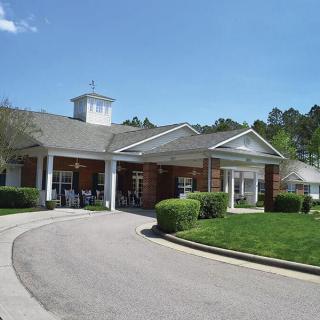
Avendelle at Lazy River in Raleigh, NC

Save

  • Interior

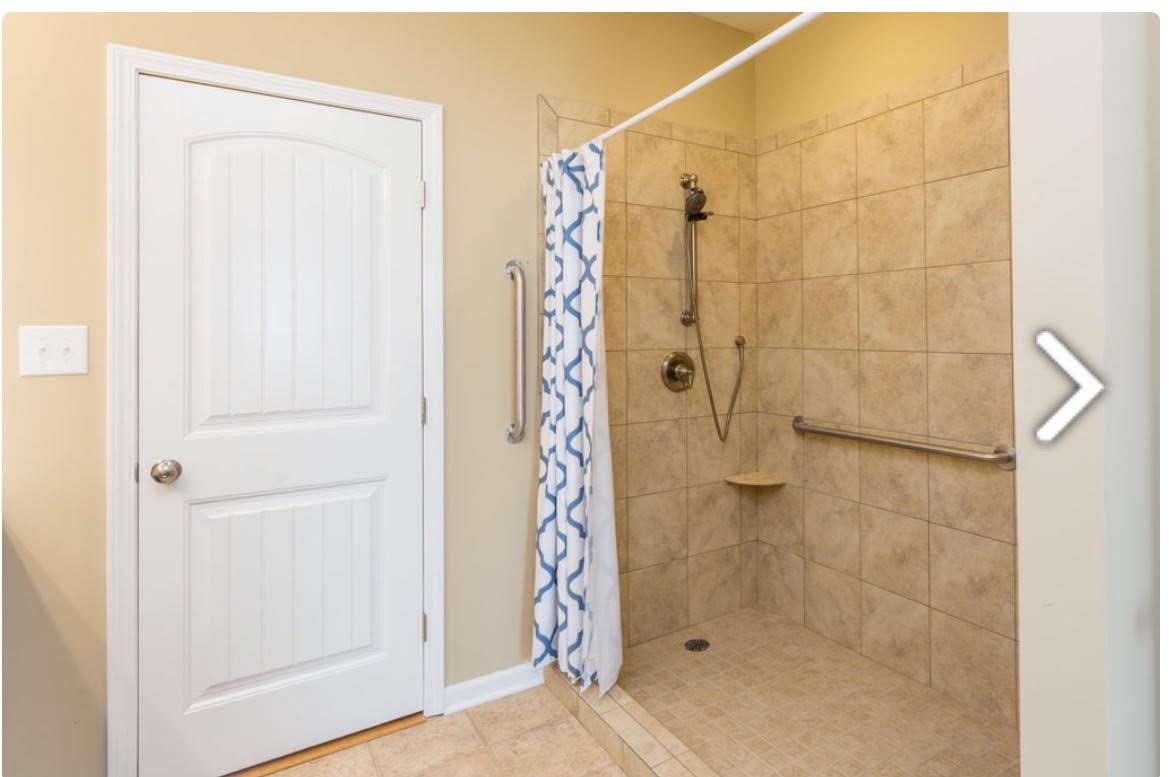
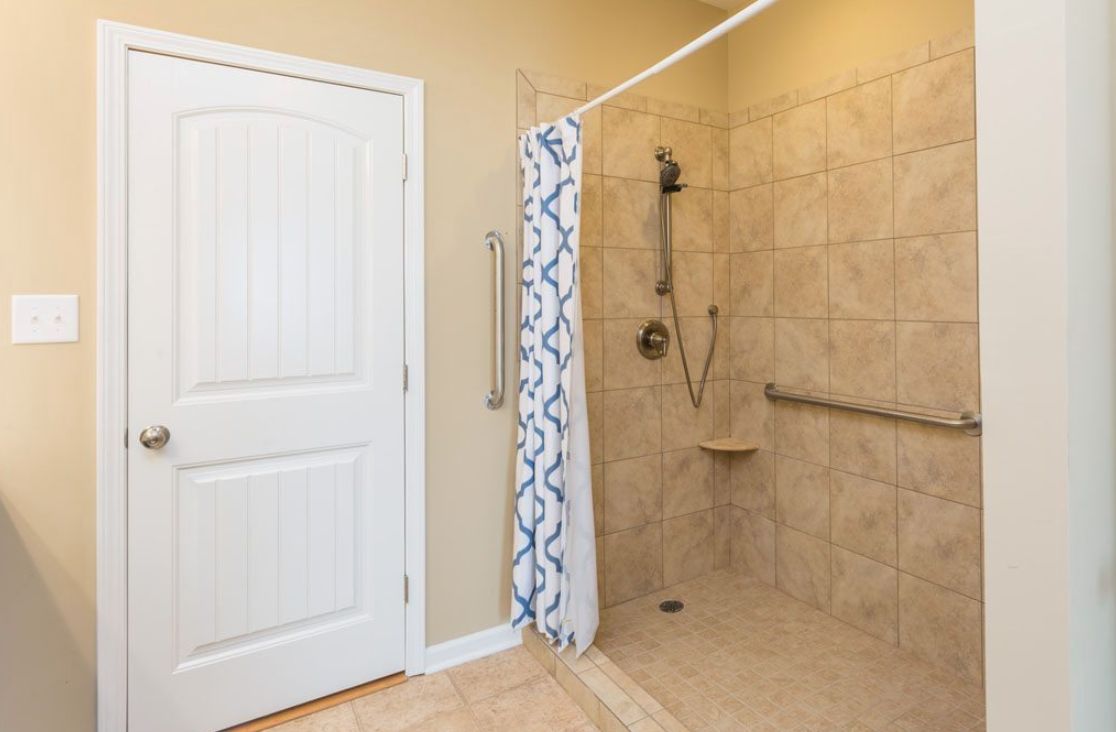
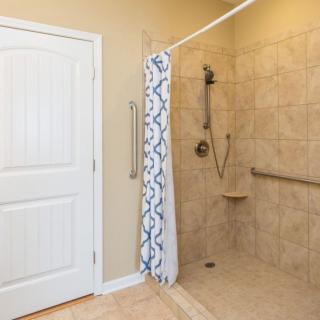
    A tiled bathroom with a shower area featuring a patterned curtain and grab bars for accessibility.
  • Decor

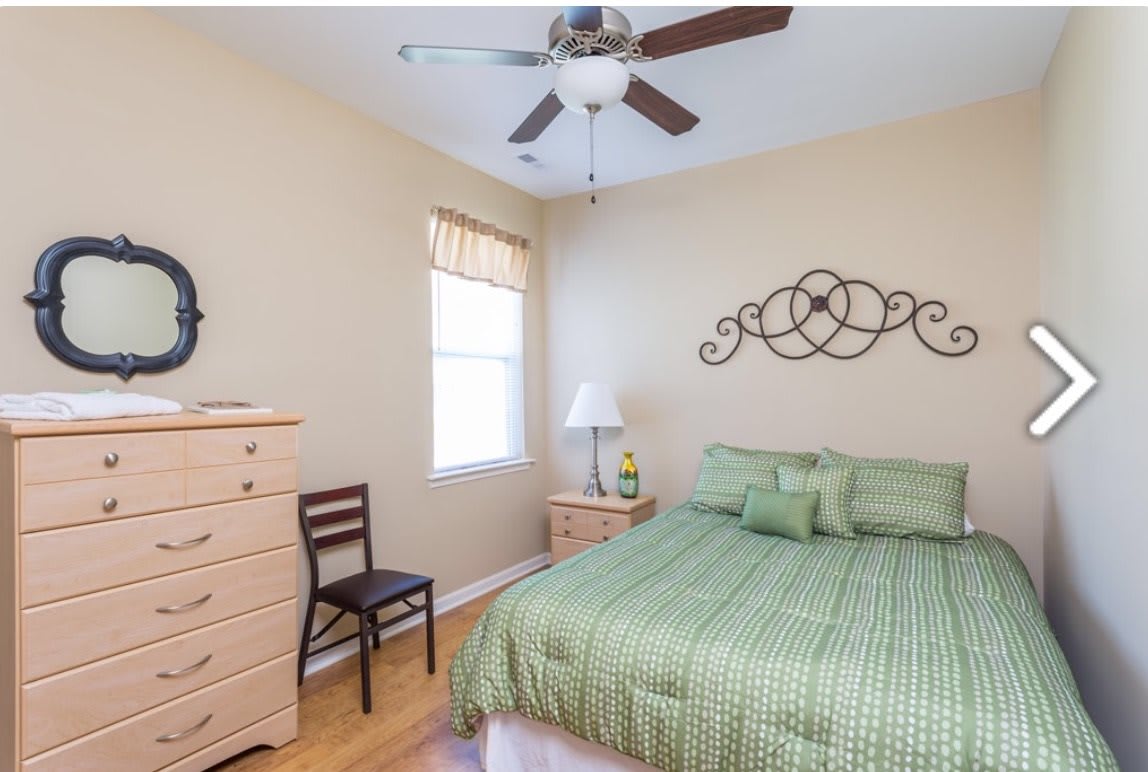
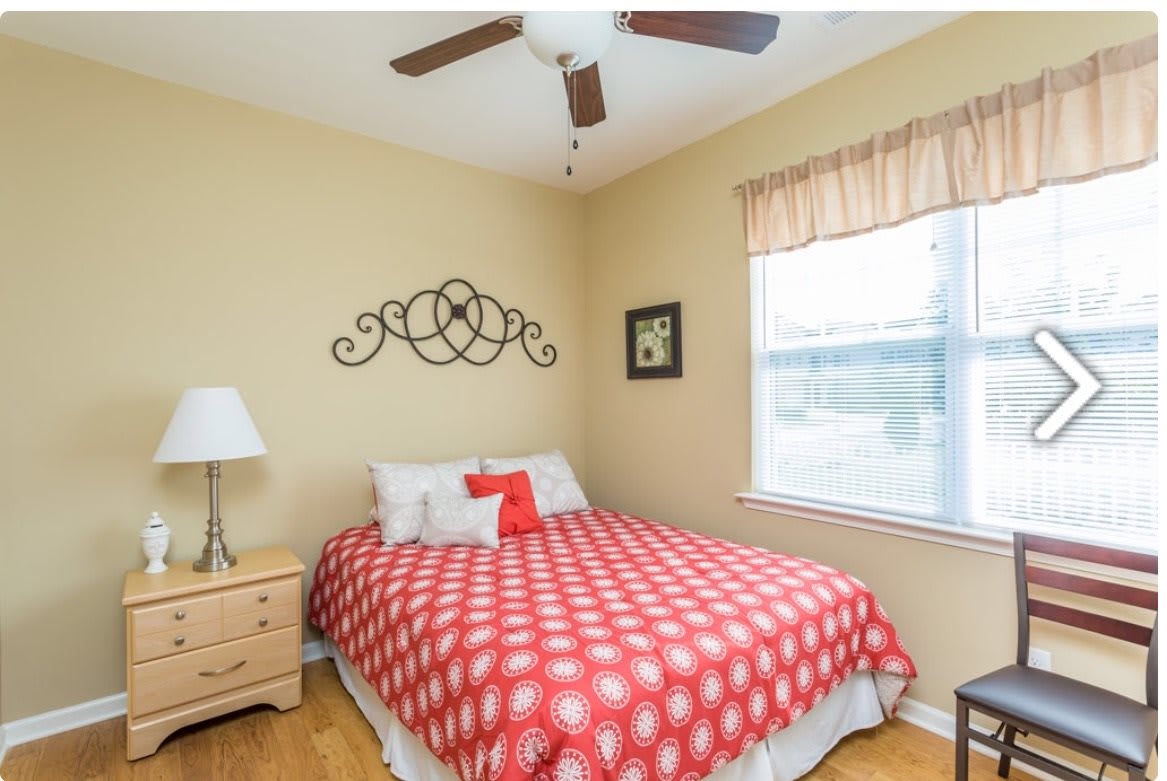
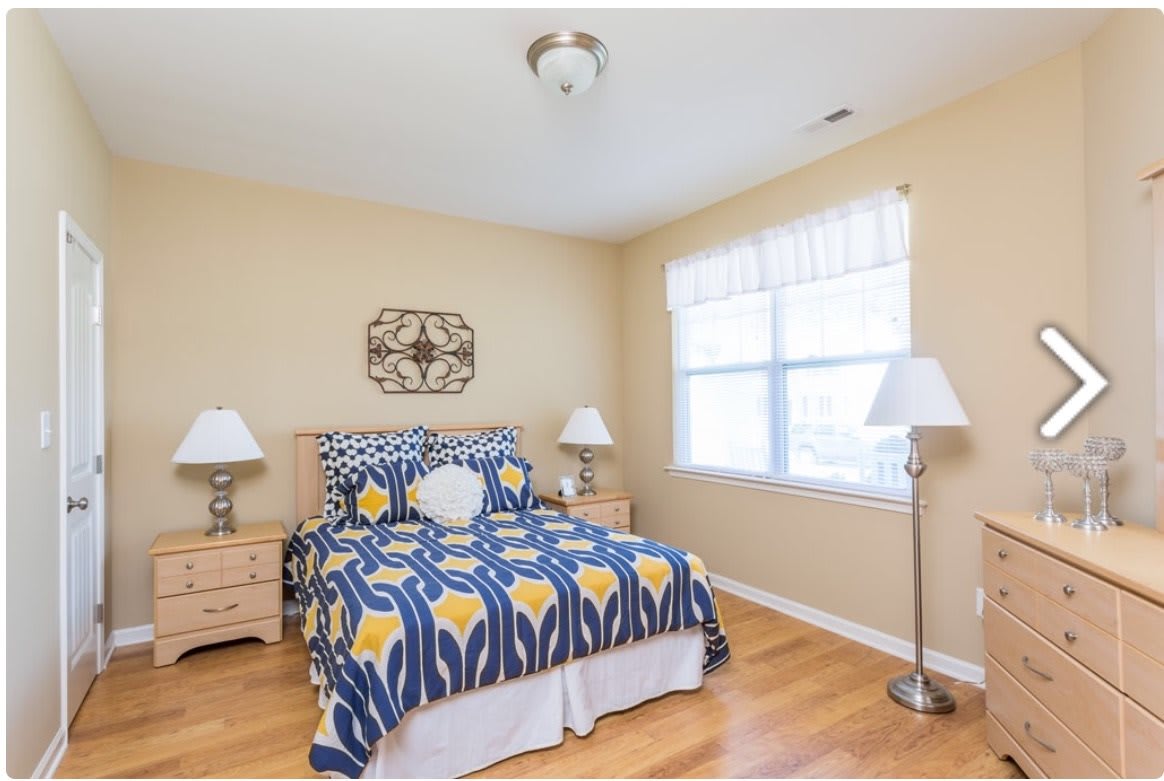
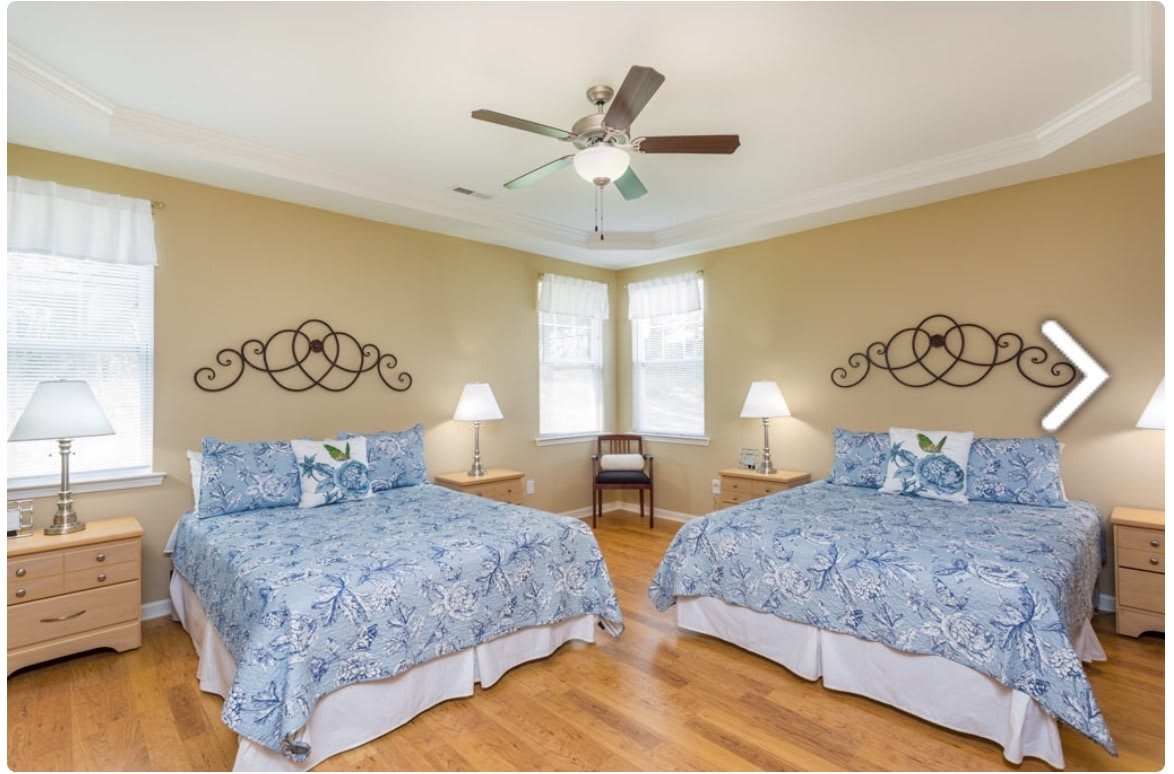
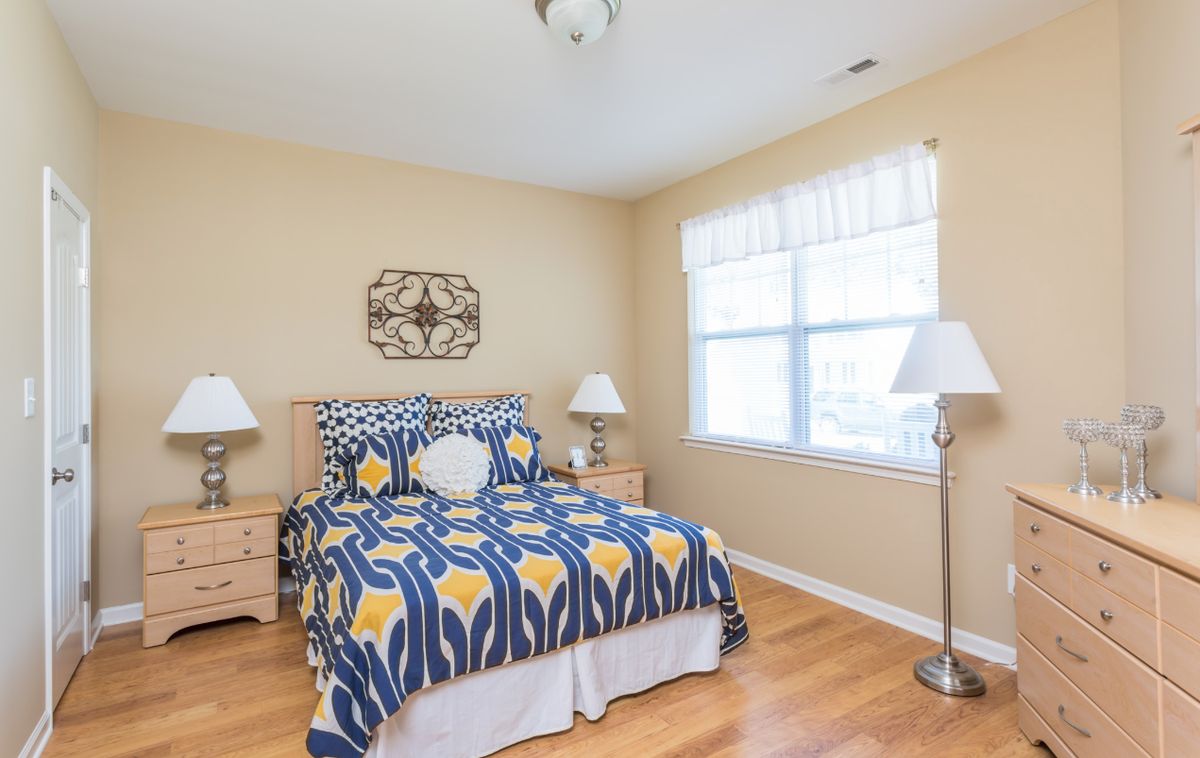
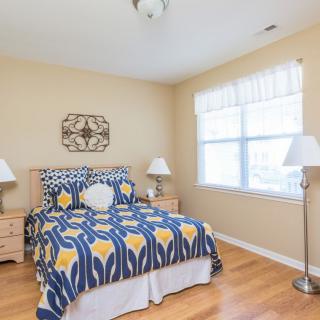
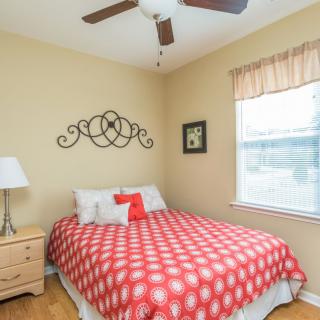
    A cozy bedroom with patterned bedding and natural light.
  • Living Room

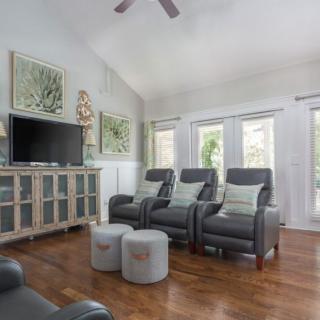
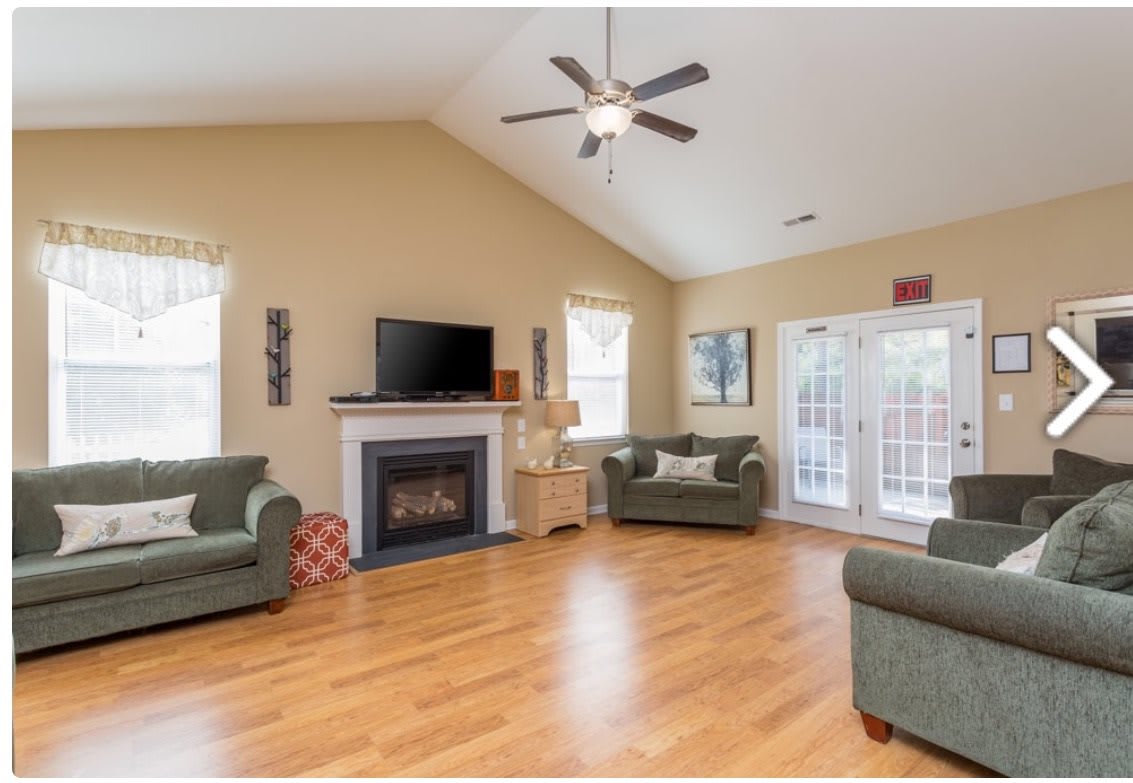
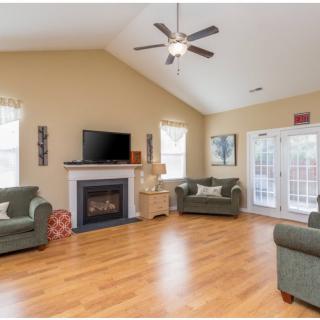
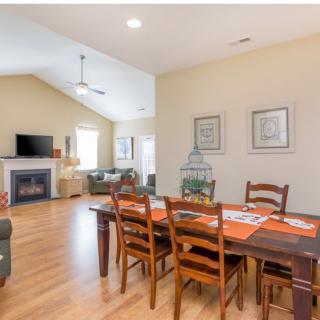
    A spacious living room with a fireplace, television, and comfortable seating.
  • Bedroom

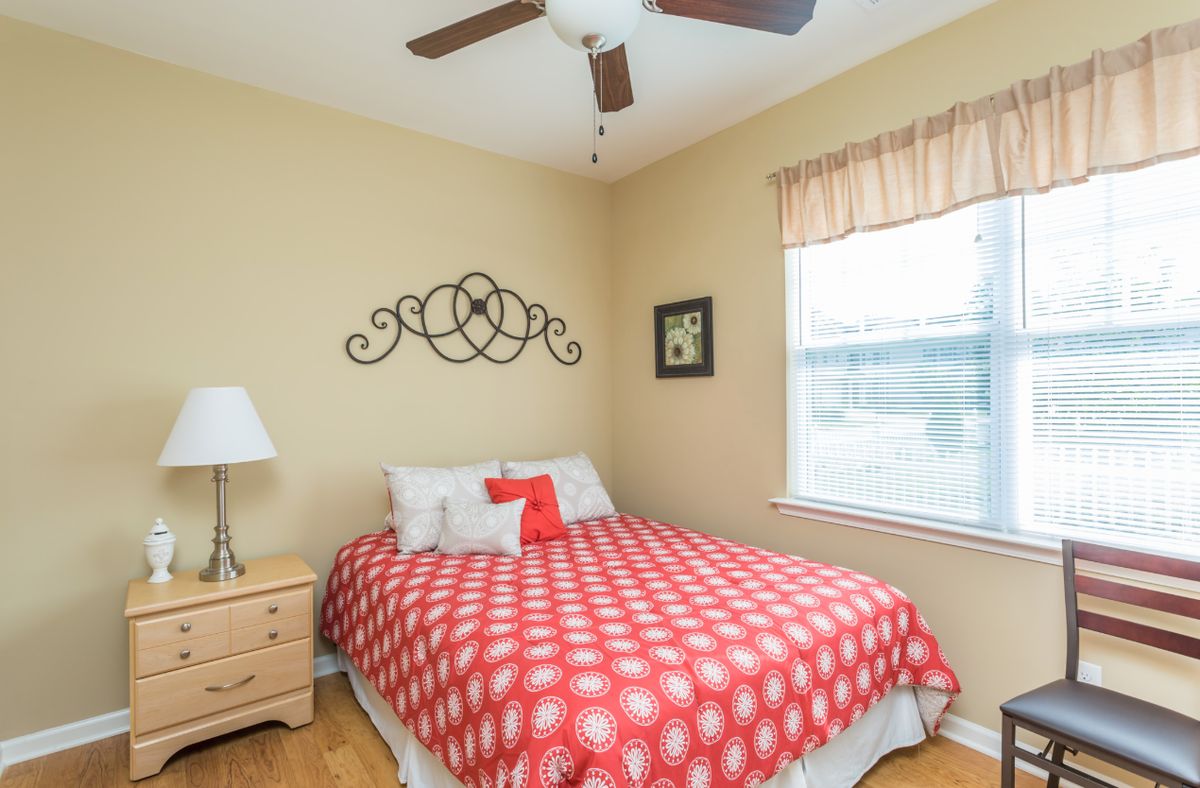
    A cozy bedroom with a polka dot bedspread, ceiling fan, and natural light from the window.
  • Trees

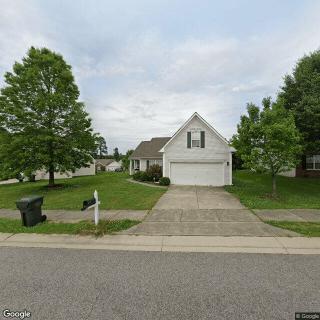
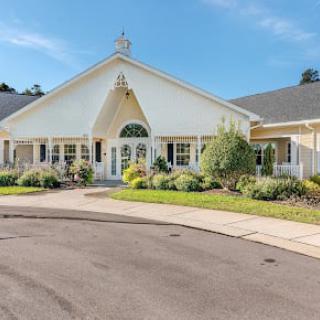
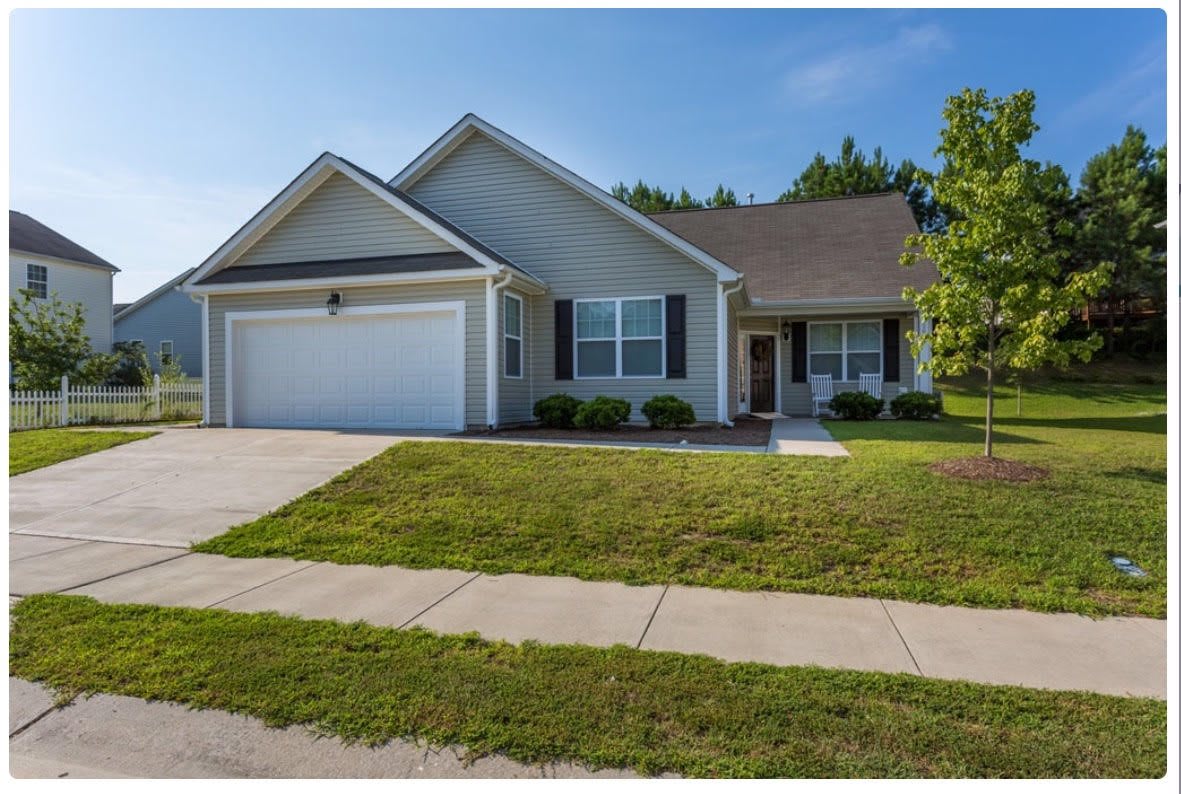
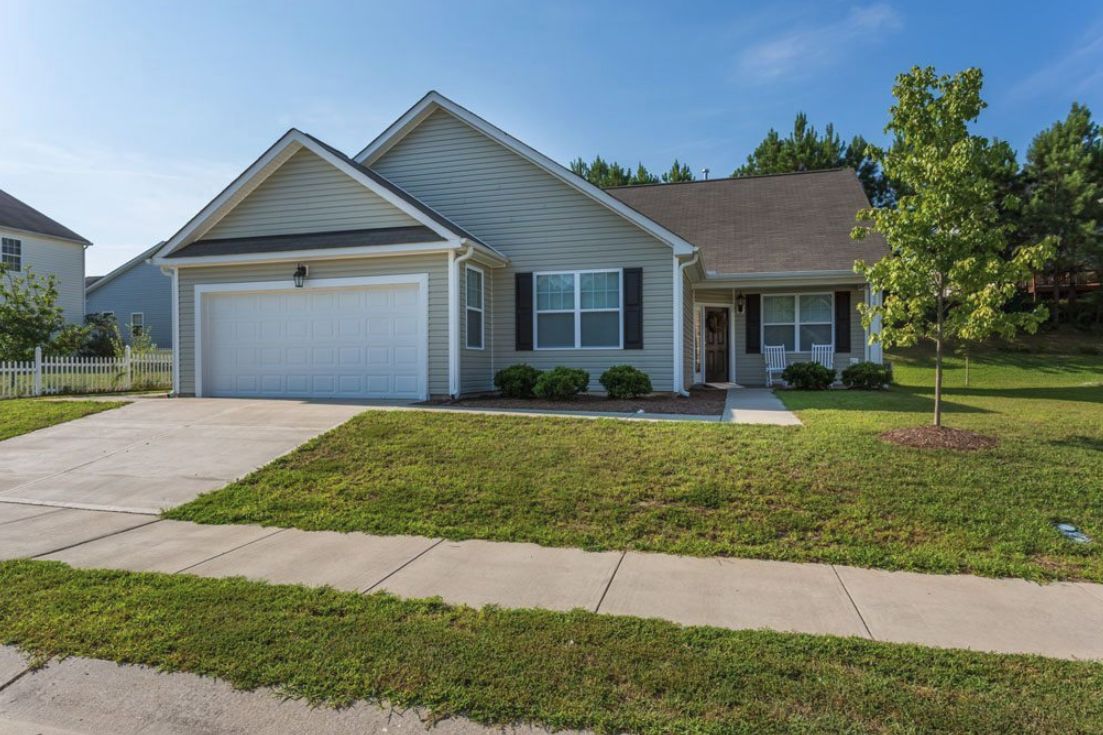
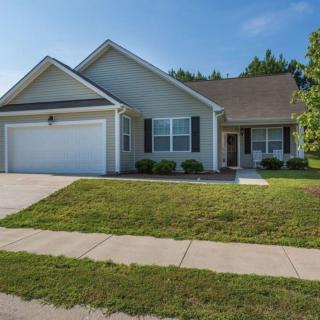
    A suburban house with a two-car garage and a well-maintained lawn.
  • Windows

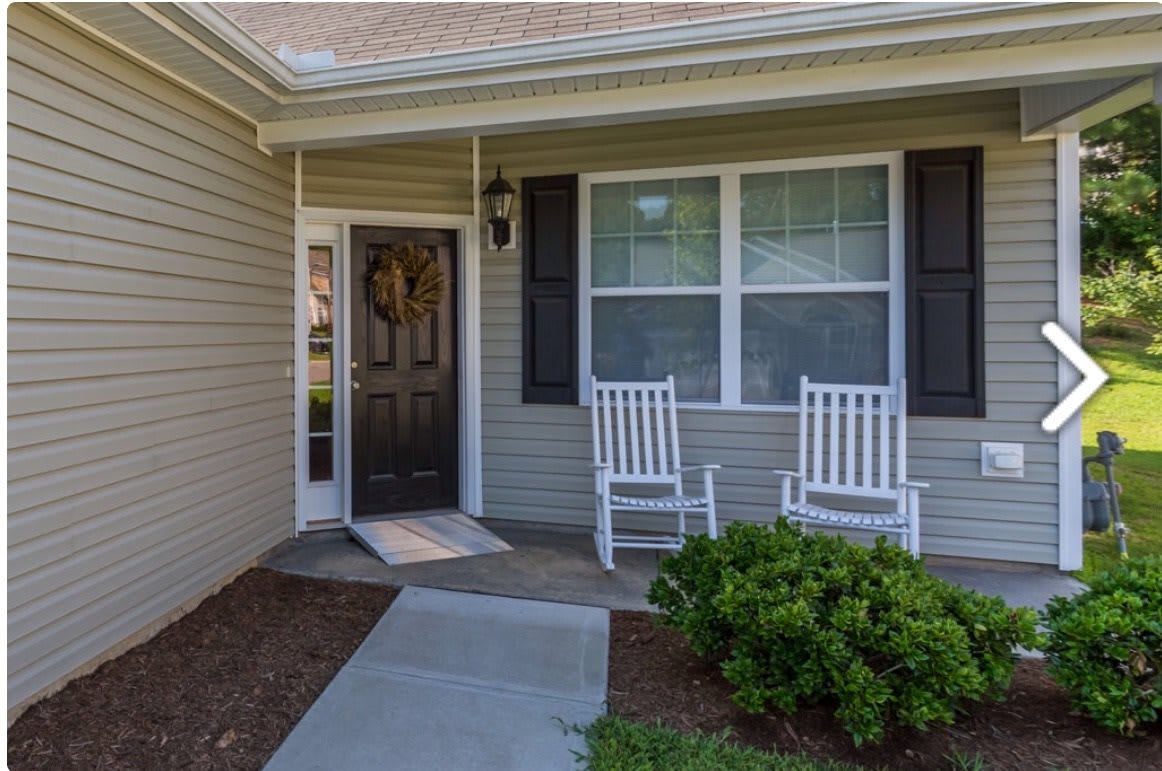
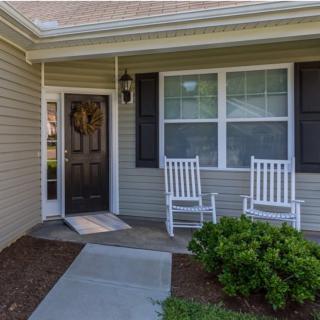
    A cozy front porch with two white rocking chairs beside the entrance.
  • Dining

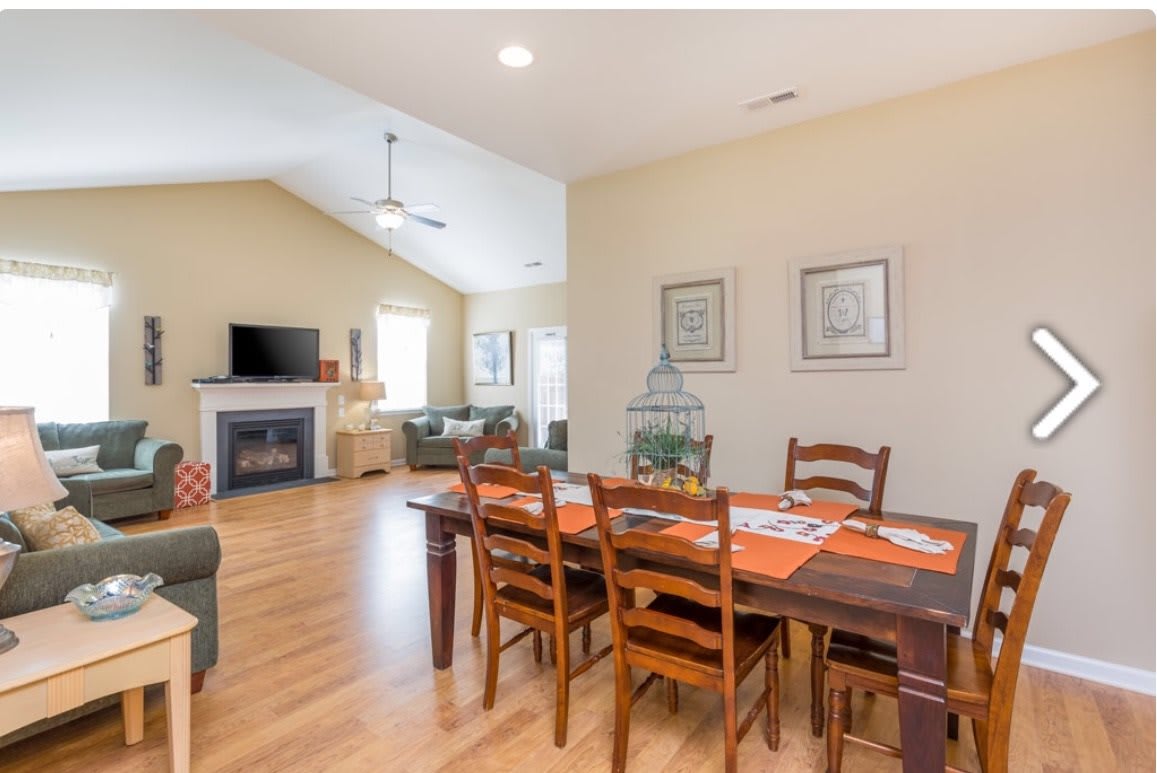
    A spacious living and dining area with an open floor plan, featuring wooden flooring, a cozy fireplace, and stylish furniture.
  • Landscaping

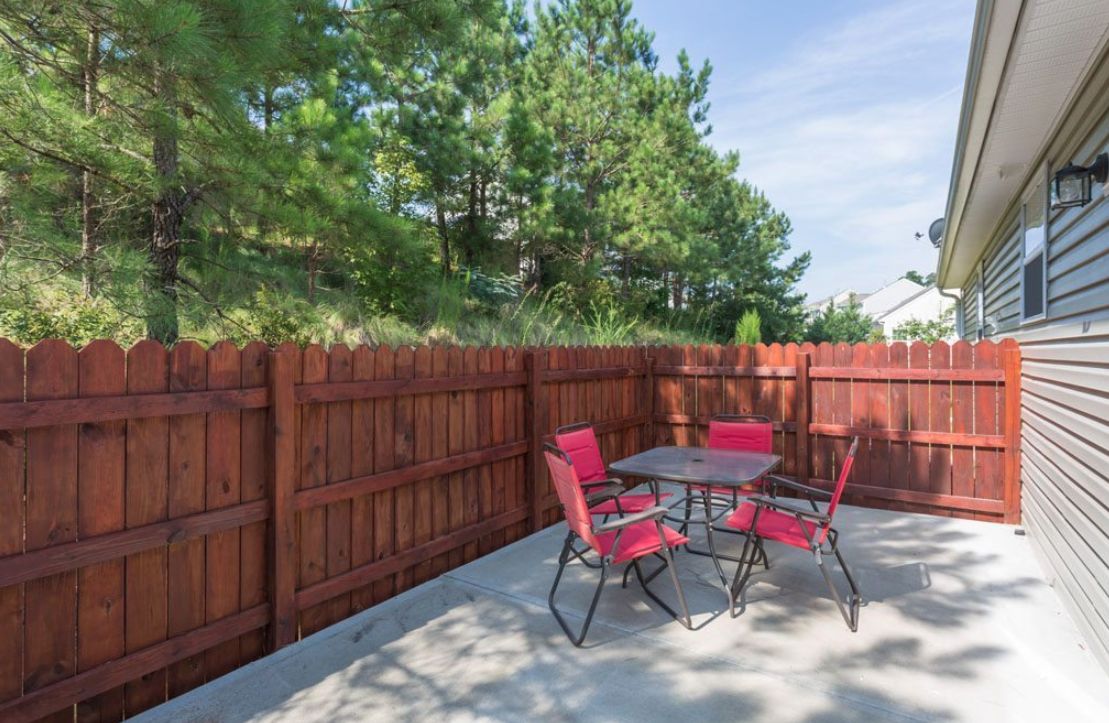
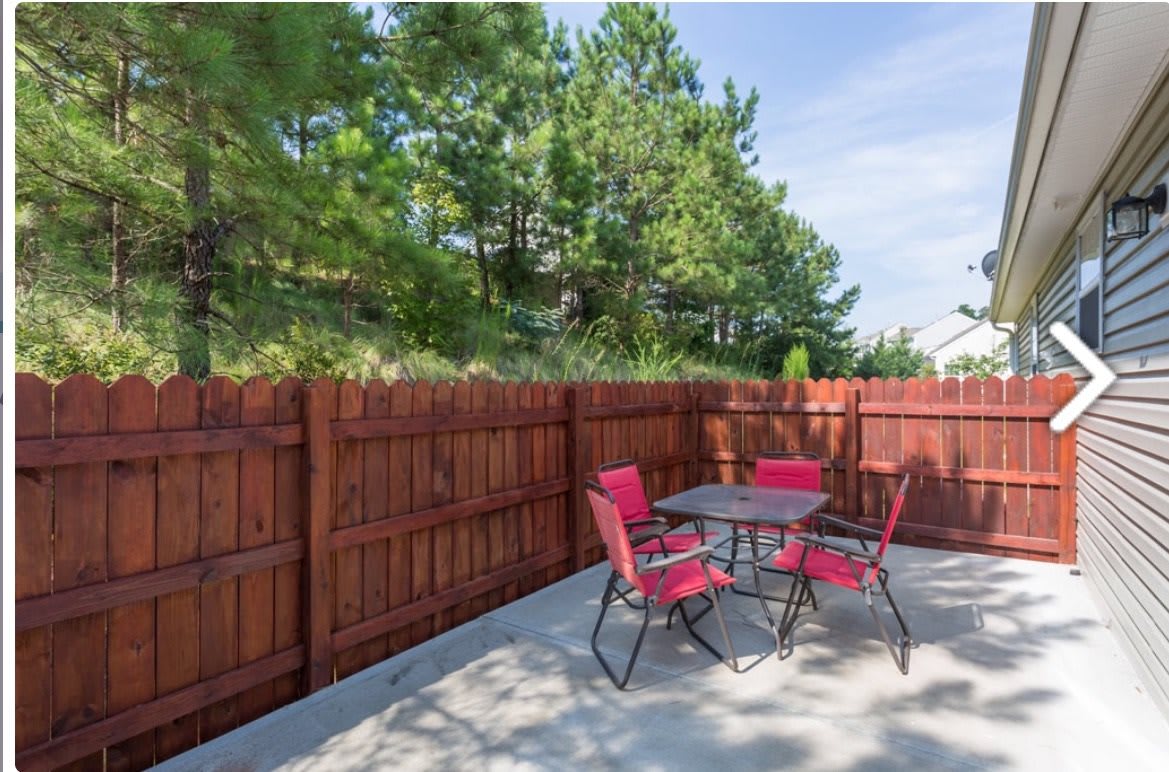
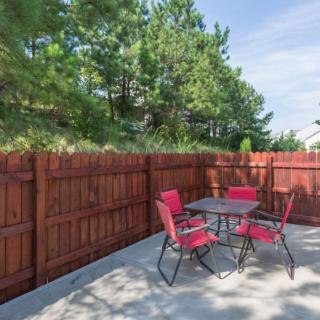
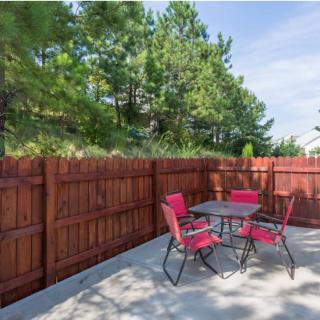
    A cozy outdoor patio area with a table and red chairs, surrounded by a wooden fence and lush greenery.
  • Kitchen

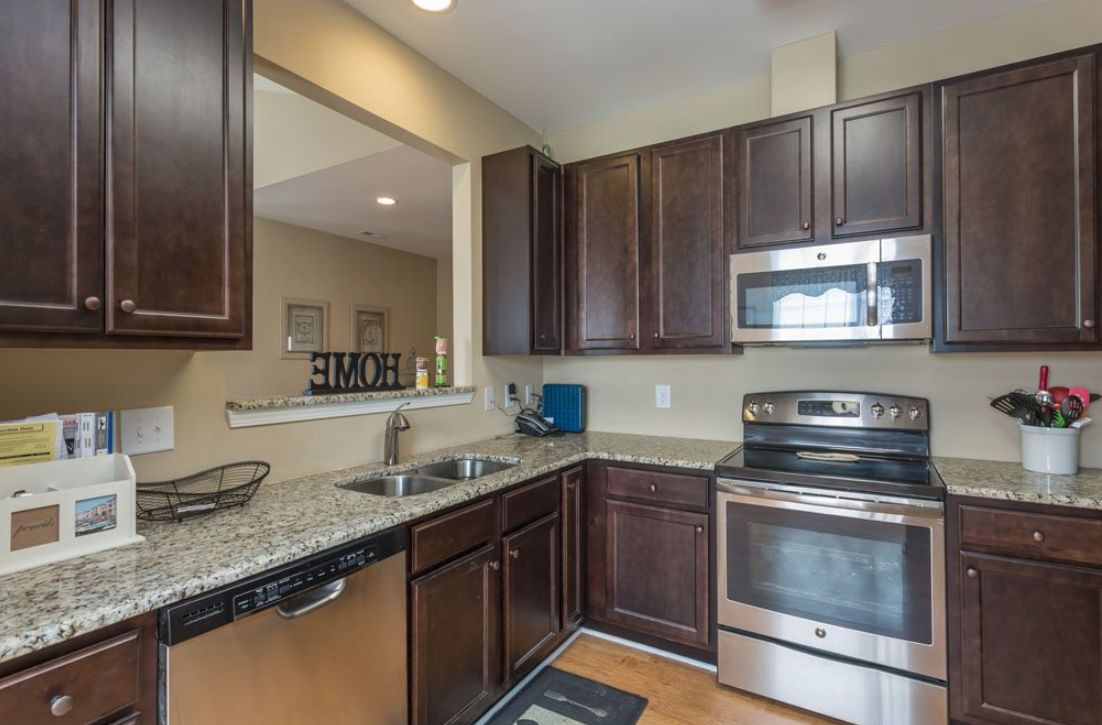
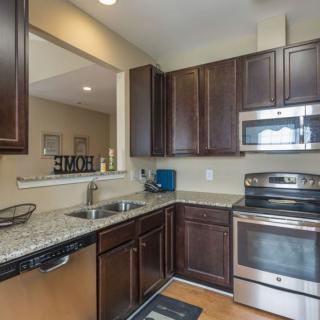
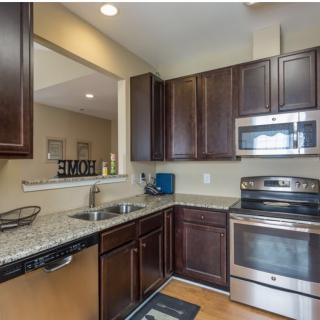
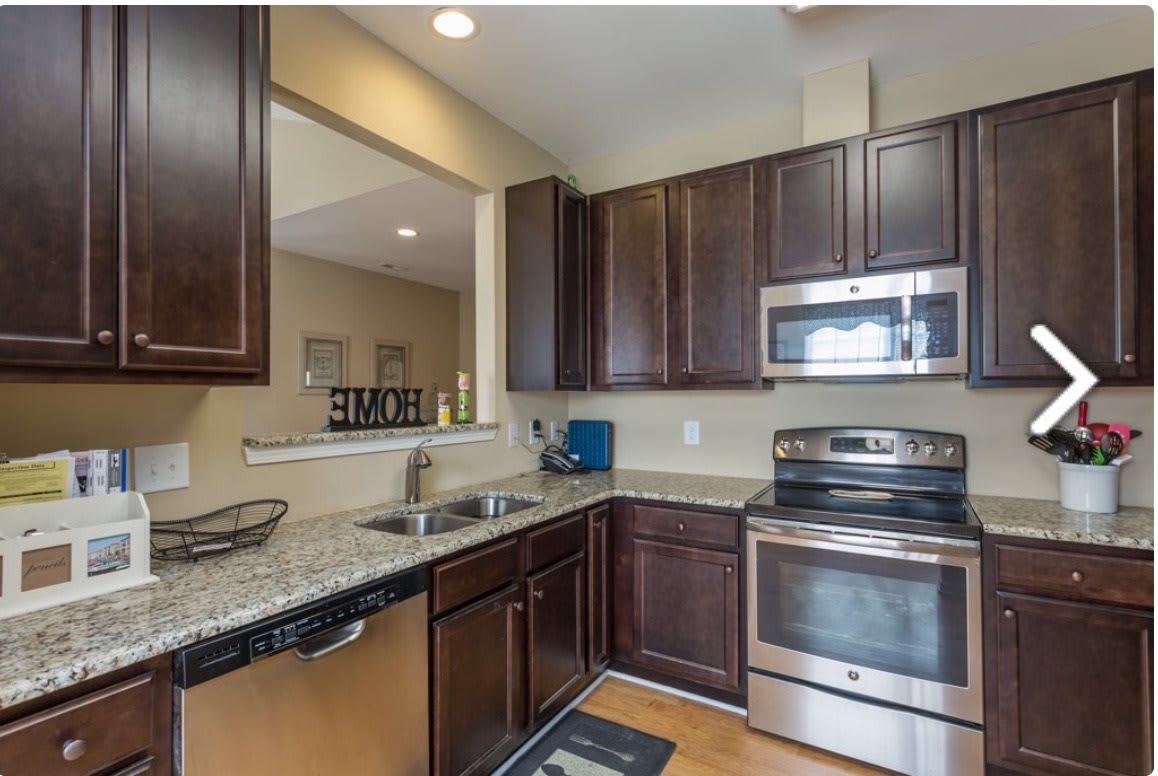
    A modern kitchen featuring stainless steel appliances and granite countertops with dark wood cabinets.
  • Lighting

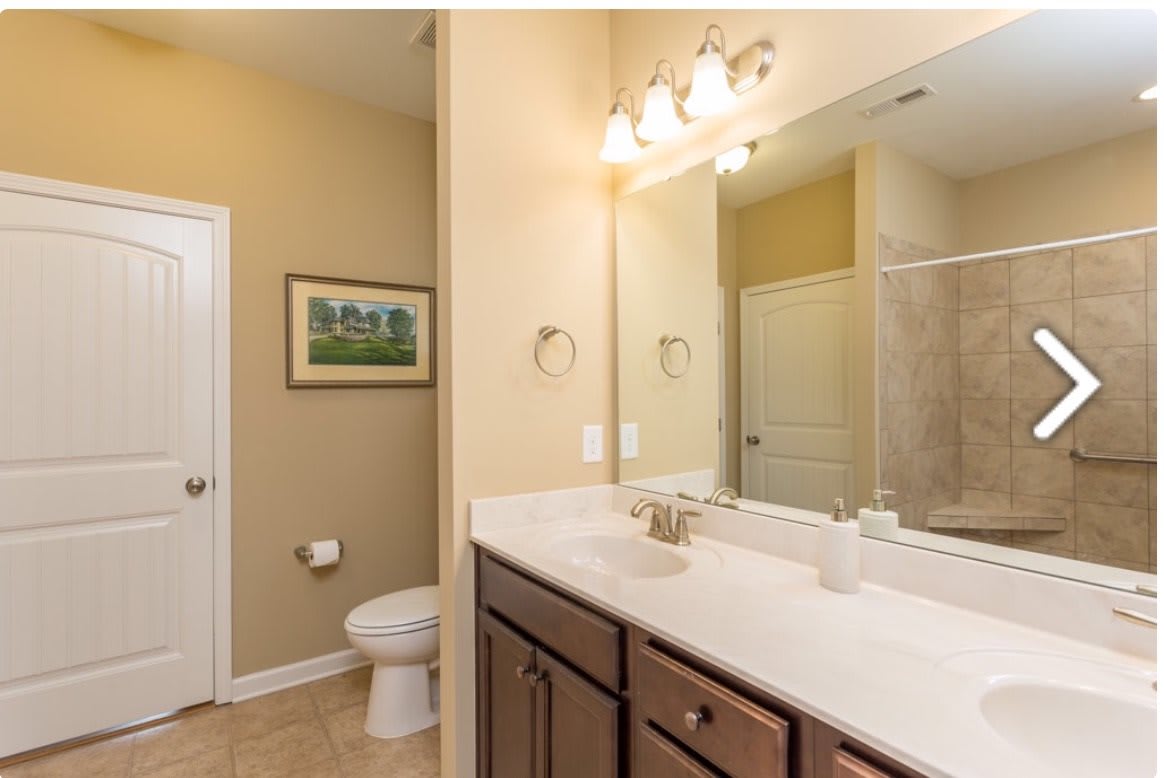
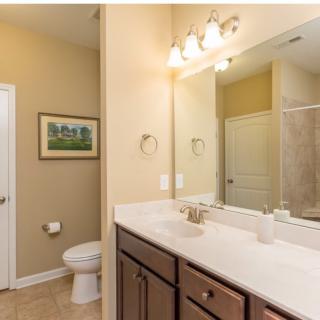
    A clean and well-lit bathroom featuring a large mirror, sink with vanity, toilet, and shower.
  • Patio

    A sunny backyard patio with red chairs and a table next to a wooden fence.
  • Bathroom

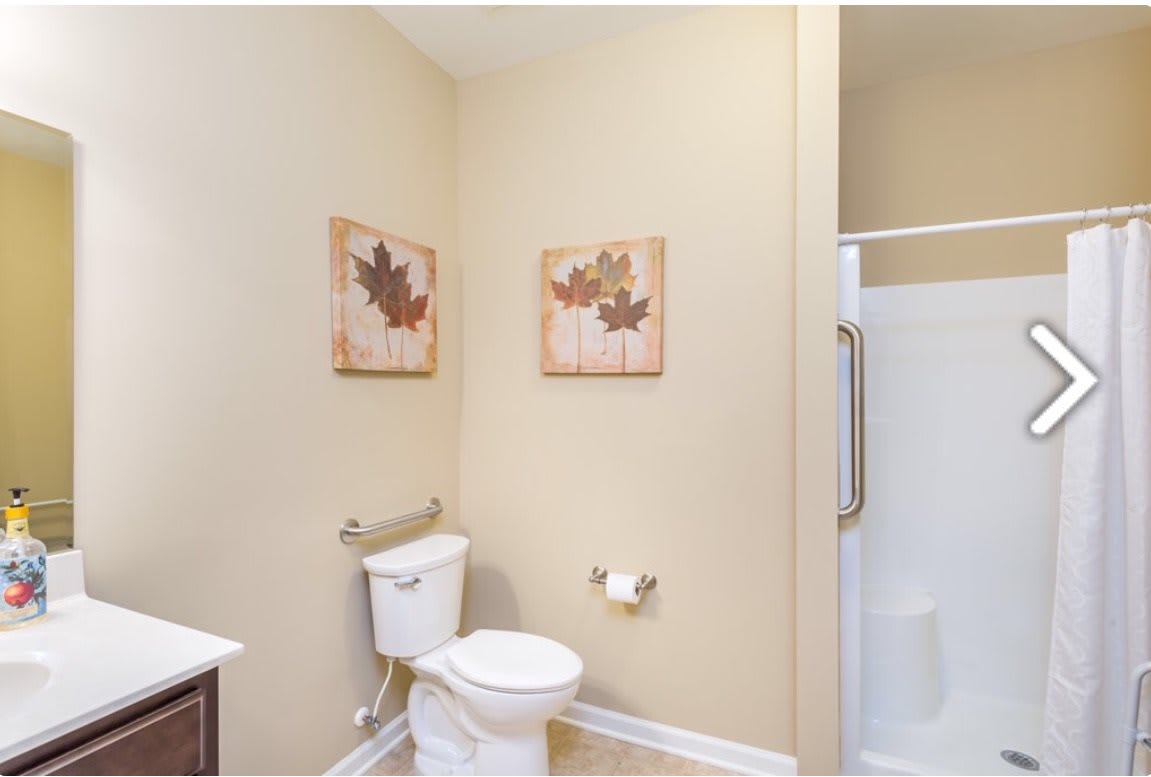
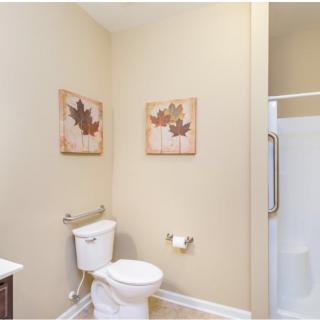
    A modern bathroom featuring a toilet, shower, and decorative wall art.
  • Appliances

    A modern kitchen with stainless steel appliances and granite countertops.
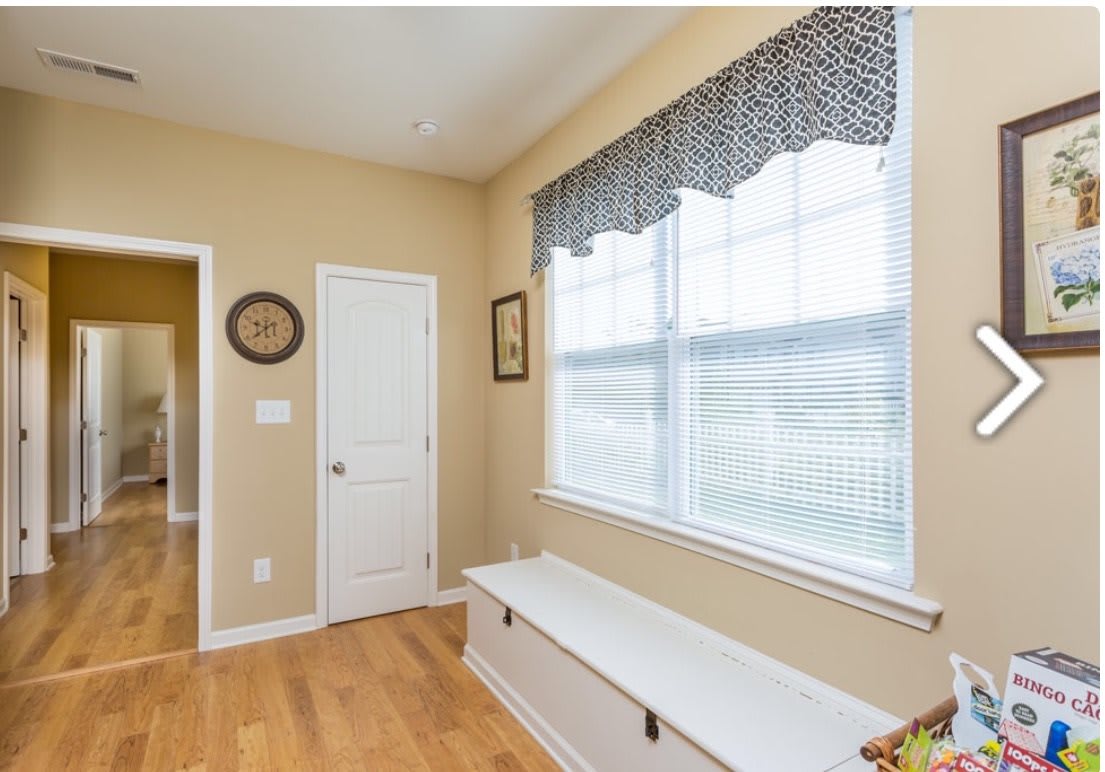
  • Hallway

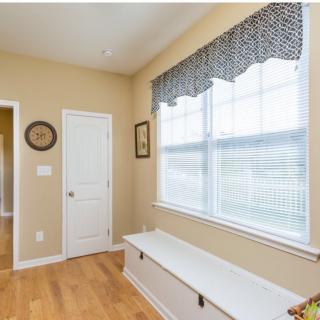
    A bright hallway featuring a window with patterned curtains, a bench, and hardwood flooring.

Avendelle at Lazy River in Raleigh, NC

2268 Lazy River Drive, Raleigh, NC 27610

For more information about senior living options: (844) 490-3973

5 from 12 reviews
5 stars
12
4 stars
0
3 stars
0
2 stars
0
1 stars
0

Assisted Living Board and Care Home

Avendelle at Lazy River Costs & Pricing

Avendelle at Lazy River offers a range of accommodation options with pricing that reflects both the quality of care and the amenities provided. For semi-private rooms, monthly costs range from $3,995 to $6,500, positioning them competitively against Wake County's average of $4,391 and North Carolina's overall average of $3,584. Studio accommodations are priced at $5,595, which is notably higher than Wake County's average of $4,757 and North Carolina's average of $4,020. Private rooms are available for $6,500 per month, which is slightly above the local averages in Wake County ($4,658) and North Carolina ($4,425). This pricing structure highlights Avendelle at Lazy River's commitment to providing specialized care tailored to individual needs while reflecting the broader market landscape.

Floor plansAvendelle at Lazy RiverWake CountyNorth Carolina
Semi-Private$3,995 to $6,500$4,391$3,584
Studio$5,595$4,757$4,020
Private$6,500$4,658$4,425

What level of care are you interested in?

Assisted Living

Memory Care

Independent Living

Skilled Nursing Facility

Continuing Care Retirement Community (CCRC)CCRC

Other


Request a tour at Avendelle at Lazy River

    Overall Review of Avendelle at Lazy River

    Pros

    • pro The facility feels like a warm home and not a hospital.
    • pro The staff are incredibly caring, friendly, and attentive.
    • pro The caregiver ratio cannot be beat, ensuring personalized care.
    • pro The place is spotless, clean, and well maintained every day.
    • pro Families are updated regularly and feel well-informed about their loved ones.
    • pro The meals are tasty and the dining experience is satisfying.
    • pro The owner is wonderful and genuinely cares about residents and staff.
    • pro Bean is wonderful, keeps families posted, and truly loves the residents.
    • pro Residents participate in activities and outings that bring joy and engagement.

    Review

    Avendelle at Lazy River in Raleigh is best suited for families seeking a small, home-like assisted living experience where a loved one benefits from highly personalized attention, steady daily routines, and hands-on, engaged staff. The community operates in a compact footprint - five bedrooms total - so care is tightly coordinated and relationships between residents and caregivers feel genuine rather than transactional. The atmosphere shifts away from institutional clinicality toward a warm, familiar setting where residents can move about freely in a secure environment. Families consistently hear that staff know the residents well, remember preferences, and deliver daily updates that reduce uncertainty for distant loved ones. Leadership, anchored by Darren, models a culture that treats caregiving as a vocation and preserves a tangible sense of home.

    Those weighing Avendelle against alternatives should weigh the limits of scale against the benefits of intimacy. For seniors who require a larger campus with broader programming, more specialized memory-care options, or a medical team on-call around the clock, this community may feel constrained. The small size translates to fewer on-site resources, fewer peers for structured social activities, and less breadth of programming than larger facilities. At the same time, the price point is frequently cited as very competitive, and the value emerges in the form of unmatched caregiver engagement, transparent communication, and a stable, people-first environment. If a resident's needs trend toward intensive medical management or a robust calendar of excursions, exploring other options is prudent.

    The strongest pros - an exceptionally attentive staff, frequent family communication, and a true home ethos - offset the most plausible drawbacks. Families repeatedly describe a caregiver ratio that "cannot be beat," with staff who are consistently hands-on, present, and responsive. The day-to-day experience feels custom-tailored: meals that feel home-cooked and comforting, residents who can wander into the kitchen, and a housekeeping routine that keeps the space pristine. The five-bedroom configuration cultivates a sense of belonging and security, with private rooms that maintain dignity while still offering companionship options. The ownership under Darren and the team's pride in their work show up in every interaction, imbuing the facility with reliability and trust.

    Cleanliness, predictable routines, and genuine care interact powerfully with the small-scale setting to create a protective, low-stress environment. Families note the ease of visitation, the consistency of staff, and the openness of communication with caregivers like Bean, who exemplify the personal investment many seek but rarely find in larger communities. The home-like design, coupled with frequent updates and visible staff supervision, minimizes the anxiety that often accompanies transitions into assisted living. In short, the pros deliver a quality of daily life and peace of mind that many families value more than the variety of amenities found in bigger campuses.

    Visitors should verify several practical details during tours to confirm fit. Ask about current occupancy and room options - whether a resident can remain in a preferred room if needs fluctuate - and how many caregivers typically attend each shift. Inquire about memory-care capabilities, emergency medical procedures, and whether there is 24/7 nursing support on-site or off-site as needed. Review mealtime routines, daily activity offerings, outside excursions, and how family updates are delivered (frequency, format, and points of contact). Finally, test the sense of community during a visit: observe interactions with residents, the speed of response to questions, and whether the home-like rhythm feels right for a particular loved one's temperament and needs.

    The bottom line is practical and decisive: Avendelle at Lazy River stands out for families seeking a warm, intimate, and highly attentive living environment where staff relationships feel genuine and care is consistently proactive. It is an especially strong choice for those who prize transparent communication, a tight-knit community, and a home-like atmosphere over large-scale amenities. Those who require expansive programming, complex medical oversight, or a dedicated memory-care wing should consider alternatives. A face-to-face visit will quickly reveal whether the small, relational model aligns with care goals and the resident's personality, paving a clear path for the next step.

    Features

    Housing

    • 22 resident community capacity 22 resident community capacity

    Types of Care

    • Assisted Living Assisted LivingAssisted living facilities provide crucial support and care for seniors who may need help with daily tasks such as medication management, bathing, and meal preparation. These communities offer a safe and comfortable environment where seniors can maintain their independence while receiving the assistance they need to thrive in their golden years.
    • Board and Care Home Board and Care HomeBoard and care homes provide a smaller, more intimate setting for seniors who require assistance with daily tasks but do not need the level of care offered by a nursing home. They offer personalized care, meals, and social activities in a homelike environment, ensuring that seniors receive individualized attention and support in their golden years.

    Amenities

    • Activities on-site Activities on-siteActivities on-site are important for seniors because they provide opportunities for socialization, mental stimulation, physical activity, and overall well-being. Engaging in activities can help seniors stay active, maintain their independence, and improve their quality of life.
    • Bath tubs Bath tubsBath tubs are important for seniors because they provide a safe and relaxing way to bathe, helping to prevent slips and falls while promoting independence and overall well-being.
    • Beauty salon Beauty salonBeauty salons are important for seniors because they provide a space for them to feel pampered, socialize, and maintain their personal grooming and hygiene. Regular visits to a beauty salon can help boost seniors' self-esteem and overall well-being.
    • Cable or satellite TV Cable or satellite TVCable or satellite TV is important for seniors because it provides entertainment, news, and companionship, helping to combat loneliness and boredom. It also offers a wide range of programming options tailored to different interests and preferences.
    • Devotional services off-site Devotional services off-siteDevotional services off-site are important for seniors as they provide spiritual nourishment, social engagement, and a sense of community outside of the senior living facility. This can enhance overall well-being and help combat feelings of isolation and loneliness often experienced by older adults.
    • Devotional services on-site Devotional services on-siteDevotional services on-site provide seniors with spiritual support and a sense of community, as well as an opportunity for reflection and guidance during their senior living experience. This can promote emotional well-being and connection to others, leading to a more fulfilling and enriching lifestyle in their later years.
    • Dining room Dining roomDining rooms are important for seniors as they provide a space for socialization, connection, and nutritious meals. They offer opportunities for residents to bond over shared meals, foster a sense of community, and promote healthy eating habits. Dining rooms also ensure that seniors have access to well-balanced meals tailored to their dietary needs and preferences.
    • Fully furnished Fully furnishedFully furnished senior living communities are important for seniors because they provide convenience, comfort, and a hassle-free moving experience. Seniors can easily settle into their new living space without the stress of having to buy and move furniture. This allows them to focus on enjoying their new home and community.
    • Garden GardenGardens are important for seniors as they provide a peaceful and therapeutic environment for relaxation, physical activity, and socialization. Being in nature has been shown to reduce stress, improve mood, and promote overall well-being. Gardens also offer opportunities for seniors to engage in gardening activities, which can improve mobility, flexibility, and cognitive function. Additionally, gardens create a sense of community and connection with others who share a passion for plants and outdoor spaces.
    • Housekeeping services Housekeeping servicesHousekeeping services are important for seniors because they help maintain a clean and safe living environment, promote independence, and reduce the risk of accidents or illnesses. Additionally, having assistance with household chores can alleviate physical strain and allow seniors to focus on other aspects of their well-being.
    • Indoor common areas Indoor common areasIndoor common areas are crucial for seniors as they provide a space for socialization, recreation, and community engagement, promoting overall well-being and reducing feelings of isolation and loneliness.
    • Kitchenette KitchenetteKitchenettes are important for seniors living in senior living communities because they provide the convenience and independence of being able to prepare simple meals and snacks in the comfort of their own living space. This can help promote a sense of autonomy and well-being for seniors, allowing them to maintain some level of control over their dietary choices and daily routines.
    • Move-in coordination Move-in coordinationMove-in coordination is important for seniors because it helps ease the transition into their new living environment. It ensures that all logistics, such as packing, organizing movers, and setting up utilities are taken care of, allowing seniors to focus on settling in and adjusting to their new home. Having a smooth move-in process can alleviate stress and anxiety, making the transition smoother and more enjoyable for seniors.
    • Outdoor common areas Outdoor common areasOutdoor common areas are important for seniors as they provide a space for socialization, physical activity, and relaxation. Being outside in nature can improve mood and overall well-being, while also encouraging movement and engagement with others. These spaces can help combat feelings of isolation and promote a sense of community among residents.
    • Outdoor space Outdoor spaceOutdoor spaces are important for seniors as they provide opportunities for physical activity, social interaction, exposure to natural light and fresh air, and a sense of connection to nature. Having access to outdoor spaces can improve overall well-being and quality of life for older adults living in senior communities.
    • Private PrivatePrivacy is important for seniors as it allows them to maintain their independence, dignity, and sense of control over their own lives. It also gives them the space and freedom to relax, reflect, and engage in activities that bring them joy and fulfillment. Creating private spaces within senior living facilities is crucial for promoting overall well-being and quality of life.
    • Private bathrooms Private bathroomsPrivate bathrooms are important for seniors in senior living communities because they provide independence, dignity, and comfort. Having a private bathroom allows seniors to maintain their personal hygiene routines without the need for assistance, promoting a sense of autonomy and privacy. Additionally, private bathrooms help prevent the spread of infections and provide a safe and clean environment for seniors to navigate safely.
    • Restaurant-style dining Restaurant-style diningRestaurant-style dining is important for seniors because it allows them to enjoy delicious, nutritious meals in a social and upscale setting. This enhances their dining experience, promotes healthy eating habits, and fosters socialization with fellow residents, ultimately contributing to their overall well-being and quality of life.
    • Small library Small librarySmall libraries are important for seniors as they provide access to a variety of reading materials, including books, newspapers, and magazines. This can help stimulate their minds, keep them engaged, and provide a sense of community through book clubs and other social activities. Additionally, reading has been shown to improve cognitive function and overall mental well-being in older adults.
    • Telephone TelephoneTelephones are important for seniors as they provide a lifeline for communication with loved ones, emergency services, and healthcare providers. They offer a sense of security and independence, enabling seniors to stay connected and access assistance when needed.
    • Wheelchair accessible showers Wheelchair accessible showersWheelchair accessible showers are crucial for seniors as they provide a safe and independent bathing option for those with mobility challenges. These showers help prevent falls and allow seniors to maintain their dignity and autonomy while ensuring they can bathe comfortably.
    • Wi-Fi/high-speed internet available Wi-Fi/high-speed internet availableWi-Fi/high-speed internet is important for seniors to stay connected with loved ones, access online resources, and participate in virtual activities to combat feelings of loneliness and isolation. It also allows them to easily manage healthcare needs, access entertainment, and engage in lifelong learning opportunities.

    Transportation

    • Raleigh-Durham International (14 miles away) Raleigh-Durham International (14 miles away)
    • Transportation arrangement (non-medical) Transportation arrangement (non-medical)Transportation arrangements are essential for seniors as they provide access to essential services, activities, and social interactions outside the home. This service helps maintain independence, mobility, and overall well-being for seniors who may have limited transportation options.
    • Transportation to doctors appointments Transportation to doctors appointmentsTransportation to doctors appointments is crucial for seniors as it ensures they have access to necessary medical care and support, promoting their health and well-being. It allows them to receive timely treatment, monitor existing conditions, and address any new health concerns efficiently. Additionally, transportation services can help seniors maintain their independence and quality of life by enabling them to stay connected with their healthcare providers.

    Care Services

    • 12-16 hour nursing 12-16 hour nursing12-16 hour nursing care is crucial for seniors in order to ensure around-the-clock monitoring, timely medication administration, and prompt response to any health concerns or emergencies. This level of care helps to promote the overall well-being and safety of seniors living in senior living communities.
    • 24-hour call system 24-hour call system24-hour call systems are important for seniors because they provide peace of mind and immediate assistance in case of emergencies. This technology ensures that help is always available, promoting safety and security for elderly individuals living alone or in assisted living facilities.
    • 24-hour supervision 24-hour supervision24-hour supervision is important for seniors to ensure their safety, well-being, and access to immediate assistance in case of emergencies or health issues. This constant support provides peace of mind for both seniors and their loved ones, allowing them to age in place with dignity and security.
    • Activities of daily living assistance Activities of daily living assistanceActivities of daily living assistance are important for seniors because they provide essential support with tasks such as eating, bathing, dressing, and mobility. This assistance helps seniors maintain their independence, dignity, and overall quality of life as they age.
    • Assistance with bathing Assistance with bathingAssistance with bathing is crucial for seniors as it helps maintain personal hygiene, prevents infections, and ensures their overall well-being and comfort. It also provides a sense of dignity and independence for seniors who may struggle with this task on their own.
    • Assistance with dressing Assistance with dressingAssistance with dressing is important for seniors because it helps maintain their independence, promotes personal hygiene, prevents accidents and injuries, and improves overall quality of life. This service ensures that seniors can continue to dress comfortably and confidently, despite any physical limitations they may have.
    • Assistance with transfers Assistance with transfersAssistance with transfers is crucial for seniors as it helps prevent falls and injuries, maintains their independence, and ensures they can safely navigate their living environment. It also provides peace of mind for both seniors and their loved ones.
    • Diabetes diet Diabetes dietA diabetes diet is crucial for seniors as it helps manage blood sugar levels, reduce risks of complications, and improve overall health and well-being. By following a balanced and nutritious diet tailored to their specific needs, seniors can better control their diabetes and enhance their quality of life.
    • Diabetic care Diabetic careDiabetic care is crucial for seniors as they are more susceptible to developing diabetes due to aging and other health conditions. Proper management of diabetes can help prevent complications such as heart disease, vision loss, and nerve damage, improving the overall quality of life for seniors in senior living communities.
    • High acuity care High acuity careHigh acuity care is important for seniors because it provides specialized medical attention and support for individuals with complex medical needs. This level of care ensures that seniors receive the appropriate treatment and assistance to maintain their health and quality of life as they age.
    • Incontinence care Incontinence careIncontinence care is essential for seniors to maintain their dignity, hygiene, and overall quality of life. By addressing incontinence issues promptly and effectively, seniors can enjoy a sense of independence and comfort in their daily activities.
    • Meal preparation and service Meal preparation and serviceMeal preparation and service are crucial for seniors as they may have limited mobility or energy to cook nutritious meals. Having access to healthy and convenient food options can ensure they are getting the proper nutrition needed to maintain their overall health and well-being.
    • Medication management Medication managementMedication management is crucial for seniors to ensure they are taking the right medications at the correct dosages and times. This helps prevent adverse drug interactions, reduces the risk of medication errors, and promotes overall health and well-being. Proactive management also allows for adjustments as needed based on changing health conditions or new prescriptions.
    • Mental wellness program Mental wellness programMental wellness programs are essential for seniors as they promote cognitive stimulation, emotional support, and social engagement. These programs help prevent isolation, depression, and cognitive decline, ultimately enhancing the overall quality of life for older adults.
    • Special dietary restrictions Special dietary restrictionsSpecial dietary restrictions are important for seniors because age-related changes in metabolism and health conditions can make it difficult for their bodies to process certain foods. By following a diet tailored to their specific needs, seniors can maintain their overall health and well-being, manage chronic conditions, and reduce the risk of complications such as malnutrition or food interactions with medications.

    Dining

    • Diabetes diet Diabetes dietA diabetes diet is crucial for seniors as it helps manage blood sugar levels, reduce risks of complications, and improve overall health and well-being. By following a balanced and nutritious diet tailored to their specific needs, seniors can better control their diabetes and enhance their quality of life.
    • Gluten-free Gluten-freeGluten-free options are important for seniors as they are more prone to digestive issues and dietary sensitivities. Offering gluten-free meal choices in senior living communities can help improve their overall health and well-being.
    • Low / no sodium Low / no sodiumLow/no sodium options are important for seniors because excessive sodium intake can lead to high blood pressure, heart disease, and other health issues commonly experienced by older adults. By choosing low/no sodium foods, seniors can better manage their health and reduce their risk of developing these conditions.
    • Meals provided Meals provided"Meals provided" are crucial for seniors in assisted living communities as it ensures they have access to nutritious, balanced meals without the stress of meal planning and preparation. This can help promote overall health and well-being for seniors who may have limited mobility or cognitive abilities.
    • No Sugar No SugarNo sugar diets are important for seniors because they can help prevent or manage chronic conditions such as diabetes, heart disease, and obesity. Sugar can also contribute to cognitive decline and inflammation in the body, so reducing sugar intake can lead to overall improved health and well-being in older adults.
    • Special dietary restrictions Special dietary restrictionsSpecial dietary restrictions are important for seniors because age-related changes in metabolism and health conditions can make it difficult for their bodies to process certain foods. By following a diet tailored to their specific needs, seniors can maintain their overall health and well-being, manage chronic conditions, and reduce the risk of complications such as malnutrition or food interactions with medications.
    • Vegetarian VegetarianA vegetarian diet is important for seniors because it can help lower the risk of chronic diseases, maintain a healthy weight, and provide essential nutrients needed for aging bodies. Additionally, plant-based diets are often easier on digestive systems and can contribute to overall well-being in older adults.

    Activities

    • Activities on-site Activities on-siteActivities on-site are important for seniors because they provide opportunities for socialization, mental stimulation, physical activity, and overall well-being. Engaging in activities can help seniors stay active, maintain their independence, and improve their quality of life.
    • Birthday parties Birthday partiesBirthday parties are important for seniors as they provide an opportunity for celebration, socialization, and joy. They allow seniors to feel special and appreciated, boosting their mood and overall well-being. Additionally, birthday parties can help combat feelings of isolation and loneliness by fostering connections with friends, family, and community members.
    • Community-sponsored activities Community-sponsored activitiesCommunity-sponsored activities are important for seniors as they provide opportunities for social interaction, mental stimulation, and physical activity. These activities can help improve overall well-being, combat loneliness and isolation, and promote a sense of belonging and purpose among older adults.
    • Day trips and outings Day trips and outingsDay trips and outings are important for seniors as they provide opportunities for socialization, mental stimulation, physical activity, and a break from daily routines. These experiences can enhance overall well-being and quality of life for older adults living in senior communities.
    • Devotional activities offsite Devotional activities offsiteDevotional activities offsite are important for seniors because they provide social engagement, spiritual growth, and a sense of community outside of their living environment. This can improve overall well-being, mental health, and combat feelings of isolation or loneliness.
    • Devotional activities on-site Devotional activities on-siteDevotional activities on-site provide seniors with a sense of community, spiritual fulfillment, and emotional support, promoting overall well-being and a positive sense of purpose in their lives.
    • Forever fit Forever fit"Forever fit" programs are crucial for seniors as they promote physical activity, social engagement, and overall well-being. These programs help seniors maintain their independence, improve their strength and flexibility, and reduce the risk of chronic diseases. By participating in these activities, seniors can enjoy a higher quality of life and live independently for longer.
    • Holiday parties Holiday partiesHoliday parties are important for seniors because they provide opportunities for socialization, community involvement, and mental stimulation. These festive events offer a sense of belonging and connection during a time that can be lonely for many older adults. Additionally, participating in holiday celebrations can boost mood and overall well-being for seniors living in senior living communities.
    • Live musical performances Live musical performancesLive musical performances can provide seniors with a sense of joy, nostalgia, and connection. Music has the power to evoke emotions and memories, improve mood and cognitive function, and foster social interaction among seniors. It can also serve as a form of therapy and stress relief for older adults, making it an important activity to include in senior living communities.
    • Resident-run activities Resident-run activitiesResident-run activities are important for seniors as they encourage social interaction, creativity, and a sense of autonomy. These activities empower seniors to stay engaged and active in their community while fostering meaningful connections with their peers.
    • Scheduled daily activities Scheduled daily activitiesScheduled daily activities are important for seniors because they provide structure, socialization, mental stimulation, and physical activity. Engaging in regular activities can improve overall well-being and quality of life for seniors living in a community setting.
    • Trivia games Trivia gamesTrivia games are important for seniors because they provide mental stimulation, social interaction, and a fun way to keep the mind sharp. They can help improve memory, cognitive function, and overall well-being in older adults.

    Description

    Avendelle at Lazy River in Raleigh, NC is a premier assisted living community that offers a wide range of amenities and care services for seniors. The community provides a comfortable and homelike environment for residents to enjoy their golden years.

    Residents can take advantage of amenities such as cable or satellite TV, fully furnished accommodations, housekeeping services, and access to an outdoor space to relax and enjoy the fresh air. The community also features restaurant-style dining where residents can savor delicious meals prepared by skilled chefs. For those who love reading, there is a small library available. Wi-Fi/high-speed internet is also provided for residents to stay connected with their loved ones or browse the web.

    In terms of care services, Avendelle at Lazy River ensures the safety and well-being of its residents with 24-hour call system and supervision. Trained staff members are always available to provide assistance with activities of daily living such as bathing, dressing, and transfers. The community also offers medication management to ensure that residents take their medications correctly.

    Special dietary restrictions are accommodated by offering diabetes diets and preparing meals accordingly. In addition, there is a mental wellness program in place to promote overall emotional well-being among residents.

    Avendelle at Lazy River is conveniently located near various amenities such as cafes, parks, pharmacies, physicians' offices, restaurants, places of worship, theaters, and hospitals. Transportation arrangements are available for non-medical purposes as well as transportation to doctors' appointments.

    Overall, Avendelle at Lazy River provides a caring and supportive environment where seniors can live comfortably while receiving the assistance they need.

    Nearby Places of Interest

    Restaurants

    • Bojangles' Famous Chicken 'n Biscuits (0.6 miles)
    • Zaxby's (2.5 miles)
    • Brass Tap & Billiards (2.6 miles)
    • Golden Corral (2.7 miles)
    • Buffalo Brothers Pizza & Wing (2.7 miles)
    • Wendy's (3 miles)
    • Waffle House (3 miles)

    Cafes

    • Starbucks (0.8 miles)
    • Panera Bread (5 miles)
    • Starbucks (6.5 miles)
    • Starbucks (7.5 miles)
    • Starbucks (7.7 miles)

    Places of Worship

    • Beacon Baptist Church (1.6 miles)
    • Gethsemane Lutheran Church (7 miles)

    Physicians

    • Duke Primary Care Knightdale (1.7 miles)
    • Alliance Medical Ministry (2.8 miles)
    • Knightdale Family Medicine (2.9 miles)
    • Rajendra L Nigalye (3.9 miles)
    • Family Medical Associates of Raleigh (4 miles)
    • Wake Radiology Diagnostic Imaging (5.1 miles)
    • Midtown Dermatology (6.4 miles)

    Parks

    • Marsh Creek Park (1.8 miles)
    • Buffaloe Road Athletic Park (2.5 miles)
    • Eastgate Park (4.9 miles)
    • Chavis Park (5.1 miles)
    • Horseshoe Farm Park (5.7 miles)
    • Biltmore Hills Park (5.9 miles)
    • Durant Nature Park (6.5 miles)

    Pharmacies

    • Knightdale Pharmacy (2.3 miles)
    • Walgreens (2.5 miles)
    • Walgreens (3.4 miles)
    • CVS Pharmacy (3.4 miles)
    • Walmart Pharmacy (4.1 miles)
    • CVS Pharmacy (4.4 miles)
    • CVS Pharmacy (5.4 miles)

    Hospitals

    • WakeMed Health & Hospitals (2.6 miles)
    • WakeMed Heart Center (2.6 miles)
    • Duke Raleigh Hospital (4.3 miles)
    • Wakemed Garner Healthplex (7.6 miles)
    • UNC Specialty Women's Center at Rex (8.8 miles)

    Theaters

    • Alamo Drafthouse Raleigh (3.6 miles)

    Transportation

    • Enterprise Rent-A-Car (4.1 miles)

    Frequently Asked Questions

    How much does it cost to live at Avendelle at Lazy River in Raleigh, NC?
    Where is Avendelle at Lazy River?
    What photos are available for Avendelle at Lazy River in Raleigh, North Carolina?

    Nearby Communities

    • Spring Arbor of Raleigh

      Spring Arbor of Raleigh

      Raleigh, NC

      4.1 from 54 reviews
      $3,995 to $5,560 / month

      pro Caring, family-like staff with engaging activities.

    • The Manor At Edgewater

      The Manor At Edgewater

      Raleigh, NC

      4 from 1 review
      $2,000 to $3,500 / month

      pro Beautiful, well-maintained home with attentive staff and engaging activities.

    • Avendelle Assisted Living At Wyckford

      Avendelle Assisted Living At Wyckford

      Raleigh, NC

      4.5 from 2 reviews
      $6,500 / month

      pro Caring, friendly staff; clean, well-maintained environment; enjoyable dining and activities

    • Avendelle at Waterford Landing

      Avendelle at Waterford Landing

      Raleigh, NC

      4.5 from 24 reviews
      $3,840 to $6,500 / month

      pro Attentive staff in a home-like, clean environment.

    • Above And Beyond Expectation

      Above And Beyond Expectation

      Raleigh, NC


      pro Personalized ADL support with healthcare coordination in a comfortable, well-equipped setting.

    • Hillcrest Family Care Home

      Hillcrest Family Care Home

      Raleigh, NC

       
      $2,500 / month

      pro Affordable private rooms with strong nearby healthcare access.

    • Cadence at North Raleigh

      Cadence at North Raleigh

      Raleigh, NC

      4.6 from 94 reviews
      $4,060 to $7,490 / month

      pro Friendly, attentive staff and engaging activities in a clean, welcoming community.

    • Sir Walter Apartments

      Sir Walter Apartments

      Raleigh, NC

       
      $4,518 to $5,873 / month

      pro Vibrant Raleigh location with excellent access to healthcare, dining, parks, and cultural amenities.

    • Brookdale North Raleigh

      Brookdale North Raleigh

      Raleigh, NC

      4.5 from 104 reviews
      $2,615 to $5,360 / month

      pro Strong sense of community with friendly staff and diverse daily activities.

    Related Resources

    • does medicaid pay for assisted livingUnderstanding Medicaid Coverage for Assisted Living: A Comprehensive Guide

      The guide outlines the complexities of Medicaid coverage for assisted living, highlighting significant state-to-state variations, limited coverage often restricted to personal care services, and the existence of specialized waivers for certain needs like memory care. It advises families to consult local Medicaid offices for options while emphasizing the importance of understanding state-specific regulations and facility policies.

    • does medicaid pay for assisted livingHow and When Medicaid May Cover Assisted Living Costs

      Medicaid coverage for assisted living varies by state and is primarily available to low-income individuals, with eligibility dependent on strict income and asset limits. Some states offer HCBS waivers for specific services in assisted living, but families must generally cover room and board costs, and should verify facility acceptance of Medicaid while considering potential waiting lists.

    • assisted living waiver programA Detailed Exploration of Assisted Living Medicaid Waivers Across the United States
      Medicaid waivers for assisted living services provide vital support for seniors and individuals with disabilities in need of long-term care, with varying state-specific eligibility criteria and benefits. These waivers cover personal care and case management but often do not fully cover room and board, leading to waiting lists for many applicants.


    Get Pricing Ask A Question Schedule A Tour Contact Senior Advisor