
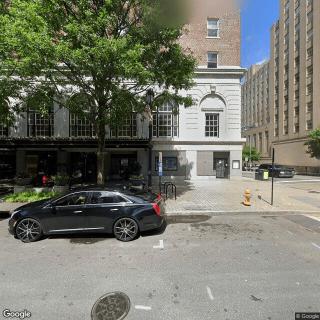
3905 Iverson Street, Raleigh, NC 27604
For more information about senior living options: (866) 208-4318
Overall Review of Above And Beyond Expectation
Cons
 The staff member who answered the phone was extremely rude.
- She spoke in a loud, condescending tone when asked about the RBT tech position.
- The tone and delivery turned the reviewer off.
- The reviewer described the experience as very unprofessional.
Review
Above And Beyond Expectation in Raleigh, NC appears best suited for families that can tolerate variability in frontline staff interactions and want a basic, straightforward senior living option where care routines exist but front-desk communication may not feel consistently polished. The standout signal from the available evaluations is not a uniform, high-touch experience; it is a mixed bag that suggests some residents and families see value in the core offering, while others are put off by how newcomers are greeted and handled at the start of the process.
Those who may want to consider alternatives are families for whom first impressions and ongoing communication matter as non-negotiables. The most explicit negative element in the feedback is a front-desk interaction delivered in a loud, condescending, and unprofessional manner. That kind of contact can undermine trust during the critical decision and intake phase, and it raises questions about ongoing responsiveness and respect in day-to-day interactions. If courteous, consistent communication from administration and front-line staff is essential, a family would be wise to widen the search to options with a track record of professional, respectful engagement.
The positive signals in the limited rating mix cannot be ignored, but they are difficult to translate into a clear offset against the main drawback. A 5-star review and a 4-star review imply that some residents have had satisfactory or even favorable experiences, potentially around the resident environment, basic care routines, or community feel. However, without concrete, repeatable details about what specifically went well, those strengths feel contingent rather than reliable. In practical terms, the favorable marks do not guarantee consistent quality or accountability, especially when coupled with a documented encounter of unprofessional communication.
From a decision-making standpoint, the critical consideration is whether the level of care and daily living support aligns with a family’s priorities, and whether the intake and ongoing communications meet a standard of professionalism that reduces stress and uncertainty. If the care framework is dependable and staff generally deliver without friction, a family might tolerate the occasional ambiguity in tone elsewhere. Yet the moment of contact matters greatly: rude or dismissive language toward a prospective resident or family signals a potential pattern that could color every interaction moving forward, from care planning to ongoing service requests.
Practical steps should be taken before any commitment. Schedule a face-to-face tour during a busy period to observe how staff handle inquiries and coordinate care plans in real time. Ask direct questions about staff training in customer service, standardized communication protocols, and how concerns are escalated. Request opportunities to meet with the administrator or a clinical director to gauge responsiveness and clarity on care expectations. Speak with current residents or family members to learn whether interpersonal warmth and consistency hold across shifts and days, not just in recorded moments of praise.
In the end, the decision hinges on balance and risk tolerance. If the primary priority is a warm, consistently professional intake experience and reliable ongoing communication, this community should not be the first stop. Alternatives with stronger reputations for respectful front-desk service and steady staff interactions are worth pursuing. If, however, a family values the core care framework and is willing to overlook or manage the potential variability in communication, and if a thorough, in-person assessment confirms acceptable day-to-day experiences beyond the initial contact, this option could still fit. The key is to verify that the positives can be reliably replicated and that the troubling interaction at intake does not define the overall relationship with care teams and administration.
 6 resident community capacity
 Assisted Living
 Board and Care Home
 Cable or satellite TV
 Dining room
 Fully furnished
 Garden
 Housekeeping services
 Move-in coordination
 Outdoor space
 Telephone
 Wi-Fi/high-speed internet available
 Raleigh-Durham International (13 miles away)
 24-hour supervision
 Activities of daily living assistance
 Assistance with bathing
 Assistance with dressing
 Assistance with transfers
 Diabetes diet
 Meal preparation and service
 Medication management
 Special dietary restrictions
 Transportation arrangement (medical)
 Transportation to doctors appointments
 Warm, welcoming assisted living with convenient access to healthcare and nearby amenities.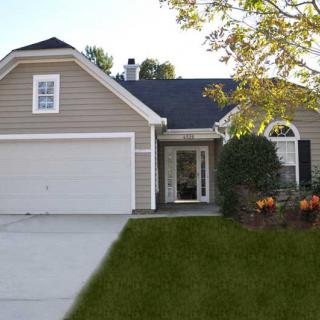



 Comprehensive Insights into Activities of Daily Living (ADLs) and Their Assessment
 Medicare Coverage for Assisted Living: An In-Depth Exploration
 Choosing the Right Senior Care: A Detailed Exploration of Assisted Living and Nursing Homes