
211 E Six Forks Rd # 105, Raleigh, NC 27609
To contact a resident: (919) 829-2505
For more information about senior living options: (866) 208-4318
Overall Review of Helping Hands of America LLC
Pros
 Sylvia helps anyone in need.
- It is a great place to go.
- They may use them in the future.
Cons
 This place is a hot mess.
Review
Helping Hands of America LLC in Raleigh is best suited for families seeking a hands-on, caring footprint where frontline staff can make a meaningful difference in daily life, even if the operation isn’t perfectly polished. This community appears most effective for residents who value accessible, responsive help from people who will go the extra mile to address individual needs. When a family wants a place that will respond to requests with heart, rather than a place that relies solely on scripted routines, Helping Hands can feel like the right fit. The reviews consistently signal that compassionate, proactive assistance is the standout attribute.
Those who may want to consider alternatives include families prioritizing a consistently streamlined operation and highly predictable processes. If a smooth front-desk experience, meticulously scheduled activities, and formalized care planning are non-negotiables, this may not be the strongest match. A review that calls the setting “a hot mess” signals potential frustration with organization or administration, and that tone cannot be dismissed for families juggling medical coordination, memory care, or strict vendor communications. For seniors who require heavy clinical oversight or a tightly managed calendar, a more established provider with clearly defined protocols could feel safer.
The strongest pros here are grounded in personal connections and practical kindness. The standout staff presence, with at least one caregiver explicitly highlighted for their willingness to help “any and everyone,” translates into a real sense of reliability for daily tasks, transport, or problem-solving. The atmosphere skews toward a welcoming, can-do spirit where residents are met with flexibility and warmth rather than rigidity. Even the brief, positive notes, “Great place to go” and “May use them in the future”, suggest a dependable entry point for families exploring care options, particularly when the priority is ongoing reassurance and easier access to staff.
Yet the main con, perceived organizational disarray, cannot be dismissed as cosmetic. When operations feel chaotic, it raises legitimate concerns about scheduling, follow-through, and the consistency of care plans. The gap between caring staff and unsettled processes can create tension for families trying to coordinate medical appointments, medication management, or special routines. This discrepancy matters because it touches residents’ sense of security and families’ ability to rely on a facility for coherent, ongoing support. The positive caregiver dynamic helps, but it does not fully offset the risk that administrative hiccups will disrupt routines.
The key to leveraging the strengths while mitigating the weaknesses lies in proactive planning and clear lines of communication. Families should press for a written care plan that outlines daily schedules, who handles each aspect of care, and how changes are communicated. Request a consistent point of contact and insist on regular updates, especially during transition periods or when caring needs evolve. Tours should probe not only the warmth of staff but the practicality of operations: how shifts are staffed, how emergencies are escalated, and how caregiver notes travel with residents between shifts. If Sylvia or a similar devoted team member is available, use that continuity to anchor trust and responsiveness.
In the end, Helping Hands of America LLC offers a compelling option for families prioritizing compassionate, hands-on support over immaculate polish. It suits those who can tolerate some organizational rough edges in exchange for ready assistance and a caregiver-centric culture. For families who demand a tradition of tightly run operations, predictable routines, and formalized processes, it pays to compare against providers with stronger track records in administrative clarity and program consistency. A strategic next step is a candid trial period: schedule a detailed meeting to lay out expectations, secure a concrete care plan, and verify that communication channels remain open and reliable. If alignment exists, this community can deliver meaningful peace of mind; if not, the clarity gained in the evaluation phase will point decisively toward a more structured option.
 Raleigh-Durham International (10 miles away)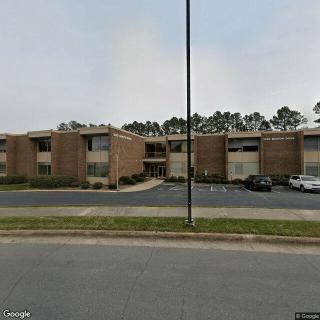






 A Closer Look at Private Pay Home Care
 Comprehensive Approaches for Arthritis: A Detailed Guide to Symptoms, Causes, and Care
 Comprehensive Insights and Practical Strategies to Help Older Adults Avoid Falls