

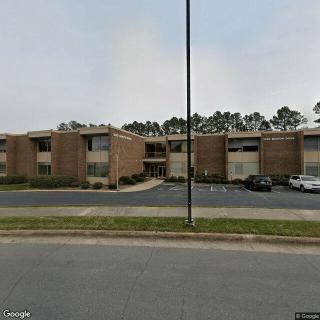
3200 Beechleaf Court Suite 100, Raleigh, NC 27604
To contact a resident: (919) 424-8349
For more information about senior living options: (866) 208-4318
Overall Review of Senior Helpers
Pros
 Terrisha is personable and pleasant.
- Senior Helpers deserves a 10-star review.
- Hannah and Ryan are professional, responsive, and supportive.
- Senior Helpers carefully matches caregivers to clients' specific needs.
- Every new caregiver is introduced, oriented, and followed up to ensure a good fit.
- They meticulously develop detailed care plans and remain flexible when plans change.
- They are committed to finding dependable caregivers and provide substitutes for last-minute cancellations.
- John, Tia, and Justin demonstrate long-term dedication.
- The continuity of care enhances the client's quality of life.
- Ryan and Hannah are compassionate professionals who ensure clients receive the exact care they need.
Cons
 They couldn't take it anymore.
Review
Senior Helpers in Raleigh is best suited for families seeking highly specialized, in-home support for seniors with Parkinson’s disease or dementia, delivered with tight caregiver matching and a strong continuity of care. The operation emphasizes planning, training, and responsiveness, making it a reliable choice for loved ones who require tailored, ongoing support rather than a one-size-fits-all approach. The Raleigh-Cary service area is a natural fit for families navigating transitions between home, hospital, rehab, or a senior living setting, with a framework built around consistent caregiving teams and detailed care plans. This is not a generic home-care option; it is a targeted partner for complex cognitive and motor-care needs where stability and precision matter.
Those who may want to consider alternatives are typically families seeking a more social, facility-based environment rather than in-home support. If the priority is a traditional assisted living campus, or if 24/7 live-in availability with minimal scheduling oversight is essential, other models may fit better. Likewise, if cost constraints drive the search toward lower-cost providers or you require a level of skilled nursing that goes beyond what homecare can offer, exploring options outside this agency is reasonable. The current track record is persuasive for in-home, specialized care, but it naturally aligns less with institutional settings or long-term, campus-based living.
The core strengths here, high training standards, proactive caregiver matching, and a structured but flexible care plan, consistently translate into meaningful benefits. Families repeatedly note the depth of training in Parkinson’s and dementia care, the practice of introducing each new caregiver to the client, and the meticulous care plan that caregivers follow. This density of preparation reduces the typical friction of caregiver turnover and fosters trust quickly. The ability to adjust the care plan in real time as health needs evolve is particularly valuable when a loved one’s condition shifts, ensuring that support keeps pace with changing requirements and preserving quality of life.
Operational reliability stands out as well. Real-time adjustments to the plan, dependable coverage on weekends and holidays, and the promise to find suitable substitutes for last-minute cancellations address one of the most stressful areas of homecare, the unpredictability of staffing. The owners, Hannah and Ryan, appear deeply committed, with a hands-on approach that reinforces consistency and accountability. This level of involvement matters because it signals a coordinated, client-centered focus rather than a purely transactional service. When a caregiver is assigned, families have observed not only professional competence but genuine attentiveness to emotional well-being.
Caregiver continuity and personal connection emerge as decisive advantages. Long-standing team members, nicknamed by families for their reliable presence, contribute to a sense of normalcy for clients and relief for families. The experience of companionship and meaningful engagement, alongside practical help with daily activities, can transform a difficult phase into one where memories and moments are preserved rather than lost. The ability to coordinate across care settings, including in-home care, hospital stays, rehab, and even transitions to senior living, further reduces friction and supports smoother, less disruptive trajectories for both seniors and their families.
In the end, the decision hinges on whether the priority is Parkinson’s- and dementia-focused, in-home support delivered with exceptional training, meticulous planning, and dependable continuity. For families in the Raleigh area who value personalized care, ongoing communication, and a reliable cadre of caregivers who truly understand emotional as well as physical needs, Senior Helpers stands out as a compelling option. Those weighing alternatives should consider their preferred setting (in-home versus campus), required level of 24/7 coverage, and budget constraints, then use a candid consultation to gauge how the care team collaborates with medical providers and family members. The right match will feel less like a vendor relationship and more like a trusted extension of the family.
 Raleigh-Durham International (11 miles away)




 Senior Move Management: Understanding the Role, Value, and Associated Costs
 Weight Training for Seniors: Building Strength and Vitality
 Understanding the Sandwich Generation: Stress and Responsibilities for Multigenerational Caregivers