Residents and families consistently describe staff as kind and responsive.
Many reviews focus on staff being polite, friendly, and genuinely eager to help. Residents and families describe day-to-day reassurance, including remembering personal details and stepping in quickly when needs come up. Several comments also mention care support through skilled staff roles such as nurses and medication management, and they describe the team as attentive and calming. A few reviews include strong negative experiences tied to staffing and care quality, including concerns about being understaffed.
common16 reviews mention this
Clean, well-kept facilities
Reviews repeatedly mention the community looks clean and well maintained.
A recurring theme is the building and grounds feeling attractive, clean, and maintained. Multiple reviews mention spotless public areas and a well-kept campus, while others add that apartments and shared spaces feel comfortable and designed well. There are also a couple of sharply negative comments describing cleanliness problems and pests, which stand out against the more common impressions. Overall, cleanliness and maintenance are part of what drives the positive first impressions and ongoing satisfaction.
common14 reviews mention this
Activities and wellness keep residents busy
Residents describe lots to do, including organized social and exercise programs.
Several reviews highlight scheduled activities such as outings, performances, speakers, religious services, games, and classes. Many residents also describe wellness-focused programming and exercise options, with comments about staying active and improving physical health. A few reviews connect daily engagement to feeling at home and not isolated. Overall, residents paint a picture of a calendar that supports both social time and movement.
common12 reviews mention this
Dining quality is a frequent highlight
Dining is often praised, including the overall quality and delivery of meals.
Many reviewers say the food is delicious and enjoyable, including comments about presentation and a dining experience that feels more than cafeteria-style. Some residents also mention meal delivery to their apartments and that dining supports different preferences and health needs. At least a couple of reviews, however, describe problems with kitchen service such as unhealthy menu choices, limited adjustability, and long wait times. The reviews suggest dining is a strong point for many residents, but experiences can vary.
differentiator10 reviews mention this
Full levels of care on-site
The community is described as offering multiple care levels within the same place.
Reviews frequently mention having access to care when needs increase, including assisted living, skilled nursing, and memory care. Families describe support for conditions like Alzheimer’s and describe staff providing assistance and supervision as challenges progress. Some residents also reference health-related support during the pandemic, including vaccination and ongoing wellness routines. While the experience is described positively by many, a few reviews express serious dissatisfaction with memory care staffing and care readiness.
caveat3 reviews mention this
Higher costs and parking hassles
Some reviewers call out high costs and frustrating parking experiences.
While many residents focus on day-to-day satisfaction, a few negative reviews highlight pricing concerns, saying the community charges a lot of money. Another recurring complaint is parking frustration, including concerns about garage access and getting towed. These comments are much less common than the overall praise, but they are strong enough to matter for cost-and-logistics planning.
How we summarize
Counts show how many written reviews mention each theme; a review can touch several themes, and only frequently mentioned themes are displayed.
The Cardinal at North Hills offers a comprehensive range of services designed to support residents with dementia and Alzheimer's disease, ensuring their comfort and enhancing their quality of life. Assistance with dressing and bathing helps residents maintain personal hygiene and dignity, while medication management ensures they receive the correct dosages at the right times, minimizing risks associated with forgetfulness or confusion. Meal preparation and service cater to dietary needs, promoting nutrition and enjoyment during meals. Transportation arrangements for medical appointments facilitate access to necessary healthcare services, while coordination with health care providers ensures that residents receive integrated care tailored to their needs. Activities of daily living assistance, along with help during transfers, contribute to the independence of residents in a safe environment. With 24-hour supervision and specialized programming focused on memory care, residents benefit from constant support tailored to their cognitive challenges. Additionally, initiatives like the mental wellness program address emotional well-being, while resources for mild cognitive impairment provide proactive strategies for managing early symptoms effectively. Together, these features create an enriching environment that fosters both safety and engagement for those living with memory-related conditions.
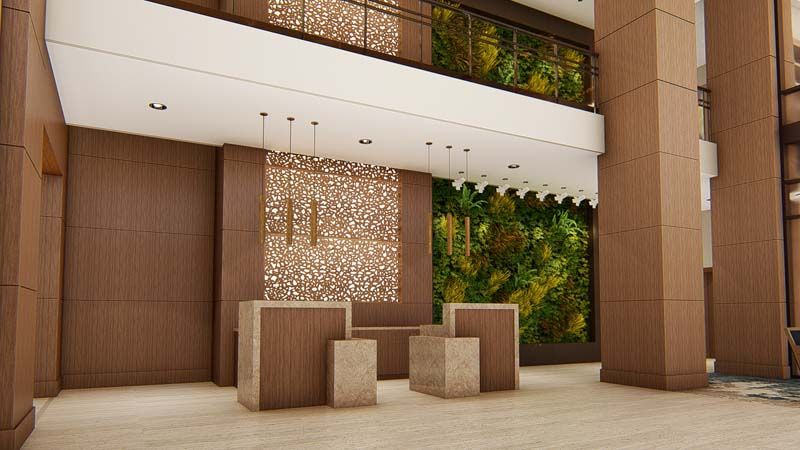
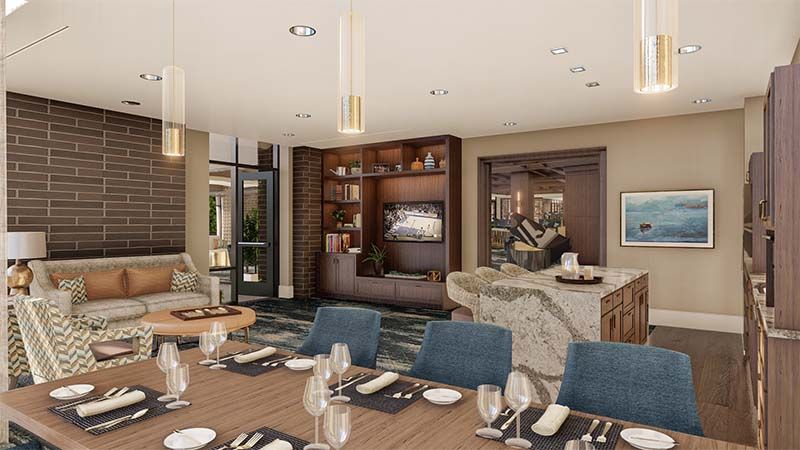
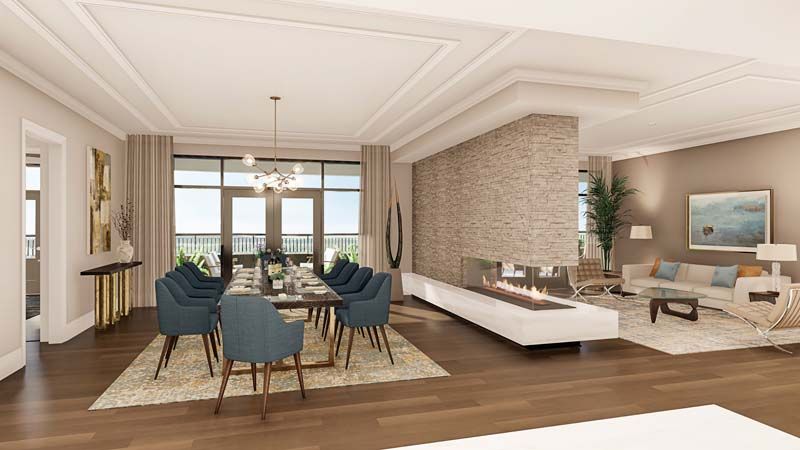
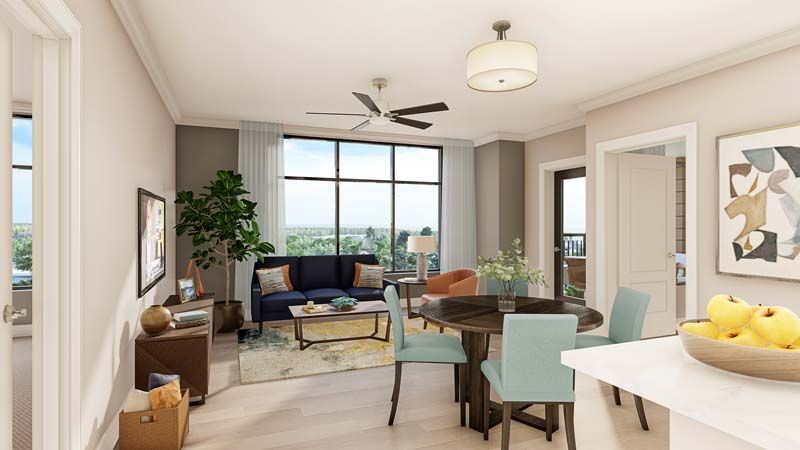
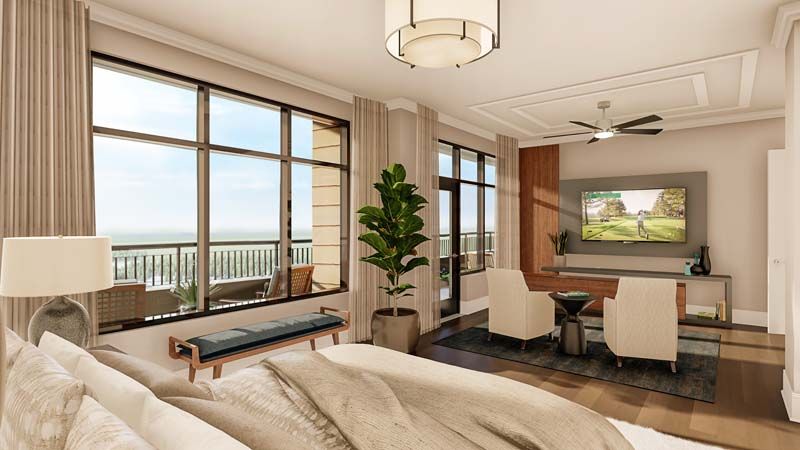
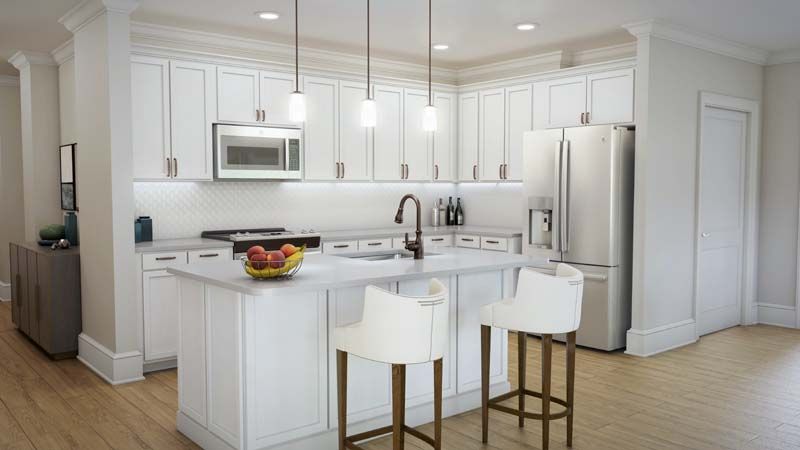
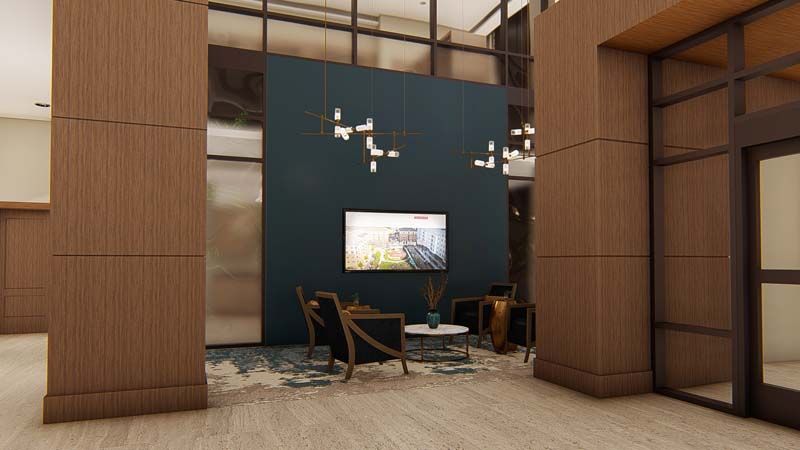
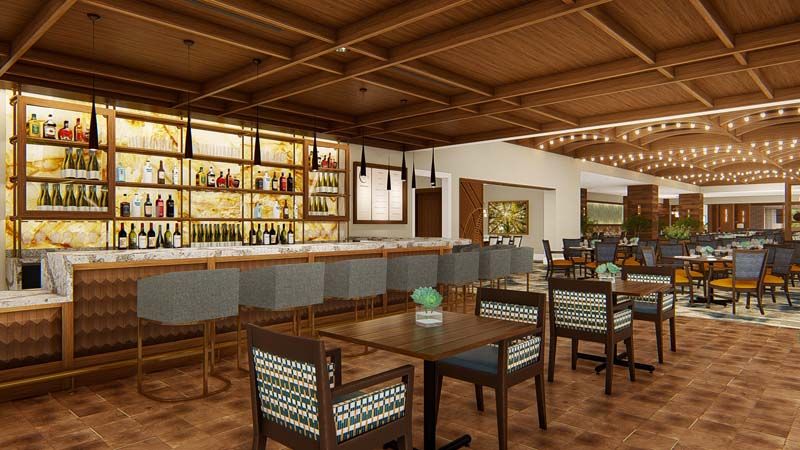
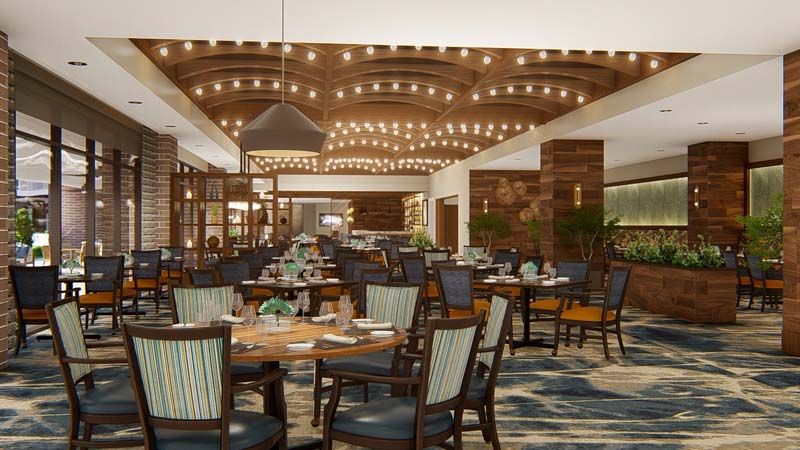
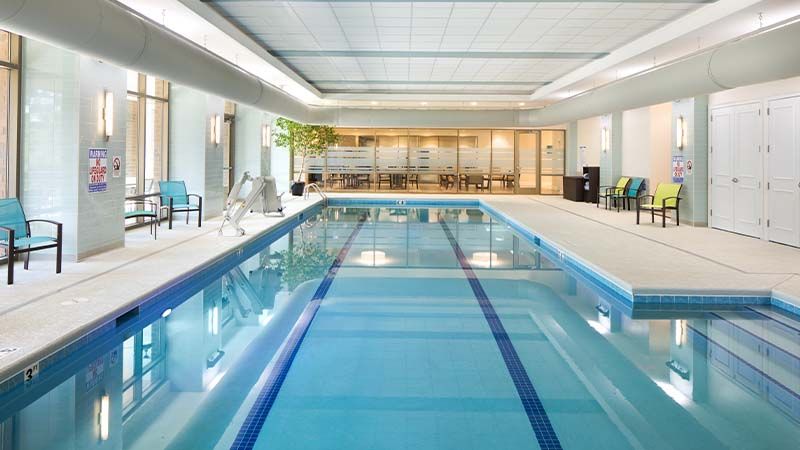
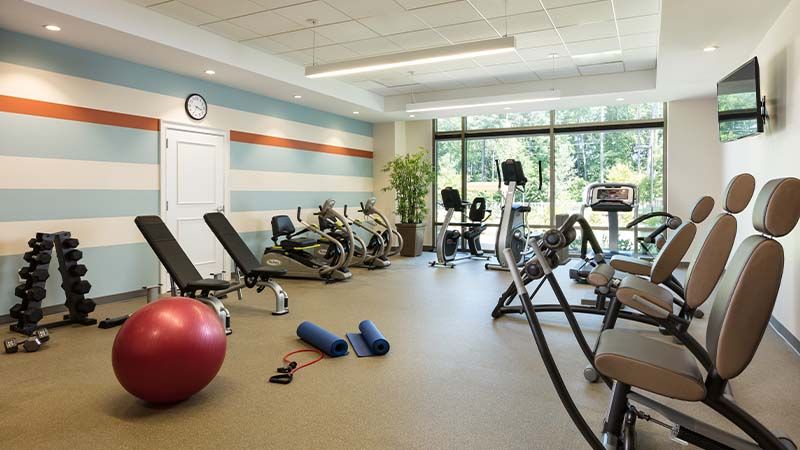
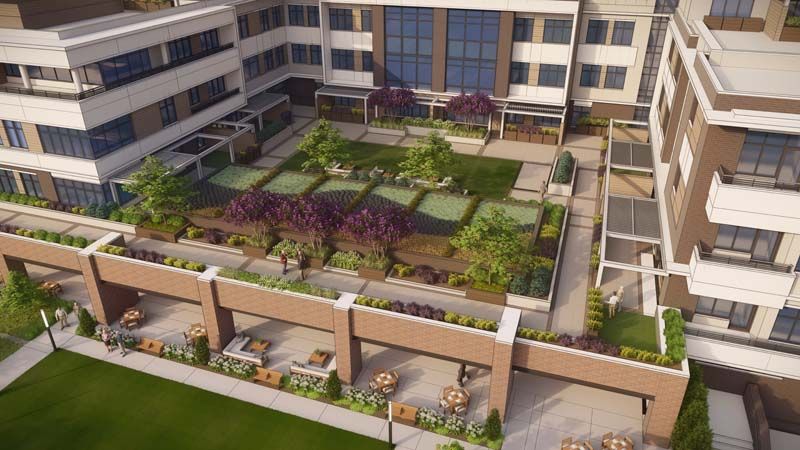
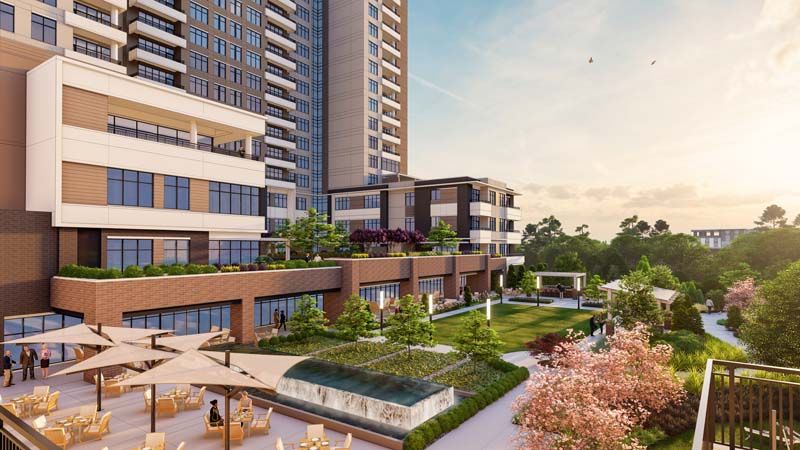
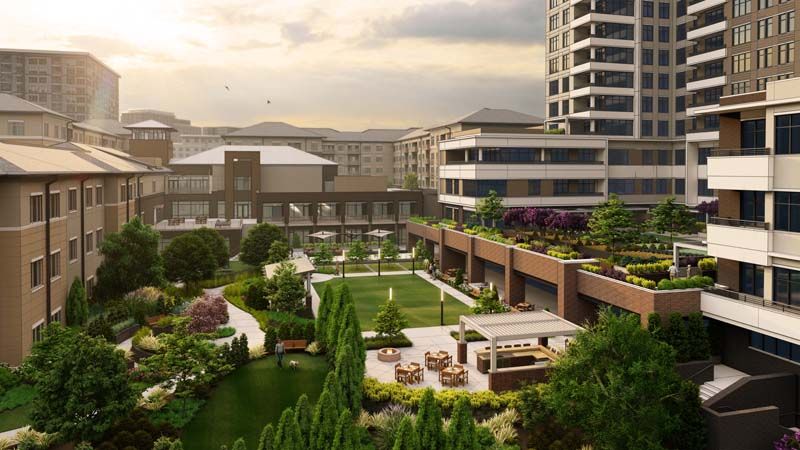
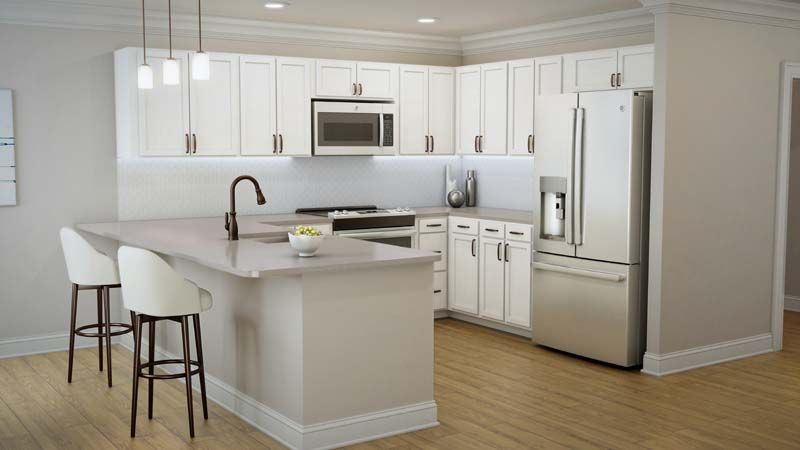
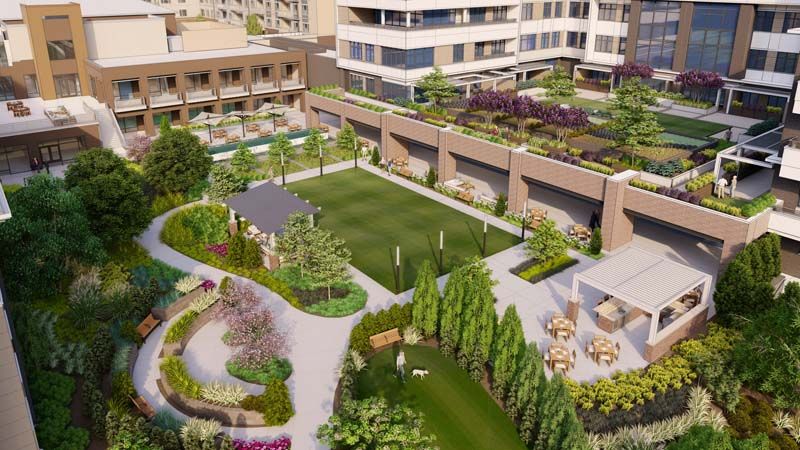
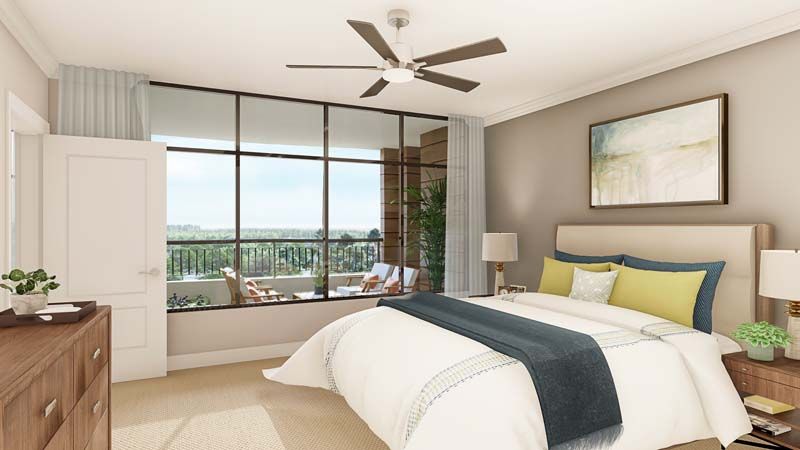
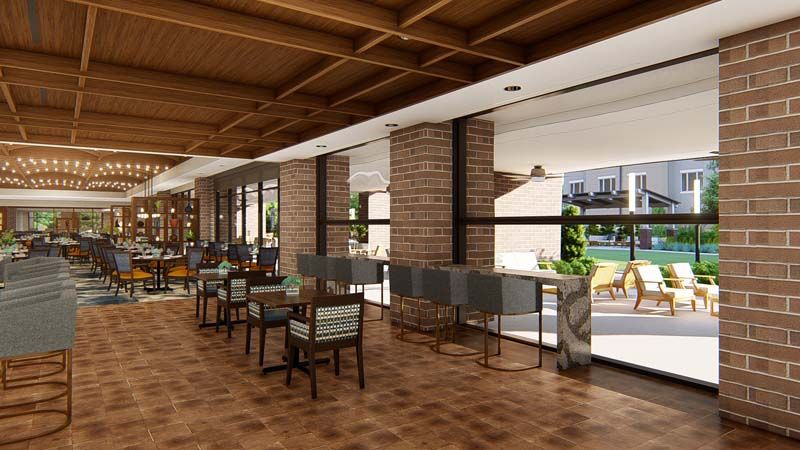
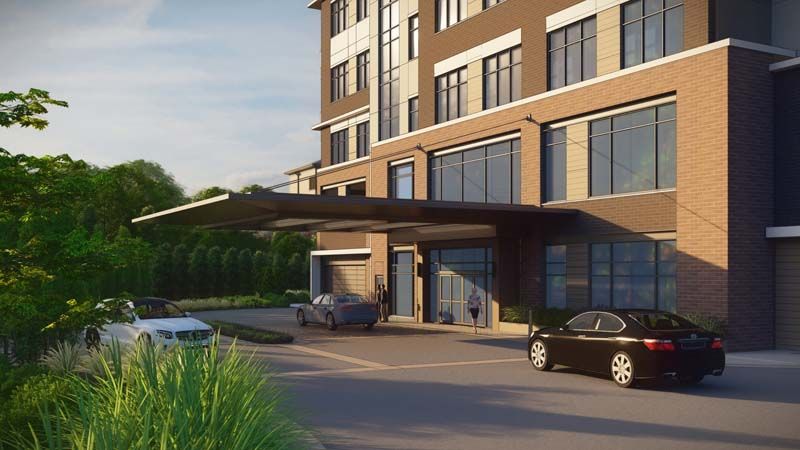
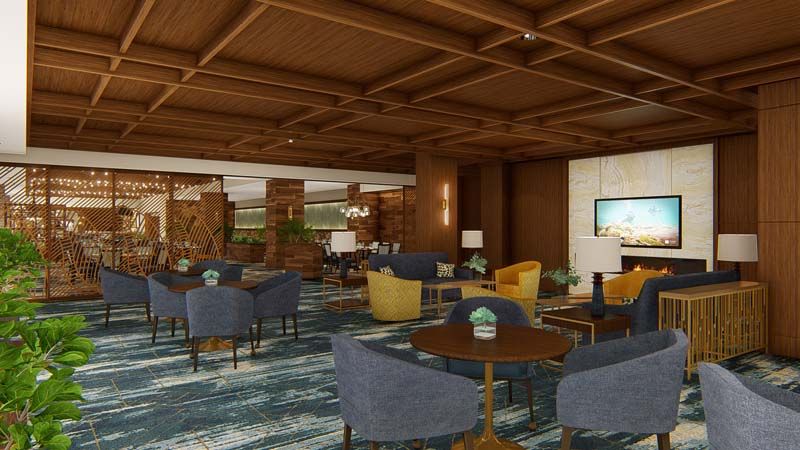
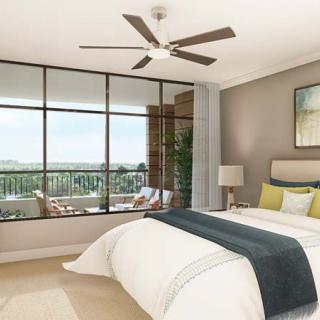
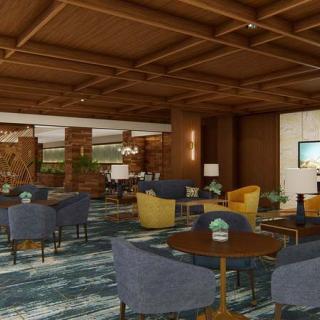
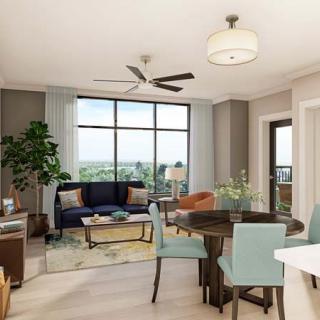
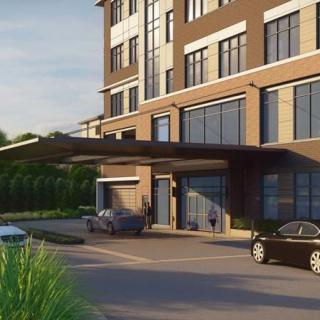
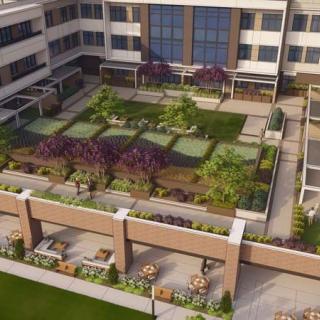
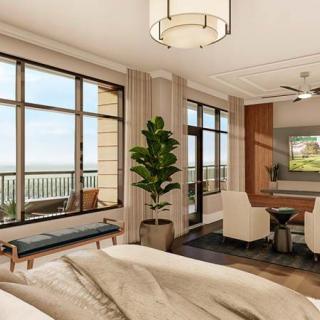
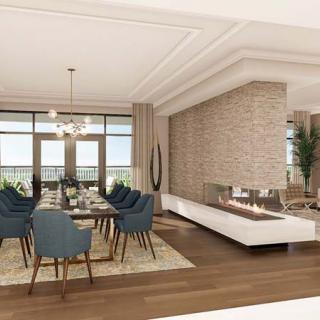
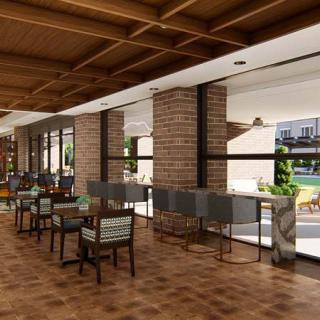
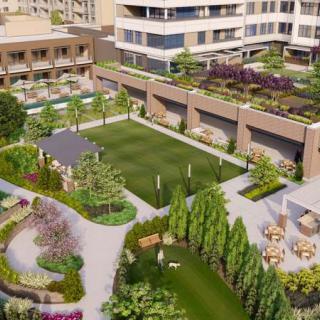
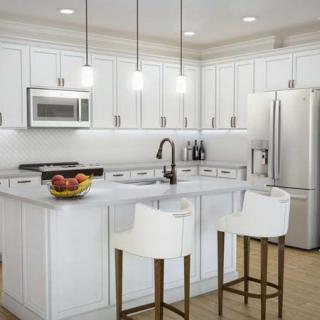
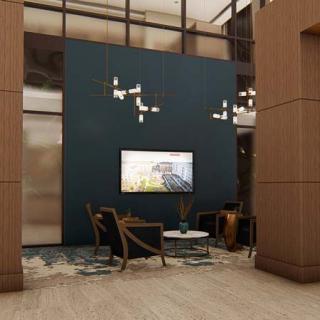
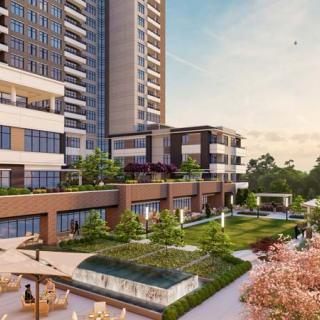
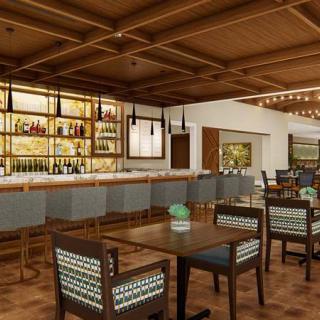
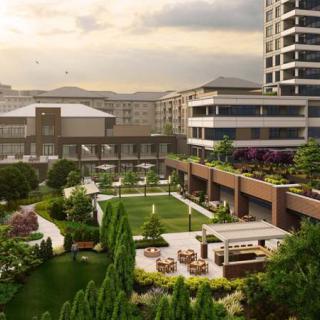
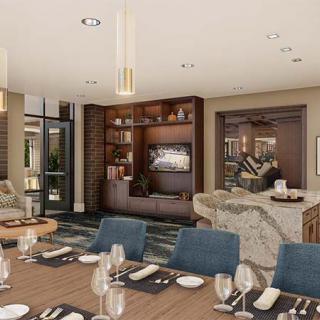
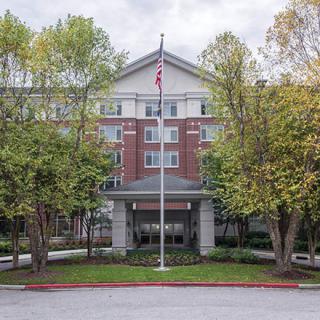
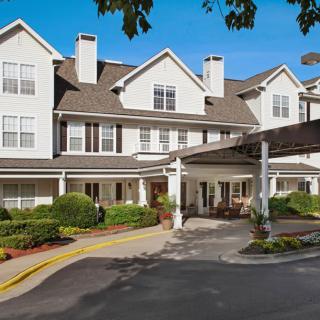
The Cardinal at North Hills on seniors.fyi includes 20 photos including images showing interior, dining, landscaping, decor, architecture, natural light, exercise equipment, lighting, and more.
Nearby Communities
The Cardinal At North Hills
Raleigh, NC
4.5 from 90 reviews
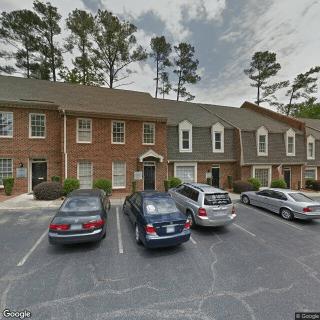
Assisted living with skilled nursing, 24/7 supervision, and comprehensive amenities.
Val's Family Care Home
Raleigh, NC
5 from 6 reviews
$6,000 / month
Personalized, attentive care in a small, home-like setting.
Thrive At Home Adult Care
Raleigh, NC
5 from 3 reviews
Responsive, professional caregivers who help clients live independently.
Preferred Incorporated
Raleigh, NC
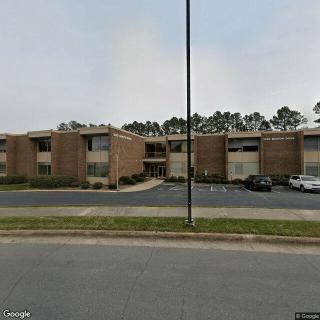
Excellent proximity to health services, dining, parks, and other amenities.
Comforcare Home Care - Raleigh NC
Raleigh, NC
4.6 from 65 reviews
Prime Raleigh location with abundant nearby amenities (cafes, parks, dining, healthcare, worship, and hospitals).
Capital Towers
Raleigh, NC
3.6 from 28 reviews
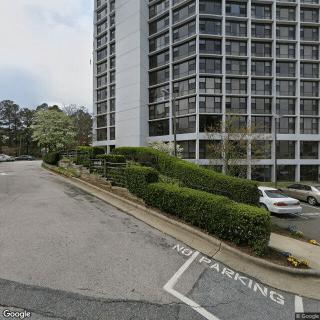
Excellent access to dining, parks, pharmacies, and healthcare.
Cadence at North Raleigh
Raleigh, NC
4.6 from 94 reviews
$4,060 to $7,490 / month
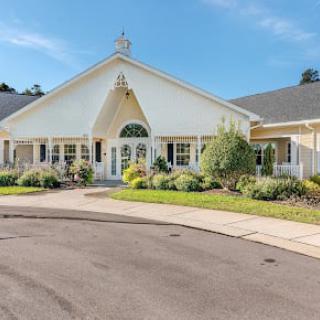
Friendly, attentive staff and engaging activities in a clean, welcoming community.
Brookdale North Raleigh
Raleigh, NC
4.5 from 107 reviews
$2,615 to $5,360 / month
Strong sense of community with friendly staff and diverse daily activities.
Brighton Gardens Of Raleigh
Raleigh, NC
4.1 from 97 reviews
$3,990 to $8,460 / month
Caring staff and a clean, welcoming environment with engaging activities.
The transition from assisted living to skilled nursing care is often prompted by complex medical needs that assisted living cannot meet, with key indicators including frequent health declines, increased falls, severe memory issues, and caregiver burnout. Families should recognize these signs early to discuss options with healthcare providers and prepare for the emotional and logistical aspects of moving to a facility that offers comprehensive medical support.
Dementia is characterized by cognitive decline, with nutrition playing a vital role in brain health; while no specific diet can prevent or reverse it, a nutrient-dense diet rich in antioxidants and healthy fats may support cognitive function. The MIND diet, which emphasizes beneficial foods and limits processed items, along with proper hydration and individualized meal strategies, can enhance the well-being of dementia patients.
Dementia affects memory and cognitive function in older adults, presenting challenges for caregivers due to behavioral changes such as confusion and mood swings. Compassionate, person-centered care that considers individual history and preferences, along with effective communication and environmental modifications, is essential for supporting both patients and their caregivers.
Exercise Equipment, Gym, Fitness, and Exercise Room
Outdoor Seating, Modern Architecture, and Apartment Complex
Natural Light
Wall Art
Swimming Pool and Indoor Pool
Refrigerator
Balcony
Pendant Lights
Reception Desk
Lounge Area
Bar
Outdoor Space
Get PricingAsk A QuestionSchedule A TourContact Senior Advisor
By clicking submit, you agree to our Partner's Terms of Use. You
also consent to receive calls and texts, which may be autodialed, from our Partner. Your consent is not a condition to
using our Partner's service. Please visit our Partner's Privacy Policy for information about their privacy practices.

 Assisted Living
 Independent Living
 Memory Care
 Skilled Nursing Facility
 Cats allowed
 Dogs allowed
 Activities on-site
 Cable or satellite TV
 Devotional services off-site
 Dining room
 Fully furnished
 Garden
 Housekeeping services
 Indoor common areas
 Kitchenette
 Move-in coordination
 Outdoor space
 Private bathrooms
 Telephone
 Wi-Fi/high-speed internet available
 Raleigh-Durham International (9 miles away)
 Transportation arrangement
 24-hour call system
 24-hour nursing
 Ambulatory care
 Assistance with bathing
 Assistance with dressing
 Assistance with transfers
 Diabetes diet
 Diabetic care
 Hospice waiver
 Meal preparation and service
 Medication management
 Mental wellness program
 Special dietary restrictions
 Transportation arrangement (medical)
 Concierge services
 Assisted living with skilled nursing, 24/7 supervision, and comprehensive amenities.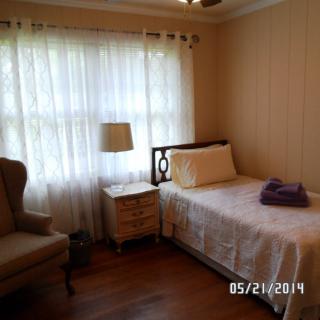
 8 Key Indicators That Suggest It May Be Time to Transition from Assisted Living to Skilled Nursing Care
 Nourishing the Mind: Essential Dietary Approaches for Dementia
 Understanding Dementia Behaviors: Practical Insights and Strategies for Caregivers