
1812 New Town Road, Monroe, NC 28110
For more information about senior living options: (866) 208-4318
Elizabethan Gardens Costs & Pricing
At Elizabethan Gardens, the monthly costs for accommodations present a competitive option within the broader context of Union County and North Carolina as a whole. For both one-bedroom and semi-private rooms, residents can expect to pay $2,100 per month, which is significantly lower than the county's average of $5,193 for a one-bedroom unit and $3,730 for a semi-private arrangement. Even when compared to the state averages of $4,055 for a one-bedroom and $3,584 for semi-private living, Elizabethan Gardens offers an appealing financial advantage. This pricing strategy not only makes it a viable choice for potential residents but also reflects the commitment to providing quality care without compromising affordability in today's challenging economic landscape.
| Floor plans | Elizabethan Gardens | Union County | North Carolina |
|---|---|---|---|
| 1 Bedroom | $2,100 | $5,193 | $4,055 |
| Semi-Private | $2,100 | $3,730 | $3,584 |
Assisted Living communities with a similar price nearby
-
from +$302 / mo

Carmel Hills
$2,402 / month16.1 miles away -
from +$235 / mo
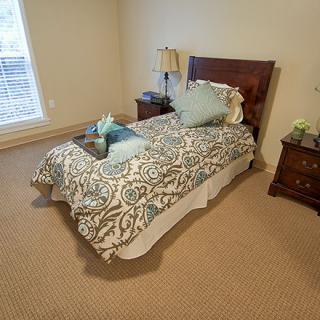
Spring Arbor
$2,335 to $4,260 / month24.5 miles away -
from +$400 / mo
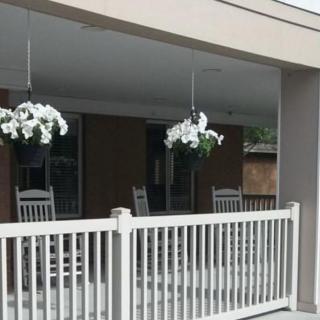
East Towne
$2,500 to $3,000 / month19.3 miles away -
from -$350 / mo
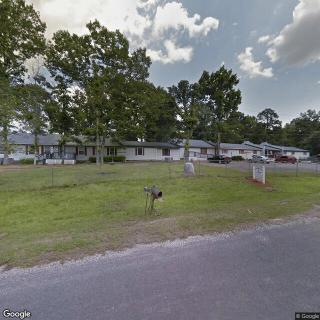
Crossroads at Catawba
$1,750 to $2,250 / month19.9 miles away -
from +$400 / mo
Poplin Terrace
$2,500 to $4,000 / month7.9 miles away
Overall Review of Elizabethan Gardens
Pros
 The staff were always pleasant and very caring.
- The dad loved Elizabeth Gardens, as he would call it.
- Miss Lou and Miss Sheila looked out for him.
- The unconditional love and daily care at Elizabeth Gardens was extraordinary.
- Elizabeth Gardens made his home a special place.
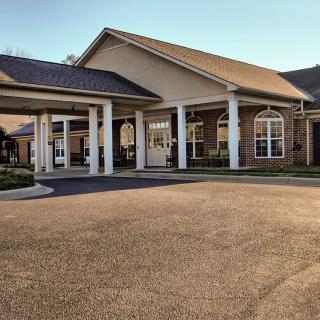
- The facility was nice, clean, and comfortable.
- The resident enjoyed living there and liked the activities.
- The staff are wonderful, and the facility is extremely clean.
Cons
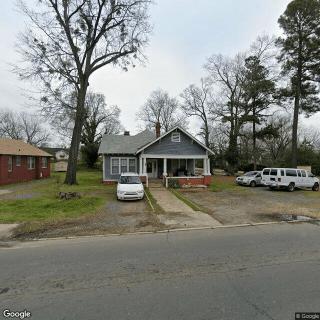
 They described Elizabethan Gardens as institutionalized, creepy, dark and dreary, with outdated rooms and very old furniture.
- They noted there were no private bathrooms, only communal bathrooms, and the rooms were small.
- They would not put their worst enemy there.
- They criticized the pay of $11 per hour for employees to clean, bathe, and help someone else’s relative.
Review
Elizabethan Gardens in Monroe, North Carolina is best suited for families seeking a hands-on, heart-led caregiving environment where daily kindness and personal attention outweigh glossy interiors. The community earns its reputation from staff who genuinely care, turning the facility into a home rather than a sterile setting. Multiple families note that caregivers went above and beyond to make a loved one feel valued, with particular acknowledgment for individuals who consistently tracked needs and offered reassurance. Residents often appear content, engage in activities, and follow a steady routine. While the building shows its age on visits, the everyday relationships and steady oversight create a reassuring sense of security that many families prize when choosing long-term care.
However, this will not be the right fit for every family. Those who insist on modern, bright surroundings, private bathrooms in every room, or generous room layouts will likely want alternatives. The property is described as older, with some reviewers labeling the atmosphere dark or institutional. Room sizes can feel compact, and private baths are not universal; several voices cautioned that shared facilities limit privacy. A few conversations touch on staffing visibility and campus activity levels, suggesting that families seeking a bustling, contemporary campus with constant foot traffic may not find that vibe here. For residents with higher acuity or a strong preference for up-to-date amenities, other communities may deliver a more complete fit.
Yet the strongest advantages lie in care quality and day-to-day stability. The staff’s warmth and consistency translate into reliable, compassionate daily help, and cleanliness remains a standout in most reports. Even when the building’s age shows, the care team’s attentiveness and the sense of belonging they cultivate can offset the lack of modern décor. Activities help residents stay engaged, and there are private-room options for those who need more privacy. In short, for families prioritizing dependable caregiving and a comforting, homelike rhythm, Elizabethan Gardens can surpass expectations, delivering the love and oversight that many facilities strive to provide but sometimes struggle to sustain.
From a decision-making perspective, the practical question is which needs take precedence over setting. If personal connection, a steady routine, and staff who truly know residents are non-negotiables, the pluses strongly support selecting this community. If, instead, privacy, sizeable private rooms, and a sleek, up-to-date environment are essential, the main drawbacks become significant. The strong caregiving foundation does not erase the dated feel, but it does create a reliable care framework that many families come to value as much as architectural modernity. Prospective residents should weigh the importance of relationships and daily life against atmosphere, room configuration, and the overall ambience before committing.
What to verify on a visit: confirm whether private bathrooms are available in current rooms and what the cost delta is; explore available private and shared spaces for residents and visitors; observe meal times, activity schedules, and transportation options; speak with several residents about daily life and staff responsiveness; inquire about staff turnover and supervision; and request current references from families with loved ones already there. These checks will illuminate whether the compassionate core of Elizabethan Gardens aligns with the practical needs of the individual case, particularly around privacy, space, and the kind of daily routine that matters most.
Bottom line: Elizabethan Gardens excels for families who want a warm, caregiving-centric environment where staff know residents well and daily life feels homelike. It is less attractive for those who require a bright, contemporary facility with extensive private accommodations. The community delivers substantial value through compassionate care and cleanliness that can ease the transition into senior living, but the older building and limited private-room configurations mean alternatives should be considered if atmosphere or modern amenities are central to the decision. For many families, this is a practical, trustworthy option that prioritizes people over polish, and it warrants serious consideration when the priority is consistent, thoughtful daily care delivered with genuine kindness.
 100 resident community capacity
 Assisted Living
 Activities on-site
 Air-conditioning
 Beauty salon
 Cable or satellite TV
 Computer center
 Devotional services off-site
 Dining room
 Fitness room
 Fully furnished
 Gaming room
 Garden
 Housekeeping services
 Indoor common areas
 Kitchenette
 Move-in coordination
 Outdoor space
 Private bathrooms
 Restaurant-style dining
 Small library
 Telephone
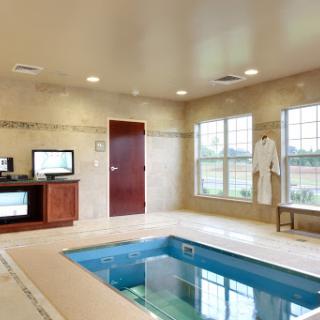
 Wellness center
 Wi-Fi/high-speed internet available
 Community operated transportation
 12-16 hour nursing
 24-hour call system
 Ambulatory care
 Assistance with bathing
 Assistance with dressing
 Assistance with transfers
 Diabetes diet
 Diabetic care
 Medication management
 Mental wellness program
 Special dietary restrictions
 Concierge services
 Planned day trips




 8 Key Indicators That Suggest It May Be Time to Transition from Assisted Living to Skilled Nursing Care
 Vibrant Senior Living: A Comprehensive Guide for Active Older Adults
 When to Transition from Assisted Living to Memory Care: Key Indicators, Steps, and Finding the Right Community