Lee Family Care Home in Louisburg, NC

945 Vaiden Road, Louisburg, NC 27549

For more information about senior living options: (844) 490-3973

5 from 4 reviews
5 stars
4
4 stars
0
3 stars
0
2 stars
0
1 stars
0

Assisted Living Board and Care Home

What level of care are you interested in?

Assisted Living

Memory Care

Independent Living

Skilled Nursing Facility

Continuing Care Retirement Community (CCRC)CCRC

Other


Request a tour at Lee Family Care Home

    Overall Review of Lee Family Care Home

    Pros

    • pro The staff at Divine Family Care Home are compassionate professionals who provide peace of mind to families.
    • pro They rehabilitated residents after injuries and attended to daily needs with dedication.
    • pro Miss Tracy delivered excellent, attentive care to the mom.
    • pro Divine Family Care Homes is a one-of-a-kind facility where care and attention are unmatched.
    • pro The staff cover every detail, large and small, ensuring residents are safe and comfortable.
    • pro The facility makes it possible for families to feel confident that their loved ones are well cared for at all times.

    Review

    This community is best suited for families seeking a genuinely home-like setting where daily living support and rehabilitation are delivered with exceptional personal attention. It appeals to seniors who value consistent, hands-on care from a small, dedicated team over the formality of a larger campus. The staff's willingness to become part of daily routines creates a sense of safety and predictability that eases family stress. For loved ones recovering from injury or needing steady assistance with meals, mobility, and personal care, this environment offers reliable support wrapped in a culture that treats residents as members of a caring, familiar household.

    Those who should consider alternatives include individuals requiring advanced medical management, complex wound care, or memory-care programs with formal clinical structures. If 24/7 on-site nursing, routine physician visits, or access to a broad slate of on-site therapies is non-negotiable, a larger facility with more medical resources will likely be necessary. Families facing significant behavioral challenges or high-acuity conditions may also prefer the scalability, oversight, and standardized protocols that bigger operations can provide.

    The strongest pros center on staff professionalism and attentiveness, the ability to rehabilitate after injuries, and a safety-first environment. Reviews describe a team that handles every detail with care, enabling real progress in recovery and daily functioning. This level of personal focus translates into peace of mind for families, who gain confidence that a loved one is not just supervised but genuinely supported in a compassionate, family-like setting. When a hip fracture requires rehab, the documented ability to guide a resident back toward independence stands out as a meaningful, measurable benefit.

    Equally compelling is the sense of trust that comes from seeing staff treated residents as family members - an intangible factor that reduces anxiety for relatives and strengthens daily consistency. The feeling of security - knowing someone is watching closely, that needs are anticipated, and that care plans are followed with diligence - can offset some of the limitations inherent in a smaller operation. The testimonials imply a culture where small-crew dedication and meticulous attention create a environment in which residents look forward to care rather than endure it, and families feel less burdened by constant vigilance.

    Still, potential concerns should be weighed. A smaller home setting may not offer the same depth of medical resources or breadth of on-site therapies found in larger communities. There may be fewer formal programs for memory care or specialty services, and residents with complex medical needs could require additional coordination with external providers. Prospective families should verify the specifics: how medication management is handled, what on-site clinical support is available, how rehabilitation is coordinated, and what happens if needs exceed daily living assistance. Observing a tour, meeting the staff, and reviewing a concrete care plan can illuminate how well the strengths translate into ongoing, dependable support.

    In the end, this community stands out for families prioritizing warmth, personal attention, and practical rehab potential within a home-like atmosphere. It is a compelling choice for elders who want to feel known, safe, and supported every day, with staff who treat care as a calling rather than a task. For those whose priorities tilt toward extensive medical complexity, on-site nursing depth, or formalized memory-care programming, alternatives with larger clinical infrastructures should be explored. A thoughtful visit - asking direct questions about staffing patterns, care planning, and emergency protocols - will reveal how well this setting aligns with the loved one's unique needs and preferences.

    Features

    Housing

    • 5 resident community capacity 5 resident community capacity

    Types of Care

    • Assisted Living Assisted LivingAssisted living facilities provide crucial support and care for seniors who may need help with daily tasks such as medication management, bathing, and meal preparation. These communities offer a safe and comfortable environment where seniors can maintain their independence while receiving the assistance they need to thrive in their golden years.
    • Board and Care Home Board and Care HomeBoard and care homes provide a smaller, more intimate setting for seniors who require assistance with daily tasks but do not need the level of care offered by a nursing home. They offer personalized care, meals, and social activities in a homelike environment, ensuring that seniors receive individualized attention and support in their golden years.

    Amenities

    • Cable or satellite TV Cable or satellite TVCable or satellite TV is important for seniors because it provides entertainment, news, and companionship, helping to combat loneliness and boredom. It also offers a wide range of programming options tailored to different interests and preferences.
    • Dining room Dining roomDining rooms are important for seniors as they provide a space for socialization, connection, and nutritious meals. They offer opportunities for residents to bond over shared meals, foster a sense of community, and promote healthy eating habits. Dining rooms also ensure that seniors have access to well-balanced meals tailored to their dietary needs and preferences.
    • Fully furnished Fully furnishedFully furnished senior living communities are important for seniors because they provide convenience, comfort, and a hassle-free moving experience. Seniors can easily settle into their new living space without the stress of having to buy and move furniture. This allows them to focus on enjoying their new home and community.
    • Garden GardenGardens are important for seniors as they provide a peaceful and therapeutic environment for relaxation, physical activity, and socialization. Being in nature has been shown to reduce stress, improve mood, and promote overall well-being. Gardens also offer opportunities for seniors to engage in gardening activities, which can improve mobility, flexibility, and cognitive function. Additionally, gardens create a sense of community and connection with others who share a passion for plants and outdoor spaces.
    • Housekeeping services Housekeeping servicesHousekeeping services are important for seniors because they help maintain a clean and safe living environment, promote independence, and reduce the risk of accidents or illnesses. Additionally, having assistance with household chores can alleviate physical strain and allow seniors to focus on other aspects of their well-being.
    • Move-in coordination Move-in coordinationMove-in coordination is important for seniors because it helps ease the transition into their new living environment. It ensures that all logistics, such as packing, organizing movers, and setting up utilities are taken care of, allowing seniors to focus on settling in and adjusting to their new home. Having a smooth move-in process can alleviate stress and anxiety, making the transition smoother and more enjoyable for seniors.
    • Outdoor space Outdoor spaceOutdoor spaces are important for seniors as they provide opportunities for physical activity, social interaction, exposure to natural light and fresh air, and a sense of connection to nature. Having access to outdoor spaces can improve overall well-being and quality of life for older adults living in senior communities.
    • Telephone TelephoneTelephones are important for seniors as they provide a lifeline for communication with loved ones, emergency services, and healthcare providers. They offer a sense of security and independence, enabling seniors to stay connected and access assistance when needed.
    • Wi-Fi/high-speed internet available Wi-Fi/high-speed internet availableWi-Fi/high-speed internet is important for seniors to stay connected with loved ones, access online resources, and participate in virtual activities to combat feelings of loneliness and isolation. It also allows them to easily manage healthcare needs, access entertainment, and engage in lifelong learning opportunities.

    Care Services

    • 24-hour supervision 24-hour supervision24-hour supervision is important for seniors to ensure their safety, well-being, and access to immediate assistance in case of emergencies or health issues. This constant support provides peace of mind for both seniors and their loved ones, allowing them to age in place with dignity and security.
    • Activities of daily living assistance Activities of daily living assistanceActivities of daily living assistance are important for seniors because they provide essential support with tasks such as eating, bathing, dressing, and mobility. This assistance helps seniors maintain their independence, dignity, and overall quality of life as they age.
    • Assistance with bathing Assistance with bathingAssistance with bathing is crucial for seniors as it helps maintain personal hygiene, prevents infections, and ensures their overall well-being and comfort. It also provides a sense of dignity and independence for seniors who may struggle with this task on their own.
    • Assistance with dressing Assistance with dressingAssistance with dressing is important for seniors because it helps maintain their independence, promotes personal hygiene, prevents accidents and injuries, and improves overall quality of life. This service ensures that seniors can continue to dress comfortably and confidently, despite any physical limitations they may have.
    • Assistance with transfers Assistance with transfersAssistance with transfers is crucial for seniors as it helps prevent falls and injuries, maintains their independence, and ensures they can safely navigate their living environment. It also provides peace of mind for both seniors and their loved ones.
    • Coordination with health care providers Coordination with health care providersCoordination with health care providers is crucial for seniors to ensure proper medical care, medication management, and overall well-being. This collaboration helps prevent overlapping treatments, track progress more effectively, and provide comprehensive support tailored to individual needs.
    • Diabetes diet Diabetes dietA diabetes diet is crucial for seniors as it helps manage blood sugar levels, reduce risks of complications, and improve overall health and well-being. By following a balanced and nutritious diet tailored to their specific needs, seniors can better control their diabetes and enhance their quality of life.
    • Meal preparation and service Meal preparation and serviceMeal preparation and service are crucial for seniors as they may have limited mobility or energy to cook nutritious meals. Having access to healthy and convenient food options can ensure they are getting the proper nutrition needed to maintain their overall health and well-being.
    • Medication management Medication managementMedication management is crucial for seniors to ensure they are taking the right medications at the correct dosages and times. This helps prevent adverse drug interactions, reduces the risk of medication errors, and promotes overall health and well-being. Proactive management also allows for adjustments as needed based on changing health conditions or new prescriptions.
    • Special dietary restrictions Special dietary restrictionsSpecial dietary restrictions are important for seniors because age-related changes in metabolism and health conditions can make it difficult for their bodies to process certain foods. By following a diet tailored to their specific needs, seniors can maintain their overall health and well-being, manage chronic conditions, and reduce the risk of complications such as malnutrition or food interactions with medications.
    • Transportation arrangement (medical) Transportation arrangement (medical)Transportation arrangements for medical purposes are essential for seniors as they may have difficulty driving themselves to appointments or accessing public transportation. Having reliable and safe transportation options ensures that seniors can receive timely medical care and maintain their health and well-being.
    • Transportation to doctors appointments Transportation to doctors appointmentsTransportation to doctors' appointments is crucial for seniors as it ensures they have access to necessary medical care and support for their health needs. Without reliable transportation, seniors may struggle to attend important appointments, leading to potential delays in treatment and health complications. Providing transportation services helps seniors maintain their overall well-being and quality of life.

    Dining

    • Diabetes diet Diabetes dietA diabetes diet is crucial for seniors as it helps manage blood sugar levels, reduce risks of complications, and improve overall health and well-being. By following a balanced and nutritious diet tailored to their specific needs, seniors can better control their diabetes and enhance their quality of life.
    • Special dietary restrictions Special dietary restrictionsSpecial dietary restrictions are important for seniors because age-related changes in metabolism and health conditions can make it difficult for their bodies to process certain foods. By following a diet tailored to their specific needs, seniors can maintain their overall health and well-being, manage chronic conditions, and reduce the risk of complications such as malnutrition or food interactions with medications.

    Activities

    • Community-sponsored activities Community-sponsored activitiesCommunity-sponsored activities are important for seniors as they provide opportunities for social interaction, mental stimulation, and physical activity. These activities can help improve overall well-being, combat loneliness and isolation, and promote a sense of belonging and purpose among older adults.
    • Scheduled daily activities Scheduled daily activitiesScheduled daily activities are important for seniors because they provide structure, socialization, mental stimulation, and physical activity. Engaging in regular activities can improve overall well-being and quality of life for seniors living in a community setting.

    Description

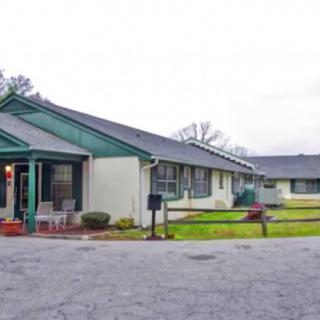
    The Lee Family Care Home, located in the charming town of Louisburg, NC, is a board and care home that offers a welcoming and comfortable environment for residents in need of assisted living. With a range of amenities and comprehensive care services, our community strives to provide a high quality of life for all residents.

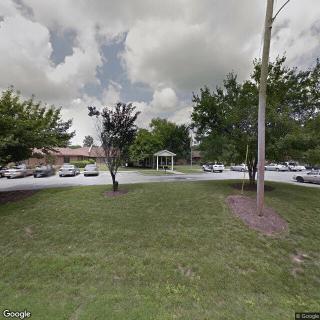
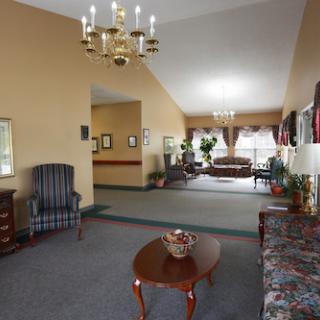
    Our spacious dining room serves as a gathering place for meals, fostering a sense of community among residents. The fully furnished living spaces ensure that each resident feels at home, while the beautiful garden and outdoor space provide opportunities for relaxation and enjoyment of nature.

    The dedicated housekeeping staff ensures that the community remains clean and tidy, allowing residents to focus on enjoying their daily activities. In addition, our move-in coordination services ease the transition process for new residents and their families.

    We understand the importance of staying connected in today's digital world, which is why we offer telephone and Wi-Fi/high-speed internet access throughout the community. Residents can easily stay in touch with loved ones or browse online at their leisure.

    At Lee Family Care Home, our compassionate staff provides assistance with activities of daily living such as bathing, dressing, and transfers. We also coordinate with health care providers to ensure that each resident receives personalized care. For those with diabetes or special dietary restrictions, we offer specialized meal options designed to promote health and well-being.

    Medication management is an essential part of our care services, ensuring that each resident receives the correct dosage at the appropriate times. Our transportation arrangement services are available for medical appointments or any other necessary trips outside the community.

    To enhance socialization and engagement among residents, we offer scheduled daily activities. These activities cater to varying interests and abilities, promoting both mental stimulation and physical well-being.

    In summary, Lee Family Care Home provides a supportive environment where residents can receive personalized care while enjoying their independence. With comfortable living spaces, delicious meals tailored to individual needs, engaging activities, and comprehensive care services, our community strives to enhance the quality of life for each resident.

    Nearby Places of Interest

    Physicians

    • Rural Health Group (16.8 miles)

    Restaurants

    • McDonald's (24.4 miles)

    Parks

    • County Line State Park (24.7 miles)

    Frequently Asked Questions

    Where is Lee Family Care Home?

    Nearby Communities

    • Alpha & Omega Family Care & Retirement Center

      Alpha & Omega Family Care & Retirement Center

      Warrenton, NC


      pro Small, intimate setting with personalized care and comprehensive amenities.

    • Alston Family Care Home

      Alston Family Care Home

      Louisburg, NC


      pro Small, home-like setting with personalized care (24-hour supervision, ADL assistance, medication management) and diabetes-friendly dining.

    • Autumn Wind Assisted Living Of Louisburg

      Autumn Wind Assisted Living Of Louisburg

      Louisburg, NC


      pro Vibrant community with extensive amenities and active programming, including restaurant-style dining and transportation support.

    • Moore's Rest Home

      Moore's Rest Home

      Warrenton, NC

      5 from 1 review
      $2,160 / month

      pro Affordable private room pricing in a small, home-like setting.

    • Ajinda Family Care Home II

      Ajinda Family Care Home II

      Louisburg, NC

       
      $3,478 / month

      pro Small, intimate setting (6 residents) with comprehensive care, diabetes-friendly meals, and transportation to appointments.

    • Louisburg Senior Village

      Louisburg Senior Village

      Louisburg, NC

      4.8 from 20 reviews
       

      pro Small, personalized community with comprehensive care (24-hour supervision, ADLs, medication management), meals, housekeeping, and transportation.

    • Louisburg Manor

      Louisburg Manor

      Louisburg, NC

      3 from 11 reviews
       

      pro Warm, home-like atmosphere with attentive staff and on-site services.

    • Pelican Health Henderson

      Pelican Health Henderson

      Henderson, NC

      3.7 from 42 reviews
       

      pro Caring staff and excellent care for residents.

    • Autumn Care Of Nash

      Autumn Care Of Nash

      Nashville, NC

      3.8 from 39 reviews
       

      pro Caring staff, clean facility, and engaging activities

    Related Resources

    • assisted living vs memory careAssisted Living and Memory Care: Understanding Their Core Differences

      Assisted living provides moderate support for seniors seeking independence, while memory care offers specialized support for individuals with dementia or cognitive impairments through structured routines and trained staff. Key differences include care approaches, environment security measures, staff training levels, activity types, and cost considerations.

    • assisted living activitiesBeyond the Bingo Hall: 50+ Enriching Activities for Seniors in Assisted Living

      Assisted living communities offer diverse activities beyond traditional games to enhance seniors' physical health, cognitive well-being, emotional enrichment, and social connections, including fitness classes, creative expression, and intergenerational interactions. These enriching programs foster community bonds and support residents' independence and happiness.

    • assisted living vs memory careUnderstanding the Distinctions: Assisted Living and Memory Care Explained

      The article differentiates between assisted living and memory care, explaining that assisted living supports seniors with daily activities while promoting independence, whereas memory care provides specialized services for individuals with dementia, focusing on secure environments and cognitive support. It also addresses staff training, safety considerations, costs, family involvement, and transition strategies for families navigating these care options.


    Get Pricing Ask A Question Schedule A Tour Contact Senior Advisor