
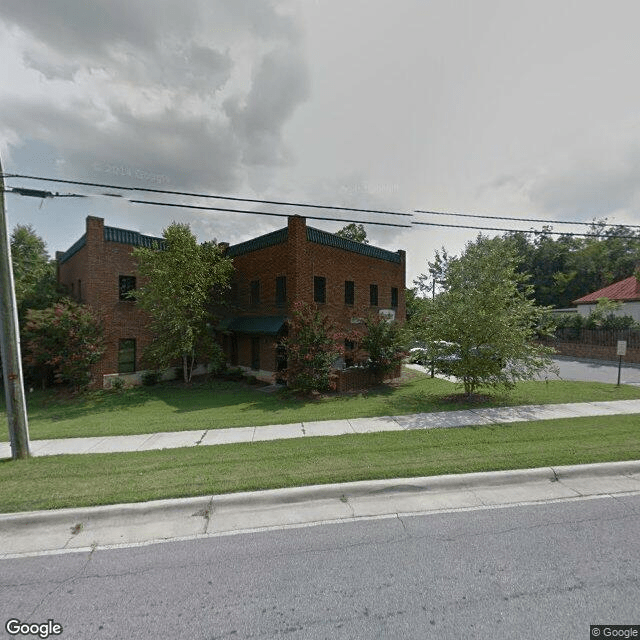
105 W Corlin Street Ste 203, Hillsborough, NC 27278
To contact a resident: (919) 241-5292
For more information about senior living options: (866) 208-4318
Overall Review of Right at Home
Pros
 Ms. Cynthia provided respectful, compassionate, and committed care during the final leg of her grandmother’s life.
 - Right at Home consistently delivered the best care possible for their customers.
- The caregivers at Right at Home were beyond superlative, with one described as an angel.
- The Right at Home caregivers are attentive and arrive as scheduled.
- The administrators are easy to work with when getting started.
- The company ensures clients have what they need.
- Right at Home extensively investigates personal needs to ensure a proper match.
- Ken Helmuth and his team provide exemplary service to clients across the Raleigh/Durham/Chapel Hill areas.
Cons
 They were incredibly disheartened by their experience with Right at Home in Durham, NC.
- They had valuable heirlooms and kitchen appliances stolen by one of the home health aides.
- They noticed odd behavior from the aide, who was insistent on washing their dishes and frequently locked them out of their own home.
- They returned home to find the garage door locked and had to enter through the front door after repeatedly calling the aide.
- The aide blamed their elderly mother for locking the door, which was untrue.
- They reported the thefts to Right at Home, whose response was dismissive and defensive.
- The company insisted its employees have good background checks and refused to take their concerns seriously.
- They have not received any resolution or replacement of the stolen items.
- The experience left them heartbroken and without justice.
- They would not recommend Right at Home and suggested looking elsewhere for compassionate and trustworthy care.
Review
Right at Home in the Triangle is best suited for families that want steady, compassionate in-home care with a strong emphasis on matching the right caregiver to the loved one’s routines and medical needs. The model works best for seniors who need daily assistance with personal care, light housekeeping, and companionship, and who benefit from an intake process led by nursing oversight that triangulates medical history, lifestyle, and caregiver capabilities. It also serves well for transitions after surgery, during recovery, or for conditions that require reliable daily support, where a caregiver can become a familiar, trusted presence. In short, this option is a practical fit for households prioritizing dependable scheduling, respectful care, and hands-on coordination from a disciplined local team.
Those weighing alternatives should consider the reality that results can vary by location and that not every office delivers the same experience. The most important caveat is performance inconsistency across branches, with at least one negative outlier noted in the Durham market: theft by an aide, a troubling pattern of behavior, and a response that left the family feeling dismissed and unsatisfied. That experience signals the need for rigorous local due-diligence: verify the specific office’s policy on background checks, ongoing supervision, incident resolution, and accountability. Families with a low tolerance for risk or a preference for a fully transparent, grievance-responsive provider may want to compare other agencies or insist on explicit guarantees before committing.
On the plus side, the core strengths repeatedly highlighted are highly actionable for decision-makers. Caregivers are described as attentive, on-time, and genuinely engaged with clients, with staff who arrive as scheduled and complete tasks reliably. The administration is portrayed as easy to work with during setup, and the deeper intake process, often led by an RN, aims to tailor assignments to individual medical and personal preferences. A well-matched caregiver can bring not only practical help but steady emotional support, turning daily routines into manageable, dignified activities rather than burdens. In families where consistency and personalization matter, these are substantial advantages.
The principal downside is the real risk embedded in the rare but damaging incidents tied to a single location, which can undermine trust in the entire brand. When problems arise, whether disputes over missing items, unsafe boundaries, or perceived indifference to concerns, the consequences are significant. Even with strong fron-end screening and a track record of punctual, caring staff, the failure to address concerns promptly and transparently can eclipse weeks or months of positive care. This is not an inevitable outcome, but it is a credible risk that must be mitigated through vigilant oversight, clear escalation paths, and an explicit commitment from the local office to replace or rectify issues swiftly.
Trade-offs matter here. The upsides, compassionate, dependable caregivers; timely service; a thoughtful intake that aligns care to medical and lifestyle needs; and staff who genuinely go beyond the call, can offset the downsides when the local administration demonstrates rigorous caregiver monitoring and transparent problem-solving. Prospective families should demand concrete safeguards: a written caregiver-rotation policy to prevent burnout, a defined process for handling concerns with prompt follow-up, and an assurance of caregiver substitution when mismatches occur. With those guardrails, the strong elements have staying power and translate to meaningful improvements in daily quality of life for a loved one.
For decision-makers considering Right at Home, the verdict hinges on local office reliability. If the Hillsborough/Triangle office has verifiable, ongoing success with high caregiver standards, tight scheduling, and a responsive, accountable leadership team, this provider delivers tangible value in exchange for the investment. If, however, the local experience echoes the Durham incident, where concerns were minimized or unresolved, explore other options with explicit guarantees and a reputation for uncompromising incident handling. In practical terms, use a trial period, insist on RN-led assessments, require clear written care plans, and verify a robust incident-resolution framework before committing. For families that prioritize dependable, respectful in-home care, Right at Home remains a compelling choice when the local office proves its consistency and accountability.
 Raleigh-Durham International (23 miles away)



 Comprehensive Insights into Palliative Home Care: What It Is and What to Expect
 Skilled Nursing Facilities vs. Nursing Homes: Making Sense of the Differences
 A Detailed Examination of Nursing Home Costs Across the U.S.