

1319 Woodbriar Avenue, Greensboro, NC 27405
For more information about senior living options: (866) 208-4318
Overall Review of Lawson's Adult Enrichment Center
Pros
 They seem to like it.
Cons
 The place is very, very bad.
- People will expire there within a month.
- They would never take anyone there.
- There is a need for someone to clean the rooms.
Review
Lawson's Adult Enrichment Center in Greensboro is best suited for families that need a small, affordable option and are prepared to take a highly engaged, hands-on role in monitoring care. The community presents as a modest, low-profile setting where personal attention can potentially outpace the anonymity of larger facilities, at least in theory. It suits households that are willing to ask frequent questions, request detailed updates, and visit regularly to observe how residents are supported day to day. For families seeking a hands-off experience or a facility with a formally documented track record of safety, staffing, and housekeeping, this option should not be the default choice.
Those with more demanding needs should seriously consider alternatives before committing. If safety, consistent daily oversight, or rapid response to health changes is paramount, other communities with higher staffing ratios and clearer accountability will be more reliable. The reviews hint at a lack of uniform care and housekeeping discipline, and the implication is that problems may go unaddressed without persistent family involvement. For residents with advanced dementia, unstable medical conditions, or frequent medication management needs, the risk calculus shifts toward facilities with established care protocols, transparent performance metrics, and supportive supervision that does not rely on family members to fill gaps.
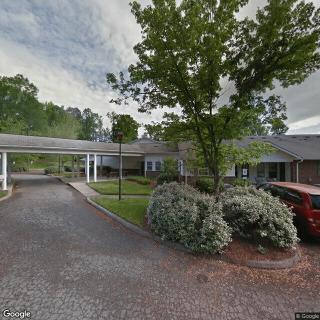
The scant but present positives appear to hinge on a very contained, familiar environment. One reviewer noted that the front entrance and a sitting room looked acceptable, and there was a sense that a family member living there was satisfied enough to speak positively, albeit cautiously. In a setting this small, that kind of lived-in warmth can translate into meaningful social interaction if staff are attentive and residents know what to expect. However, the limited visibility of staff, the sparse praise in the reviews, and the absence of strong operational endorsements leave these positives feeling contingent rather than solid anchors for a decision.
The core drawbacks are not subtle: safety and cleanliness concerns loom large in the available impressions. A few reviewers described the atmosphere in alarmingly stark terms, suggesting residents could be at risk or that internal processes fail to respond promptly to changing needs. Complaints about cleaning indicate housekeeping is inconsistent, which in a facility responsible for daily living assistance translates into questions about infection control, odor, and overall livability. The most concerning pattern is the perception of insufficient, proactive care, where family members must press for updates rather than rely on predictable, proactive communication from the staff and administration. In short, the operational reliability appears uneven.
Whether the modest upsides can offset these major concerns depends on what is expected and how much oversight the family is willing to provide. If the decision hinges on having a compact, approachable setting and the means to supervise care closely, Lawson's might deliver a tolerable, even acceptable experience. Yet without demonstrable improvements in staffing consistency, housekeeping discipline, and transparent care protocols, the positives remain fragile and insufficient to counterbalance the underlying risk signals. Prospective residents would be wise to demand documented staff schedules, a clear care plan, and measurable cleanliness standards before any commitment.
Practically speaking, the next steps are concrete and non-negotiable. Schedule an extended, unannounced observation visit during different shifts to see how staff engage with residents, how quickly needs are acknowledged, and whether housekeeping gaps are promptly addressed. Request a full walk-through with the administrator, and ask for recent state inspection reports, incident logs, and any available quality metrics. Ask for a trial period or respite-stay arrangement to assess the rhythm of daily life, meals, activity programming, and medication management firsthand. Finally, compare this option against larger, more established communities in Greensboro that publish staffing ratios, caregiver qualifications, and intensive safety protocols. If reassurance cannot be found through these checks, the prudent course is to pursue alternatives that offer greater consistency, clearer accountability, and a safer, cleaner environment for a loved one.
 18 resident community capacity
 Assisted Living
 Board and Care Home
 Respite Care
 Cable or satellite TV
 Dining room
 Fully furnished
 Garden
 Housekeeping services
 Move-in coordination
 Outdoor space
 Telephone
 Wi-Fi/high-speed internet available
 Piedmont Triad International (11 miles away)
 24-hour supervision
 Activities of daily living assistance
 Assistance with bathing
 Assistance with dressing
 Assistance with transfers
 Diabetes diet
 Meal preparation and service
 Medication management
 Special dietary restrictions
 Transportation arrangement (medical)
 Transportation to doctors appointments

 Comprehensive Residential Support and Assisted Living Solutions for Individuals with Disabilities
 Comprehensive Supportive Living Arrangements for Adults with Disabilities
 Funding and Affording Assisted Living: A Thorough Overview