
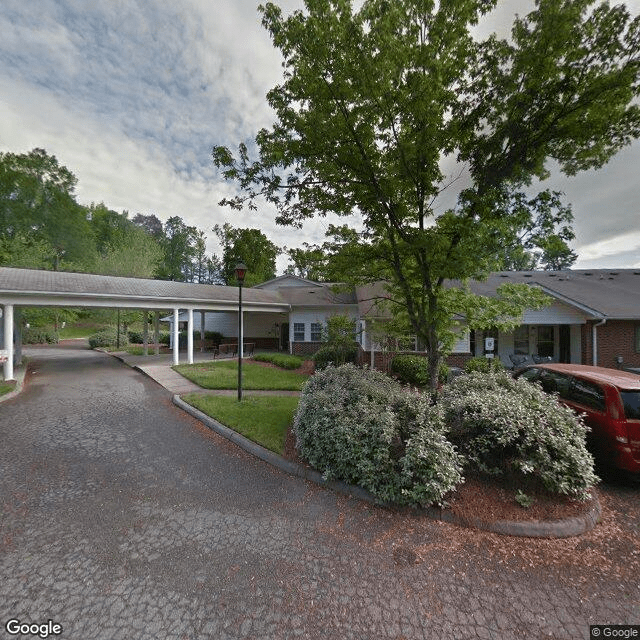
2121 Redwood Dr, Greensboro, NC 27405
To contact a resident: (336) 230-0740
For more information about senior living options: (866) 208-4318
Overall Review of Coley-Jenkins Independence
Pros
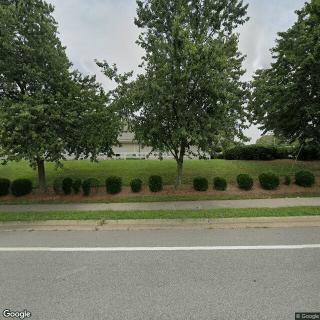
 The area is out of the way.
Cons
 The carpets are dirty.
- The security cameras are fake.
- The cabinets are old.
- The appliances are old.
- There are no lights in the living rooms.
- Rent is raised every six months.
- There are two nosy busybodies who gossip with the manager and share everyone’s business.
- A maintenance man does nothing but walk up and down drinking Mountain Dew.
- The hallways have dirty carpets.
- The ceiling fans are dirty.
- The staff treats the elderly like garbage and are only there two days a week, if that.
- The staff are not professional; they do not send out letters or notices, and when they do, they do not keep appointment times.
Review
Coley-Jenkins Independence in Greensboro is best suited for a senior who must keep costs extremely low and is willing to tolerate a sparse, under-maintained environment with minimal staff presence. The out-of-the-way location might appeal to someone craving privacy or silence, but that appeal is quickly undercut by the realities inside: dim living-room lighting, obsolete cabinets and appliances, and carpets that show heavy wear. The place signals a budget-first approach rather than a service-first mindset, making it a fit only for someone who accepts a rough, largely self-managed living situation in exchange for a lower price tag.
Those who should actively consider alternatives are families prioritizing safety, cleanliness, and reliable, professional care. If predictable staffing comes first, or if ongoing housekeeping, timely maintenance, and transparent communications are non-negotiable, this community should be crossed off the list. The repeated pattern of staff absence, being present only two days a week or less, paired with unresponsive maintenance fosters a climate where concerns are left unaddressed and resident needs are routinely deprioritized. In short, for anyone who wants assurance that daily life runs smoothly, other options will deliver more consistently.
The few perceived positives, chiefly the offbeat benefit of a quieter, less congested setting, do not meaningfully offset the core failings. The “out-of-the-way” location may reduce traffic and noise, but it does nothing to fix the fundamental deficiencies: dirty carpets in hallways, dirty ceiling fans, outdated fixtures, and a living environment that feels neglected. Even features meant to reassure safety, such as cameras, feel dubious when paired with reports of unprofessional staff and a culture that treats residents as burdens rather than people. The calm exterior cannot compensate for the erosion of trust and comfort that comes from poor upkeep and inconsistent service.
Financial reliability is a consequential red flag. Rent is reported to increase every six months, a practice that compounds uncertainty and makes budgeting precarious for seniors on fixed incomes. When price escalates without clear justification or plan, residents and families are left guessing what the true monthly cost will be next year. This volatility amplifies every other negative signal, maintenance delays, staffing gaps, and outdated amenities, creating a cumulative risk that undermines long-term peace of mind. In a setting where comfort and predictability matter, the economics alone push families toward other communities.
Practical decision points follow from these observations. Prospective residents should demand a transparent, current staffing schedule and a walk-through with a manager who can address ongoing maintenance issues in real time. Inquire about the real status of security measures, including whether cameras are functional and how security concerns are actually addressed. Request to speak with current residents about daily life, meal options, housekeeping frequency, and any planned improvements. Review the rental agreement for terms on rate increases, what services are included, and any possible fees. Finally, insist on written commitments for appointment punctuality, communication timelines, and a concrete plan to bring facilities up to a minimum standard.
Ultimately, the case for Coley-Jenkins Independence rests on a single axis: cost versus care. The portfolio of negatives, dirty facilities, poor maintenance, limited staff, inconsistent communication, and regular rent escalations, outweighs any modest location advantages. Families should pursue alternatives that offer cleaner environments, steady staffing, respectful treatment of residents, and predictable pricing. If cost constraints are non-negotiable, explore communities with frostier economics that still maintain basic standards of safety, cleanliness, and professional operation. In any event, the verdict is clear: this option is unlikely to meet the needs of most seniors seeking reliable, dignified independent living.
 Independent Living
 Piedmont Triad International (10 miles away)
 Nurturing Our Loved Ones: A Daughter's Journey in Caring for Her Mother
 Nurturing Our Elders: Linda's Journey of Supporting Her Mother
 A Comprehensive Exploration of Common Misunderstandings about Powers of Attorney