565 Boyette Road, Four Oaks, NC 27524
For more information about senior living options: (866) 208-4318
Overall Review of Four Oaks Senior Living
Pros
 There were a few employees who really did their jobs from the heart.
- Callie's office staff and nursing staff go out of their way every day to help her.
- The facility is described as an awesome place with caring people.
- Four Oaks Senior Living (Oakview Commons) is very good to its residents and treats them with dignity and respect.
- The memory care unit is caring, with a new memory care coordinator doing a good job and staff showing love for residents.
Cons
 The bathroom was filthy with poop on the floor and no one cleaned it promptly.
- Medications were mishandled, including an insulin order that was not properly administered.
- A family member ended up in the ER due to a high blood sugar spike, and no one called to inform them.
- Calls to check on the resident often went unanswered, and updates were not provided.
- The residentā€™s health declined dramatically after arrival, indicating deteriorating care.
- Pills were found on the floor beside the bed, showing poor medication monitoring.
- Staff were described as lazy or uncaring, with few truly compassionate workers.
- The memory care unit had broken call buttons, staff on cell phones, and safety issues left unaddressed.
Review
Four Oaks Senior Living in Four Oaks, NC is best suited for families that need an affordable option and are prepared to shepherd care closely. The community can work for residents who require hands-on assistance with daily living and who can tolerate uneven staffing levels and variable medical oversight. It may hold appeal for those who value a straightforward, low-cost setting with private or semi-private rooms and a reasonable amount of routine activities, provided families accept that day-to-day reliability will hinge on vigilant family advocacy.
Those considering alternatives should pay close attention if a loved one has high medical needs, dementia, or requires consistent, physician-led oversight. Several reviews flag medication safety lapses, unexplained changes in meds, and limited physician contact, all of which can escalate quickly for fragile residents. If the plan relies on regular doctor visits, predictable responses to emergencies, or rigorous safety protocols (for example, working call bells and prompt, in-person staff intervention), other communities with stronger clinical oversight will likely fare better.
The most serious cons cluster around safety, medical administration, and communication. Repeated reports describe missed or mishandled medications, pills left unattended, and a lack of timely notification when a resident experiences a crisis or injury. Staff coverage, especially on weekends, appears inconsistent, with instances of staff appearing distracted, sleeping on shift, or unable to answer phones promptly. Cleanliness concerns persist across several accounts, including dirty rooms and bedding, odors, and a perception that safety monitoring is insufficient, before a family can feel confident, these issues must be addressed consistently.
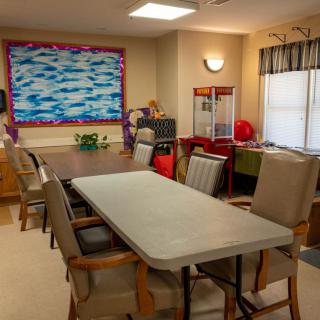
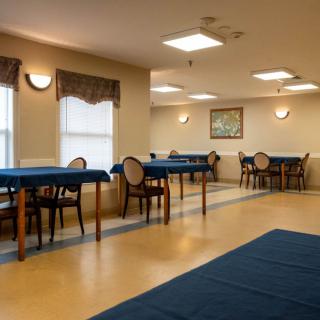
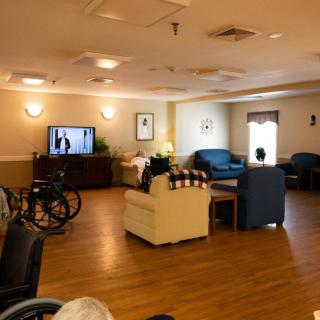
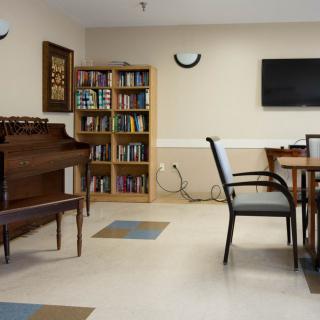
On the plus side, there are kernels of care that families can lean on. A handful of staff members are described as genuinely compassionate and dedicated, and the physical plant, the option for private or semi-private rooms and well-kept grounds, offers a basic standard of comfort. In memory care, a few teams have shown improvement with a new coordinator and ongoing resident engagement, and there are mentions of dedicated individuals who go the extra mile. These bright spots indicate that, when the right staff are present, residents can receive attentive, respectful treatment.
Ultimately, the pros do not fully offset the major drawbacks for most residents. The quality of daily life can be acceptable when a family actively oversees medications, communicates clearly with the team, and monitors safety systems. Yet the repeated, high-impact failures, medication mistakes, delayed crisis communication, safety lapses in memory care, and noticeable staff shortages, underscore why many families view this community as a place to avoid for higher-acuity or safety-sensitive needs. For families choosing Four Oaks, a deliberate, hands-on management plan is essential, and readiness to transition to a more vigilant option if problems persist is prudent.
If Four Oaks remains under consideration, a concrete plan should be established before move-in: request explicit med-management protocols, insist on guaranteed physician access or scheduled in-person rounds, verify functioning call bells, and demand transparent incident reporting. Tour during peak activity times to observe staffing patterns firsthand, ask how often residents are bathed or helped with meals, and probe weekend coverage. Compare experiences with other local communities that consistently demonstrate clean environments, reliable communication, and proactive medical oversight. In short, proceed only if a robust family-partner approach is planned and a backup option is clearly identified.
 96 resident community capacity
 Studio apartments
 Assisted Living
 Memory Care
 Air-conditioning
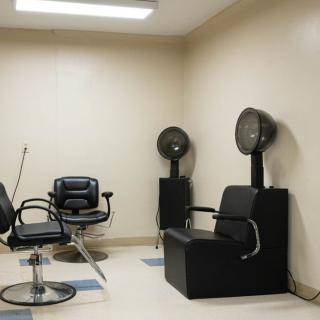
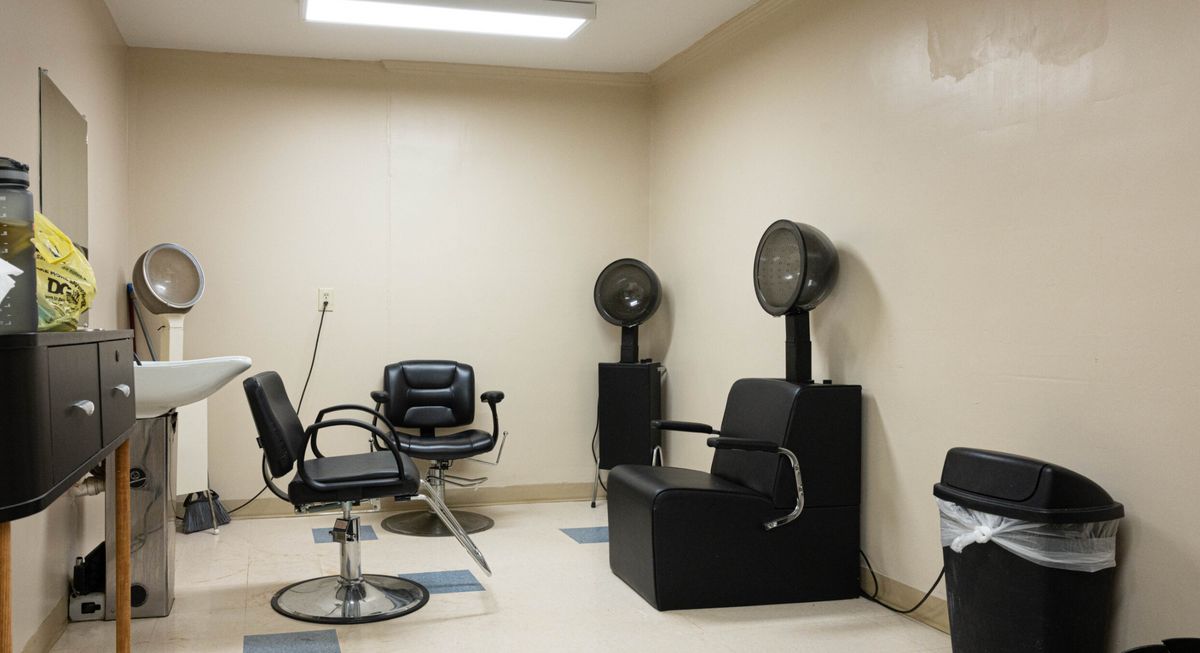
 Beautician on-site
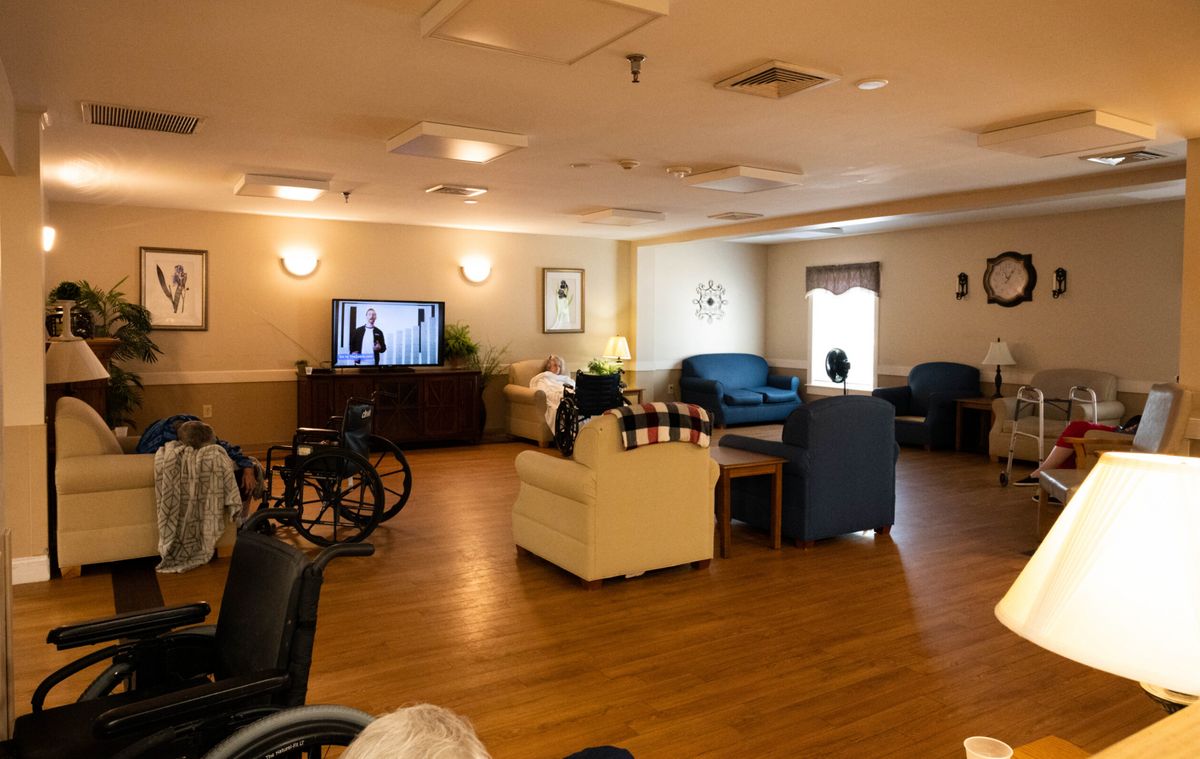
 Cable or satellite TV
 Computer center
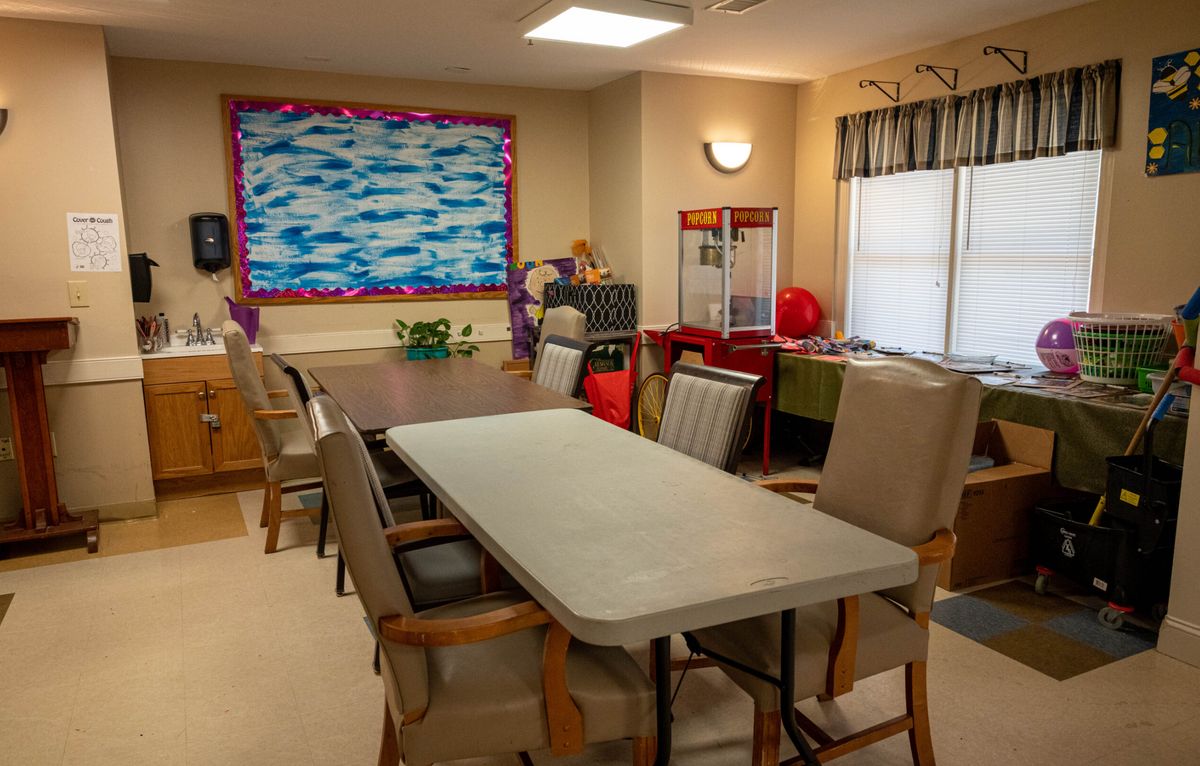
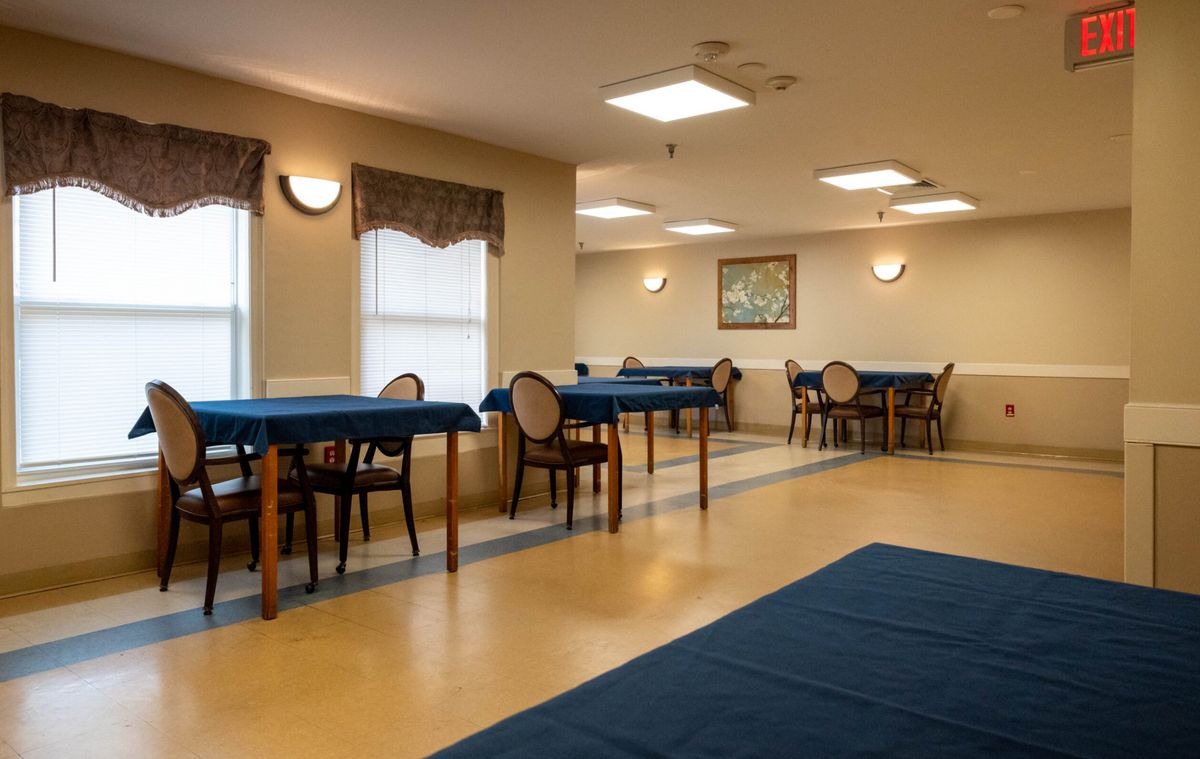
 Dining room
 Financial aid
 Fitness room
 Fully furnished
 Gaming room
 Garden
 Housekeeping services
 Kitchenette
 Move-in coordination
 Outdoor space
 Private bathrooms
 Restaurant-style dining
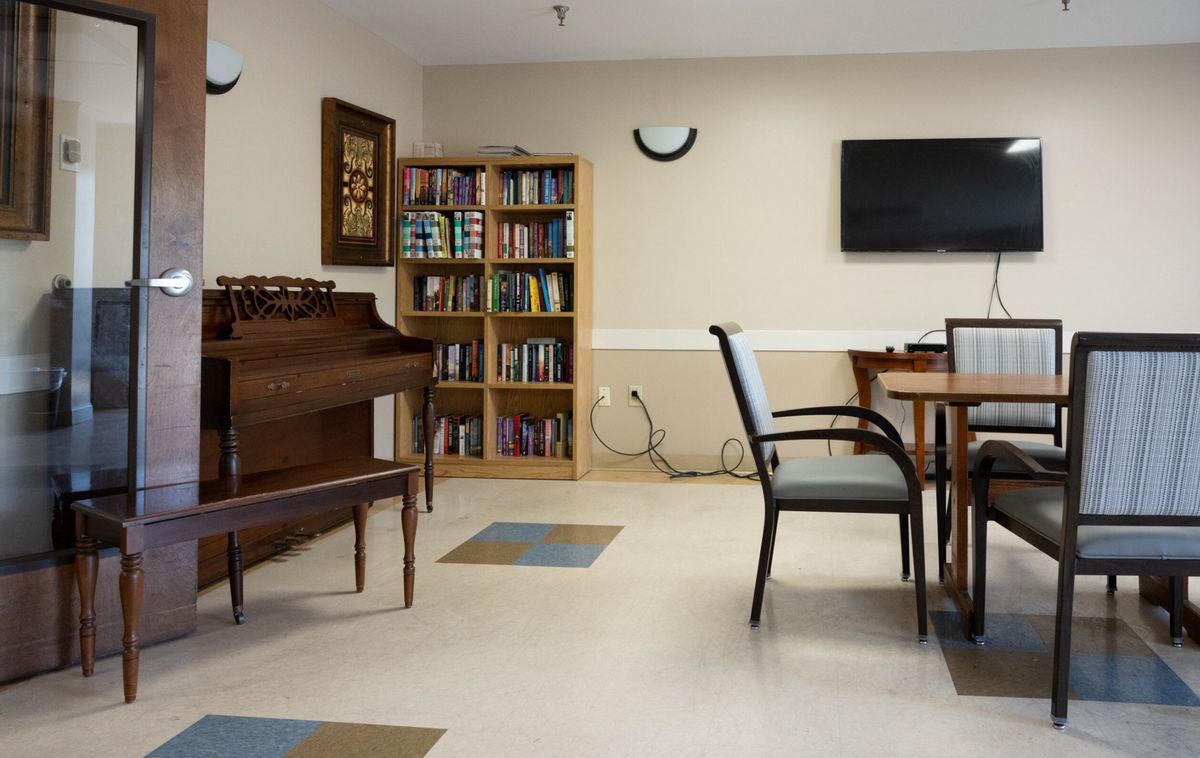
 Small library
 Spa
Spa Telephone
 Wi-Fi/high-speed internet available
 Community operated transportation
 12-16 hour nursing
 24-hour call system
 Activities of daily living assistance
 Assistance with bathing
 Assistance with dressing
 Assistance with transfers
 Diabetes diet
 Medication management
 Mental wellness program
 Special dietary restrictions
 Concierge services
 Games
Games Planned day trips
 English




 5 Early Indicators of Dementia and What You Can Do
 8 Important Indicators That Memory Care May Be Necessary
 Delving into the Inner World of Dementia: Insights into Thoughts and Awareness