
817 South Second Street, Smithfield, NC 27577
For more information about senior living options: (866) 208-4318
Overall Review of Ultimate Family Care Home
Pros
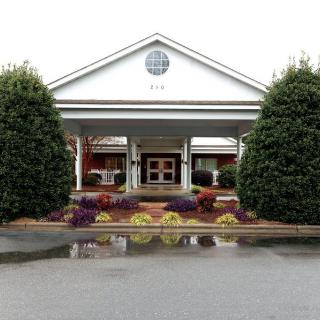
 The facility is clean, welcoming, and feels like home.
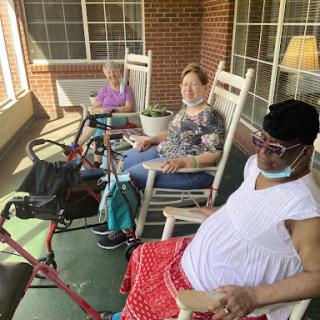
- The staff are kind, attentive, and truly love what they do.
- Families report respectful treatment and staff who greet them with smiles and feel like family.
- The care is exceptional, with a compassionate team that goes above and beyond.
- The environment is compassionate, well run, and supportive.
- Smithfield Manor is highly recommended for top-notch care and dedicated staff.
Cons
 It is described as the worst nursing home, with billing delays that let residents fall seven months behind without acknowledgment.
- Food quality reportedly declined after new ownership, and frequent staff shortages with poor management responses to inquiries were noted.
- Residents were said to be neglected, with examples of calls for help going unanswered.
- A nurse was accused of hurting a resident, raising concerns about patient safety and care.
- The building is described as very old and depressing, with outdated decor and no pictures on the walls.
- Some staff were viewed as working for a paycheck rather than out of genuine care for residents, undermining trust.
Review
This community is best suited for families seeking a warm, person-centered rehab-to-nursing transition where staff are repeatedly described as compassionate, attentive, and genuinely invested in residents’ well-being. It works well for individuals who want a home-like atmosphere, meticulous cleanliness, and a caregiving team that treats residents with kindness and respect. The strongest case is for those needing short-term rehabilitation followed by steady nursing support, with regular staff who know residents by name and advocate for their comfort and safety. In short, it serves as a solid, heart-first option for families prioritizing relational care and a positive, welcoming environment.
That said, there are clear reasons some families should consider alternatives. Persistent concerns around management responsiveness, changes tied to ownership, and reports of uneven food quality and staffing levels deserve real attention. Several accounts describe outdated décor and a facility that feels aging rather than modern. Billing reliability and timely communication were flagged by a few families as problematic. For families who demand a consistently turnkey operation, with a modern look, transparent billing, and a fixed leadership team, exploring other options may be prudent.
The core strengths, compassionate staff, teamwork, and a clean, homey setting, often offset many downsides. Families repeatedly celebrate staff members who go the extra mile, a culture where nurses, aides, and administrators appear aligned in delivering respectful, resident-focused care, and a facility that feels welcoming from entry to common areas. When care needs intensify, the same teams that deliver daily kindness are praised for effective rehab and steady medical attention. In practice, these pros translate into residents who feel valued, experiences of smoother transitions from rehab to long-term care, and fewer distressing caregiving gaps on good days.
However, the cons carry enough weight to matter in decision-making. The most consequential factors are staffing stability and administrative follow-through. Reports of shortages, inconsistent dining quality, and management responses that feel slow or insufficient can erode confidence, particularly for families monitoring day-to-day changes. A perception, whether fully accurate or exaggerated in some accounts, of neglect or delayed attention in certain shifts underscores the risk when supervision is inconsistent. An aging building can amplify these worries, especially for residents with mobility or sensory challenges who rely on visible, well-maintained surroundings.
For families weighing their steps, practical due diligence is essential. Ask about current staffing ratios per shift and how turnover is managed, and request a tour that includes resident rooms, dining areas, and rehab spaces at varying times of day. Probe the administrative side: how concerns are escalated, the cadence of billing statements, and clarity of service plans. Inquire about menu variety and the process for tailoring meals to swallowing or dietary needs, and seek examples of how rehab goals are coordinated with long-term care plans. If possible, speak with residents and family members about communication quality and responsiveness over a recent month.
Ultimately, this community offers a compelling combination of heartfelt care and clean, welcoming surroundings, especially for those prioritizing rehab readiness and a nurturing team dynamic. It remains a strong choice for families who value consistent warmth, clear caregiver relationships, and a proven culture of resident advocacy. Those who require a facility that consistently feels new, with flawless admin execution and perpetual modernization, should consider alternatives. For the rest, a careful visit, with focused questions on staffing, billing transparency, and management responsiveness, will determine whether the positives can reliably outweigh the cons in the long run.
 6 resident community capacity
 Assisted Living
 Board and Care Home
 Cable or satellite TV
 Dining room
 Fully furnished
 Garden
 Housekeeping services
 Move-in coordination
 Outdoor space
 Telephone
 Wi-Fi/high-speed internet available
 24-hour supervision
 Activities of daily living assistance
 Assistance with bathing
 Assistance with dressing
 Assistance with transfers
 Diabetes diet
 Meal preparation and service
 Medication management
 Special dietary restrictions
 Transportation arrangement (medical)
 Transportation to doctors appointments




 Comprehensive Insights into Activities of Daily Living (ADLs) and Their Assessment
 Guiding Elderly Parents Who Refuse Assisted Living: 6 Practical Steps
 Your Comprehensive Guide to Luxury Assisted Living: Elevated Facilities, Amenities, and Costs