For more information about senior living options: (866) 208-4318
3.2 from 53 reviews
5 stars
25
4 stars
5
3 stars
2
2 stars
0
1 stars
21
Overall Review of Highland House of Fayetteville
common19 reviews mention this
Staff kindness and teamwork stand out
Residents and families frequently describe staff who are kind, helpful, and team-oriented.
Many reviews emphasize that staff treat residents well and respond with care, including CNAs, nurses, therapy, and office personnel. Several people describe a supportive atmosphere where concerns are listened to and handled. A few others add that the staff helped make rehabilitation feel more purposeful during a difficult recovery.
common6 reviews mention this
Cleanliness is repeatedly praised
Residents and visitors repeatedly mention a notably clean building.
Multiple reviewers describe the facility as very clean, including resident halls and overall cleanliness. Some also mention staff staying busy with cleaning and upkeep during visits. Cleanliness comes through as a consistent positive that pairs with other day-to-day impressions.
common8 reviews mention this
Activities and therapy keep people engaged
Reviews often point to strong therapy support and an active activities calendar.
Several residents and families describe therapy as a meaningful part of recovery, with staff pushing people to participate and improve. Activities also come up often, including bingo and regular events, with at least one family member describing singing and related engagement for dementia. One review notes that without the activities calendar there would be little to do, while another highlights the therapy and team environment as a reason they would recommend the place.
caveat7 reviews mention this
Food receives mixed feedback
Dining is described positively at times, but several reviews raise concerns about quality.
Some reviewers speak well of dietary staff and chefs, and at least one notes dietary nutrition being great. Others describe food arriving cold or bland, wanting better presentation or a menu. The negative experiences also include serious concerns tied to nutrition and care, including claims of inadequate or inappropriate food and malnutrition concerns.
caveat7 reviews mention this
Communication can be unreliable
Several reviews report difficulty reaching the facility or getting timely help.
A number of reviewers describe phones not being answered day or night, and others mention waits at the front desk or lack of immediate acknowledgment for visitors. There are also reports that leadership or directors did not return calls, even after concerns were raised. One hospice-related review also describes slow response when an alert tone was used.
caveat8 reviews mention this
Serious care breakdowns are alleged
Multiple reviews allege significant lapses in day-to-day care and safety.
Several negative reviews describe situations involving falls, possible inadequate checks, and problems with bedside support such as broken equipment or beds without needed safety features. Others allege medication and basic-care failures, including being overmedicated, not receiving medication, dehydration or malnutrition concerns, and delayed or denied help such as water requests. Across these accounts, reviewers describe outcomes they consider dangerous or unacceptable.
How we summarize
Counts show how many written reviews mention each theme; a review can touch several themes, and only frequently mentioned themes are displayed.
Features
Types of Care
Assisted Living
Amenities
Activities on-site
Devotional services off-site
Indoor common areas
Transportation
Fayetteville Municipal (7 miles away)
Care Services
Ambulatory care
Diabetic care
Dining
Meals provided
Activities
Activities on-site
Devotional activities offsite
Nearby Places of Interest
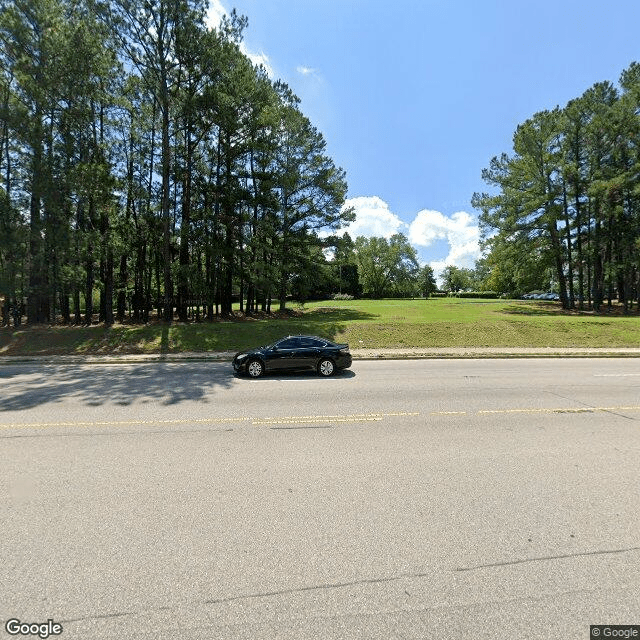
This part of Fayetteville, North Carolina, offers a convenient and accessible location for senior living. With various physicians' offices within close proximity, including Cape Fear Valley and North Ramsey Dialysis Center, residents can easily access medical care. There are also several dining options nearby, ranging from fast food to sit-down restaurants like Cracker Barrel and Hook & Reel Cajun Seafood & Bar. For entertainment, AMC Fayetteville 14 is just a short drive away. Additionally, there are pharmacies such as Walmart Pharmacy and CVS Pharmacy in the area for medication needs. With parks like Smith Lake nearby, seniors can enjoy outdoor activities as well. Overall, this neighborhood provides a mix of amenities that cater to the diverse needs of older adults looking for a comfortable and convenient living environment in Fayetteville.
Physicians
Cape Fear Valley (0.4 miles)
North Ramsey Dialysis Center (2.8 miles)
Cape Fear Orthopaedic Clinic (4.7 miles)
Family Medicine and Acute Care of Sandhills (13.9 miles)
Assisted living for adults with disabilities has transformed to provide personalized care and support services aimed at improving residents' quality of life while balancing independence and assistance. However, low-income individuals often face challenges in affording these services, requiring navigation of various financial resources and advocacy for better policies and solutions.
Assisted living facilities provide support for older adults needing help with daily activities without extensive medical care, but their costs can be high and vary by location and services offered. Families often seek various funding options and financial strategies to manage these expenses effectively while considering future needs and potential price increases.
The article discusses assisted living expenses, the importance of long-term care insurance in covering these costs, and various financing options, highlighting the need for careful policy review and early planning to address potential needs. It also clarifies common misconceptions about Medicare and private health insurance limitations regarding long-term care coverage.
Get PricingAsk A QuestionSchedule A TourContact Senior Advisor
By clicking submit, you agree to our Partner's Terms of Use. You
also consent to receive calls and texts, which may be autodialed, from our Partner. Your consent is not a condition to
using our Partner's service. Please visit our Partner's Privacy Policy for information about their privacy practices.

 Assisted Living
 Activities on-site
 Devotional services off-site
 Indoor common areas
 Fayetteville Municipal (7 miles away)
 Ambulatory care
 Diabetic care
 Meals provided
 Caring, respectful staff in a clean, bright, and welcoming environment with good dining.





 Comprehensive Supportive Living Arrangements for Adults with Disabilities
 Funding and Affording Assisted Living: A Thorough Overview
 Assisted Living Expenses and Long-Term Care Insurance: A Comprehensive Exploration