
713 Eva Street, Durham, NC 27701
For more information about senior living options: (866) 208-4318
Overall Review of Nu Care Family Care Home
Pros
 The reviewer praised the personalized care plan for their grandmother and said the team went above and beyond, expressing lasting gratitude.
- Nuangels Home Care was described as a great company with a wonderful experience taking care of the reviewer’s family, with thanks for all that NuAngels did.
Cons
 The company was unprofessional, failed to communicate effectively, and showed no sense of urgency.
- The company was one of the worst, with aides who were constantly late or needed an aide themselves.
- An aide sent by the company slept on the job for about 40 minutes and could not be woken.
- The company seems to hire anyone, indicating poor staff screening.
- The business is not professionally run and should be avoided.
- Some positive reviews are claimed to be fake.
- The staff are liars and very unprofessional; they will lie when backed into a corner.
- Things began to go missing from the home, implying theft by staff.
- They hung up on customers and provided poor customer service.
- They were disrespectful to the grandfather, repeatedly sent the same aide despite objections, and discharged him for not getting to the door fast enough.
Review
Nu Care Family Care Home in Durham, NC is best suited for families that can act as a hands-on care manager, prioritizing a small, home-like setting while requiring careful, ongoing oversight. The community presentation implies a personalized approach, but the real-world signal from most reviews is that reliability and consistency must be actively managed by relatives or a trusted advocate. This option can work for caregivers who are comfortable policing the service, demanding punctuality, and insisting on a clear care plan that actually gets executed. It is not a good fit for families seeking a stress-free, hands-off arrangement or for those who expect a consistently seamless staffing roster without close supervision.
Those considering alternatives should evaluate whether a larger, more credentialed agency or a traditional assisted living environment might deliver steadier staffing, better training, and clearer accountability. Families that cannot tolerate frequent aide turnover, unexplained delays, or disputes about the level of care should look elsewhere. If the goal is predictable daily support with reliable communication and fewer last-minute staffing shifts, a different provider or a structured community setting will likely deliver more peace of mind and fewer battles over service delivery.
The few apparent positives hint at what this outfit can offer when it functions as designed. A handful of reviewers point to a tailored care plan and moments of going “above and beyond,” suggesting that, under the right supervision, individualized attention is possible. In environments where a family can demand specifics and monitor execution, such a plan can translate into meaningful support for a disabled senior. However, these instances appear sporadic and do not offset the broader pattern of service gaps described by multiple families.
The dominant concerns are systemic and pervasive. Reports describe inconsistent communication, frequent changes in caregivers, chronic lateness, and aides who are not adequately prepared for the responsibilities at hand. Several accounts allege disrespect or mismanagement, including occasions where staff seemed disengaged or unable to complete basic tasks. The most troubling narratives involve safety and dignity, accusations of inappropriate handling, discharge pressures, and questions about staff training or vetting. When a provider cannot demonstrate steady staffing, timely responses, and a professional demeanor, these risks grow from inconvenient to potentially harmful.
Families can mitigate some risk with a rigorous, documented arrangement. Insist on a fixed, written schedule with defined shifts and a commitment to assign the same aides whenever possible. Demand clear metrics for response times, task completion, and weekly progress notes. Require direct contact with a supervising coordinator who is reachable and accountable, and set a concrete escalation path for any missed visits or quality concerns. Perform thorough reference checks, request recent background verifications, and pilot the service for a short period with specific, measurable goals. This approach makes it possible to extract value from a plan that otherwise carries too much risk.
In the end, Nu Care Family Care Home presents a high-variability proposition. For families with the bandwith to supervise care closely, it may deliver occasional, personalized attention in a small, intimate setting. For most families, the combination of staffing instability, communication breakdowns, and reported safety concerns makes alternatives, whether a more established home care agency or an assisted living option with retained management, worth prioritizing. The decisive factor is whether the needed level of oversight can be sustained without eroding the senior’s daily stability and peace of mind.
 4 resident community capacity
 Assisted Living
 Board and Care Home
 Cable or satellite TV
 Dining room
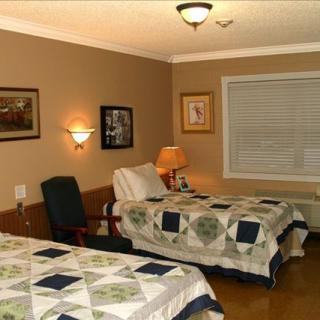
 Fully furnished
 Garden
 Housekeeping services
 Move-in coordination
 Outdoor space
 Telephone
 Wi-Fi/high-speed internet available
 Raleigh-Durham International (10 miles away)
 24-hour supervision
 Activities of daily living assistance
 Assistance with bathing
 Assistance with dressing
 Assistance with transfers
 Diabetes diet
 Meal preparation and service
 Medication management
 Special dietary restrictions
 Transportation arrangement (medical)
 Transportation to doctors appointments





 Understanding Medicaid Coverage for Assisted Living: A Comprehensive Guide
 How and When Medicaid May Cover Assisted Living Costs
 A Detailed Exploration of Assisted Living Medicaid Waivers Across the United States