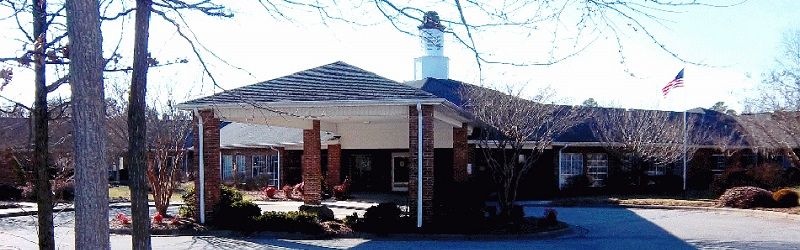





3750 Harper Road, Clemmons, NC 27012
For more information about senior living options: (866) 208-4318
Overall Review of Trinity Elms
Pros
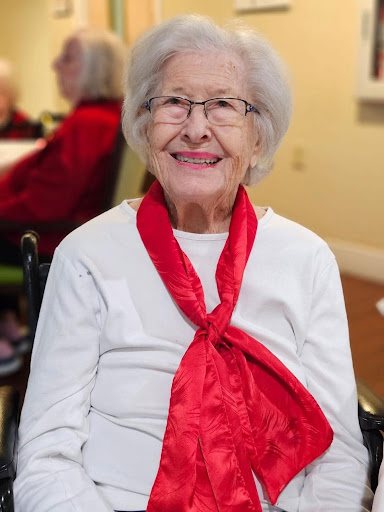
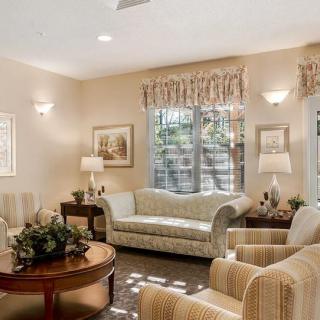
 The facility is cheerful and very clean.
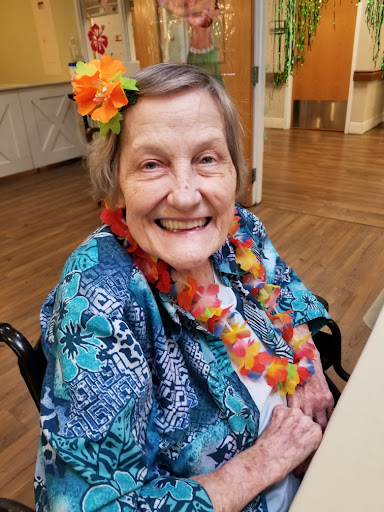
- The facility is beautiful, with very good food and excellent activities.
- The service is excellent and the staff are very caring.
- The move-in process is quick and easy.
- It is considered the place the family would choose for future care.
- Trinity Elms is an excellent assisted living center, well run, with caring staff and an administrator.
- The health and rehab unit next door offers a step up in care.
- It is highly recommended.
Cons
 The staff rushed residents through, never sat down, and handed them paperwork, creating a hurried, impersonal experience.
- There was a six-month to a year-long waiting list, giving the impression that the facility didn’t need new residents.
- There were reports of cliques among staff who did not work and spread petty gossip.
- A patient was left in a dirty diaper for hours before being cleaned.
- Diabetic patients reportedly did not receive proper meals, causing sugar levels to run high.
- Administration was hard to reach, and concerns were not addressed.
- A resident almost died due to lack of care.
Review
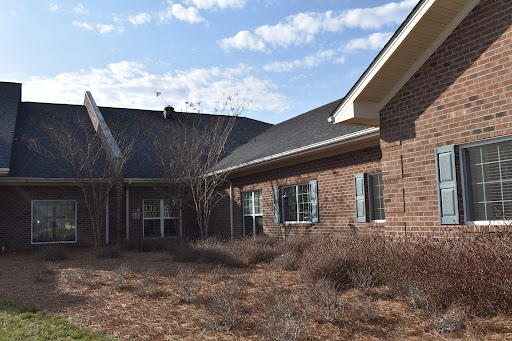
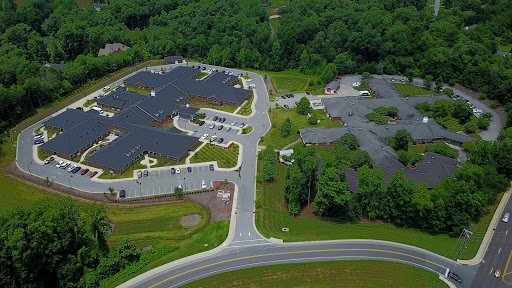
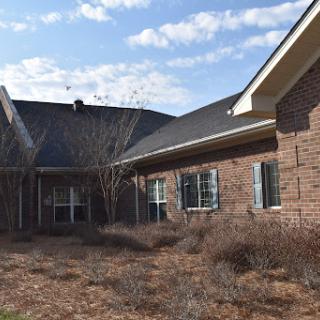
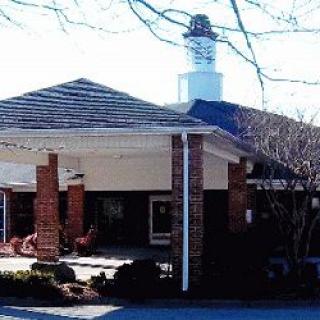
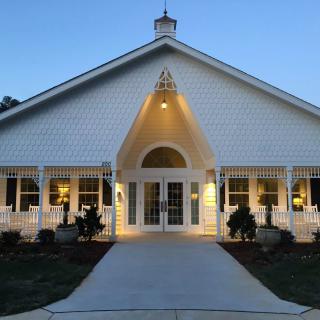
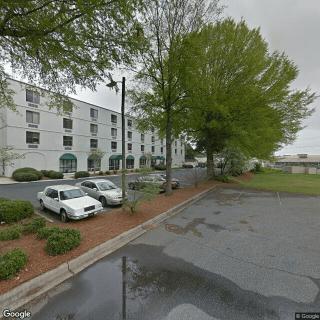
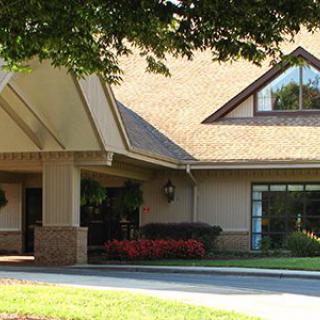
Trinity Elms in Clemmons is best suited for families seeking a modern, clean campus with a lively activities calendar and solid dining, and who can actively supervise care or accept care needs that are not highly complex. The building’s new-appeal, cheerful common areas, and approachable layout give residents a comfortable, home-like feel, especially for those who want a neighborhood option close to home. The adjacent Trinity Elms health and rehab unit also offers a pathway to more advanced skilled services if medical needs evolve, which can be a practical consideration for families planning long-term care trajectories.
But several clear caveats demand attention. Prospective residents who require consistent, hands-on nursing and CNA coverage, or who expect seamless, low-friction administrative support, should consider alternatives. Reports of administrative gaps and staff turnover complicate day-to-day care, and there are persistent questions about supervision and accountability at the leadership level. A long waiting list for admission and the sense that the facility can become “focused on volume” rather than individualized care are meaningful red flags for families evaluating whether Trinity Elms can reliably meet ongoing medical and personal-care needs.
The strongest positives, cleanliness, a pleasant environment, and an active social program, do offset some concerns when care is appropriately aligned with expectations. Several families praise the facility for being well-kept, attractive, and offering good food and meaningful activities, which can significantly improve quality of life for residents who do not require intensive medical interventions around the clock. For many seniors, especially those who prioritize social engagement and routine rather than high-acuity medical care, Trinity Elms delivers a livable, uplifting atmosphere that supports independence and engagement.
Nevertheless, troubling reports cannot be dismissed. Instances cited by families include neglectful moments, delayed assistance from caregivers, and perceived administrative disengagement, sometimes accompanied by friction among staff and leadership. Specific anecdotes describe situations where cleanliness or dignity in care was compromised, concerns about how medications and diabetes management were handled, and a perception that oversight and accountability were lacking. These episodes underscore the risk that care quality can fluctuate and that resident advocates must be vigilant and proactive.
On balance, families with long-tenured satisfaction and a history of positive interactions with staff will find credible evidence that Trinity Elms can be a good match, especially when choosing the right unit and engaging early with administration. Positive testimonials emphasize attentive, compassionate staff, a supportive atmosphere, and a resident-first culture from certain caregivers and leaders, plus the convenience of an all-in-one campus and nearby rehab resources. However, the experience is not uniform, and the contrast between standout moments of care and quieter periods of under-staffed response creates a clear divide.
For families weighing this community, a deliberate, structured due-diligence approach is essential. Schedule multiple tours, request candid conversations with the DON or administrator, and insist on meeting front-line caregivers to gauge consistency and tone. Ask for current staffing ratios, incident and complaint histories, and how care plans are monitored and updated. Review the cost structure meticulously, including what is and isn’t included, how refunds are handled, and how long-term needs are anticipated to be billed. Probe menus for diabetes-friendly options and overall nutrition oversight. If priorities center on a bright, engaging environment with robust auxiliary services and strong family engagement, Trinity Elms can work, provided care needs remain under careful supervision and aspettsto persistent oversight. If the priority is steady, predictable clinical care with minimal need for family intervention and fewer management ambiguities, exploring other options may prevent compromises later on.
 104 resident community capacity
 Assisted Living
 Memory Care
 Activities on-site
 Air-conditioning
 Beauty salon
 Cable or satellite TV
 Computer center
 Devotional services off-site
 Dining room
 Fitness room
 Fully furnished
 Gaming room
 Garden
 Housekeeping services
 Indoor common areas
 Kitchenette
 Move-in coordination
 Outdoor space
 Private bathrooms
 Restaurant-style dining
 Small library
 Telephone
 Wellness center
 Wi-Fi/high-speed internet available
 Community operated transportation
 12-16 hour nursing
 24-hour call system
 Ambulatory care
 Assistance with bathing
 Assistance with dressing
 Assistance with transfers
 Diabetes diet
 Diabetic care
 Medication management
 Mental wellness program
 Special dietary restrictions
 Concierge services
 Planned day trips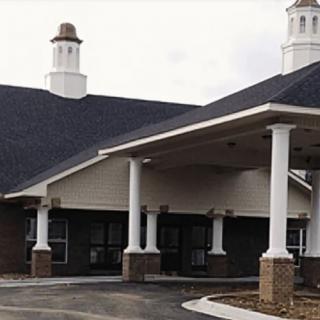



 Memory Care Pathways: A Holistic Guide to Dementia Support
 Comprehending Evening Confusion in Dementia: Causes, Manifestations, and Support
 Delirium and Dementia: Unraveling the Key Differences