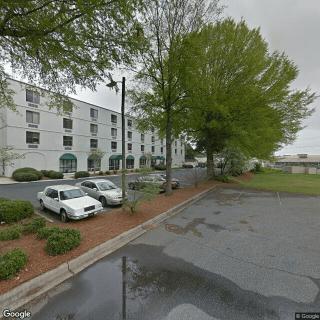
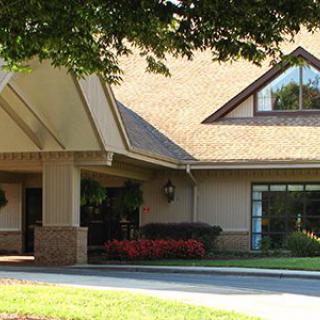
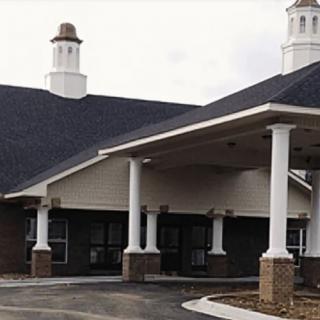
Trinity Elms in Clemmons, NC

Save
Trinity Elms

Trinity Elms in Clemmons, NC

Information last verified:

7449 Fair Oaks Drive, Clemmons, NC 27012

For more information about senior living options: (844) 490-3973

3.3 from 28 reviews
5 stars
13
4 stars
1
3 stars
2
2 stars
5
1 stars
7

Overall Review of Trinity Elms

Pros

  • pro Trinity Elms encouraged him through difficulties that his family was not equipped to handle.
  • pro Every day at Trinity Elms felt like a holiday and every meal a banquet.
  • pro Trinity Elms added quality to his father’s life, not just quantity.
  • pro The therapy staff at Trinity Elms was amazing and supportive.
  • pro The nursing staff and aides were pleasant and helpful.
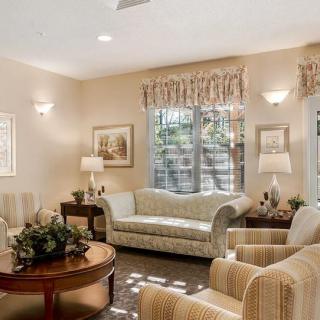
  • pro The facility is clean, cheerful, and offers beautiful living spaces with excellent activities.
  • pro The food at Trinity Elms was highly praised by residents.
  • pro The staff are caring and have exceptional staffing, making the place feel well-run and trustworthy.

Cons

  • pro Staff involved in basic patient care was inept.
  • pro During end-of-life care, assistive staff lacked respect, yelled to coworkers outside the room, and laughed.
  • pro A lack of empathy was shown by assistive personnel.
  • pro The patient developed bedsores and the family was not contacted.
  • pro The patient was not bathed daily.
  • pro The patient was not changed often.
  • pro There was no daily chart to review updates or progress.
  • pro Weekend staff were inept and ignored residents' requests.
  • pro The facility would not accept Medicaid unless families paid two years' personal funds first.
  • pro There were periods when the building had no heat or no water for days.
  • pro Personal items were missing after moves within the facility.
  • pro There were cliques of staff who spent time gossiping and not helping residents.

Review

This community is best suited for families seeking a clean, cheerful environment with consistently strong food and engaging activities, paired with a rehab-focused option that can support recovery from surgery or hospitalization. Trinity Elms works well for residents who can benefit from a proactive therapy team, pleasant social programming, and a home-like atmosphere, with the understanding that long-term care requires ongoing coordination with an attentive front office and nursing staff. It is particularly appealing to those who prioritize a bright setting and a facility that feels newer or well maintained, and who are comfortable navigating private-pay expectations or higher monthly costs for the level of care described.

Careful consideration is warranted for families weighing Medicaid, budgeting, and daily care reliability. Several voices in the reviews flag questions about affordability and payment practices, including challenges around refunds and the need to cover costs before any Medicaid coverage would be engaged. Prospective residents with tighter budgets or strict Medicaid expectations may want to compare other options in the area. Additionally, for loved ones with high daily care needs or complex medical oversight requirements, Trinity Elms may impose limitations if staffing variability translates into delayed response times, uneven supervision, or gaps in routine care, areas where alternatives with stronger fixed staffing and clearer administrative processes could prove more reassuring.

The strongest positives emerge where therapy teams are active and engaged, and where the dining and social environment supports ongoing motivation. Families repeatedly praise the rehabilitation experience when it works as intended: compassionate therapists, attentive nursing aides during scheduled therapy, and a food program that residents describe as satisfying and even enjoyable. The combination of clean facilities, pleasant atmosphere, and a culture of care during therapy moments creates meaningful momentum for recovery and helps families feel that a loved one remains connected to daily life and routine. In long-term stay scenarios, residents who settle into the living space and form relationships with attentive staff members also report lasting satisfaction with the environment and the sense that many caregivers are genuinely dedicated.

Yet the ledger is far from one-sided. The most frequent cautions center on staffing gaps, especially on weekends, and inconsistent daily care. Reports of overworked aides, uneven responsiveness, and limited visibility into daily progress are persistent enough to influence decision-making for families with high expectations for reliable, hands-on care. Several accounts describe lapses in basic daily needs, timely turning, bathing, and nutrition encouragement, along with communication gaps that leave families waiting for updates. Administrative friction compounds these concerns: perceived indifference from leadership, difficulties securing timely refunds, and uneven information sharing across shifts. Combined with a few references to dated interiors and lingering facility wear, these factors significantly temper the otherwise attractive impression of the setting.

The balance between advantages and drawbacks suggests a nuanced choice. For a loved one who can thrive with strong rehabilitation, good meals, and social engagement, Trinity Elms can deliver meaningful gains and a reassuring daily rhythm, provided administrative channels and nursing follow-through are actively managed by a vigilant family member or advocate. The positive experiences cited by long-term residents and their families, stable staff who connect with residents, dedicated therapy teams, and a consistently clean, inviting living space, can offset many concerns when care plans are transparent, and there is reliable escalation if concerns arise. However, for families whose priorities are unwavering daily oversight, rapid problem resolution, and predictable administrative handling, the reported inconsistencies may tip the balance toward exploring alternatives with firmer staffing models and more transparent governance.

Concrete steps guide families in evaluating Trinity Elms for a specific loved one. Begin with a candid tour that includes both the assisted living and the health-and-rehabilitation tracks, and press for a direct conversation with the director of nursing about staffing levels per shift, turnover, and how weekend coverage is staffed. Request a detailed, current care plan that outlines turning schedules, daily baths, medication administration, and participation in therapy; insist on access to a daily update process or progress notes that families can review without delay. Clarify cost structures, what is included in monthly rates, and the policy on refunds and Medicaid eligibility timelines before any commitment. Finally, observe the environment personally: assess staff responsiveness during a visit, note the quality of communications between departments, and speak with current residents about day-to-day experiences. If these elements align with needs and budget, Trinity Elms can be a strong, dependable choice; if not, expand the search to options with more uniform staffing and tighter administrative controls.

Features

Housing

  • 100 resident community capacity 100 resident community capacity

Types of Care

  • Assisted Living Assisted LivingAssisted living facilities provide crucial support and care for seniors who may need help with daily tasks such as medication management, bathing, and meal preparation. These communities offer a safe and comfortable environment where seniors can maintain their independence while receiving the assistance they need to thrive in their golden years.
  • Skilled Nursing Facility Skilled Nursing FacilitySkilled Nursing Facilities are crucial for seniors as they provide round-the-clock medical care, rehabilitation services, and assistance with daily activities. These facilities ensure that seniors receive the specialized care they need to maintain their health and well-being as they age.

Amenities

  • Activities on-site Activities on-siteActivities on-site are important for seniors because they provide opportunities for socialization, mental stimulation, physical activity, and overall well-being. Engaging in activities can help seniors stay active, maintain their independence, and improve their quality of life.
  • Air-conditioning Air-conditioningAir conditioning is important for seniors as they are more vulnerable to heat-related illnesses and may have underlying health conditions that make it difficult for them to regulate their body temperature. It helps to keep them comfortable, safe, and healthy in hot weather.
  • Beauty salon Beauty salonBeauty salons are important for seniors because they provide a space for them to feel pampered, socialize, and maintain their personal grooming and hygiene. Regular visits to a beauty salon can help boost seniors' self-esteem and overall well-being.
  • Cable or satellite TV Cable or satellite TVCable or satellite TV is important for seniors because it provides entertainment, news, and companionship, helping to combat loneliness and boredom. It also offers a wide range of programming options tailored to different interests and preferences.
  • Computer center Computer centerA computer center is essential for seniors as it provides access to technology, communication tools, and resources that can enhance their daily lives. It allows them to stay connected with loved ones, engage in online activities, and learn new skills, ultimately promoting socialization and mental stimulation.
  • Devotional services off-site Devotional services off-siteDevotional services off-site are important for seniors as they provide spiritual nourishment, social engagement, and a sense of community outside of the senior living facility. This can enhance overall well-being and help combat feelings of isolation and loneliness often experienced by older adults.
  • Dining room Dining roomDining rooms are important for seniors as they provide a space for socialization, connection, and nutritious meals. They offer opportunities for residents to bond over shared meals, foster a sense of community, and promote healthy eating habits. Dining rooms also ensure that seniors have access to well-balanced meals tailored to their dietary needs and preferences.
  • Fitness room Fitness roomHaving a fitness room in a senior living community is essential for seniors to stay active, maintain their physical health, and improve their overall well-being. Regular exercise can help prevent falls, reduce the risk of chronic diseases, and promote mental sharpness. It also provides social opportunities for residents to connect with others and enjoy a sense of community.
  • Fully furnished Fully furnishedFully furnished senior living communities are important for seniors because they provide convenience, comfort, and a hassle-free moving experience. Seniors can easily settle into their new living space without the stress of having to buy and move furniture. This allows them to focus on enjoying their new home and community.
  • Gaming room Gaming roomGaming rooms are important for seniors as they provide a fun and engaging environment for socializing, cognitive stimulation, and physical activity. Games can improve memory, problem-solving skills, and overall mental well-being while fostering friendships and reducing feelings of isolation.
  • Garden GardenGardens are important for seniors as they provide a peaceful and therapeutic environment for relaxation, physical activity, and socialization. Being in nature has been shown to reduce stress, improve mood, and promote overall well-being. Gardens also offer opportunities for seniors to engage in gardening activities, which can improve mobility, flexibility, and cognitive function. Additionally, gardens create a sense of community and connection with others who share a passion for plants and outdoor spaces.
  • Housekeeping services Housekeeping servicesHousekeeping services are important for seniors because they help maintain a clean and safe living environment, promote independence, and reduce the risk of accidents or illnesses. Additionally, having assistance with household chores can alleviate physical strain and allow seniors to focus on other aspects of their well-being.
  • Indoor common areas Indoor common areasIndoor common areas are crucial for seniors as they provide a space for socialization, recreation, and community engagement, promoting overall well-being and reducing feelings of isolation and loneliness.
  • Kitchenette KitchenetteKitchenettes are important for seniors living in senior living communities because they provide the convenience and independence of being able to prepare simple meals and snacks in the comfort of their own living space. This can help promote a sense of autonomy and well-being for seniors, allowing them to maintain some level of control over their dietary choices and daily routines.
  • Move-in coordination Move-in coordinationMove-in coordination is important for seniors because it helps ease the transition into their new living environment. It ensures that all logistics, such as packing, organizing movers, and setting up utilities are taken care of, allowing seniors to focus on settling in and adjusting to their new home. Having a smooth move-in process can alleviate stress and anxiety, making the transition smoother and more enjoyable for seniors.
  • Outdoor space Outdoor spaceOutdoor spaces are important for seniors as they provide opportunities for physical activity, social interaction, exposure to natural light and fresh air, and a sense of connection to nature. Having access to outdoor spaces can improve overall well-being and quality of life for older adults living in senior communities.
  • Private bathrooms Private bathroomsPrivate bathrooms are important for seniors in senior living communities because they provide independence, dignity, and comfort. Having a private bathroom allows seniors to maintain their personal hygiene routines without the need for assistance, promoting a sense of autonomy and privacy. Additionally, private bathrooms help prevent the spread of infections and provide a safe and clean environment for seniors to navigate safely.
  • Restaurant-style dining Restaurant-style diningRestaurant-style dining is important for seniors because it allows them to enjoy delicious, nutritious meals in a social and upscale setting. This enhances their dining experience, promotes healthy eating habits, and fosters socialization with fellow residents, ultimately contributing to their overall well-being and quality of life.
  • Small library Small librarySmall libraries are important for seniors as they provide access to a variety of reading materials, including books, newspapers, and magazines. This can help stimulate their minds, keep them engaged, and provide a sense of community through book clubs and other social activities. Additionally, reading has been shown to improve cognitive function and overall mental well-being in older adults.
  • Telephone TelephoneTelephones are important for seniors as they provide a lifeline for communication with loved ones, emergency services, and healthcare providers. They offer a sense of security and independence, enabling seniors to stay connected and access assistance when needed.
  • Wellness center Wellness centerWellness centers are important for seniors because they offer a variety of programs and services that promote physical, mental, and emotional well-being. These centers provide opportunities for exercise, socialization, education, and relaxation, helping seniors maintain their overall health and quality of life.
  • Wi-Fi/high-speed internet available Wi-Fi/high-speed internet availableWi-Fi/high-speed internet is important for seniors to stay connected with loved ones, access online resources, and participate in virtual activities to combat feelings of loneliness and isolation. It also allows them to easily manage healthcare needs, access entertainment, and engage in lifelong learning opportunities.

Transportation

  • Community operated transportation Community operated transportationCommunity operated transportation is crucial for seniors as it provides them with the means to access essential services, social activities, and medical appointments. It allows seniors to maintain their independence and quality of life by ensuring they can participate in activities outside of their homes. Additionally, community-operated transportation services offer a safe and reliable way for seniors to travel without having to rely on family or friends for assistance.
  • Transportation arrangement Transportation arrangementTransportation arrangements are crucial for seniors as they may face challenges with driving, mobility, or access to public transportation. Having reliable transportation services ensures that seniors can easily attend appointments, social activities, and maintain their independence and quality of life.
  • Transportation arrangement (non-medical) Transportation arrangement (non-medical)Transportation arrangements are essential for seniors as they provide access to essential services, activities, and social interactions outside the home. This service helps maintain independence, mobility, and overall well-being for seniors who may have limited transportation options.
  • Transportation to doctors appointments Transportation to doctors appointmentsTransportation to doctors appointments is crucial for seniors as it ensures they have access to necessary medical care and support, promoting their health and well-being. It allows them to receive timely treatment, monitor existing conditions, and address any new health concerns efficiently. Additionally, transportation services can help seniors maintain their independence and quality of life by enabling them to stay connected with their healthcare providers.

Care Services

  • 12-16 hour nursing 12-16 hour nursing12-16 hour nursing care is crucial for seniors in order to ensure around-the-clock monitoring, timely medication administration, and prompt response to any health concerns or emergencies. This level of care helps to promote the overall well-being and safety of seniors living in senior living communities.
  • 24-hour call system 24-hour call system24-hour call systems are important for seniors because they provide peace of mind and immediate assistance in case of emergencies. This technology ensures that help is always available, promoting safety and security for elderly individuals living alone or in assisted living facilities.
  • 24-hour supervision 24-hour supervision24-hour supervision is important for seniors to ensure their safety, well-being, and access to immediate assistance in case of emergencies or health issues. This constant support provides peace of mind for both seniors and their loved ones, allowing them to age in place with dignity and security.
  • Activities of daily living assistance Activities of daily living assistanceActivities of daily living assistance are important for seniors because they provide essential support with tasks such as eating, bathing, dressing, and mobility. This assistance helps seniors maintain their independence, dignity, and overall quality of life as they age.
  • Ambulatory care Ambulatory care"Ambulatory care services provide essential medical support and treatment to seniors without requiring hospitalization, allowing them to maintain their independence and quality of life while managing chronic conditions or receiving routine medical care."
  • Assistance with bathing Assistance with bathingAssistance with bathing is crucial for seniors as it helps maintain personal hygiene, prevents infections, and ensures their overall well-being and comfort. It also provides a sense of dignity and independence for seniors who may struggle with this task on their own.
  • Assistance with dressing Assistance with dressingAssistance with dressing is important for seniors because it helps maintain their independence, promotes personal hygiene, prevents accidents and injuries, and improves overall quality of life. This service ensures that seniors can continue to dress comfortably and confidently, despite any physical limitations they may have.
  • Assistance with transfers Assistance with transfersAssistance with transfers is crucial for seniors as it helps prevent falls and injuries, maintains their independence, and ensures they can safely navigate their living environment. It also provides peace of mind for both seniors and their loved ones.
  • Diabetes diet Diabetes dietA diabetes diet is crucial for seniors as it helps manage blood sugar levels, reduce risks of complications, and improve overall health and well-being. By following a balanced and nutritious diet tailored to their specific needs, seniors can better control their diabetes and enhance their quality of life.
  • Diabetic care Diabetic careDiabetic care is crucial for seniors as they are more susceptible to developing diabetes due to aging and other health conditions. Proper management of diabetes can help prevent complications such as heart disease, vision loss, and nerve damage, improving the overall quality of life for seniors in senior living communities.
  • Meal preparation and service Meal preparation and serviceMeal preparation and service are crucial for seniors as they may have limited mobility or energy to cook nutritious meals. Having access to healthy and convenient food options can ensure they are getting the proper nutrition needed to maintain their overall health and well-being.
  • Medication management Medication managementMedication management is crucial for seniors to ensure they are taking the right medications at the correct dosages and times. This helps prevent adverse drug interactions, reduces the risk of medication errors, and promotes overall health and well-being. Proactive management also allows for adjustments as needed based on changing health conditions or new prescriptions.
  • Mental wellness program Mental wellness programMental wellness programs are essential for seniors as they promote cognitive stimulation, emotional support, and social engagement. These programs help prevent isolation, depression, and cognitive decline, ultimately enhancing the overall quality of life for older adults.
  • Special dietary restrictions Special dietary restrictionsSpecial dietary restrictions are important for seniors because age-related changes in metabolism and health conditions can make it difficult for their bodies to process certain foods. By following a diet tailored to their specific needs, seniors can maintain their overall health and well-being, manage chronic conditions, and reduce the risk of complications such as malnutrition or food interactions with medications.

Dining

  • Diabetes diet Diabetes dietA diabetes diet is crucial for seniors as it helps manage blood sugar levels, reduce risks of complications, and improve overall health and well-being. By following a balanced and nutritious diet tailored to their specific needs, seniors can better control their diabetes and enhance their quality of life.
  • Meals provided Meals provided"Meals provided" are crucial for seniors in assisted living communities as it ensures they have access to nutritious, balanced meals without the stress of meal planning and preparation. This can help promote overall health and well-being for seniors who may have limited mobility or cognitive abilities.
  • Special dietary restrictions Special dietary restrictionsSpecial dietary restrictions are important for seniors because age-related changes in metabolism and health conditions can make it difficult for their bodies to process certain foods. By following a diet tailored to their specific needs, seniors can maintain their overall health and well-being, manage chronic conditions, and reduce the risk of complications such as malnutrition or food interactions with medications.

Activities

  • Activities on-site Activities on-siteActivities on-site are important for seniors because they provide opportunities for socialization, mental stimulation, physical activity, and overall well-being. Engaging in activities can help seniors stay active, maintain their independence, and improve their quality of life.
  • Community-sponsored activities Community-sponsored activitiesCommunity-sponsored activities are important for seniors as they provide opportunities for social interaction, mental stimulation, and physical activity. These activities can help improve overall well-being, combat loneliness and isolation, and promote a sense of belonging and purpose among older adults.
  • Concierge services Concierge servicesConcierge services are essential for seniors as they provide assistance with daily tasks and errands, enhance their quality of life by offering convenience and personalized care, and promote a sense of safety and security.
  • Devotional activities offsite Devotional activities offsiteDevotional activities offsite are important for seniors because they provide social engagement, spiritual growth, and a sense of community outside of their living environment. This can improve overall well-being, mental health, and combat feelings of isolation or loneliness.
  • Fitness programs Fitness programsFitness programs are crucial for seniors as they help improve strength, flexibility, balance, and overall well-being. Staying active can reduce the risk of chronic diseases, improve mental health, and enhance quality of life in older adults.
  • Planned day trips Planned day tripsPlanned day trips are important for seniors because they offer opportunities for socialization, mental stimulation, and physical activity. They provide a change of scenery and help seniors stay engaged and connected to their community, promoting overall well-being and quality of life.
  • Resident-run activities Resident-run activitiesResident-run activities are important for seniors as they encourage social interaction, creativity, and a sense of autonomy. These activities empower seniors to stay engaged and active in their community while fostering meaningful connections with their peers.
  • Scheduled daily activities Scheduled daily activitiesScheduled daily activities are important for seniors because they provide structure, socialization, mental stimulation, and physical activity. Engaging in regular activities can improve overall well-being and quality of life for seniors living in a community setting.

Description

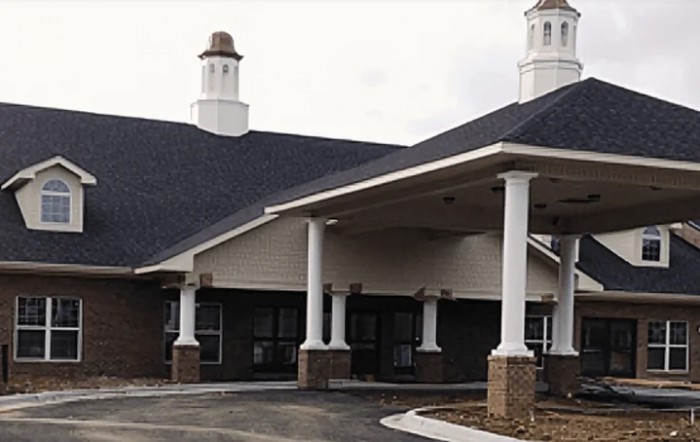
Trinity Elms is a skilled nursing facility located in Clemmons, NC. Our community offers a wide range of amenities to ensure the comfort and well-being of our residents. Each room is fully furnished and equipped with air-conditioning, cable or satellite TV, and private bathrooms.

We provide a variety of services to meet the needs of our residents, including 24-hour call system and supervision, assistance with activities of daily living such as bathing and dressing, medication management, and special dietary restrictions. Our mental wellness program aims to support the emotional well-being of our residents.

At Trinity Elms, we believe in providing a vibrant and engaging environment for our residents. We offer an array of activities and programs to keep them active and entertained. These include community-sponsored activities, fitness programs, planned day trips, and resident-run activities. Our concierge services ensure that all your needs are taken care of.

Our dining experience is one to be savored. Meals provided are delicious and catered to individual preferences and dietary restrictions. Whether you have special dietary requirements or simply enjoy culinary delights, our restaurant-style dining will satisfy your cravings.

Located in the heart of Clemmons, Trinity Elms benefits from its proximity to cafes and restaurants where residents can enjoy local cuisine or socialize with friends and family.

We understand that transportation may be necessary for non-medical purposes or doctor appointments, which is why we offer community-operated transportation as well as transportation arrangement services.

Trinity Elms provides an abundance of amenities along with excellent care services to ensure our residents live their best lives surrounded by comfort, convenience, and companionship.

Nearby Places of Interest

This part of Clemmons, North Carolina offers a variety of amenities and services that would be beneficial for seniors looking to settle in the area. Within a reasonable distance, there are several restaurants offering a range of dining options, as well as cafes for socializing or enjoying a cup of coffee. Additionally, there are theaters, pharmacies, physicians' offices, places of worship, parks, and hospitals nearby for convenience and accessibility. The presence of transportation options like Amtrak adds to the convenience of living in this area. Overall, this part of Clemmons provides a mix of essential services and recreational opportunities that could make it a suitable location for senior living.

Restaurants

  • Arby's (4.9 miles)
  • McDonald's (5.1 miles)
  • Cheddar's Scratch Kitchen (5.3 miles)
  • TinTin (5.6 miles)
  • Jason's Deli (5.8 miles)
  • Chick-Fil-A (5.9 miles)
  • Olive Garden (6.5 miles)

Cafes

  • Starbucks (4.9 miles)
  • Starbucks (6.3 miles)
  • Starbucks (7.5 miles)
  • Krankies Coffee (10.5 miles)
  • Panera Bread (24.7 miles)

Theaters

  • AMC Hanes 12 (5 miles)

Pharmacies

  • CVS Pharmacy (6 miles)
  • Walgreens (8 miles)
  • South Park Family Pharmacy (8.3 miles)
  • CVS Revco D.S. (8.7 miles)
  • Walgreens (8.7 miles)
  • Walgreens (13.3 miles)
  • Express Scripts Holding Co. (14.6 miles)

Physicians

  • Nephrology Associates (6.3 miles)
  • Wake Forest Baptist Health - Internal Medicine - Highland Oaks (6.3 miles)
  • Forsyth Endocrine Consultants (6.3 miles)
  • Cumadin Clinic (6.4 miles)
  • Brookview Hills Internal Medicine (6.4 miles)
  • Orthocarolina (6.4 miles)
  • Center For Clinical Research (6.6 miles)

Places of Worship

  • St John's Lutheran School (7.6 miles)
  • Immaculate Heart of Mary Catholic Church (21.9 miles)

Parks

  • Miller Park (8.2 miles)
  • Salem Lake Trail (12.8 miles)
  • Union Cross Park (15.1 miles)

Hospitals

  • WFBH Ardmore Tower (8.9 miles)
  • Wake Forest Univ Bapt Med Center (9.7 miles)
  • Bethany Cardiology (24.3 miles)

Transportation

  • Amtrak (25 miles)

Frequently Asked Questions

Where is Trinity Elms?

Nearby Communities

  • Trinity Elms

    Trinity Elms

    Clemmons, NC

    3.1 from 9 reviews
     

    pro Newer, clean facility with strong activities and caring staff.
  • Regency Nursing & Rehabilitation Center

    Regency Nursing & Rehabilitation Center

    Clemmons, NC


    pro Around-the-clock personalized care with engaging activities

  • Accordius Health At Clemmons

    Accordius Health At Clemmons

    Clemmons, NC

    3.2 from 89 reviews
     

    pro Comprehensive amenities and services with a welcoming onboarding for new residents.

  • Brookstone of Clemmons

    Brookstone of Clemmons

    Clemmons, NC

    4.1 from 32 reviews
    $4,779 to $6,684 / month

    pro Home-like memory care with attentive staff and clean, welcoming spaces.

  • Cadence at Clemmons

    Cadence at Clemmons

    Clemmons, NC

    4.6 from 49 reviews
    $4,060 to $6,605 / month

    pro Friendly staff, engaging activities, and a clean, welcoming environment.

  • Carillon Assisted Living Of Clemmons

    Carillon Assisted Living Of Clemmons

    Clemmons, NC

    3.9 from 15 reviews
    $6,292 to $8,179 / month

    pro Nice, well-maintained community with modern amenities.

  • Ivy at Clemmons

    Ivy at Clemmons

    Clemmons, NC

    3.8 from 29 reviews
    $2,995 to $3,995 / month

    pro The Ivy at Clemmons offers attentive staff, comprehensive on-site care (24/7 nursing, CNAs, medication management), strong cleanliness, engaging activities, and on-site amenities (salon, devotional services, indoor/outdoor spaces) with competitive pricing.

  • Bermuda Village

    Bermuda Village

    Advance, NC

    4.6 from 84 reviews
     

    pro Strong sense of community with friendly, attentive staff, and well-maintained facilities.

  • Clemmons Village II

    Clemmons Village II

    Clemmons, NC

    4.4 from 35 reviews
    $2,398 to $4,244 / month

    pro Caring staff, clean facilities, engaging activities, and affordable shared/studio housing.

Related Resources

  • when to move from assisted living to memory careWhen to Transition from Assisted Living to Memory Care: Key Indicators, Steps, and Finding the Right Community

    Transitioning from assisted living to memory care is driven by an individual's cognitive decline and specific needs, requiring careful evaluation of indicators like increased confusion and wandering. The process involves consulting medical professionals, researching suitable communities, considering financial and legal aspects, and ensuring effective communication for personalized care plans.

  • assisted living vs memory careAssisted Living and Memory Care: Understanding Their Core Differences

    Assisted living provides moderate support for seniors seeking independence, while memory care offers specialized support for individuals with dementia or cognitive impairments through structured routines and trained staff. Key differences include care approaches, environment security measures, staff training levels, activity types, and cost considerations.

  • assisted living activitiesBeyond the Bingo Hall: 50+ Enriching Activities for Seniors in Assisted Living
    Assisted living communities offer diverse activities beyond traditional games to enhance seniors' physical health, cognitive well-being, emotional enrichment, and social connections, including fitness classes, creative expression, and intergenerational interactions. These enriching programs foster community bonds and support residents' independence and happiness.