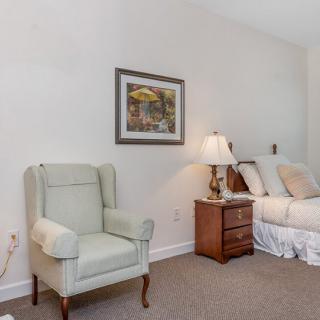
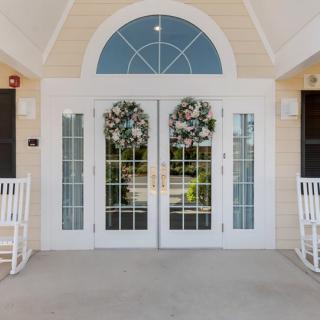
1165 Peace Haven Road, Clemmons, NC 27012
For more information about senior living options: (866) 208-4318
Carillon Assisted Living Of Clemmons Costs & Pricing
Carillon Assisted Living Of Clemmons offers a range of living accommodations with costs that reflect the premium services and amenities provided. For those choosing a semi-private room, the monthly fee stands at $6,292, significantly higher than the average in Forsyth County at $3,863 and the state average of $3,584. Residents opting for private rooms can expect to pay $7,550, which again exceeds both local and state averages of $4,564 and $4,425 respectively. The studio option is priced at $8,179, well above Forsyth County's average of $3,951 and North Carolina's overall average of $4,020. These figures highlight Carillon's commitment to quality care and enriched living experiences tailored to meet the needs of its residents.
| Floor plans | Carillon Assisted Living Of Clemmons | Forsyth County | North Carolina |
|---|---|---|---|
| Semi-Private | $6,292 | $3,863 | $3,584 |
| Private | $7,550 | $4,564 | $4,425 |
| Studio | $8,179 | $3,951 | $4,020 |
Memory care communities with a similar price nearby
-
from -$472 / mo
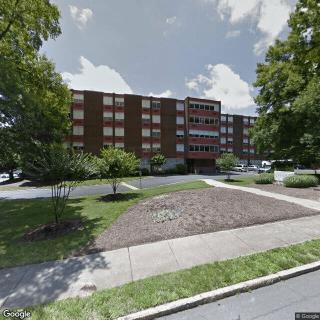
Winston-Salem Rehabilitation and Healthcare Center
$5,820 to $5,970 / month7.7 miles away -
from -$917 / mo
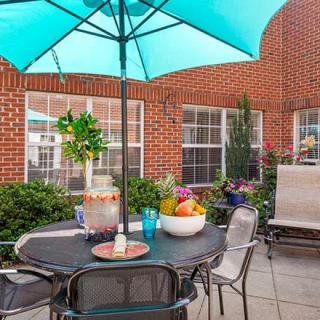
Brookdale Winston-Salem
$5,375 to $6,550 / month3.2 miles away -
from +$508 / mo
The Almost Home Group
$6,800 / month20.7 miles away
Overall Review of Carillon Assisted Living Of Clemmons
Pros
 The lasagna was very good.
- Sumer Geiser is a jewel whose care is evident in her eyes and voice.
- The staff here are welcoming, and marketing director Sumer is extremely helpful and attentive.
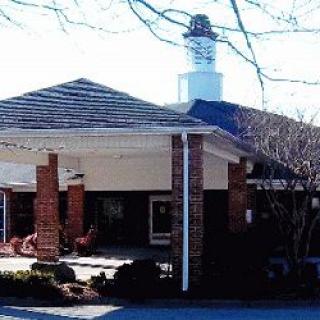
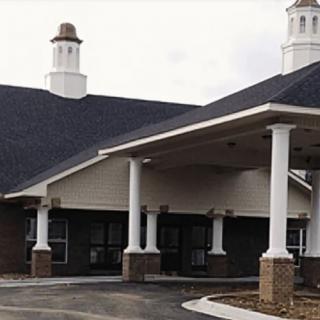
- The facility is beautiful and the staff care.
- The facility has a lovely outdoor area, and the staff are polite and quick to help.
- Carillon has the hands and heart that families can trust.
- The tour described the community as nice and newer, leaving a strong impression.
Cons
 The constant turnover of staff at all levels in Carillon communities is out of control across NC.
- They do not have enough staff, and the remaining workers are overwhelmed and underpaid, which leaves residents underserved and staff stressed.
- Upper management does not take the time to check on the people they have working there.
- The price is significantly higher—about $2,500 more than comparable options.
- A resident was left in pajamas in the main living area for hours, requiring staff to dress her and brush her hair, which shows a lack of dignity.
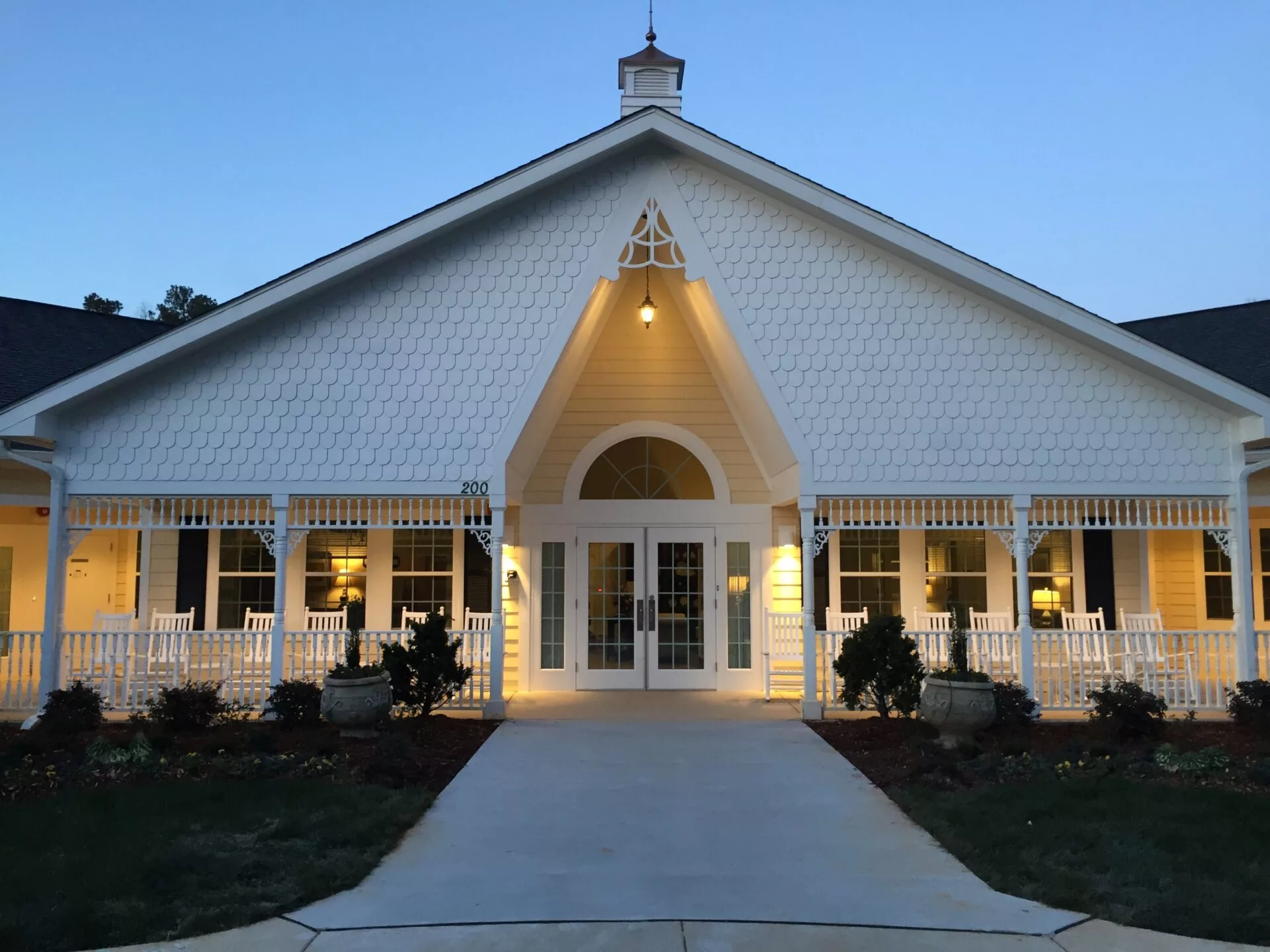
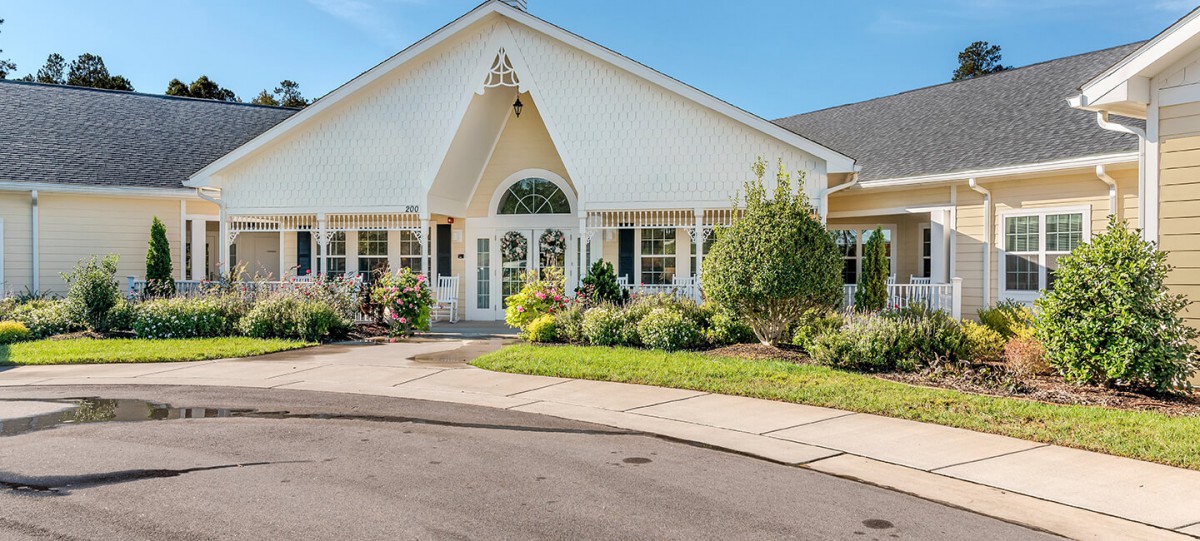
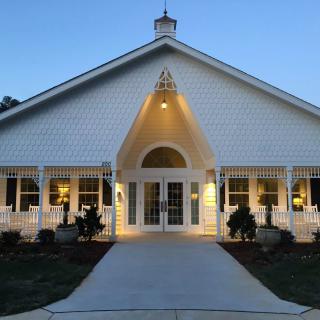
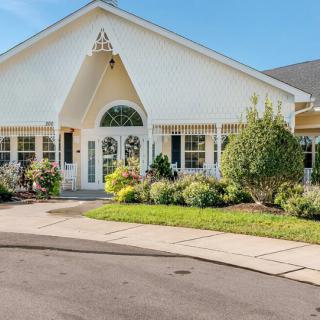
- The exterior can be appealing, but it can be misleading due to understaffing and management issues affecting care.
Review
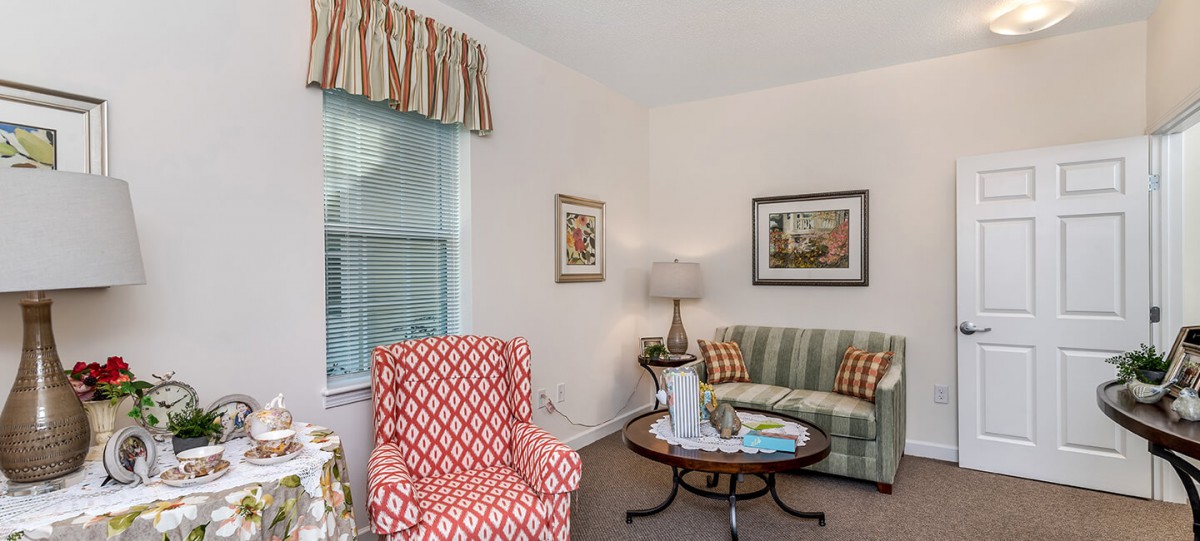
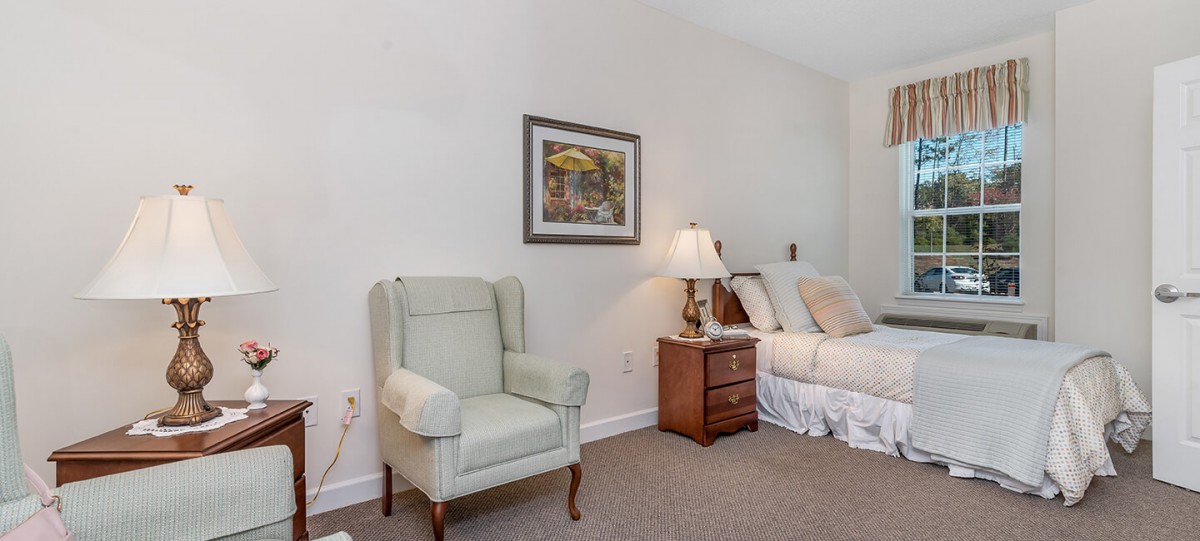
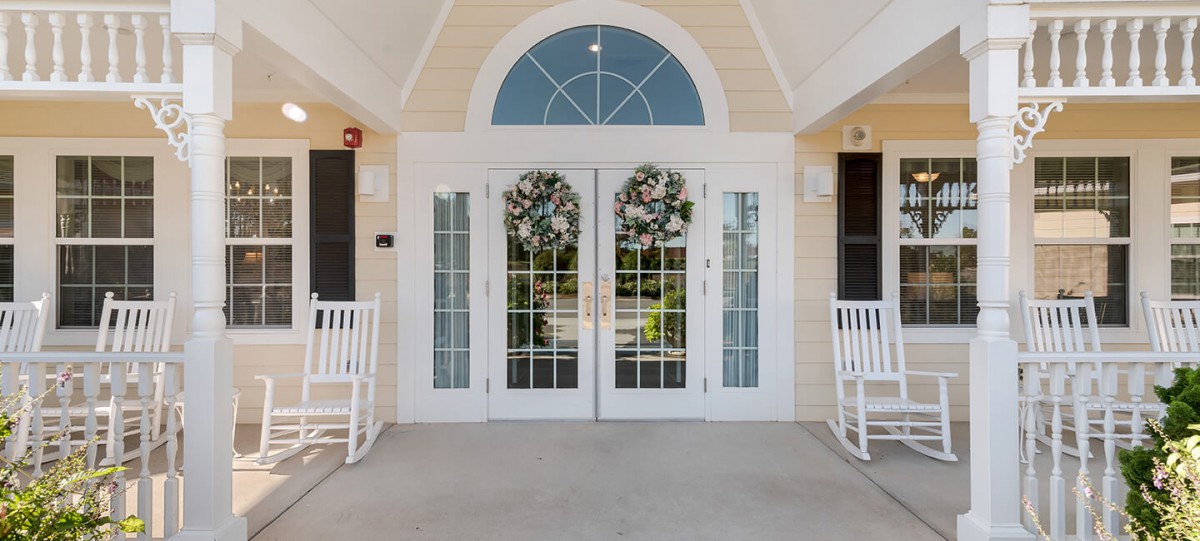
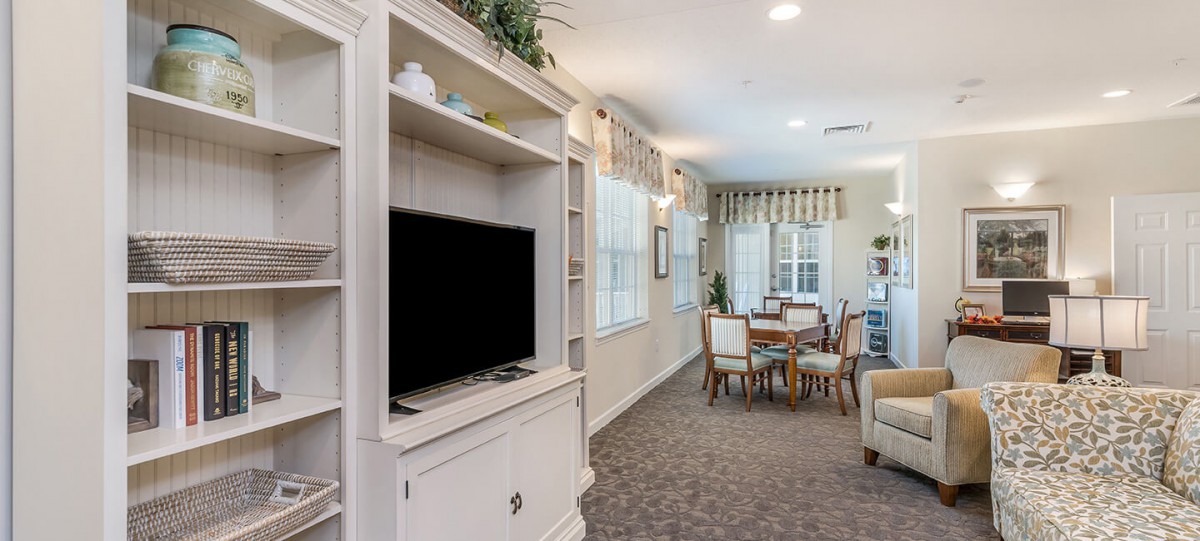
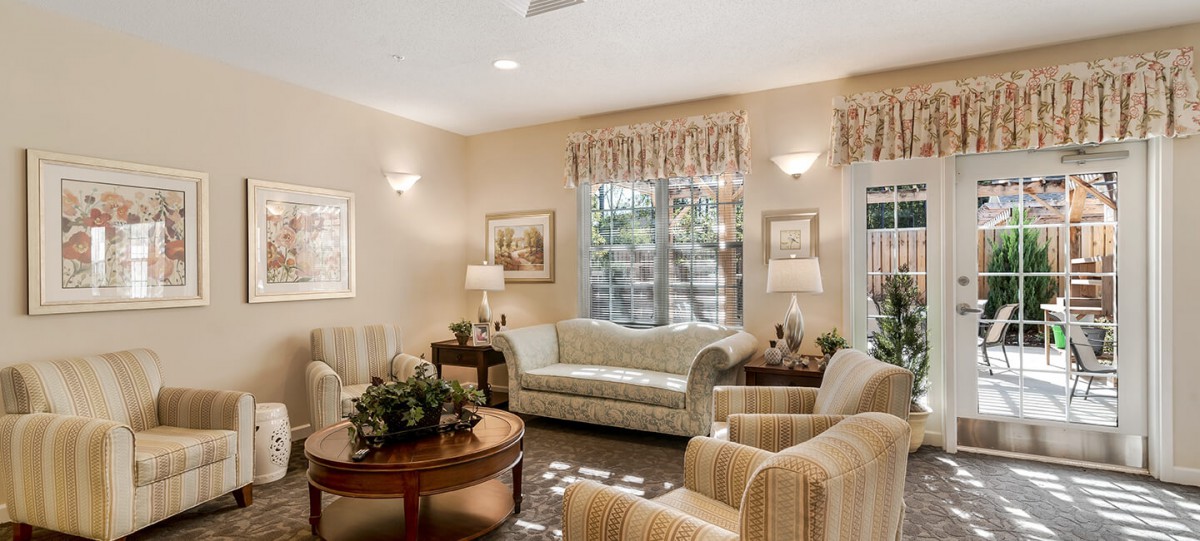
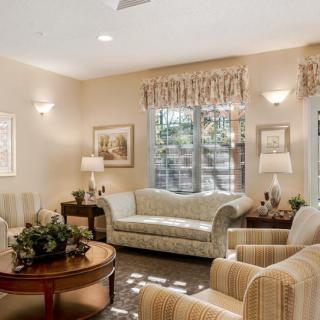
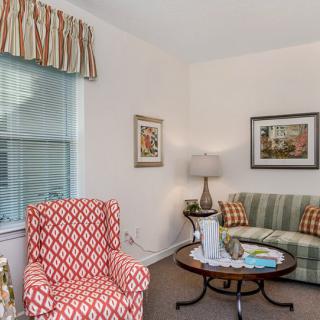
Carillon Assisted Living of Clemmons is best suited for families that prize a newer, aesthetically pleasing setting with a warm, resident-centered culture, where meals are valued and staff are genuinely responsive. The community presents a polished, inviting environment with attractive common spaces and a well-kept outdoor area, making it a comfortable home for residents who thrive on social programming, visible hospitality, and a bright first impression. It works well for families willing to invest in a premium-feel option and who want a lively, engaging atmosphere that leans into the “pleasant to visit” rather than the bare minimum of care.
Those weighing alternatives should consider options if budget is a primary concern or if a consistently stable staffing baseline is non-negotiable. Several reviews flag the price as a notable factor, a premium that may price this community out of reach for some families. More critically, concerns about staffing consistency and management oversight across Carillon locations in North Carolina suggest a risk of variability in day-to-day care. If stability, predictability, and a demonstrably steady cadre of caregivers are the non-negotiables, exploring other communities with documented staffing benchmarks may be prudent.
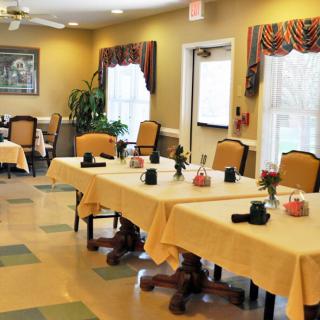
On the upside, the strongest positives center on relationship-rich care and a palpable culture of warmth. Dining and hospitality appear to be a real strength, with residents praising meals and the attentiveness of dining and front-desk teams. The staff generally comes across as welcoming, and several reviews highlight specific individuals, most notably the marketing director, whose energy and real engagement set a hopeful tone for newcomers. The facility’s beauty and the outdoor spaces amplify the sense of a home rather than a facility, and many staff members seem to bring heart to the work, which translates into meaningful daily interactions for residents.
Yet the main drawbacks are substantive and must be weighed against the positives. Turnover and perceived staffing gaps across Carillon communities in the state are repeatedly cited as systemic risks, with concerns that remaining staff are overwhelmed and underpaid. When staffing feels thin, care quality can suffer, and instances of residents needing help to maintain basic routines, such as dressing or personal presentation, underscore the potential for dignity to be compromised on rough days. The price premium compounds these concerns: while the setting is compelling, the higher cost may not always translate into consistently superior outcomes, particularly if staffing pressure undermines reliability and attentiveness.
Practically, families evaluating Carillon Clemmons should insist on specific, boots-on-the-ground assurances before committing. Ask for current caregiver-to-resident ratios during peak and off-peak hours, clarification on how turnover is managed, and concrete examples of how management intervenes when staffing shortages arise. Request recent resident satisfaction metrics, scandal-free incident reports, and opportunities to speak with a few residents or families about daily life. Compare what the monthly rate covers versus alternative communities, including whether levels of care, activity programming, and dining options scale with needs and price. A guided tour at different times of day can reveal how staff interactions vary and whether the environment remains calm and well-supported in practice.
In the end, Carillon Clemmons offers a compelling package for families who value beauty, hospitality, and a genuinely caring staff, and who are comfortable with a higher price point in exchange for that experience. For those who cannot tolerate the risk of under-staffing, or who require especially predictable staffing patterns and cost-conscious planning, alternative communities with stronger, demonstrable staffing stability may be the wiser path. The decisive factor will be the clarity and honesty of discussions with the leadership team, and the willingness of the community to demonstrate, over time, that care quality meets the expectations set by its polished exterior. A well-timed visit, pointed questions, and direct conversations with current residents will illuminate whether this is the right balance of warmth and reliability for a given family’s needs.
 96 resident community capacity
 Assisted Living
 Memory Care
 Activities on-site
 Air-conditioning
 Beauty salon
 Cable or satellite TV
 Computer center
 Devotional services off-site
 Dining room
 Fitness room
 Fully furnished
 Gaming room
 Garden
 Housekeeping services
 Indoor common areas
 Kitchenette
 Move-in coordination
 Outdoor space
 Private bathrooms
 Restaurant-style dining
 Small library
 Telephone
 Wellness center
 Wi-Fi/high-speed internet available
 Community operated transportation
 12-16 hour nursing
 24-hour call system
 Ambulatory care
 Assistance with bathing
 Assistance with dressing
 Assistance with transfers
 Diabetes diet
 Diabetic care
 Medication management
 Mental wellness program
 Special dietary restrictions
 Concierge services
 Planned day trips

 Memory Care Pathways: A Holistic Guide to Dementia Support
 Comprehending Evening Confusion in Dementia: Causes, Manifestations, and Support
 Delirium and Dementia: Unraveling the Key Differences