



1114 S Main St, China Grove, NC 28023
To contact a resident: (704) 719-2441
For more information about senior living options: (866) 208-4318
Angels at Heart Assisted Living Costs & Pricing
Angels at Heart Assisted Living offers competitive pricing for its residents, particularly when compared to the average costs in Rowan County and the broader state of North Carolina. For semi-private rooms, Angels at Heart's rate of $2,500 stands out significantly against the county's average of $3,434 and the state's average of $3,584. Similarly, their one-bedroom units at $5,500 are notably lower than both local and state averages, which are approximately $3,972 and $4,055 respectively. Even for studio apartments priced at $6,500, Angels at Heart remains a viable option when compared to the county's average of $3,969 and state average of $4,020. This pricing structure indicates not only a commitment to affordability but also positions Angels at Heart Assisted Living as an attractive choice for families seeking quality care without excessive financial burden.
| Floor plans | Angels at Heart Assisted Living | Rowan County | North Carolina |
|---|---|---|---|
| Semi-Private | $2,500 | $3,434 | $3,584 |
| 1 Bedroom | $5,500 | $3,972 | $4,055 |
| Studio | $6,500 | $3,969 | $4,020 |
Assisted Living communities with a similar price nearby
-
from +$180 / mo
Brookdale Salisbury
$2,680 to $3,285 / month10.0 miles away -
from -$140 / mo
TerraBella Salisbury
$2,360 to $4,225 / month8.1 miles away -
About the same

Alpha Concord Plantation
$2,500 / month7.2 miles away -
from +$430 / mo
TerraBella Harrisburg
$2,930 to $5,550 / month16.3 miles away -
from -$100 / mo

The Heritage Of Cedar Rock
$2,400 to $6,800 / month22.7 miles away
Overall Review of Angels at Heart Assisted Living
Pros
 The employees are friendly.
Cons
 It is not as clean as it once was.
- The patient care is only mediocre.
Review
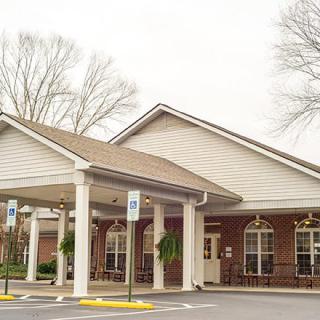
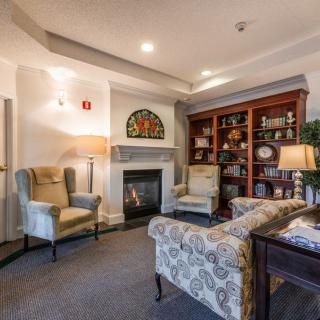
Angels at Heart Assisted Living in China Grove is best suited for seniors who value a warm, folksy atmosphere and genuinely friendly staff, and who do not require intensive medical oversight on a daily basis. The community’s small-town feel and approachable team make everyday living feel comfortable and neighborly, which can translate into smoother transitions for residents who want companionship, predictable routines, and straightforward assistance with daily tasks. This setting works best when the primary need is social engagement and dependable hands-on help from caregivers rather than high-frequency clinical intervention.
However, families weighing alternatives should note that cleanliness and consistent quality of care are real takeaways from the available feedback. One resident described the environment as no longer as clean as it used to be, and another indicated that the level of patient care can be only mediocre despite the friendliness of staff members. In short, pristine upkeep and uniformly strong clinical oversight are not guaranteed here. For families whose top criteria include spotless premises and a proven track record of meticulous clinical management, other local options will likely deliver greater peace of mind.
The strongest positive in Angels at Heart’s favor is the staff’s warmth and approachability. When caregivers are consistently friendly and communicative, daily routines, transport, bathing, dressing, and reminders, tend to feel less transactional and more anchored in trust. That human dimension can reduce resident anxiety, improve mood, and support adherence to care plans from day to day. Yet warmth alone cannot fully compensate for gaps in cleanliness or for a care routine that feels uneven. The bottom line is that the daily experience benefits significantly from the staff’s demeanor, but it does not eradicate the implications of the less favorable operational notes.
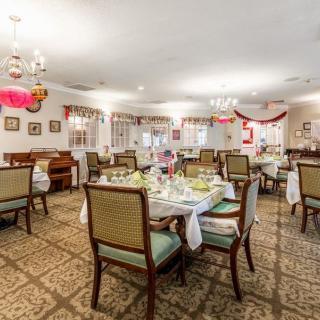
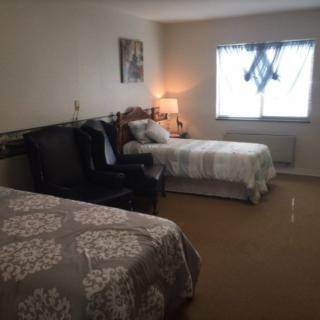
From an evaluation perspective, prospective families should pursue concrete assurances during visits. Ask about housekeeping standards, frequency of room cleaning, and upkeep of common areas. Inquire about staffing levels during peak hours and how care plans are developed, updated, and monitored, including medication management and response times to call bells. Request a candid tour of the dining area, recreation spaces, and resident rooms, paying attention to odor, dust, and visible wear. Request to speak with current residents or families about consistency of care and whether concerns are promptly addressed. These steps reveal how the theoretical strengths translate into everyday life.
The best fit here tends to be residents who thrive with social programming and predictable, person-centered support rather than those who require intensive medical supervision or highly regimented cleanliness standards. People who prize a friendly, communicative staff and who can tolerate occasional variability in care quality will likely feel comfortable and connected. Conversely, families managing complex medical needs, memory care, or stringent housekeeping expectations should scrutinize alternatives with stronger clinical staffing, tighter QA processes, and cleaner facilities. The overall impression should align with what matters most: a reliable, clean environment paired with consistent clinical oversight or a willingness to adjust expectations accordingly.
In sum, Angels at Heart Assisted Living offers a solid, socially engaging option for seniors who value cordial staff relationships and a homelike setting, with a clear caveat about cleanliness and consistency in care quality. For decision-makers, the prudent path is to compare this community against peers that emphasize higher cleanliness standards and more uniform clinical performance. If those elements are non-negotiable, visit alternatives first; if warmth in daily interactions and a relaxed atmosphere suit the resident’s preferences, Angels at Heart deserves close consideration and a thorough on-site evaluation to confirm that it can meet all essential needs.
 Assisted Living
 Activities on-site
 Devotional services off-site
 Indoor common areas
 Ambulatory care
 Diabetic care
 Meals provided




 Understanding the Distinctions: Assisted Living and Memory Care Explained
 Guiding Elderly Parents Who Refuse Assisted Living: 6 Practical Steps
 Your Comprehensive Guide to Luxury Assisted Living: Elevated Facilities, Amenities, and Costs