For more information about senior living options: (866) 208-4318
4.9 from 123 reviews
5 stars
116
4 stars
6
3 stars
1
2 stars
0
1 stars
0
UP at 14009 Thompson Costs & Pricing
At UP at 14009 Thompson, the monthly costs for accommodations reflect a competitive stance within both Union County and North Carolina. For those seeking semi-private rooms, the monthly fee is set at $4,000, which is notably higher than the county average of $3,730 and the state average of $3,584. When considering private room options, UP's rate of $5,000 also exceeds both local and state benchmarks, with Union County averaging $4,918 and North Carolina as a whole averaging $4,425. These figures suggest that while UP at 14009 Thompson offers valuable amenities and services that may justify its premium pricing, prospective residents might want to weigh these costs against what other facilities in the region provide.
Floor plans
UP at 14009 Thompson
Union County
North Carolina
Semi-Private
$4,000
$3,730
$3,584
Private
$5,000
$4,918
$4,425
Senior living communities with a similar price nearby
from +$700 / mo
Kannapolis Family Care Home
4.8 from 11 reviews
$4,700 / month
21.3 miles away
from -$300 / mo
Wellness Watchers - Matthews, NC
4.7 from 17 reviews
$3,700 / month
0.8 miles away
from -$500 / mo
The Ivey- Adult Day Services
4.8 from 31 reviews
$3,500 to $4,500 / month
10.0 miles away
from -$500 / mo
Liberty Family Care
4.8 from 127 reviews
$3,500 to $5,500 / month
16.1 miles away
from -$500 / mo
Karizma Infinities Residential Care Home
4.8 from 17 reviews
$3,500 to $6,000 / month
5.1 miles away
Overall Review of UP at 14009 Thompson
common2 reviews mention this
Homelike memory care atmosphere
Residents describe a homelike atmosphere that feels different from institutional memory care facilities.
Two reviewers contrast this community with other memory care options they toured, saying the feel here is more like a home than an institution. One reviewer also describes a setup with secured access and highlights how caregivers and the environment support the resident as they adjust. Both accounts focus on atmosphere, daily livability, and safety as the key reasons the experience felt better than what they saw elsewhere.
How we summarize
Counts show how many written reviews mention each theme; a review can touch several themes, and only frequently mentioned themes are displayed.
At UP at 14009 Thompson, the monthly costs for accommodations reflect a competitive stance within both Union County and North Carolina. For those seeking semi-private rooms, the monthly fee is set at $4,000, which is notably higher than the county average of $3,730 and the state average of $3,584. When considering private room options, UP's rate of $5,000 also exceeds both local and state benchmarks, with Union County averaging $4,918 and North Carolina as a whole averaging $4,425. These figures suggest that while UP at 14009 Thompson offers valuable amenities and services that may justify its premium pricing, prospective residents might want to weigh these costs against what other facilities in the region provide.
The article clarifies common misconceptions about Powers of Attorney (POA), highlighting the necessity of the principal's consent, the limitations on an agent's authority, and the importance of mental capacity when signing. It also distinguishes between various types of POAs, addresses concerns about potential abuse, and emphasizes the need for legal consultation to ensure valid and up-to-date documents.
Senior move management provides specialized support for older adults relocating by assisting with logistics, emotional challenges, and downsizing decisions to ensure a smooth transition to new living environments. These services address the unique needs of seniors and have become increasingly important as baby boomers retire and seek to downsize.
Weight training is vital for seniors to maintain muscle mass, bone density, and overall health, combating age-related declines through customized resistance exercises that enhance balance and well-being. Safe routines should start with realistic goals and proper form, while emphasizing gradual progress and consultations with healthcare providers to ensure safety and effectiveness.
Get PricingAsk A QuestionSchedule A TourContact Senior Advisor
By clicking submit, you agree to our Partner's Terms of Use. You
also consent to receive calls and texts, which may be autodialed, from our Partner. Your consent is not a condition to
using our Partner's service. Please visit our Partner's Privacy Policy for information about their privacy practices.




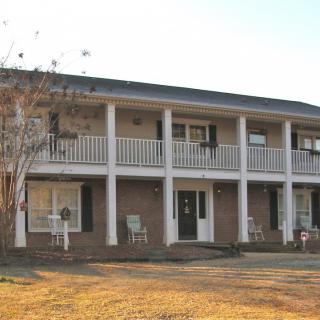

 Board and Care Home
 Private
 Charlotte Douglas International (16 miles away)
 Ambulatory care
 Small, personalized setting with comprehensive care and amenities.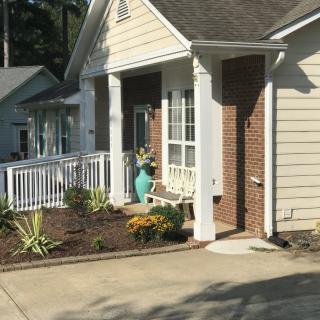


 A Comprehensive Exploration of Common Misunderstandings about Powers of Attorney
 Senior Move Management: Understanding the Role, Value, and Associated Costs
 Weight Training for Seniors: Building Strength and Vitality