
14019 Thompson Road, Charlotte, NC 28227
For more information about senior living options: (866) 208-4318
Unlimited Possibilities Family Care Home 6 Costs & Pricing
Unlimited Possibilities Family Care Home 6 offers a one-bedroom option at a monthly cost of $7,000, which is significantly higher than the average offerings in Union County, where comparable accommodations are priced around $5,193. This trend continues at the state level in North Carolina, where similar facilities typically charge approximately $4,055 per month. While the pricing at Unlimited Possibilities may seem steep compared to local and state averages, it is important to consider that such costs often reflect higher levels of personalized care and unique services that could be beneficial for residents seeking a more tailored living experience.
| Floor plans | Unlimited Possibilities Family Care Home 6 | Union County | North Carolina |
|---|---|---|---|
| 1 Bedroom | $7,000 | $5,193 | $4,055 |
Assisted Living communities with a similar price nearby
-
from -$1105 / mo

Waltonwood Cotswold
$5,895 to $7,995 / month7.3 miles away -
from -$1200 / mo

Senior Retreat at Park Crossing
$5,800 to $6,400 / month11.7 miles away -
from -$1200 / mo
Senior Retreat at Stonehaven
$5,800 to $6,400 / month5.8 miles away -
from +$500 / mo

Watercrest Fort Mill – Indian Land
$7,500 / month17.0 miles away
Overall Review of Unlimited Possibilities Family Care Home 6
Pros
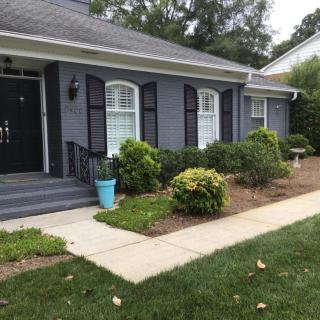
 The home is beautiful.
- The staff are caring.
- It is a great alternative to a facility for families seeking a place for their loved one.
Cons
 The management is described as a complete joke.
- The reviewer advises readers to keep their loved ones away from this place.
Review
This community is best suited for families seeking a small, home-like living arrangement in Charlotte, NC, where a loved one can enjoy personal attention, warmth, and a non-clinical feel. The setting offers a beautifully maintained house-like environment and staff who are described as caring, delivering daily engagement and companionship that can make aging in place feel less institutional. For families prioritizing a feel of “home” over a traditional facility, this option delivers on atmosphere, interpersonal connection, and the sense that a resident is among familiar rhythms rather than in a large, impersonal campus.
Those considering alternatives should be mindful of several non-negotiables. If the decision hinges on consistently reliable management, transparent policies, and clear, proactive oversight, this community warrants extra scrutiny. Prospective buyers who require formal clinical oversight, predictable systems, or robust accountability may want to compare this home with other small or larger facilities that emphasize structured administration, documented care plans, and more established escalation processes. In short, any family needing tight governance and a high degree of operational certainty should visit with specific questions or tilt toward other options.
The strongest positives here, beautiful, home-like surroundings and a caring staff, directly address quality of life. Residents are likely to benefit from staff who invest in daily interaction, personalized attention, and activities that feel meaningful rather than routine. For families choosing a setting that emphasizes relational care over institutional routines, these factors can offset a great deal of anxiety about everyday life, meals, and social contact. Importantly, the option serves as a compelling alternative to larger facilities for those who fear the impersonal pace and rigid schedules often found in traditional senior communities.
Yet the principal drawback surfaced in a stark way in at least one review: management quality. The warning that “management is a complete joke” signals real risk. When leadership is perceived as ineffective, or when communication, accountability, and governance are unclear, the entire caregiving equation can become unreliable. This matters most for families whose loved ones need consistent care routines, timely issue resolution, and clear lines of responsibility. In such cases, the warmth of the home and the kindness of the staff can be undermined by instability at the top, leading to gaps in care, missed updates, or inconsistent problem-solving.
To protect against that risk, due diligence becomes essential. Prospective residents should request a face-to-face meeting with the owner or primary manager, review the exact staffing model (how many caregivers per shift, training standards, back-up coverage), and ask for concrete care planning processes and family communication protocols. Seek to see current activity schedules, meal plans, and social engagement calendars to verify that the day-to-day rhythm is robust. Request recent references and licensing documentation, and insist on a trial period if possible. Clarify payment structures to ensure there are no hidden fees and that services align with the resident’s needs.
In the final assessment, Unlimited Possibilities Family Care Home 6 offers a compelling home atmosphere and a caregiving team that can deliver meaningful daily life for a resident who thrives on warmth and personalized attention. It is a strong option for families prioritizing a non-institutional vibe and close, attentive care, provided management demonstrates reliability, transparency, and accountability. If those assurances cannot be secured, or if a family requires the predictability of formal governance and structured clinical oversight, exploring other home settings or traditional assisted living communities is prudent. The decision should hinge on the ability to confirm solid leadership and dependable operations as a non-negotiable element of care.
 6 resident community capacity
 Assisted Living
 Board and Care Home
 Cable or satellite TV
 Dining room
 Fully furnished
 Garden
 Housekeeping services
 Move-in coordination
 Outdoor space
 Telephone
 Wi-Fi/high-speed internet available
 Charlotte Douglas International (16 miles away)
 24-hour supervision
 Activities of daily living assistance
 Assistance with bathing
 Assistance with dressing
 Assistance with transfers
 Diabetes diet
 Meal preparation and service
 Medication management
 Special dietary restrictions
 Transportation arrangement (medical)
 Transportation to doctors appointments





 Understanding Medicaid Coverage for Assisted Living: A Comprehensive Guide
 How and When Medicaid May Cover Assisted Living Costs
 A Detailed Exploration of Assisted Living Medicaid Waivers Across the United States