The Little Flower

Save

  • Interior

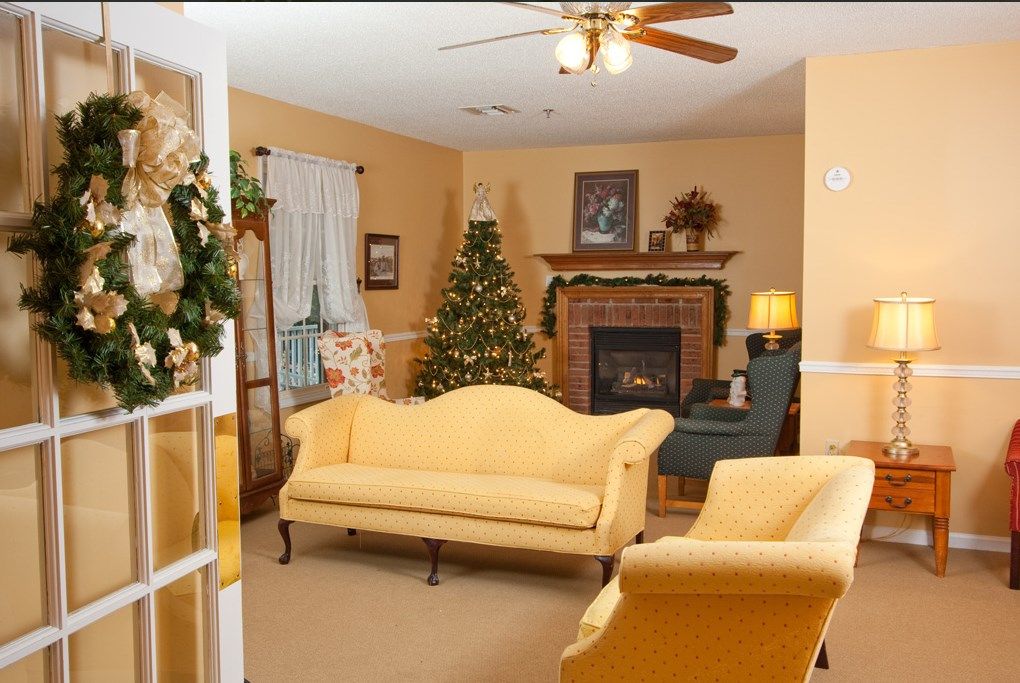
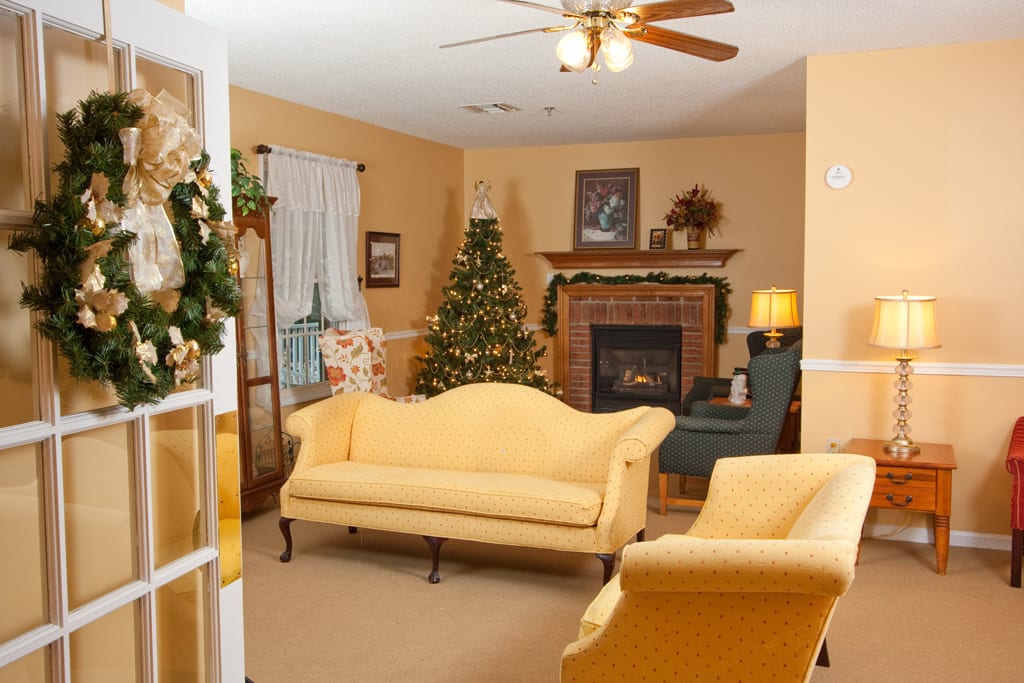
    A cozy living room decorated for the holidays with a Christmas tree and fireplace.
  • Decor

    A small chapel with an altar, crucifix, and Christmas decorations.
  • Living Room

    A cozy living room decorated for the holidays with a Christmas tree and fireplace.
  • Architecture

    A charming house with a covered porch and white columns.
  • Trees

    A charming house with a well-maintained lawn and garden.
  • Chapel

    A small chapel with an altar, a cross on the wall, and a decorated Christmas tree.

The Little Flower

8700 Lawyers Road, Charlotte, NC 28227

For more information about senior living options: (844) 490-3973

4.8 from 55 reviews
5 stars
51
4 stars
1
3 stars
1
2 stars
2
1 stars
0

Assisted Living

The Little Flower Costs & Pricing

At The Little Flower, the monthly costs reflect a commitment to quality care and comfort. For a semi-private room, residents can expect to pay $4,307, which is notably higher than the averages for Union County at $3,730 and North Carolina as a whole at $3,584. This premium may be attributed to enhanced services and amenities available at The Little Flower. For those opting for studio accommodations, the monthly fee is set at $5,022, again surpassing both local and state averages of $4,789 and $4,020 respectively. While these costs may be above average for the area, they suggest a focus on providing exceptional living conditions that cater to the needs of residents seeking a nurturing environment.

Floor plansThe Little FlowerUnion CountyNorth Carolina
Semi-Private$4,307$3,730$3,584
Studio$5,022$4,789$4,020

What level of care are you interested in?

Assisted Living

Memory Care

Independent Living

Skilled Nursing Facility

Continuing Care Retirement Community (CCRC)CCRC

Other


Request a tour at The Little Flower

    Overall Review of The Little Flower

    Pros

    • pro The Little Flower is described as one of the best assisted living facilities in the state.
    • pro The facility exudes positive energy and has low staff turnover.
    • pro The staff are welcoming, friendly, and professional, and the place is spotless.
    • pro Residents feel safe, well cared for, and form many friendships.
    • pro The community has a genuine, family-like atmosphere with staff and residents who seem truly happy to be there.
    • pro Delores Brown and the long-tenured staff are noted for devoted leadership and stability.
    • pro The Little Flower is described as small and non-corporate, offering an intimate, home-like environment.
    • pro Residents stay engaged with many activities, chapel services, and well-maintained spaces.
    • pro Families report clear communication and responsiveness from the staff.
    • pro The Little Flower is repeatedly described as a blessing, a jewel, and a place where loved ones are cared for like family.

    Review

    The Little Flower Assisted Living in the Charlotte area stands out in the memories of several families who visited multiple communities with very different impressions. After touring seven facilities in the area, many listeners - families and caregivers alike - felt an immediate sense of warmth the moment they stepped through The Little Flower's doors. The combination of a genuinely positive energy, a welcoming staff, and an unusually clean and inviting environment created a distinctive first impression. One family captured the mood by noting a buoyant, upbeat atmosphere where staff turnover is low, which they viewed as a reassuring sign of stability and quality care.

    What truly mattered to these families was not only the ambiance but the real-world impact on their loved ones. They described their moms and dads feeling safer, more secure, and surrounded by people who treated them with kindness and respect. The Little Flower made a tangible difference in helping reluctant residents embrace a new phase of life. Stories spoke of residents forming friendships, sharing daily routines, and enjoying activities that keep them engaged and connected. In all, the residents seemed well cared for, and the staff's consistency and attentiveness left a lasting sense of reassurance for families who could not be with their loved ones every hour of the day.

    Several testimonials highlighted the staff's professionalism and genuine care. The Little Flower was repeatedly described as having an "amazing" team that is professional, compassionate, and attentive to every detail. Families observed that the staff members knew who their loved ones were, remembered names, and treated both residents and visiting family members with warmth. In one particularly meaningful note, a reviewer emphasized that the staff treated them "like family," underscoring a level of personal attention that goes beyond standard caregiving. The same narratives praised the facility for being clean and welcoming, with the staff taking pride in keeping the grounds and interiors spotless.

    The leadership and longevity of staff also stood out as a recurring theme. Several reviewers highlighted the work of Delores Brown, the Executive Director, describing her as devoted to residents and teams who have stayed with the community for many years. The presence of long-term caregivers - some with ten, fifteen, or twenty years at The Little Flower - was repeatedly cited as a reliable sign that the facility runs well and that residents receive consistent, familiar care. One professional reviewer even noted that this stability in staffing is a hallmark of a well-run community, reinforcing trust for families who may be miles away and rely on the staff to speak for the place when they cannot be there in person.

    Beyond the quiet, everyday kindness, families pointed to a rich program of activities and engagement that helps residents feel alive and purposeful. Several accounts mentioned daily activities organized to keep residents busy, with multiple offerings and opportunities to participate. There were even mentions of religious services - mass several times a week in the chapel - that provide spiritual nourishment and a sense of routine to the residents' lives. A guest could also appreciate the amenities and the smaller, more intimate feel of the community, which was described as more like a family home than a medical institution. The setting itself - the inviting exterior, the well-kept grounds, and the cozy atmosphere - was repeatedly praised as a key part of why residents thrive there.

    Family stories also underscored the sense of home and personal connection that many patients experience at The Little Flower. One mother's relatives spoke about her flourishing since moving in, describing how the staff's attention and the community's dynamic transformed her mother's outlook. They emphasized how the staff's attentiveness, clear communication, and the overall welcoming nature of the place helped keep the family informed and at ease. Another family shared that their loved one settled in without problems, calling the community home and praising the staff's sincere care. In these accounts, the "village" feeling - the sense that everyone is looking out for one another - emerges as a core part of the Little Flower experience.

    There were especially touching references to personal anecdotes that illustrate the depth of care. One reviewer highlighted a caregiver responding within minutes after a fall during the night, a moment that can define trust in a caregiving environment. Others spoke of the Little Flower as a sanctuary during a difficult transition, where a parent or relative is supported by people who remember them, know their routines, and treat them with respect. The overall message across these stories is clear: the Little Flower delivers not just care, but compassionate companionship that can bring peace of mind to families who deserve it most.

    Volunteer involvement and community connections were also cited as strengths. A longtime volunteer remarked on the breadth of activities and the range of volunteers who enrich residents' lives. They noted that the community actively looks for new and meaningful ways to entertain and support residents, and that volunteers contribute significantly to the sense of being valued and connected. The combination of staff dedication, resident engagement, and volunteer energy reinforces the impression that The Little Flower is more than a place to stay - it is a thriving, participatory community.

    Personal testimonials continued to emphasize the enduring quality of living at The Little Flower. One family described their mother as having "flourished" since moving in, thanks to attentive staff, a clean environment, and a supportive network of friends and caregivers. The porch, frequently mentioned as a favorite gathering spot, became a symbol of the simple pleasures that residents can enjoy in comfort and safety. Another family recounted how their loved one refers to The Little Flower as home, reflecting the deep emotional resonance of a place that feels like family rather than a facility. The sense of belonging and daily happiness evident in these stories speaks to a level of care that resonates with both residents and their families.

    A final thread running through these testimonials is a shared sense of trust and gratitude. Families spoke of not only meeting high standards of cleanliness and safety but also experiencing a culture of care that respects individual personalities and preferences. Some described the facility as a rare find - small enough to feel intimate yet vibrant enough to offer a full spectrum of activities and social opportunities. In short, The Little Flower is repeatedly portrayed as a rare blend of professional excellence and heartfelt, family-like warmth - a place where residents are treated with dignity, loved as if they were family, and supported by a team that makes them feel seen, valued, and safe.

    In sum, the experience conveyed by these families paints The Little Flower as a standout choice among assisted living communities. It is described as a place where the energy is positive, the staff is consistently caring and dedicated, and the environment is clean, welcoming, and thoughtfully designed to foster independence and connection. Whether through the leadership of Delores Brown or the quieter daily interactions that define everyday life, The Little Flower emerges as a community that truly feels like home - a place where loved ones can flourish, families can find peace of mind, and residents can continue to live with dignity, purpose, and joy.

    Features

    Housing

    • 49 resident community capacity 49 resident community capacity
    • 1-bedroom apartments 1-bedroom apartments1-bedroom apartments are important for seniors because they provide a sense of independence, privacy, and autonomy while still offering the necessary space for comfortable living. These apartments allow seniors to maintain their own personal space and lifestyle preferences in a supportive community setting.
    • Studio apartments Studio apartmentsStudio apartments are important for seniors because they offer a smaller, more manageable living space that is easier to navigate and maintain as physical abilities decline. Additionally, studio apartments provide seniors with independence and privacy while still being part of a community that offers support and social opportunities.

    Types of Care

    • Assisted Living Assisted LivingAssisted living facilities provide crucial support and care for seniors who may need help with daily tasks such as medication management, bathing, and meal preparation. These communities offer a safe and comfortable environment where seniors can maintain their independence while receiving the assistance they need to thrive in their golden years.

    Amenities

    • Activities on-site Activities on-siteActivities on-site are important for seniors because they provide opportunities for socialization, mental stimulation, physical activity, and overall well-being. Engaging in activities can help seniors stay active, maintain their independence, and improve their quality of life.
    • Air-conditioning Air-conditioningAir conditioning is important for seniors as they are more vulnerable to heat-related illnesses and may have underlying health conditions that make it difficult for them to regulate their body temperature. It helps to keep them comfortable, safe, and healthy in hot weather.
    • Beautician on-site Beautician on-siteHaving a beautician on-site at a senior living community is important for seniors as it allows them to easily access grooming and personal care services, boosting their self-esteem and overall well-being. It also provides convenience and helps seniors maintain their sense of independence and personal style.
    • Beauty salon Beauty salonBeauty salons are important for seniors because they provide a space for them to feel pampered, socialize, and maintain their personal grooming and hygiene. Regular visits to a beauty salon can help boost seniors' self-esteem and overall well-being.
    • Cable or satellite TV Cable or satellite TVCable or satellite TV is important for seniors because it provides entertainment, news, and companionship, helping to combat loneliness and boredom. It also offers a wide range of programming options tailored to different interests and preferences.
    • Devotional services off-site Devotional services off-siteDevotional services off-site are important for seniors as they provide spiritual nourishment, social engagement, and a sense of community outside of the senior living facility. This can enhance overall well-being and help combat feelings of isolation and loneliness often experienced by older adults.
    • Dining room Dining roomDining rooms are important for seniors as they provide a space for socialization, connection, and nutritious meals. They offer opportunities for residents to bond over shared meals, foster a sense of community, and promote healthy eating habits. Dining rooms also ensure that seniors have access to well-balanced meals tailored to their dietary needs and preferences.
    • Fully furnished Fully furnishedFully furnished senior living communities are important for seniors because they provide convenience, comfort, and a hassle-free moving experience. Seniors can easily settle into their new living space without the stress of having to buy and move furniture. This allows them to focus on enjoying their new home and community.
    • Garden GardenGardens are important for seniors as they provide a peaceful and therapeutic environment for relaxation, physical activity, and socialization. Being in nature has been shown to reduce stress, improve mood, and promote overall well-being. Gardens also offer opportunities for seniors to engage in gardening activities, which can improve mobility, flexibility, and cognitive function. Additionally, gardens create a sense of community and connection with others who share a passion for plants and outdoor spaces.
    • Garden view Garden viewGarden views are important for seniors as they provide natural beauty and tranquility, promoting relaxation and overall well-being. Access to green spaces can also encourage outdoor activity and socialization, enhancing physical and mental health.
    • Ground floor units Ground floor unitsGround floor units are important for seniors because they provide easy accessibility, reduced risk of falls and injuries, and convenience for those with mobility issues. Seniors can avoid climbing stairs or using elevators, making daily tasks and activities more manageable and enjoyable.
    • Handicap accessible Handicap accessible"Handicap accessible" amenities are crucial for seniors to ensure they can easily navigate and access facilities, services, and activities without barriers or limitations due to physical impairments. This promotes independence, safety, and inclusivity for seniors in senior living communities.
    • Housekeeping services Housekeeping servicesHousekeeping services are important for seniors because they help maintain a clean and safe living environment, promote independence, and reduce the risk of accidents or illnesses. Additionally, having assistance with household chores can alleviate physical strain and allow seniors to focus on other aspects of their well-being.
    • Indoor common areas Indoor common areasIndoor common areas are crucial for seniors as they provide a space for socialization, recreation, and community engagement, promoting overall well-being and reducing feelings of isolation and loneliness.
    • Kitchenette KitchenetteKitchenettes are important for seniors living in senior living communities because they provide the convenience and independence of being able to prepare simple meals and snacks in the comfort of their own living space. This can help promote a sense of autonomy and well-being for seniors, allowing them to maintain some level of control over their dietary choices and daily routines.
    • Move-in coordination Move-in coordinationMove-in coordination is important for seniors because it helps ease the transition into their new living environment. It ensures that all logistics, such as packing, organizing movers, and setting up utilities are taken care of, allowing seniors to focus on settling in and adjusting to their new home. Having a smooth move-in process can alleviate stress and anxiety, making the transition smoother and more enjoyable for seniors.
    • Outdoor common areas Outdoor common areasOutdoor common areas are important for seniors as they provide a space for socialization, physical activity, and relaxation. Being outside in nature can improve mood and overall well-being, while also encouraging movement and engagement with others. These spaces can help combat feelings of isolation and promote a sense of community among residents.
    • Outdoor space Outdoor spaceOutdoor spaces are important for seniors as they provide opportunities for physical activity, social interaction, exposure to natural light and fresh air, and a sense of connection to nature. Having access to outdoor spaces can improve overall well-being and quality of life for older adults living in senior communities.
    • Respite or short term stays offered Respite or short term stays offeredRespite or short term stays provide seniors with a temporary solution when their regular caregiver is unavailable, offering them the opportunity to receive additional care and support during times of need, while also giving caregivers a chance to rest and recharge.
    • Restaurant-style dining Restaurant-style diningRestaurant-style dining is important for seniors because it allows them to enjoy delicious, nutritious meals in a social and upscale setting. This enhances their dining experience, promotes healthy eating habits, and fosters socialization with fellow residents, ultimately contributing to their overall well-being and quality of life.
    • Small library Small librarySmall libraries are important for seniors as they provide access to a variety of reading materials, including books, newspapers, and magazines. This can help stimulate their minds, keep them engaged, and provide a sense of community through book clubs and other social activities. Additionally, reading has been shown to improve cognitive function and overall mental well-being in older adults.
    • Telephone TelephoneTelephones are important for seniors as they provide a lifeline for communication with loved ones, emergency services, and healthcare providers. They offer a sense of security and independence, enabling seniors to stay connected and access assistance when needed.
    • Wheelchair accessible showers Wheelchair accessible showersWheelchair accessible showers are crucial for seniors as they provide a safe and independent bathing option for those with mobility challenges. These showers help prevent falls and allow seniors to maintain their dignity and autonomy while ensuring they can bathe comfortably.
    • Wi-Fi/high-speed internet available Wi-Fi/high-speed internet availableWi-Fi/high-speed internet is important for seniors to stay connected with loved ones, access online resources, and participate in virtual activities to combat feelings of loneliness and isolation. It also allows them to easily manage healthcare needs, access entertainment, and engage in lifelong learning opportunities.

    Transportation

    • Charlotte Douglas International (14 miles away) Charlotte Douglas International (14 miles away)

    Care Services

    • 24-hour call system 24-hour call system24-hour call systems are important for seniors because they provide peace of mind and immediate assistance in case of emergencies. This technology ensures that help is always available, promoting safety and security for elderly individuals living alone or in assisted living facilities.
    • 24-hour supervision 24-hour supervision24-hour supervision is important for seniors to ensure their safety, well-being, and access to immediate assistance in case of emergencies or health issues. This constant support provides peace of mind for both seniors and their loved ones, allowing them to age in place with dignity and security.
    • Activities of daily living assistance Activities of daily living assistanceActivities of daily living assistance are important for seniors because they provide essential support with tasks such as eating, bathing, dressing, and mobility. This assistance helps seniors maintain their independence, dignity, and overall quality of life as they age.
    • Ambulatory care Ambulatory care"Ambulatory care services provide essential medical support and treatment to seniors without requiring hospitalization, allowing them to maintain their independence and quality of life while managing chronic conditions or receiving routine medical care."
    • Assistance with bathing Assistance with bathingAssistance with bathing is crucial for seniors as it helps maintain personal hygiene, prevents infections, and ensures their overall well-being and comfort. It also provides a sense of dignity and independence for seniors who may struggle with this task on their own.
    • Assistance with dressing Assistance with dressingAssistance with dressing is important for seniors because it helps maintain their independence, promotes personal hygiene, prevents accidents and injuries, and improves overall quality of life. This service ensures that seniors can continue to dress comfortably and confidently, despite any physical limitations they may have.
    • Assistance with transfers Assistance with transfersAssistance with transfers is crucial for seniors as it helps prevent falls and injuries, maintains their independence, and ensures they can safely navigate their living environment. It also provides peace of mind for both seniors and their loved ones.
    • Coordination with health care providers Coordination with health care providersCoordination with health care providers is crucial for seniors to ensure proper medical care, medication management, and overall well-being. This collaboration helps prevent overlapping treatments, track progress more effectively, and provide comprehensive support tailored to individual needs.
    • Diabetes diet Diabetes dietA diabetes diet is crucial for seniors as it helps manage blood sugar levels, reduce risks of complications, and improve overall health and well-being. By following a balanced and nutritious diet tailored to their specific needs, seniors can better control their diabetes and enhance their quality of life.
    • Diabetic care Diabetic careDiabetic care is crucial for seniors as they are more susceptible to developing diabetes due to aging and other health conditions. Proper management of diabetes can help prevent complications such as heart disease, vision loss, and nerve damage, improving the overall quality of life for seniors in senior living communities.
    • High acuity care High acuity careHigh acuity care is important for seniors because it provides specialized medical attention and support for individuals with complex medical needs. This level of care ensures that seniors receive the appropriate treatment and assistance to maintain their health and quality of life as they age.
    • Incontinence care Incontinence careIncontinence care is essential for seniors to maintain their dignity, hygiene, and overall quality of life. By addressing incontinence issues promptly and effectively, seniors can enjoy a sense of independence and comfort in their daily activities.
    • Meal preparation and service Meal preparation and serviceMeal preparation and service are crucial for seniors as they may have limited mobility or energy to cook nutritious meals. Having access to healthy and convenient food options can ensure they are getting the proper nutrition needed to maintain their overall health and well-being.
    • Medication management Medication managementMedication management is crucial for seniors to ensure they are taking the right medications at the correct dosages and times. This helps prevent adverse drug interactions, reduces the risk of medication errors, and promotes overall health and well-being. Proactive management also allows for adjustments as needed based on changing health conditions or new prescriptions.
    • Mental wellness program Mental wellness programMental wellness programs are essential for seniors as they promote cognitive stimulation, emotional support, and social engagement. These programs help prevent isolation, depression, and cognitive decline, ultimately enhancing the overall quality of life for older adults.
    • Special dietary restrictions Special dietary restrictionsSpecial dietary restrictions are important for seniors because age-related changes in metabolism and health conditions can make it difficult for their bodies to process certain foods. By following a diet tailored to their specific needs, seniors can maintain their overall health and well-being, manage chronic conditions, and reduce the risk of complications such as malnutrition or food interactions with medications.
    • Transportation arrangement (medical) Transportation arrangement (medical)Transportation arrangements for medical purposes are essential for seniors as they may have difficulty driving themselves to appointments or accessing public transportation. Having reliable and safe transportation options ensures that seniors can receive timely medical care and maintain their health and well-being.
    • Transportation to doctors appointments Transportation to doctors appointmentsTransportation to doctors' appointments is crucial for seniors as it ensures they have access to necessary medical care and support for their health needs. Without reliable transportation, seniors may struggle to attend important appointments, leading to potential delays in treatment and health complications. Providing transportation services helps seniors maintain their overall well-being and quality of life.

    Dining

    • Diabetes diet Diabetes dietA diabetes diet is crucial for seniors as it helps manage blood sugar levels, reduce risks of complications, and improve overall health and well-being. By following a balanced and nutritious diet tailored to their specific needs, seniors can better control their diabetes and enhance their quality of life.
    • Low / no sodium Low / no sodiumLow/no sodium options are important for seniors because excessive sodium intake can lead to high blood pressure, heart disease, and other health issues commonly experienced by older adults. By choosing low/no sodium foods, seniors can better manage their health and reduce their risk of developing these conditions.
    • Meals provided Meals provided"Meals provided" are crucial for seniors in assisted living communities as it ensures they have access to nutritious, balanced meals without the stress of meal planning and preparation. This can help promote overall health and well-being for seniors who may have limited mobility or cognitive abilities.
    • No Sugar No SugarNo sugar diets are important for seniors because they can help prevent or manage chronic conditions such as diabetes, heart disease, and obesity. Sugar can also contribute to cognitive decline and inflammation in the body, so reducing sugar intake can lead to overall improved health and well-being in older adults.
    • Special dietary restrictions Special dietary restrictionsSpecial dietary restrictions are important for seniors because age-related changes in metabolism and health conditions can make it difficult for their bodies to process certain foods. By following a diet tailored to their specific needs, seniors can maintain their overall health and well-being, manage chronic conditions, and reduce the risk of complications such as malnutrition or food interactions with medications.

    Activities

    • Art classes Art classesArt classes are important for seniors because they provide a creative outlet, improve cognitive function, reduce stress and anxiety, promote socialization, and enhance overall well-being and quality of life.
    • Cards / pinochle club Cards / pinochle club"Cards / pinochle club" provide social interaction, mental stimulation, and a sense of community for seniors, promoting overall well-being and reducing feelings of loneliness and isolation.
    • Catholic services Catholic servicesCatholic services are important for seniors because they provide spiritual support, a sense of community, and opportunities for social interaction that can enhance overall well-being and quality of life in their later years.
    • Choir / singing club Choir / singing clubChoirs and singing clubs provide seniors with a sense of community, purpose, and connection through music. These groups promote social interaction, cognitive stimulation, emotional well-being, and physical activity, all of which are essential for healthy aging. Singing together also brings joy and helps boost self-esteem for seniors in senior living communities.
    • Community-sponsored activities Community-sponsored activitiesCommunity-sponsored activities are important for seniors as they provide opportunities for social interaction, mental stimulation, and physical activity. These activities can help improve overall well-being, combat loneliness and isolation, and promote a sense of belonging and purpose among older adults.
    • Cooking classes Cooking classesCooking classes are important for seniors as they provide opportunities for social interaction, enhance cognitive skills, promote healthy eating habits, and boost confidence in the kitchen.
    • Day trips and outings Day trips and outingsDay trips and outings are important for seniors as they provide opportunities for socialization, mental stimulation, physical activity, and a break from daily routines. These experiences can enhance overall well-being and quality of life for older adults living in senior communities.
    • Devotional activities on-site Devotional activities on-siteDevotional activities on-site provide seniors with a sense of community, spiritual fulfillment, and emotional support, promoting overall well-being and a positive sense of purpose in their lives.
    • Live dance or theater performances Live dance or theater performancesLive dance or theater performances are important for seniors because they provide opportunities for socialization, mental stimulation, and emotional engagement. These performances can help combat feelings of isolation and loneliness, while also offering a sense of connection to the arts and culture. Additionally, watching live performances can bring joy and create lasting memories for seniors in their later years.
    • Other religious services Other religious servicesOther religious services are important for seniors as they provide a sense of community, spiritual comfort, and opportunities for socializing. These services can help seniors feel connected to their faith and maintain a sense of purpose and belonging in their later years.
    • Resident-run activities Resident-run activitiesResident-run activities are important for seniors as they encourage social interaction, creativity, and a sense of autonomy. These activities empower seniors to stay engaged and active in their community while fostering meaningful connections with their peers.
    • Scheduled daily activities Scheduled daily activitiesScheduled daily activities are important for seniors because they provide structure, socialization, mental stimulation, and physical activity. Engaging in regular activities can improve overall well-being and quality of life for seniors living in a community setting.
    • Trivia games Trivia gamesTrivia games are important for seniors because they provide mental stimulation, social interaction, and a fun way to keep the mind sharp. They can help improve memory, cognitive function, and overall well-being in older adults.
    • Visiting chaplain or priest Visiting chaplain or priestHaving a visiting chaplain or priest at a senior living community is important for seniors because it provides spiritual support, comfort, and guidance during a time of life that can be challenging and uncertain. Their presence can help seniors feel connected to their faith, find peace of mind, and cope with the emotional and mental struggles they may face in their later years.
    • Wine tasting Wine tastingWine tasting can be a fun and social activity for seniors, allowing them to engage their senses, learn about different varieties of wine, and potentially meet new friends. It also offers health benefits such as improved cognitive function and reduced risk of heart disease when consumed in moderation.

    Description

    The Little Flower in Charlotte, NC is an assisted living community that offers studio apartments for seniors looking for a comfortable and convenient living arrangement. The community provides a range of amenities to ensure the well-being and comfort of its residents. Each apartment is fully furnished and features air-conditioning, cable or satellite TV, and a kitchenette for independent living.

    Residents at The Little Flower can take advantage of various on-site amenities including an on-site beautician and beauty salon, a small library, indoor common areas, and outdoor spaces with beautiful garden views. The community is also handicap accessible with ground floor units and wheelchair accessible showers.

    The attentive staff at The Little Flower offers 24-hour supervision and assistance with activities of daily living such as bathing, dressing, and transfers. Medication management services are provided to ensure residents stay on track with their medications. Additionally, coordination with health care providers is available to offer comprehensive care.

    The community promotes mental wellness through a dedicated mental wellness program. Devotional services are offered off-site, while devotional activities are available on-site. Scheduled daily activities such as cooking classes, trivia games, and resident-run activities keep residents engaged and socially connected.

    Dining at The Little Flower is catered to individual dietary needs with options such as low/no sodium meals, no sugar meals, diabetic care, special dietary restrictions, and diabetes diet plans. Meals are prepared by the community's expert staff.

    Located in Charlotte, NC, The Little Flower benefits from its proximity to various amenities in the surrounding area. There are two cafes nearby where residents can enjoy a cup of coffee or meet up with friends. Eleven pharmacies provide easy access to medication needs while one physician's office ensures health care convenience. Five restaurants nearby offer dining-out options for occasional outings or family gatherings. Additionally, there is one place of worship nearby for spiritual support.

    Overall, The Little Flower provides a caring environment where seniors can enjoy independent living with personalized assistance in a comfortable and vibrant community.

    Nearby Places of Interest

    This area of Charlotte is a bustling and convenient neighborhood with easy access to a variety of amenities. There are several pharmacies nearby, making it convenient for seniors to access medication and healthcare services. In terms of dining options, there is a mix of fast food chains and local restaurants to suit various tastes. Places of worship are also readily available for spiritual fulfillment. Additionally, cafes provide opportunities for socializing and enjoying a cup of coffee. Medical care is easily accessible with multiple physician offices in the vicinity. Transportation options include nearby light rail stations for easy travel around the city. Parks provide green spaces for outdoor recreation and relaxation. Overall, this area offers a range of conveniences and services that may appeal to seniors looking for a vibrant community to call home.

    Pharmacies

    • Walgreens (0.5 miles)
    • Walgreens (1.9 miles)
    • Walgreens (2.8 miles)
    • CVS Pharmacy (3.1 miles)
    • CVS Pharmacy (3.6 miles)
    • Walgreens (3.7 miles)
    • Family Care Specialty Pharmacy (3.9 miles)

    Restaurants

    • Chick-Fil-A (1.6 miles)
    • McDonald's (3.8 miles)
    • Showmars (3.9 miles)
    • Arby's (4.2 miles)
    • Metro Diner (4.3 miles)
    • Mac's Speed Shop (5.3 miles)
    • Noda Bodega (6.8 miles)

    Places of Worship

    • Idlewild Baptist Church (3.4 miles)
    • Carmel Baptist Church (6.2 miles)
    • St Gabriels Catholic Church (6.4 miles)
    • St John's Baptist Church (7.4 miles)
    • First Baptist Of Charlotte: Family Life Center (8.4 miles)
    • Covenant Presbyterian Church (8.4 miles)
    • Providence Presbyterian Church (9.2 miles)

    Cafes

    • Panera Bread (4.5 miles)
    • The Collective Cafe (4.9 miles)
    • Villanis Bakery (6.9 miles)
    • Smelly Cat Cof (7.3 miles)
    • Starbucks (8.2 miles)
    • Hex Coffee (8.7 miles)
    • Starbucks (9 miles)

    Physicians

    • Center For Wellness (4.7 miles)
    • Cotswold Medical Clinic (5.8 miles)
    • Paviol Dermatology (6.5 miles)
    • Perry Orthopedics & Sports Medicine (6.5 miles)
    • Carolina Asthma & Allergy Center (6.5 miles)
    • Dermatologic Laser Center (7 miles)
    • Arboretum Pediatrics (7.7 miles)

    Transportation

    • Sugar Creek Station (6.9 miles)
    • LYNX University City Boulevard Station (7.7 miles)
    • LYNX UNC Charlotte - Main Station (8.4 miles)

    Parks

    • First Ward Park (8.4 miles)
    • Fourth Ward Park (8.7 miles)
    • Little Sugar Creek Greenway (8.7 miles)
    • Romare Bearden Park (8.9 miles)
    • Sedgefield Neighborhood Park (9.1 miles)

    Frequently Asked Questions

    How much does it cost to live at The Little Flower in Charlotte, NC?
    What floor plans and room types does The Little Flower offer?
    Where is The Little Flower?
    What photos are available for The Little Flower in Charlotte, North Carolina?

    Nearby Communities

    Related Resources

    • assisted living for disabled adultsComprehensive Supportive Living Arrangements for Adults with Disabilities

      Assisted living for adults with disabilities has transformed to provide personalized care and support services aimed at improving residents' quality of life while balancing independence and assistance. However, low-income individuals often face challenges in affording these services, requiring navigation of various financial resources and advocacy for better policies and solutions.

    • how to pay for assisted livingFunding and Affording Assisted Living: A Thorough Overview

      Assisted living facilities provide support for older adults needing help with daily activities without extensive medical care, but their costs can be high and vary by location and services offered. Families often seek various funding options and financial strategies to manage these expenses effectively while considering future needs and potential price increases.

    • assisted living insuranceAssisted Living Expenses and Long-Term Care Insurance: A Comprehensive Exploration

      The article discusses assisted living expenses, the importance of long-term care insurance in covering these costs, and various financing options, highlighting the need for careful policy review and early planning to address potential needs. It also clarifies common misconceptions about Medicare and private health insurance limitations regarding long-term care coverage.


    Get Pricing Ask A Question Schedule A Tour Contact Senior Advisor