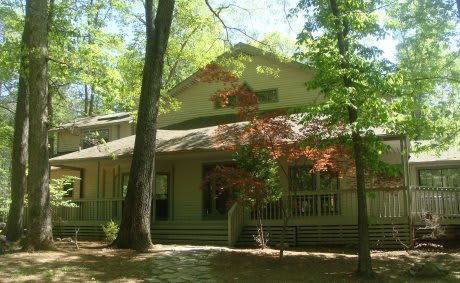
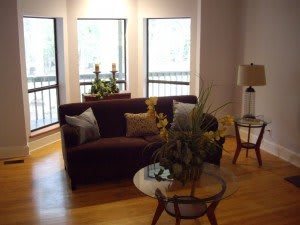
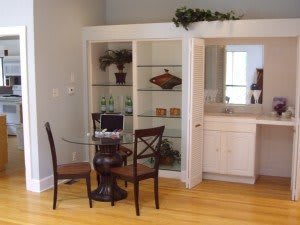
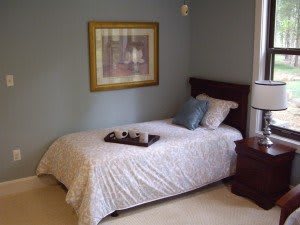
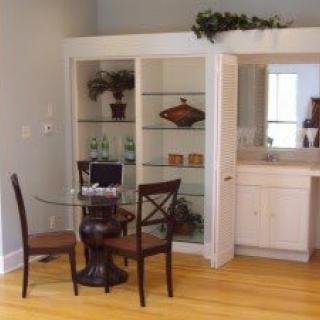
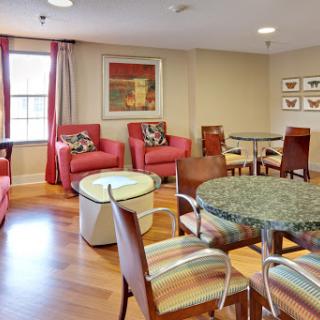
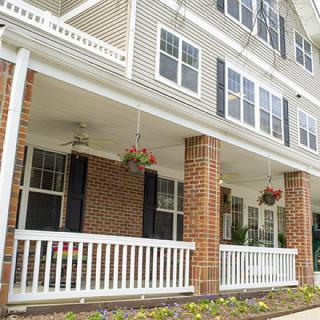
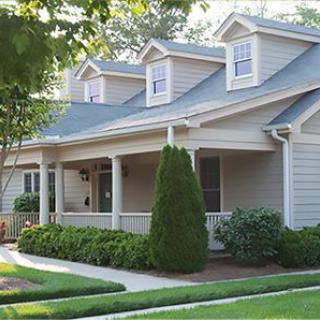
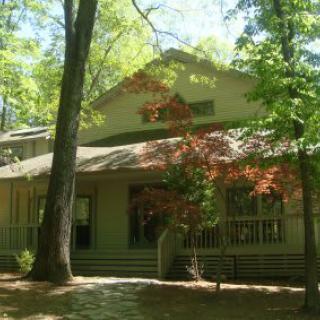
Livewell Assisted Living in Chapel Hill, NC

Save
Livewell Assisted Living Livewell Assisted Living Livewell Assisted Living Livewell Assisted Living

Livewell Assisted Living in Chapel Hill, NC

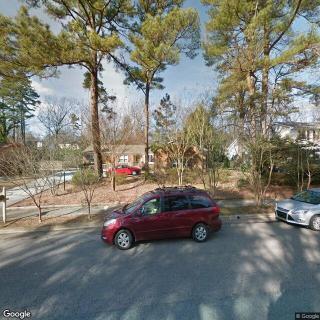
6720 Pauline Drive, Chapel Hill, NC 27514

For more information about senior living options: (844) 490-3973

4.2 from 43 reviews
5 stars
31
4 stars
3
3 stars
1
2 stars
1
1 stars
7

Assisted Living Board and Care Home Memory Care

Livewell Assisted Living Costs & Pricing

Livewell Assisted Living offers a range of accommodation options that reflect a distinctive pricing structure when compared to both Orange County and broader North Carolina averages. For semi-private rooms, Livewell charges $6,000 per month, which is significantly higher than the county's average of $4,326 and the state's average of $3,584. Private rooms at Livewell are priced at $6,500, again surpassing both local and state rates of $4,690 and $4,425 respectively. Similarly, their one-bedroom units are offered at the same rate of $6,500 each month, which notably exceeds Orange County's average of $4,100 and North Carolina's average of $4,055. These figures suggest that while Livewell Assisted Living provides premium services or amenities justifying its higher costs, potential residents may want to consider the differences in value relative to other options in the area.

Floor plansLivewell Assisted LivingOrange CountyNorth Carolina
Semi-Private$6,000$4,326$3,584
Private$6,500$4,690$4,425
1 Bedroom$6,500$4,100$4,055

What level of care are you interested in?

Assisted Living

Memory Care

Independent Living

Skilled Nursing Facility

Continuing Care Retirement Community (CCRC)CCRC

Other


Request a tour at Livewell Assisted Living

    Overall Review of Livewell Assisted Living

    Pros

    • pro The team of caregivers is the most dedicated and loyal around, creating a safe and trusting environment.
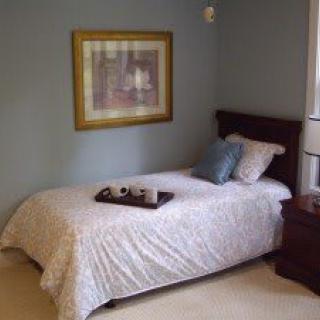
    • pro LiveWell provides a homey, nurturing environment in a smaller setting that allows close supervision while preserving residents' privacy.
    • pro Family members get to know the staff, and there is excellent communication from staff to family.
    • pro The LiveWell staff is wonderful and caring, making each resident feel special and welcome.
    • pro LiveWell is a wonderful place for loved ones, with compassionate staff and a serene, home-like atmosphere.
    • pro The environment is peaceful yet full of life, with patient and caring staff.
    • pro The staff-to-resident ratio is impressive, providing personalized attention that feels like home.
    • pro The facility is described as a virtual oasis in assisted living - safe, beautiful, and tranquil.

    Cons

    • pro The organization is described as very unprofessional, with staff who are rude and loud on the phone.
    • pro Promises are not followed through.
    • pro Medications are not given per doctor orders, and HIPAA laws are reportedly ignored.
    • pro Care promised by staff is not delivered, and occupants are treated differently.
    • pro Promised activities are not carried out.
    • pro Sometimes half the staff do not show up, creating safety concerns.
    • pro The kitchen is too small to cook for three couples.
    • pro There is a policy that allows filming or photographing residents and posting online without consent, and deletion requests are not honored.

    Review

    LiveWell Assisted Living in Chapel Hill is best suited for families seeking a genuinely home-like, memory-care capable option where residents are few and caregiving is deeply personal. The model functions as a micro-community, typically six residents per house, with a caregiver-to-resident ratio around three-to-one supported by two aides and a med-tech. It suits seniors with cognitive challenges who do not want to feel like a number on a campus, and who benefit from predictable routines, shared meals, and private space when needed. The wooded, tranquil setting reinforces a sense of safety and calm, helping families feel confident that daily care is attentive, steady, and emotionally supportive.

    Those considering alternatives should recognize this is not the place for families prioritizing a large, highly structured campus with expansive programming or relentless medical oversight. A number of reviews flag issues around medication management, shifting staff assignments, and inconsistent follow-through on promises, along with occasional abrasive phone interactions and privacy concerns about photos or videos. For households that require robust outings, wide-ranging activity calendars, or a facility with near-constant, formal programming, a bigger operation may deliver more of what is expected. Distance and cost also factor in for families needing frequent visits or longer-term planning.

    The strongest advantages are precisely what make LiveWell compelling: a small-house model with deeply dedicated, loyal caregivers who work to build trust and familiarity with each resident. In a six-person setting, staff can supervise closely and customize routines, while families report meaningful, personal connections with caregivers. In-house meals prepared in the kitchen, a homey atmosphere, and the ability for residents to socialize at meals or retreat to private bedrooms create a sense of normalcy rare in larger facilities. For dementia care, the environment feels safer and more dignified, offering a level of attention that translates into steadier days and calmer interactions.

    Yet the drawbacks are real enough to demand caution. Several accounts allege lapses in adhering to doctor orders for medications and inconsistent HIPAA-practice, along with communications that fail to reach the correct caregiver due to staffing structure. Reports of staff being stretched thin, missed shifts, and delayed responses raise safety concerns, while some families describe privacy and consent issues around images used for advertising. A few reviewers note misaligned promises and operational hiccups, including maintenance delays and a sense that the administration can be slow to resolve problems. These aren't universal experiences, but they are persistent enough to influence risk calculations.

    All things considered, the positives still yield a strong case for the right resident. A small, homelike setting paired with a personalized care approach tends to produce calmer days for residents and clear, ongoing dialogue for families who stay actively involved. The intimacy, quality of staff relationships, and serene setting can offset some of the inherent limits of a smaller program - provided care protocols, med management, and privacy policies stay tightly controlled and transparent. For families where medication administration and consistent, practice-wide communications are non-negotiable, this community may require vigilant oversight or careful comparison with alternatives that emphasize formal systems.

    When evaluating options, approach with disciplined due diligence: insist on meeting the executive director, schedule visits at different times, and request concrete care plans and med-management policies. Verify the house-level staffing aligns with the stated ratio and probe how HIPAA, privacy, and consent are handled daily. Confirm dietary accommodations and activity scheduling are integrated into the plan, and compare total costs with comparable Chapel Hill offerings. The bottom line is clear: LiveWell delivers a warm, dementia-capable, home-like environment with exceptional caregiver attention, but prospective families should scrutinize medication practices, privacy assurances, and operational consistency before committing.

    Features

    Housing

    • 6 resident community capacity 6 resident community capacity
    • 1-bedroom apartments 1-bedroom apartments1-bedroom apartments are important for seniors because they provide a sense of independence, privacy, and autonomy while still offering the necessary space for comfortable living. These apartments allow seniors to maintain their own personal space and lifestyle preferences in a supportive community setting.
    • 2-bedroom apartments 2-bedroom apartments2-bedroom apartments are important for seniors because they provide extra space for guests, hobbies, and caregivers, as well as potential for additional income through roommates or rental.
    • Studio apartments Studio apartmentsStudio apartments are important for seniors because they offer a smaller, more manageable living space that is easier to navigate and maintain as physical abilities decline. Additionally, studio apartments provide seniors with independence and privacy while still being part of a community that offers support and social opportunities.

    Types of Care

    • Assisted Living Assisted LivingAssisted living facilities provide crucial support and care for seniors who may need help with daily tasks such as medication management, bathing, and meal preparation. These communities offer a safe and comfortable environment where seniors can maintain their independence while receiving the assistance they need to thrive in their golden years.
    • Board and Care Home Board and Care HomeBoard and care homes provide a smaller, more intimate setting for seniors who require assistance with daily tasks but do not need the level of care offered by a nursing home. They offer personalized care, meals, and social activities in a homelike environment, ensuring that seniors receive individualized attention and support in their golden years.
    • Memory Care Memory CareMemory care is crucial for seniors as it provides specialized support and services for individuals with dementia or Alzheimer's disease. These programs offer a safe and secure environment where residents receive personalized care, cognitive stimulation, and help with daily activities. Memory care helps seniors maintain their independence, quality of life, and dignity while also providing peace of mind for their families.

    Pets

    • Cats allowed Cats allowed"Pet friendly" senior living communities are important for seniors because pets provide companionship, reduce feelings of loneliness and depression, promote physical activity and mental stimulation, and offer a sense of purpose and responsibility. Pets can improve overall well-being and quality of life for seniors in many ways.
    • Dogs allowed Dogs allowed"Pet friendly" senior living communities are important for seniors because pets provide companionship, reduce feelings of loneliness and depression, promote physical activity and mental stimulation, and offer a sense of purpose and responsibility. Pets can improve overall well-being and quality of life for seniors in many ways.

    Amenities

    • Activities off-site Activities off-siteEngaging in off-site activities is crucial for seniors to maintain social connections, stay active, and stimulate their minds. It promotes overall well-being and helps combat feelings of isolation and loneliness.
    • Activities on-site Activities on-siteActivities on-site are important for seniors because they provide opportunities for socialization, mental stimulation, physical activity, and overall well-being. Engaging in activities can help seniors stay active, maintain their independence, and improve their quality of life.
    • Beautician on-site Beautician on-siteHaving a beautician on-site at a senior living community is important for seniors as it allows them to easily access grooming and personal care services, boosting their self-esteem and overall well-being. It also provides convenience and helps seniors maintain their sense of independence and personal style.
    • Cable or satellite TV Cable or satellite TVCable or satellite TV is important for seniors because it provides entertainment, news, and companionship, helping to combat loneliness and boredom. It also offers a wide range of programming options tailored to different interests and preferences.
    • Dining room Dining roomDining rooms are important for seniors as they provide a space for socialization, connection, and nutritious meals. They offer opportunities for residents to bond over shared meals, foster a sense of community, and promote healthy eating habits. Dining rooms also ensure that seniors have access to well-balanced meals tailored to their dietary needs and preferences.
    • Fully furnished Fully furnishedFully furnished senior living communities are important for seniors because they provide convenience, comfort, and a hassle-free moving experience. Seniors can easily settle into their new living space without the stress of having to buy and move furniture. This allows them to focus on enjoying their new home and community.
    • Garden GardenGardens are important for seniors as they provide a peaceful and therapeutic environment for relaxation, physical activity, and socialization. Being in nature has been shown to reduce stress, improve mood, and promote overall well-being. Gardens also offer opportunities for seniors to engage in gardening activities, which can improve mobility, flexibility, and cognitive function. Additionally, gardens create a sense of community and connection with others who share a passion for plants and outdoor spaces.
    • Housekeeping services Housekeeping servicesHousekeeping services are important for seniors because they help maintain a clean and safe living environment, promote independence, and reduce the risk of accidents or illnesses. Additionally, having assistance with household chores can alleviate physical strain and allow seniors to focus on other aspects of their well-being.
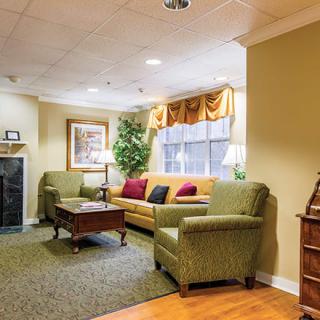
    • Indoor common areas Indoor common areasIndoor common areas are crucial for seniors as they provide a space for socialization, recreation, and community engagement, promoting overall well-being and reducing feelings of isolation and loneliness.
    • Move-in coordination Move-in coordinationMove-in coordination is important for seniors because it helps ease the transition into their new living environment. It ensures that all logistics, such as packing, organizing movers, and setting up utilities are taken care of, allowing seniors to focus on settling in and adjusting to their new home. Having a smooth move-in process can alleviate stress and anxiety, making the transition smoother and more enjoyable for seniors.
    • Outdoor common areas Outdoor common areasOutdoor common areas are important for seniors as they provide a space for socialization, physical activity, and relaxation. Being outside in nature can improve mood and overall well-being, while also encouraging movement and engagement with others. These spaces can help combat feelings of isolation and promote a sense of community among residents.
    • Outdoor space Outdoor spaceOutdoor spaces are important for seniors as they provide opportunities for physical activity, social interaction, exposure to natural light and fresh air, and a sense of connection to nature. Having access to outdoor spaces can improve overall well-being and quality of life for older adults living in senior communities.
    • Private PrivatePrivacy is important for seniors as it allows them to maintain their independence, dignity, and sense of control over their own lives. It also gives them the space and freedom to relax, reflect, and engage in activities that bring them joy and fulfillment. Creating private spaces within senior living facilities is crucial for promoting overall well-being and quality of life.
    • Respite or short term stays offered Respite or short term stays offeredRespite or short term stays provide seniors with a temporary solution when their regular caregiver is unavailable, offering them the opportunity to receive additional care and support during times of need, while also giving caregivers a chance to rest and recharge.
    • Telephone TelephoneTelephones are important for seniors as they provide a lifeline for communication with loved ones, emergency services, and healthcare providers. They offer a sense of security and independence, enabling seniors to stay connected and access assistance when needed.
    • Wheelchair accessible showers Wheelchair accessible showersWheelchair accessible showers are crucial for seniors as they provide a safe and independent bathing option for those with mobility challenges. These showers help prevent falls and allow seniors to maintain their dignity and autonomy while ensuring they can bathe comfortably.
    • Wi-Fi/high-speed internet available Wi-Fi/high-speed internet availableWi-Fi/high-speed internet is important for seniors to stay connected with loved ones, access online resources, and participate in virtual activities to combat feelings of loneliness and isolation. It also allows them to easily manage healthcare needs, access entertainment, and engage in lifelong learning opportunities.

    Transportation

    • Raleigh-Durham International (15 miles away) Raleigh-Durham International (15 miles away)

    Care Services

    • 24-hour supervision 24-hour supervision24-hour supervision is important for seniors to ensure their safety, well-being, and access to immediate assistance in case of emergencies or health issues. This constant support provides peace of mind for both seniors and their loved ones, allowing them to age in place with dignity and security.
    • Activities of daily living assistance Activities of daily living assistanceActivities of daily living assistance are important for seniors because they provide essential support with tasks such as eating, bathing, dressing, and mobility. This assistance helps seniors maintain their independence, dignity, and overall quality of life as they age.
    • Ambulatory care Ambulatory care"Ambulatory care services provide essential medical support and treatment to seniors without requiring hospitalization, allowing them to maintain their independence and quality of life while managing chronic conditions or receiving routine medical care."
    • Assistance with bathing Assistance with bathingAssistance with bathing is crucial for seniors as it helps maintain personal hygiene, prevents infections, and ensures their overall well-being and comfort. It also provides a sense of dignity and independence for seniors who may struggle with this task on their own.
    • Assistance with dressing Assistance with dressingAssistance with dressing is important for seniors because it helps maintain their independence, promotes personal hygiene, prevents accidents and injuries, and improves overall quality of life. This service ensures that seniors can continue to dress comfortably and confidently, despite any physical limitations they may have.
    • Assistance with transfers Assistance with transfersAssistance with transfers is crucial for seniors as it helps prevent falls and injuries, maintains their independence, and ensures they can safely navigate their living environment. It also provides peace of mind for both seniors and their loved ones.
    • Coordination with health care providers Coordination with health care providersCoordination with health care providers is crucial for seniors to ensure proper medical care, medication management, and overall well-being. This collaboration helps prevent overlapping treatments, track progress more effectively, and provide comprehensive support tailored to individual needs.
    • Diabetes diet Diabetes dietA diabetes diet is crucial for seniors as it helps manage blood sugar levels, reduce risks of complications, and improve overall health and well-being. By following a balanced and nutritious diet tailored to their specific needs, seniors can better control their diabetes and enhance their quality of life.
    • Diabetic care Diabetic careDiabetic care is crucial for seniors as they are more susceptible to developing diabetes due to aging and other health conditions. Proper management of diabetes can help prevent complications such as heart disease, vision loss, and nerve damage, improving the overall quality of life for seniors in senior living communities.
    • High acuity care High acuity careHigh acuity care is important for seniors because it provides specialized medical attention and support for individuals with complex medical needs. This level of care ensures that seniors receive the appropriate treatment and assistance to maintain their health and quality of life as they age.
    • Incontinence care Incontinence careIncontinence care is essential for seniors to maintain their dignity, hygiene, and overall quality of life. By addressing incontinence issues promptly and effectively, seniors can enjoy a sense of independence and comfort in their daily activities.
    • Meal preparation and service Meal preparation and serviceMeal preparation and service are crucial for seniors as they may have limited mobility or energy to cook nutritious meals. Having access to healthy and convenient food options can ensure they are getting the proper nutrition needed to maintain their overall health and well-being.
    • Medication management Medication managementMedication management is crucial for seniors to ensure they are taking the right medications at the correct dosages and times. This helps prevent adverse drug interactions, reduces the risk of medication errors, and promotes overall health and well-being. Proactive management also allows for adjustments as needed based on changing health conditions or new prescriptions.
    • Special dietary restrictions Special dietary restrictionsSpecial dietary restrictions are important for seniors because age-related changes in metabolism and health conditions can make it difficult for their bodies to process certain foods. By following a diet tailored to their specific needs, seniors can maintain their overall health and well-being, manage chronic conditions, and reduce the risk of complications such as malnutrition or food interactions with medications.
    • Transportation arrangement (medical) Transportation arrangement (medical)Transportation arrangements for medical purposes are essential for seniors as they may have difficulty driving themselves to appointments or accessing public transportation. Having reliable and safe transportation options ensures that seniors can receive timely medical care and maintain their health and well-being.
    • Transportation to doctors appointments Transportation to doctors appointmentsTransportation to doctors' appointments is crucial for seniors as it ensures they have access to necessary medical care and support for their health needs. Without reliable transportation, seniors may struggle to attend important appointments, leading to potential delays in treatment and health complications. Providing transportation services helps seniors maintain their overall well-being and quality of life.
    Dining

    • Diabetes diet Diabetes dietA diabetes diet is crucial for seniors as it helps manage blood sugar levels, reduce risks of complications, and improve overall health and well-being. By following a balanced and nutritious diet tailored to their specific needs, seniors can better control their diabetes and enhance their quality of life.
    • Meals provided Meals provided"Meals provided" are crucial for seniors in assisted living communities as it ensures they have access to nutritious, balanced meals without the stress of meal planning and preparation. This can help promote overall health and well-being for seniors who may have limited mobility or cognitive abilities.
    • Special dietary restrictions Special dietary restrictionsSpecial dietary restrictions are important for seniors because age-related changes in metabolism and health conditions can make it difficult for their bodies to process certain foods. By following a diet tailored to their specific needs, seniors can maintain their overall health and well-being, manage chronic conditions, and reduce the risk of complications such as malnutrition or food interactions with medications.
    • Vegetarian VegetarianA vegetarian diet is important for seniors because it can help lower the risk of chronic diseases, maintain a healthy weight, and provide essential nutrients needed for aging bodies. Additionally, plant-based diets are often easier on digestive systems and can contribute to overall well-being in older adults.

    Activities

    • Activities off-site Activities off-siteEngaging in off-site activities is crucial for seniors to maintain social connections, stay active, and stimulate their minds. It promotes overall well-being and helps combat feelings of isolation and loneliness.
    • Activities on-site Activities on-siteActivities on-site are important for seniors because they provide opportunities for socialization, mental stimulation, physical activity, and overall well-being. Engaging in activities can help seniors stay active, maintain their independence, and improve their quality of life.
    • Community-sponsored activities Community-sponsored activitiesCommunity-sponsored activities are important for seniors as they provide opportunities for social interaction, mental stimulation, and physical activity. These activities can help improve overall well-being, combat loneliness and isolation, and promote a sense of belonging and purpose among older adults.
    • Scheduled daily activities Scheduled daily activitiesScheduled daily activities are important for seniors because they provide structure, socialization, mental stimulation, and physical activity. Engaging in regular activities can improve overall well-being and quality of life for seniors living in a community setting.

    Description

    Livewell Assisted Living in Chapel Hill, NC is a vibrant and welcoming community that offers exceptional care and services for seniors. Our community features both 2-bedroom apartments and studio apartments, providing residents with a variety of living options to suit their needs.

    We offer a range of care services, including board and care home assistance and specialized memory care for residents with Alzheimer's or other forms of dementia. Our dedicated staff is trained to provide activities of daily living assistance, ambulatory care, bathing and dressing support, transfers assistance, coordination with healthcare providers, diabetic care, medication management, meal preparation and service, transportation arrangement to medical appointments, and more.

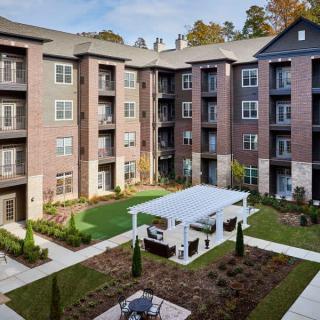
    At Livewell Assisted Living, we understand the importance of maintaining an active lifestyle. Our residents can enjoy a variety of on-site activities as well as community-sponsored events that encourage socialization and engagement. From daily scheduled activities to beautiful outdoor spaces like gardens and common areas, there is always something for everyone.

    Our amenities are designed to enhance the comfort and convenience of our residents. Each apartment is fully furnished and comes with cable or satellite TV, telephone access, Wi-Fi/high-speed internet connectivity. Housekeeping services ensure that residents can focus on enjoying their time at Livewell.

    Dining is an integral part of our community experience. We provide delicious meals tailored to meet special dietary restrictions such as diabetes diet or vegetarian preferences. Residents can enjoy their meals in our welcoming dining room while socializing with fellow residents.

    Livewell Assisted Living also takes pride in its location within Chapel Hill. With multiple cafes, parks, pharmacies, physicians' offices, restaurants, and places of worship nearby, residents have easy access to all the amenities they may need.

    Choosing Livewell Assisted Living means choosing a well-rounded assisted living community where personalized care meets an active lifestyle in a warm and supportive environment.

    Nearby Places of Interest

    This part of Chapel Hill, North Carolina offers a variety of amenities that may be appealing for senior living. There are several parks nearby, providing opportunities for outdoor recreation and exercise. In terms of healthcare, there are multiple physicians' offices and pharmacies within a short distance, ensuring easy access to medical care. Additionally, there are cafes and restaurants in the area for dining options and socializing. Places of worship are also close by for those who seek spiritual fulfillment. The hospitals nearby provide reassurance that quality medical care is readily available if needed. For entertainment, there is a theater within driving distance. Overall, this neighborhood offers a well-rounded environment with convenient access to essential services that may be beneficial for seniors looking to establish a comfortable and fulfilling lifestyle in Chapel Hill.

    Parks

    • Cedar Falls Park (1.4 miles)
    • Homestead Skate Park (2.6 miles)
    • Hank Anderson Community Park (5.8 miles)
    • Piney Wood Park (7.3 miles)
    • Whippoorwill Park (7.5 miles)
    • Soccer Fields At Southern Community Park (7.5 miles)
    • Southern Community Dog Park (7.6 miles)

    Physicians

    • Chapel Hill Implant and Oral Surgery Center (1.6 miles)
    • Duke Primary Care Sage Road Pediatrics (2.2 miles)
    • Chapel Hill Pediatrics & Adolescents Pa (2.3 miles)
    • North Carolina Orthopaedic Clinic (3.2 miles)
    • Chapel Hill Ophthalmology (3.4 miles)
    • Chapel Hill Dermatology (3.5 miles)
    • Chapel Hill Internal Medicine (3.6 miles)

    Pharmacies

    • Walgreens (2 miles)
    • CVS Pharmacy (3 miles)
    • Walgreens (3.5 miles)
    • CVS Pharmacy (5.1 miles)
    • CVS Pharmacy (5.3 miles)
    • Tarheel Town Pharmacy (5.3 miles)
    • CVS Pharmacy (5.6 miles)

    Cafes

    • Starbucks (2.1 miles)
    • Starbucks (2.6 miles)
    • Starbucks (3 miles)
    • Starbucks (3.9 miles)
    • Panera Bread (5 miles)
    • Panera Bread (7.2 miles)
    • Starbucks (7.3 miles)

    Restaurants

    • Chick-Fil-A (2.2 miles)
    • New Hope Market (2.6 miles)
    • Five Guys Burgers & Fries (2.7 miles)
    • McDonald's (2.7 miles)
    • Mr Tokyo Japanese Restaurant (2.9 miles)
    • Cava (3.1 miles)
    • Silverspot Cinema (3.6 miles)

    Places of Worship

    • Church of Reconciliation PC USA (3 miles)
    • Judea Reform Congregation (4.1 miles)
    • Yates Baptist Church (5.1 miles)
    • Duke University Chapel (5.2 miles)
    • St Matthew's Episcopal Church (7.6 miles)

    Hospitals

    • North Carolina Cancer Hospital (5.4 miles)
    • Duke Hospital of Dentistry & Facial Pain (5.4 miles)
    • UNC Transplant Clinic (5.4 miles)
    • UNC Hospitals Ambulatory Care Center (5.7 miles)

    Theaters

    • AMC DINE-IN Southpoint 17 (6.9 miles)

    Frequently Asked Questions

    How much does it cost to live at Livewell Assisted Living in Chapel Hill, NC?
    What floor plans and room types does Livewell Assisted Living offer?
    Where is Livewell Assisted Living?
    Does Livewell Assisted Living provide care for residents with dementia or Alzheimer's disease?
    Does Livewell Assisted Living allow residents to have pets?
    What photos are available for Livewell Assisted Living in Chapel Hill, North Carolina?

    Nearby Communities

    • Carol Woods Retirement Community

      Carol Woods Retirement Community

      Chapel Hill, NC


      pro Continuum of care (CCRC) enables aging in place across independent to skilled care.


    • Carol Woods Retirement Cmnty

      Carol Woods Retirement Cmnty

      Chapel Hill, NC

      4.7 from 98 reviews
      $2,311 / month

      pro Resident-focused care with engaging activities, strong dining, and a well-maintained, walkable campus.

    • Meadowbrook Manor

      Meadowbrook Manor

      Durham, NC

      3.8 from 100 reviews
       

      pro Peaceful setting with extensive nearby amenities (cafes, parks, healthcare, dining, worship).

    • Pruitthealth – Carolina Point,  LLC

      Pruitthealth – Carolina Point, LLC

      Durham, NC

      3.3 from 123 reviews
      $5,580 to $5,745 / month

      pro Some families hope for reliable care and compassionate treatment for their loved ones.

    • Pruitthealth-Carolina Point

      Pruitthealth-Carolina Point

      Durham, NC

      3.7 from 106 reviews
       

      pro Helpful physical therapy and attentive staff in some cases; private rooms with amenities.

    • The Pickett House Family Care Home

      The Pickett House Family Care Home

      Durham, NC

      4.1 from 25 reviews
       

      pro Personalized care in a small, fully furnished home with meals, activities, and transportation coordination.

    • The Addison

      The Addison

      Durham, NC

      3.6 from 45 reviews
      $4,850 to $6,400 / month

      pro Friendly, attentive staff; clean, updated facility with memory-care activities and on-site amenities.

    • Brookdale Meadowmont

      Brookdale Meadowmont

      Chapel Hill, NC

      4.4 from 102 reviews
       

      pro Caring, attentive staff in a clean, home-like setting with good family communication.

    • The Cedars Of Chapel Hill

      The Cedars Of Chapel Hill

      Chapel Hill, NC

      4.6 from 8 reviews
       

      pro Extensive amenities and an active social life with spacious, well-appointed apartments.

    Related Resources

    • alzheimer's factsIlluminating Insights About Alzheimer's Disease: Ten Crucial Realities

      Alzheimer’s disease is a progressive neurological disorder that significantly impacts memory and cognitive functions, accounting for 60-80% of dementia cases, with early diagnosis being crucial yet challenging. It involves brain changes like beta-amyloid plaques and tau tangles, influenced by genetic and lifestyle factors, and while there is no cure, symptom management and support for caregivers are essential.

    • list of drugs linked to dementiaA Thorough Discussion of Medications Potentially Linked to Dementia Risk

      Dementia, influenced by aging and certain medications, may be exacerbated by drug classes such as anticholinergics, benzodiazepines, and antipsychotics, which are associated with cognitive impairment. Regular medication reviews by healthcare professionals are crucial for older adults to manage risks and optimize cognitive health.

    • do dementia patients sleep a lotWhy Do Dementia Patients Sleep So Much? Understanding Oversleeping, Stages, and Care Approaches
      Dementia often results in disrupted sleep patterns, leading to excessive daytime sleeping due to factors like brain damage affecting circadian rhythms, medication side effects, and lack of structure in daily activities. Caregivers must monitor these changes closely, as oversleeping can increase risks such as malnutrition or dehydration, and provide necessary support and routines to enhance patient engagement and well-being.


    Get Pricing Ask A Question Schedule A Tour Contact Senior Advisor