At Sunrise of Cary, the monthly costs for assisted living accommodations reflect both the quality of care provided and the premium location within Wake County. For a semi-private room, residents can expect to pay $6,360, which significantly exceeds the county average of $4,391 and the state average of $3,584. Those seeking more privacy in a studio will find costs at $7,980 - again higher than both the local and state averages of $4,757 and $4,020 respectively. For those desiring a one-bedroom unit, the monthly fee rises to $8,670, surpassing the county's average price of $4,996 and North Carolina's general rate of $4,055. These figures highlight that while Sunrise of Cary may be on the higher end financially, it prioritizes exceptional care and services that many families find invaluable.
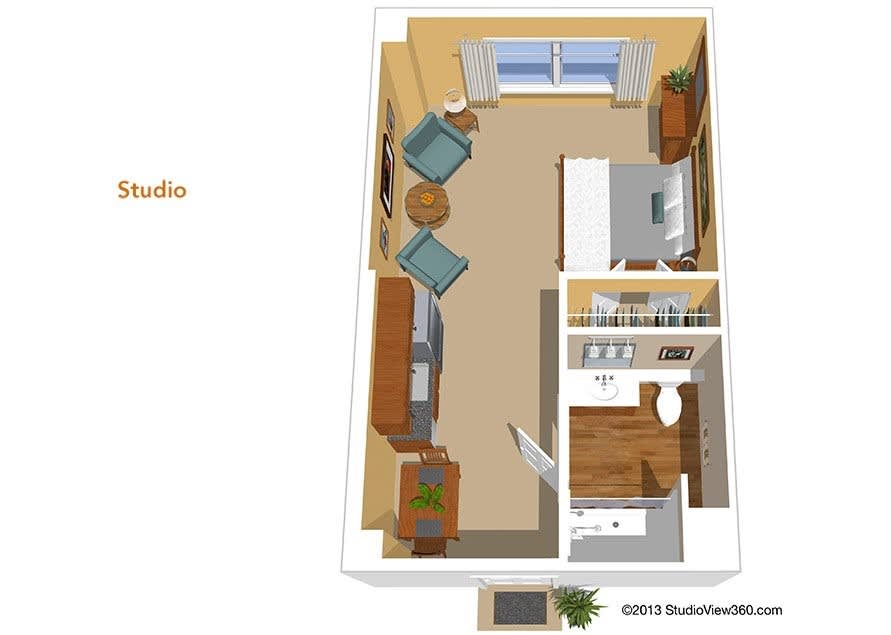
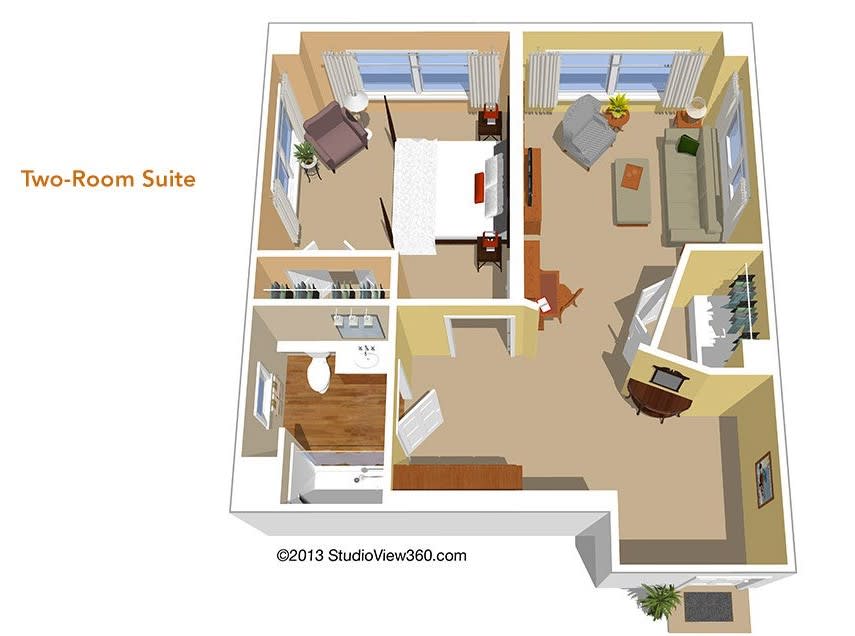
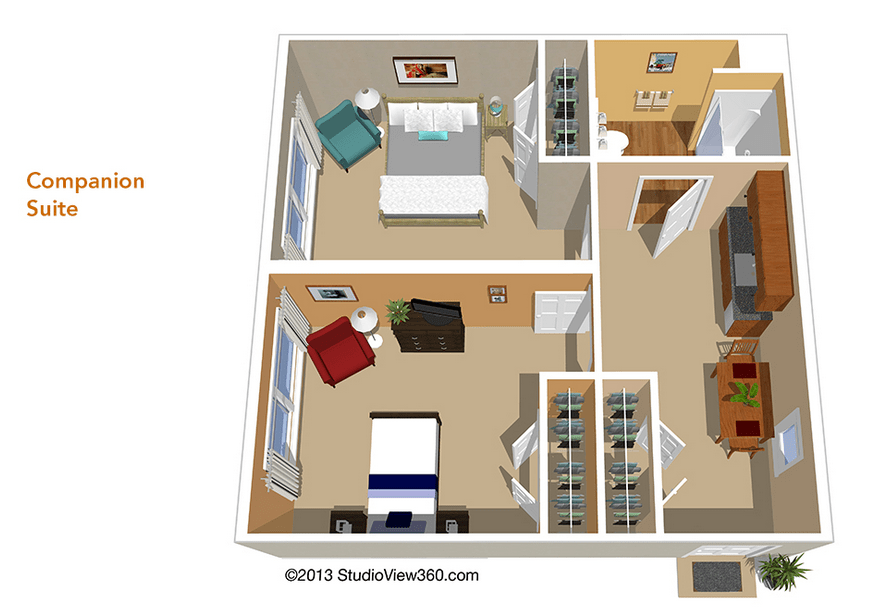
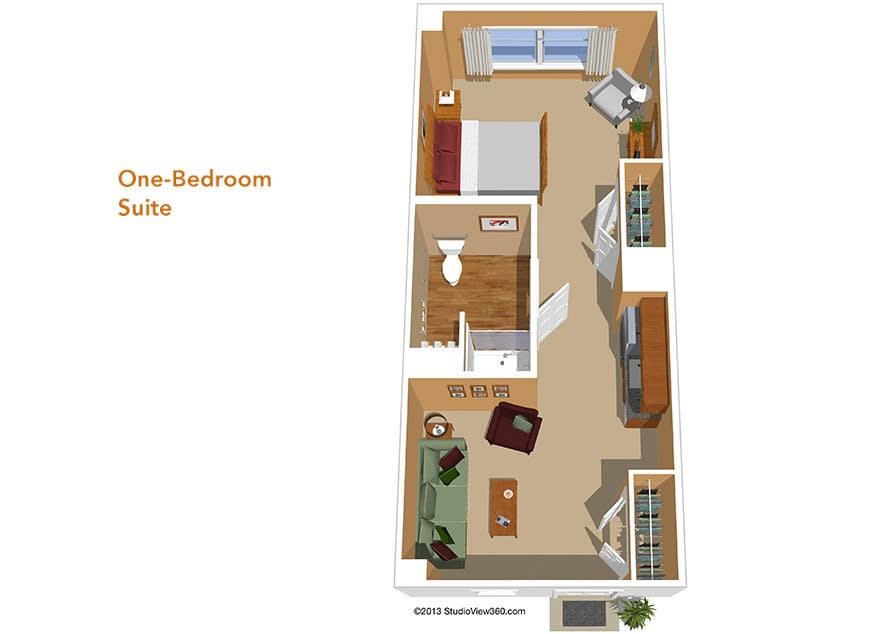
Floor plans
Sunrise Of Cary
Wake County
North Carolina
Semi-Private
$6,360
$4,391
$3,584
Studio
$7,980
$4,757
$4,020
1 Bedroom
$8,670
$4,996
$4,055
Memory care communities with a similar price nearby
Staff kindness and responsiveness come up repeatedly in residents’ experiences.
Across many reviews, families describe staff members who are warm, attentive, and willing to answer questions and keep them informed. Several reviewers mention caregivers and nurses being genuinely compassionate, and some specifically call out frequent communication with family. Even in mixed reviews, families often distinguish good bedside behavior from larger process or cost issues.
common
Dining quality and flexible options
Dining quality is a frequent point of praise, especially for variety.
Residents and families commonly mention that meals are well prepared and enjoyable, with multiple reviewers saying food is tasty and varied. Some families also describe a lighter-meal choice at each meal. The community also offers restaurant-style dining and supports special diets, which aligns with how residents describe dietary attention.
differentiator
Memory care gets strong engagement
Memory care programming is designed to keep residents engaged.
Several reviews focus on memory care and describe a unit that keeps residents safe while still offering meaningful activities and social stimulation. Families mention tailored engagement and daily life that feels home-like rather than purely institutional. At the same time, a smaller set of reviews raises concerns about supervision levels and transitions for certain residents, so experiences may vary by need.
caveat
Higher costs compared with alternatives
Many families describe Sunrise of Cary as significantly expensive.
Cost is one of the most consistent themes, with multiple reviewers saying the monthly price feels higher than expected and that extras can add up. Some families frame it as worth it when care needs are high, while others feel the pricing does not match the level of support they expected. Reviews also connect costs to concerns about supervision and staffing availability in certain situations.
common
Activities can be a real highlight
Resident activities are frequently described as engaging and well scheduled.
Many reviews describe a busy activity calendar that keeps residents involved, including group social time and outings. Several reviewers also mention specific events they observed or how their loved one became more active after moving in. A few reviews, however, suggest that on certain days there may be less going on, so the activity experience may depend on timing and resident interest.
How we summarize
We summarize when many written reviews mention each theme; a review can touch several themes, and only frequently mentioned themes are displayed.
Features
Housing
85 resident community capacity
Types of Care
Assisted Living
Memory Care
Pets
Cats allowed
Dogs allowed
Amenities
Activities off-site
Activities on-site
Air-conditioning
Beautician on-site
Beauty salon
Cable or satellite TV
Computer center
Devotional services off-site
Devotional services on-site
Dining room
Family private dining rooms
Fitness room
Fully furnished
Gaming room
Garden
Ground floor units
Housekeeping services
Indoor common areas
Kitchenette
Located close to restaurants
Located close to shopping centers
Move-in coordination
Outdoor common areas
Outdoor patio
Outdoor space
Private bathrooms
Respite or short term stays offered
Restaurant-style dining
Small library
Spa
Telephone
Wellness center
Wi-Fi/high-speed internet available
Transportation
Raleigh-Durham International (7 miles away)
Community operated transportation
Transportation arrangement
Transportation arrangement (non-medical)
Care Services
12-16 hour nursing
24-hour call system
24-hour supervision
Accept incoming residents on hospice
Activities of daily living assistance
Administer insulin injections
Assistance with bathing
Assistance with dressing
Assistance with transfers
Care with behavioral issues
Coordination with health care providers
Dementia waiver
Diabetes diet
Diabetic care
Hospice waiver
Incontinence care
Meal preparation and service
Medication management
Mental wellness program
Mild cognitive impairment
Physical therapy
Preventative health screenings
Rehabilitation program
Respite program
Same day assessments
Special dietary restrictions
Specialized memory care programming
Transportation arrangement (medical)
Transportation to doctors appointments
Dining
Diabetes diet
Guest meals
Meals provided
Professional chef
Restaurant style dining
Special dietary restrictions
Special dining programs
Activities
Activities off-site
Activities on-site
Art classes
Community-sponsored activities
Concierge services
Day trips and outings
Devotional activities offsite
Devotional activities on-site
Educational speakers / life long learning
Fitness programs
Happy hour
Live well programs
Planned day trips
Resident-run activities
Scheduled daily activities
Nearby Places of Interest
This part of Cary, North Carolina offers a variety of amenities and services that cater to seniors. The proximity to physicians, hospitals, pharmacies, and parks ensures easy access to healthcare and recreational activities. Additionally, the availability of restaurants and cafes nearby provides convenient dining options. The presence of places of worship allows for spiritual fulfillment, while reliable transportation options make traveling convenient. The close proximity to Raleigh-Durham International Airport makes it easy for visiting family members to come and go. Overall, this area provides a well-rounded community with everything seniors may need for a comfortable and fulfilling lifestyle.
Physicians
Internal Medicine and Pediatric Associates PA (0.9 miles)
Western Wake Pediatrics, PA (3.1 miles)
Cary Skin Center (3.7 miles)
MyEyeDr (4.1 miles)
Family Dermatology (4.2 miles)
Raleigh Neurology (4.8 miles)
Wake Endoscopy Center (6.5 miles)
Parks
Fred G. Bond Metro Park (1.3 miles)
Harmony Community Pool and Playground (3.9 miles)
Method Road Park & Community Center (6.5 miles)
Carolina Pines Dog Park (8.1 miles)
Dorothea Dix Park (8.5 miles)
Brookhaven Nature Park (8.9 miles)
Grandale Park (9.5 miles)
Pharmacies
Walgreens (1.5 miles)
CVS Pharmacy (2.5 miles)
CVS Pharmacy (2.5 miles)
Walgreens (2.5 miles)
CVS Pharmacy (3.7 miles)
Walgreens (3.8 miles)
Walgreens (4 miles)
Restaurants
City Barbeque And Catering (1.6 miles)
Woody’s Sports Tavern & Grill (2.3 miles)
Hickory Tavern (2.5 miles)
Chick-Fil-A (2.7 miles)
Big Easy (2.7 miles)
Chick-Fil-A (3.8 miles)
Carolina Ale House (3.9 miles)
Cafes
Starbucks (2 miles)
Chanticleer Cafe & Bakery (3.2 miles)
Starbucks (3.9 miles)
Starbucks (6.8 miles)
Panera Bread (7.6 miles)
Starbucks (8.3 miles)
Starbucks (8.4 miles)
Places of Worship
Christ the King Lutheran Church (2.3 miles)
Pleasant Grove Baptist Church (10.8 miles)
New Hope Church (11 miles)
Hospitals
WakeMed Cary Hospital (2.6 miles)
UNC Specialty Women's Center at Rex (6.6 miles)
Transportation
CCO Concourse (6.4 miles)
Hertz Rent A Car (6.8 miles)
National Car Rental (6.8 miles)
American Airlines (7.2 miles)
Raleigh-Durham International Airport (RDU) (7.3 miles)
At Sunrise of Cary, the monthly costs for assisted living accommodations reflect both the quality of care provided and the premium location within Wake County. For a semi-private room, residents can expect to pay $6,360, which significantly exceeds the county average of $4,391 and the state average of $3,584. Those seeking more privacy in a studio will find costs at $7,980 - again higher than both the local and state averages of $4,757 and $4,020 respectively. For those desiring a one-bedroom unit, the monthly fee rises to $8,670, surpassing the county's average price of $4,996 and North Carolina's general rate of $4,055. These figures highlight that while Sunrise of Cary may be on the higher end financially, it prioritizes exceptional care and services that many families find invaluable.
The features offered at Sunrise of Cary are designed to create a supportive environment that addresses the unique challenges faced by individuals with dementia or Alzheimer's disease. With 24-hour supervision, residents receive constant monitoring, ensuring safety and immediate assistance when needed. Activities of daily living assistance, such as help with bathing, dressing, and transfers, promote dignity while addressing physical needs. The care team is trained to manage behavioral issues effectively, fostering a calming atmosphere. Coordination with healthcare providers ensures comprehensive medical oversight, while services like medication management and incontinence care provide peace of mind for both residents and their families. Meal preparation is tailored to nutritional requirements, complemented by mental wellness programs that engage cognitive function. Specialized memory care programming caters specifically to residents' cognitive levels--whether mild cognitive impairment or more advanced stages--while transportation arrangements facilitate access to necessary medical appointments. Together, these features create a holistic approach to memory care that enhances the quality of life for all residents.
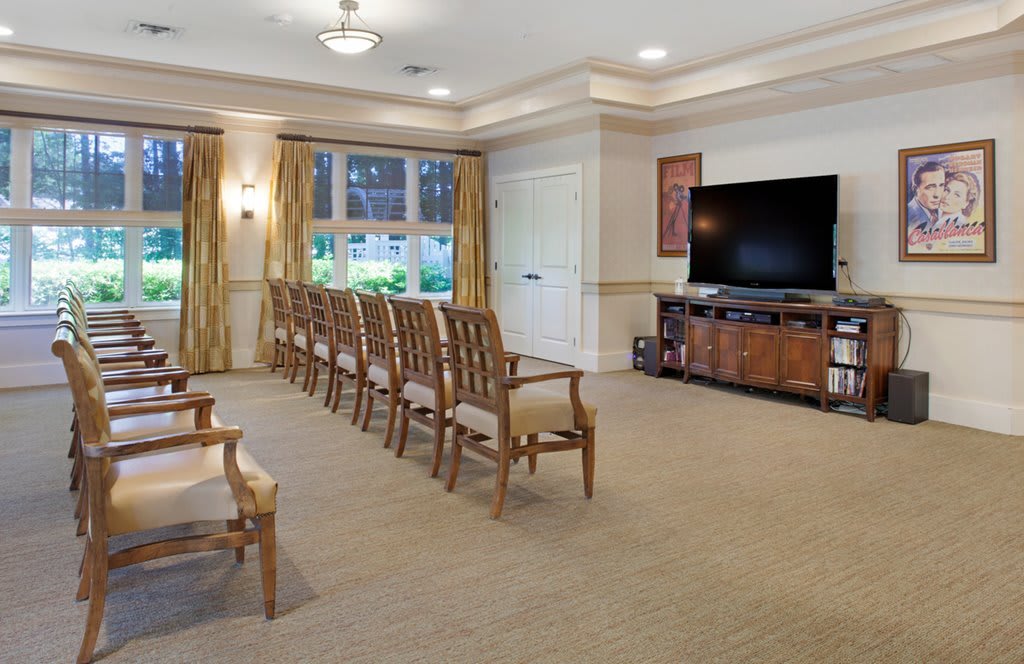
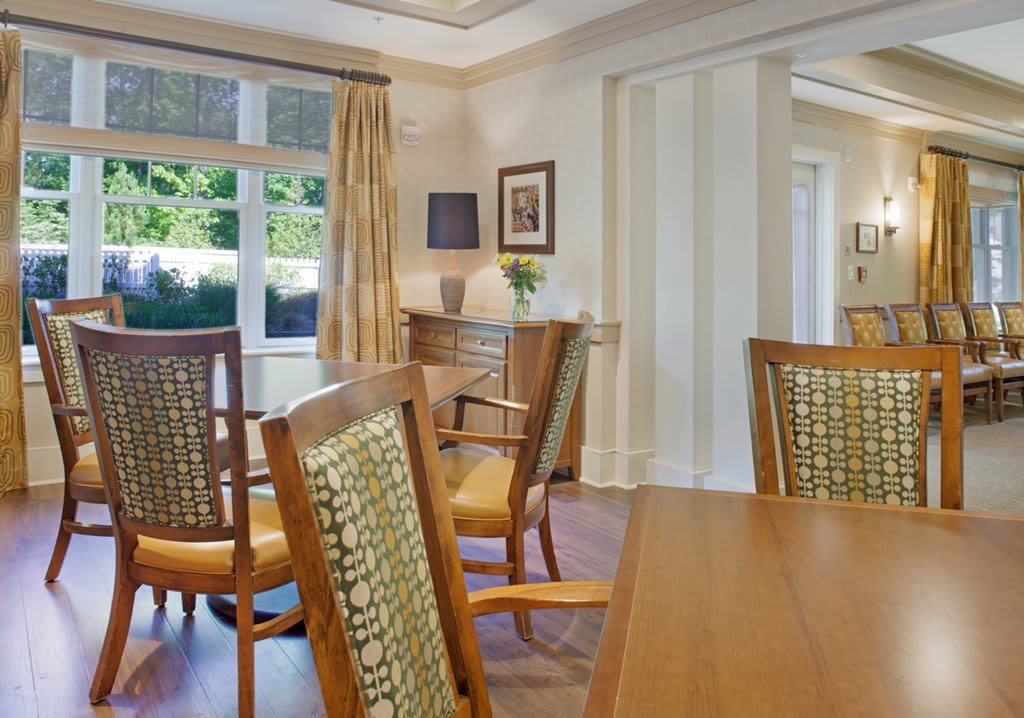
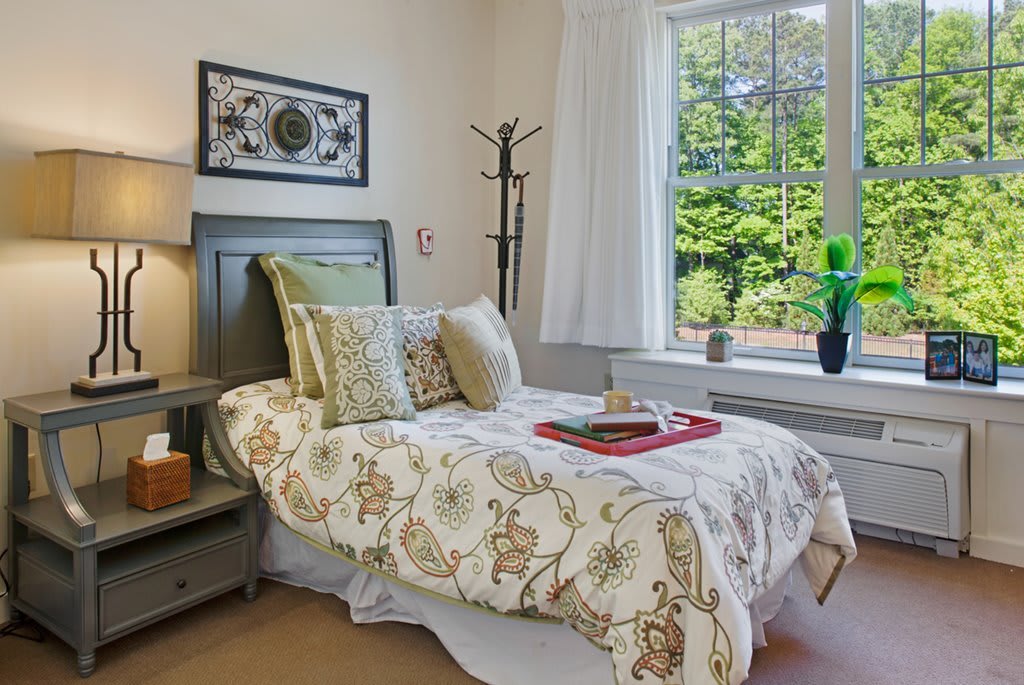
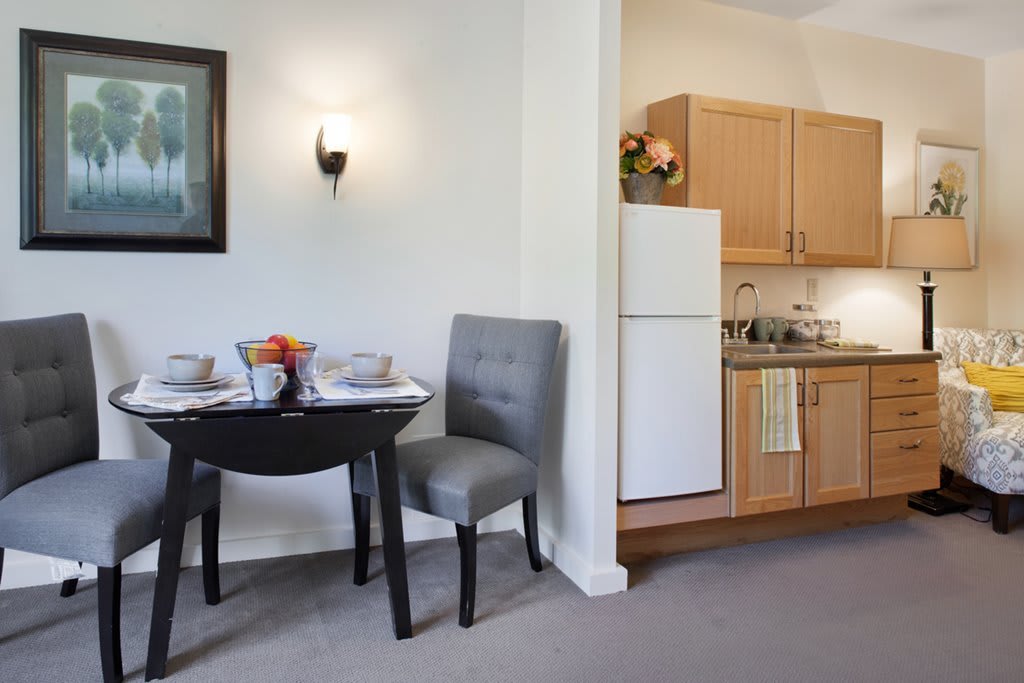
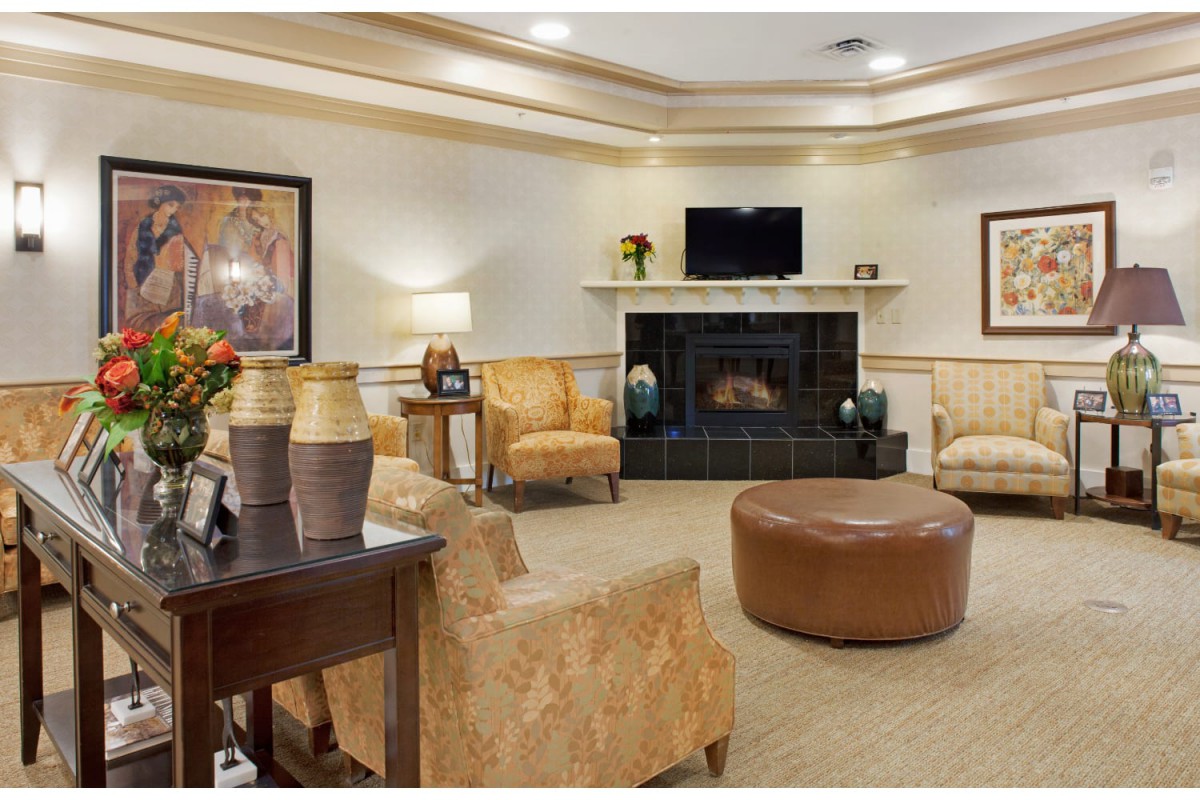
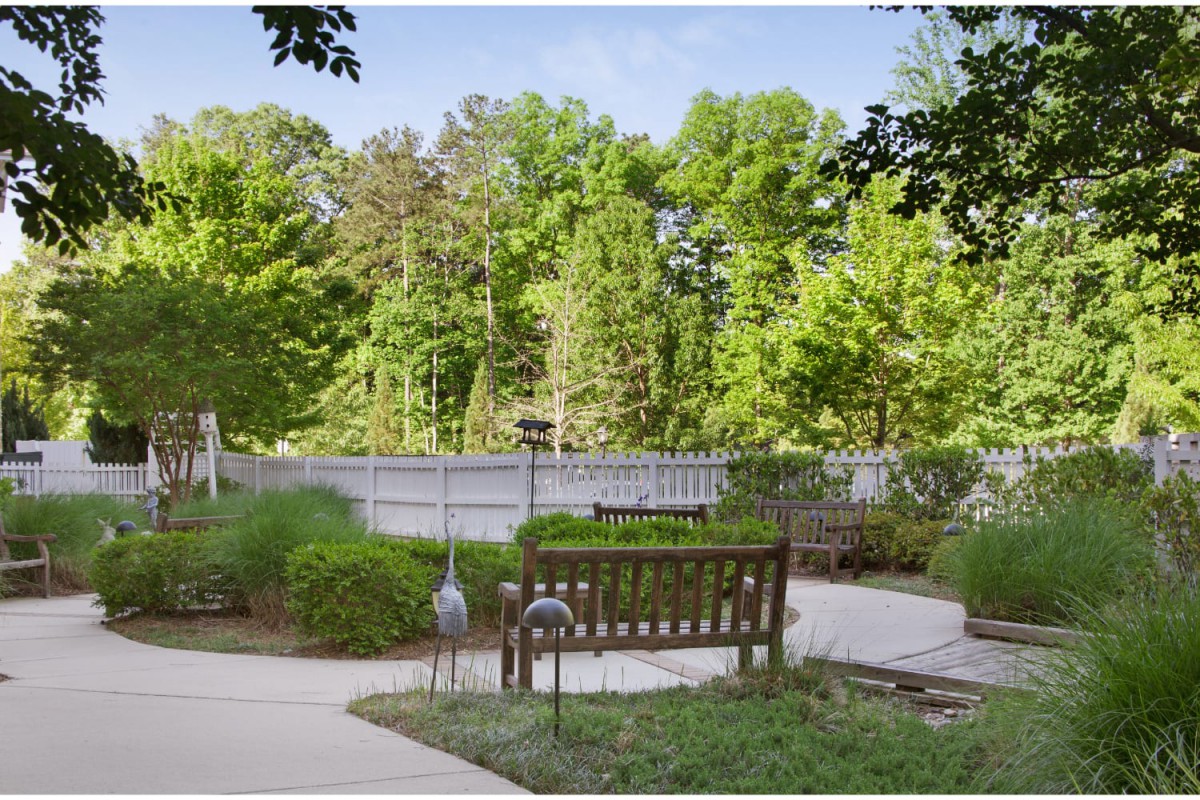
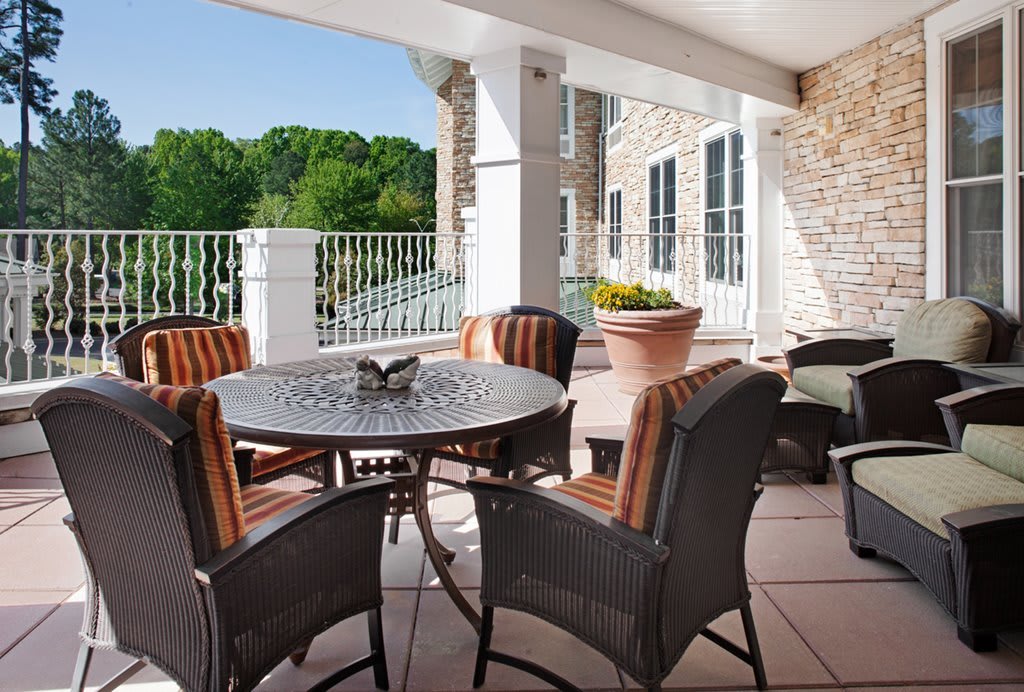
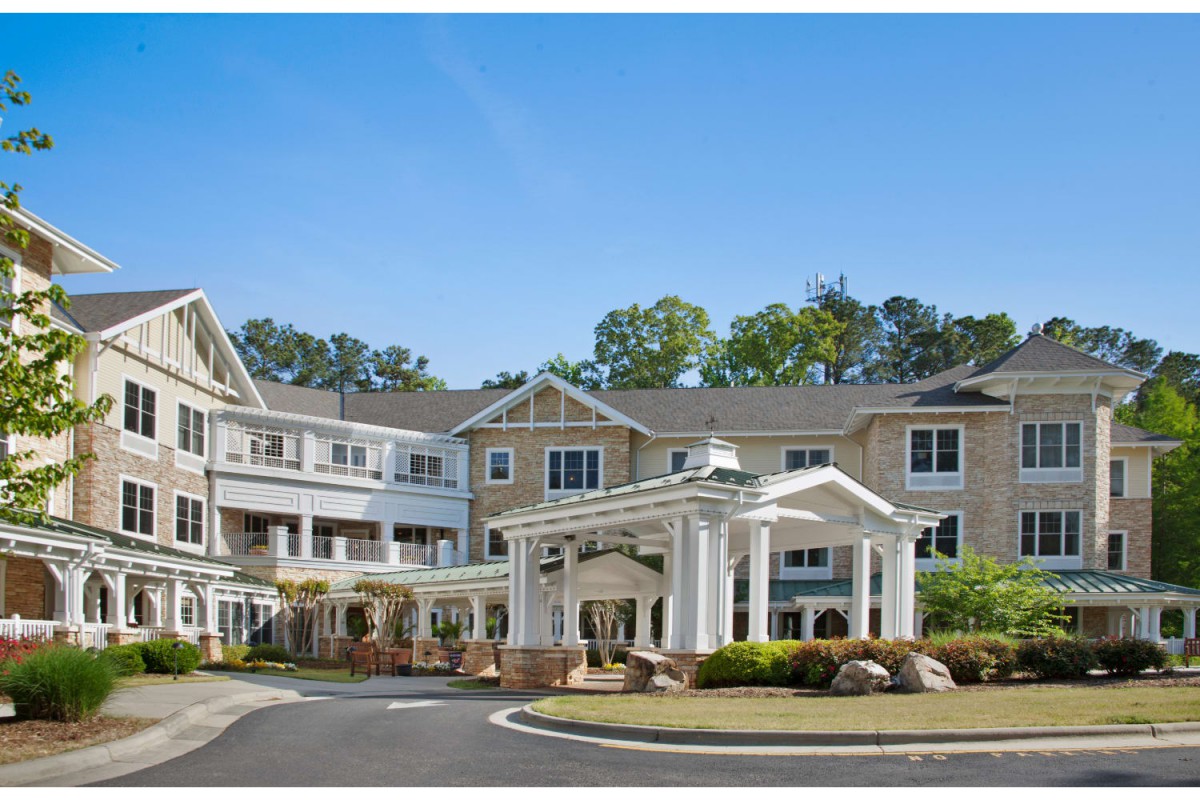
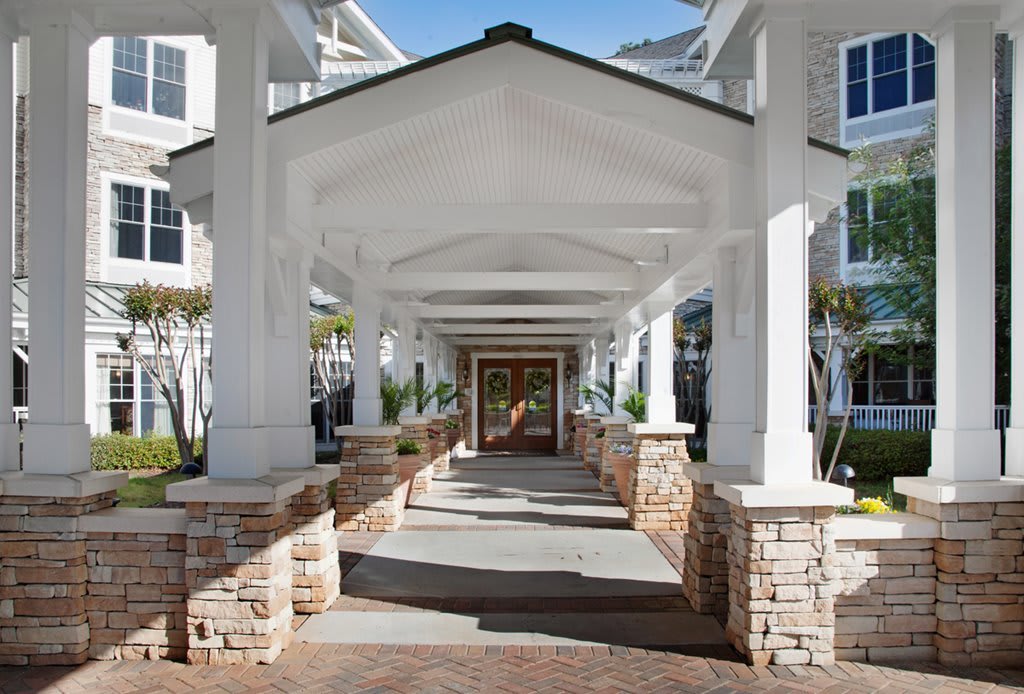
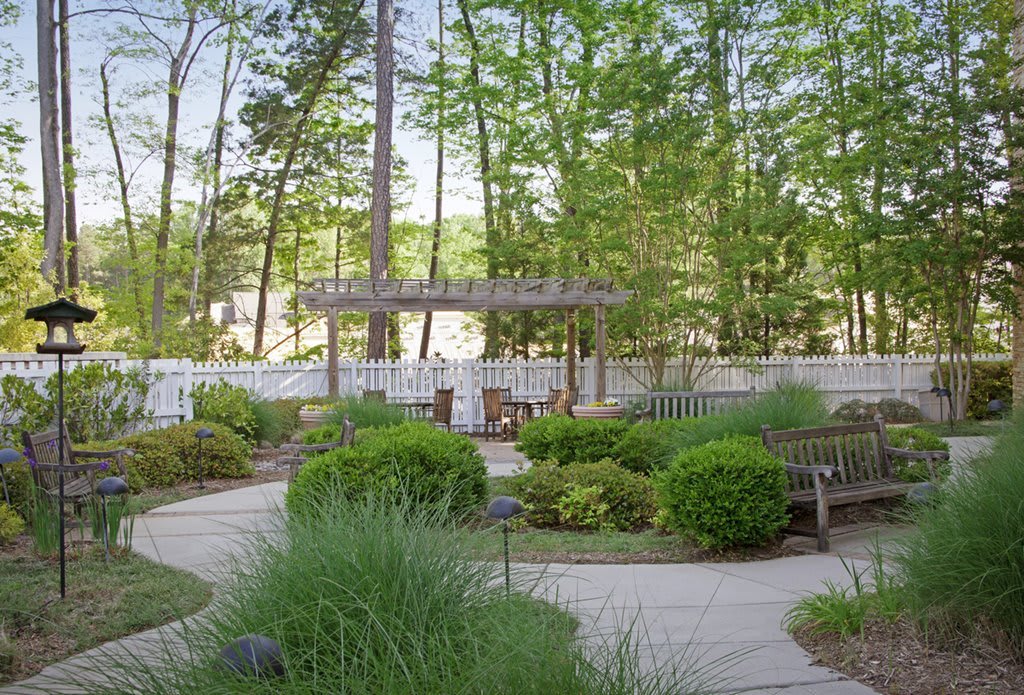
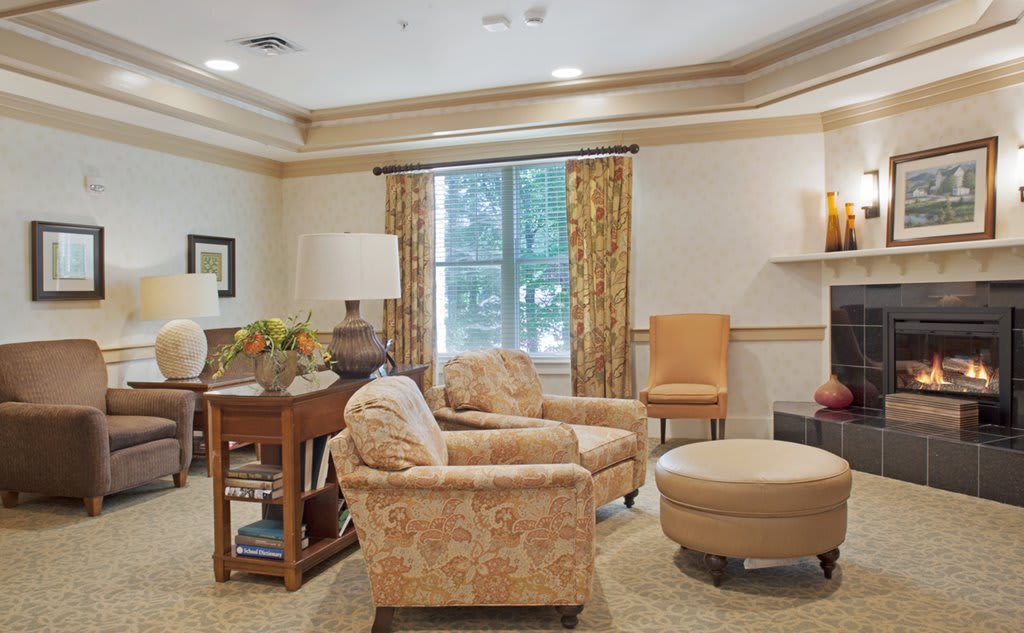
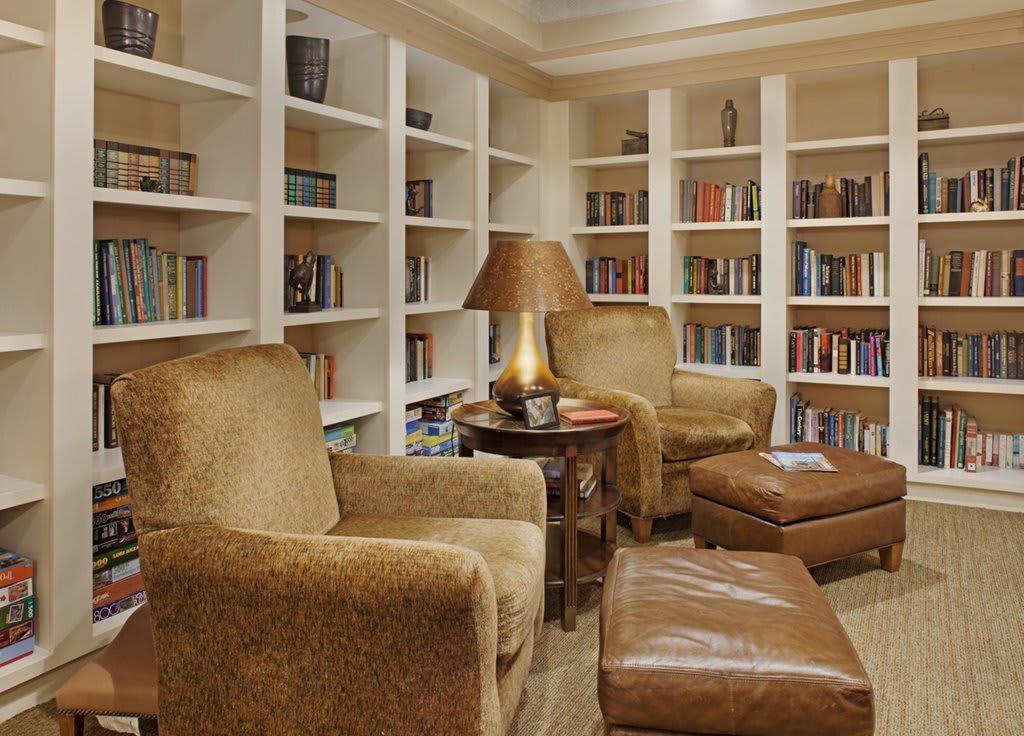
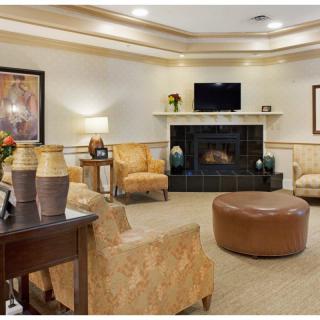
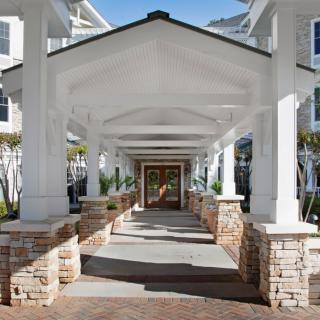
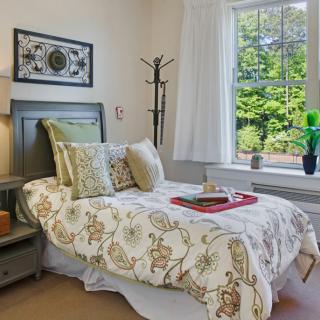
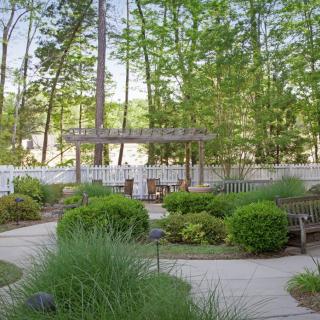
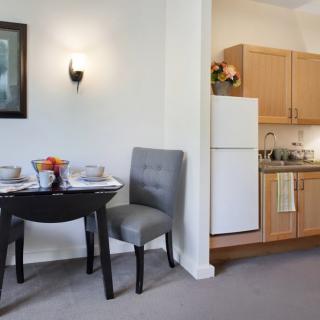
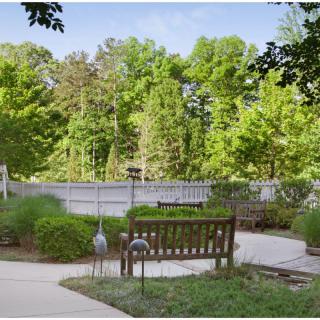
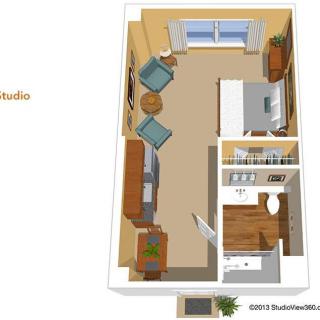
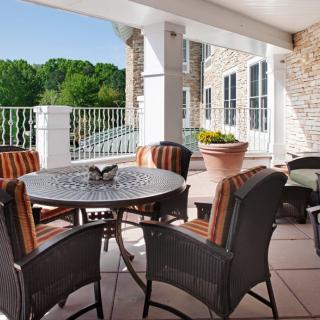
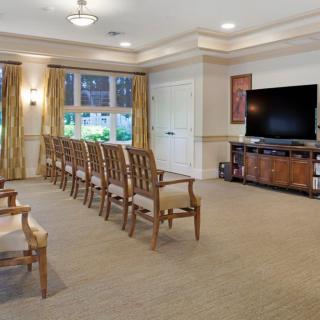
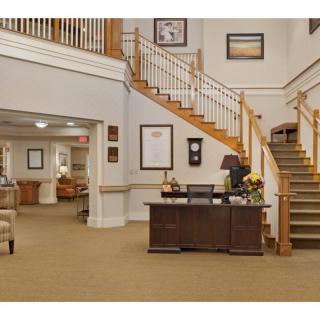
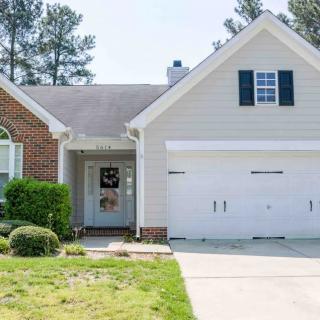
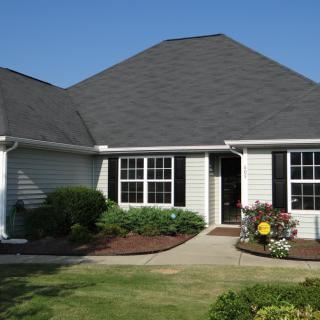
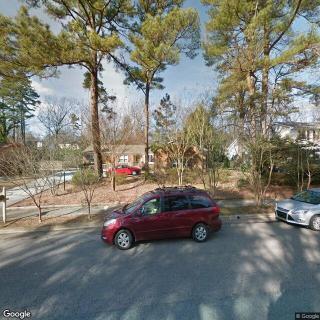
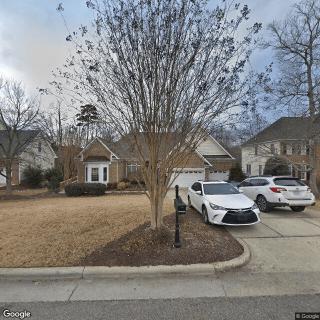
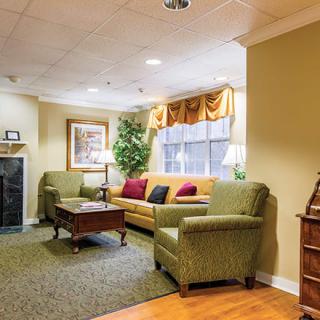
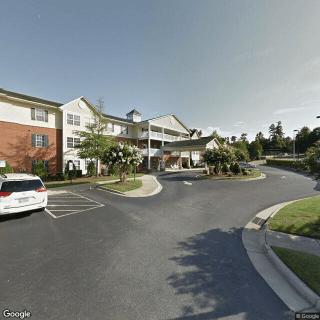
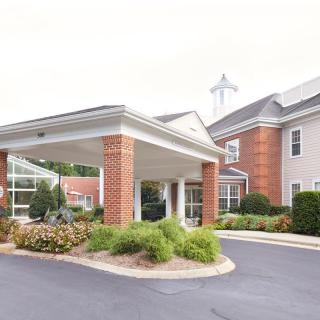
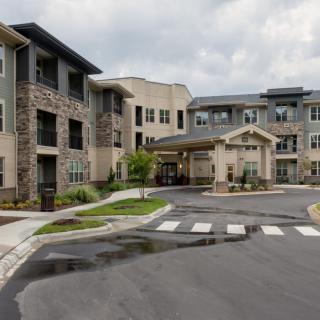
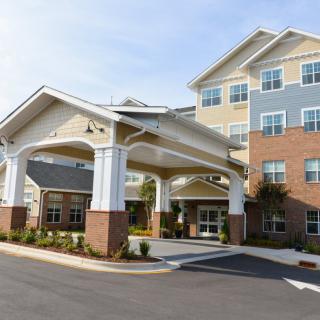
Sunrise Of Cary on seniors.fyi includes 18 photos including images showing floor plan, interior, landscaping, decor, bedroom, outdoors, architecture, windows, and more.
Nearby Communities
Agape House Stonehollow
Cary, NC
3 from 6 reviews
Small, homelike setting with personalized care and extensive daily living support.
Sears Farm North
Cary, NC
3.4 from 5 reviews
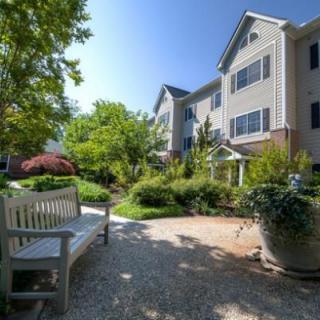
Intimate setting with on-site meal prep and medication management, plus nearby dining, pharmacies, parks, and worship.
Glenaire
Cary, NC
4.7 from 49 reviews
Excellent staff, broad continuum of care, and abundant on-site amenities.
Azalea Gardens
Cary, NC
Easy access to amenities and nearby healthcare; natural surroundings.
Homewatch CareGivers
Cary, NC
4.7 from 48 reviews
Convenient access to nearby amenities and healthcare.
Weatherstone Spring
Cary, NC
4.8 from 6 reviews
Peaceful, nature-surrounded setting with compassionate staff and nearby amenities.
Woodland Terrace
Cary, NC
4.5 from 149 reviews
Friendly, attentive staff and a welcoming, active community with on-site amenities.
The Reserve at Mills Farm
Apex, NC
4.4 from 143 reviews
$3,770 to $5,800 / month
Modern, attractive facility with spacious apartments and on-site services; active programs and friendly staff.
Stoneridge Gracious Retirement Living
Cary, NC
4.5 from 133 reviews
Caring, personable staff with a wide range of activities and high-quality meals in a bright, welcoming setting.
"Memory Care Pathways: A Holistic Guide to Dementia Support" outlines the complexities of dementia and its various types, emphasizing early detection, patient-centered care strategies, caregiver support, and long-term care options while addressing legal and financial considerations to enhance the quality of life for individuals with dementia and their families.
Sundown syndrome, or sundowning, is a phenomenon in dementia patients characterized by increased confusion and agitation during late afternoon and evening, influenced by factors like disrupted circadian rhythms and fatigue. Effective caregiver strategies include establishing routines and managing environmental light while addressing caregiver stress through support services.
Delirium is a rapidly onset, reversible cognitive disturbance often caused by acute medical issues, while dementia is a gradual and irreversible decline due to chronic neurodegenerative diseases. Accurate differentiation between the two is essential for appropriate treatment and management in older adults.
Patio, Outdoor Seating, Balcony, and Table And Chairs
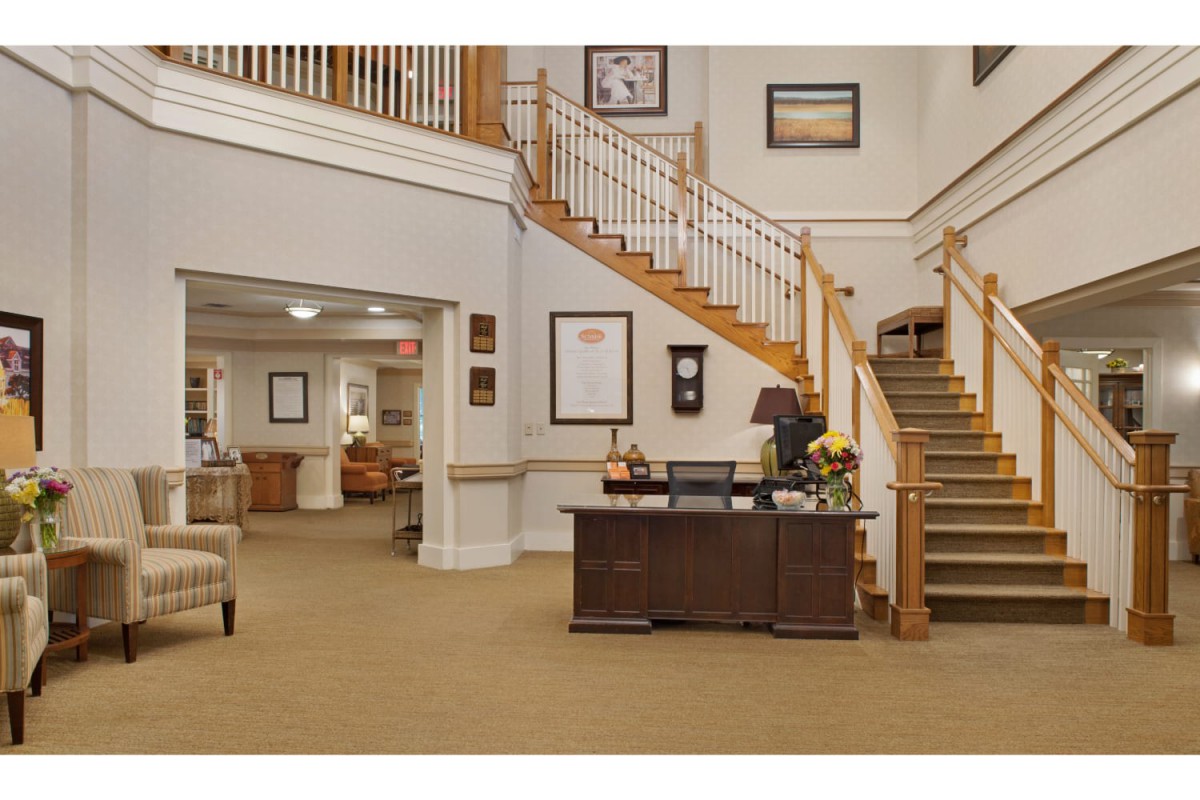
Lobby, Waiting Area, Reception Area, and Staircase
Nature and Park
Studio Apartment
Lights and Meeting Room
Home Design
Get PricingAsk A QuestionSchedule A TourContact Senior Advisor
By clicking submit, you agree to our Partner's Terms of Use. You
also consent to receive calls and texts, which may be autodialed, from our Partner. Your consent is not a condition to
using our Partner's service. Please visit our Partner's Privacy Policy for information about their privacy practices.

 85 resident community capacity
 Assisted Living
 Memory Care
 Cats allowed
 Dogs allowed
 Activities off-site
 Air-conditioning
 Beautician on-site
 Cable or satellite TV
 Computer center
 Devotional services off-site
 Dining room
 Fitness room
 Fully furnished
 Gaming room
 Garden
 Ground floor units
 Housekeeping services
 Indoor common areas
 Kitchenette
 Located close to restaurants
 Located close to shopping centers
 Move-in coordination
 Outdoor common areas
 Outdoor patio
 Private bathrooms
 Respite or short term stays offered
 Restaurant-style dining
 Small library
 Spa
Spa Telephone
 Wi-Fi/high-speed internet available
 Raleigh-Durham International (7 miles away)
 Community operated transportation
 12-16 hour nursing
 24-hour call system
 Accept incoming residents on hospice
 Administer insulin injections
 Assistance with bathing
 Assistance with dressing
 Assistance with transfers
 Care with behavioral issues
 Diabetes diet
 Incontinence care
 Medication management
 Mental wellness program
 Physical therapy
 Preventative health screenings
 Same day assessments
 Special dietary restrictions
 Transportation arrangement (medical)
 Art classes
 Concierge services
 Day trips and outings
 Educational speakers / life long learning
 Happy hour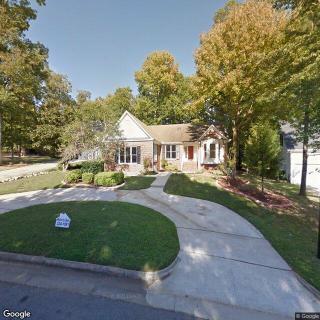
 Small, homelike setting with personalized care and extensive daily living support.
 Memory Care Pathways: A Holistic Guide to Dementia Support
 Comprehending Evening Confusion in Dementia: Causes, Manifestations, and Support
 Delirium and Dementia: Unraveling the Key Differences