Arbor Terrace of Asheville offers a range of pricing that reflects both its premium services and the local market dynamics. For studio apartments, residents can expect costs between $2,195 and $5,625 per month, which is notably competitive when compared to the average in Buncombe County at $4,734 and across North Carolina at approximately $4,020. However, for one-bedroom units, Arbor Terrace stands out with a monthly rate of $6,990 - significantly higher than Buncombe County's average of $3,753 and North Carolina's figure of $4,055. This pricing structure suggests that while Arbor Terrace provides exceptional amenities and care tailored to its residents' needs, it might appeal more to those seeking luxurious living arrangements in Asheville.
Floor plans
Arbor Terrace Of Asheville
Buncombe County
North Carolina
Studio
$2,195 to $5,625
$4,734
$4,020
1 Bedroom
$6,990
$3,753
$4,055
Memory care communities with a similar price nearby
Memory care receives consistent praise for day-to-day support and dementia-focused attention.
Multiple residents’ families describe the Evergreen/memory care experience as structured and hands-on, especially around bathing, dressing, getting out of bed, and staying engaged in activities. Reviewers also mention staff working patiently with behaviors related to dementia and helping residents participate even when they start out resistant. This focus aligns with the community offering specialized memory care programming and dementia-related care options, including medication and meal support.
common26 reviews mention this
Staff warmth and responsiveness
Residents and families consistently describe staff who are kind, attentive, and easy to reach.
Across reviews, families repeatedly describe staff as welcoming, friendly, and compassionate, with many noting that team members know residents by name. Several people also mention feeling supported with the transition into assisted living or memory care, including follow-up and communication with families. Residents’ day-to-day experience is described as calmer and more settled because staff handle the routine details and offer encouragement rather than reacting with frustration.
common8 reviews mention this
Dining quality gets frequent praise
Dining is frequently praised for quality, variety, and accommodating resident preferences.
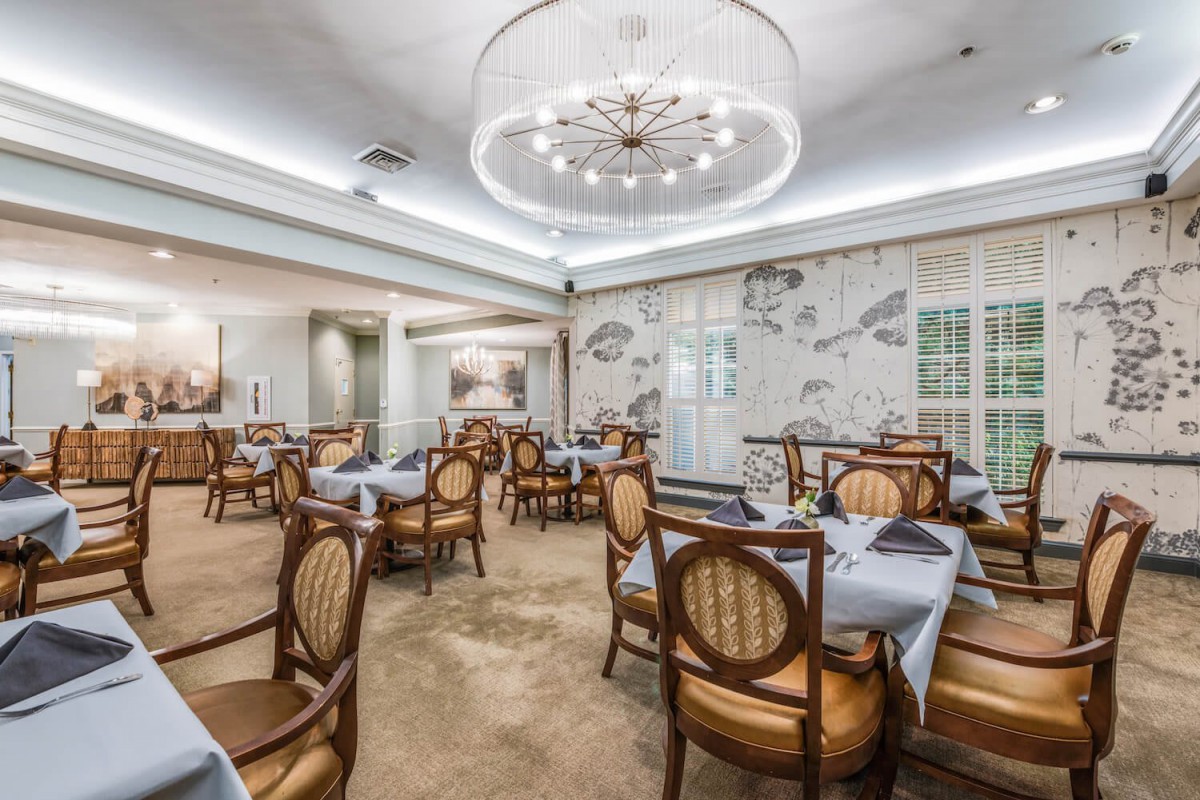
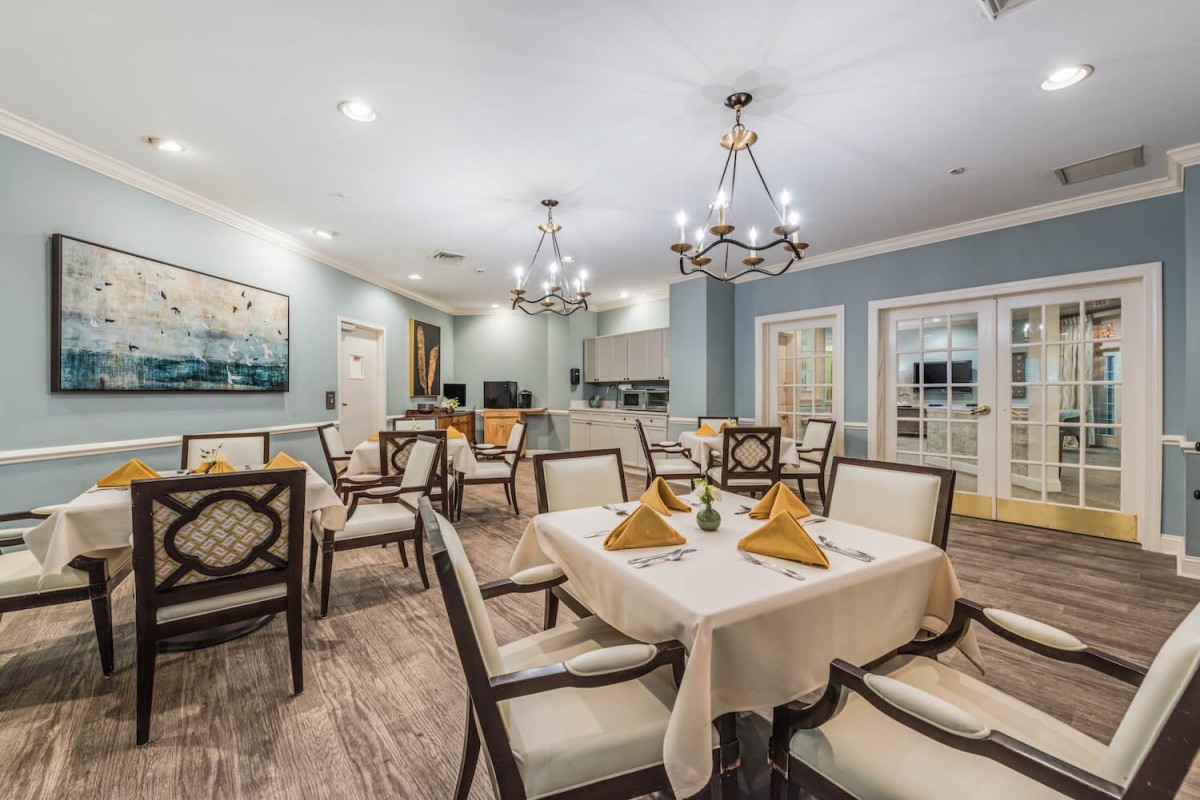
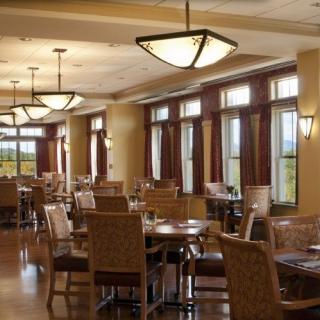
Reviews commonly mention meals and snacks as a highlight, with families describing the food as excellent and noting they don’t hear complaints about meals. Some residents’ experiences include food choices tailored to individual needs, and reviewers mention nutrition-focused options. This matches the community’s restaurant-style dining approach and its support for special dietary restrictions and alternative diets like vegan and vegetarian.
common20 reviews mention this
Facility feels clean and homey
Families describe a clean, bright setting with a home-like feel.
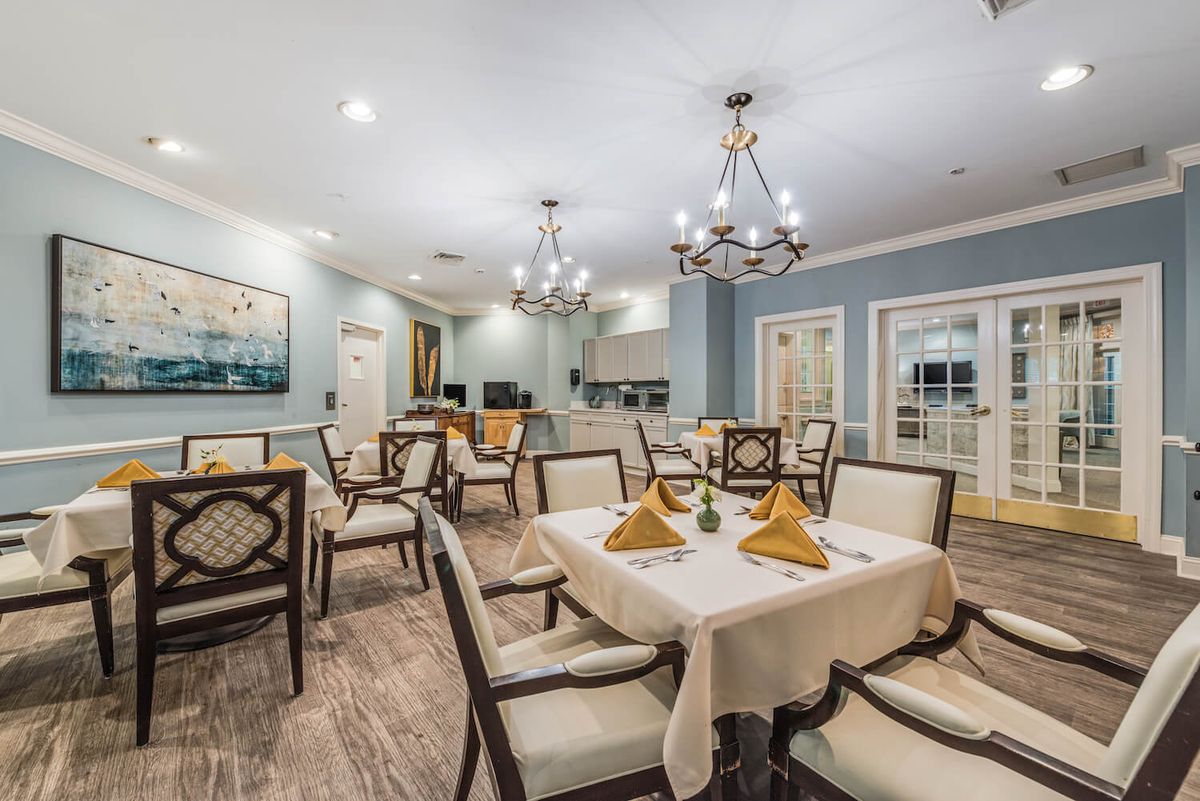
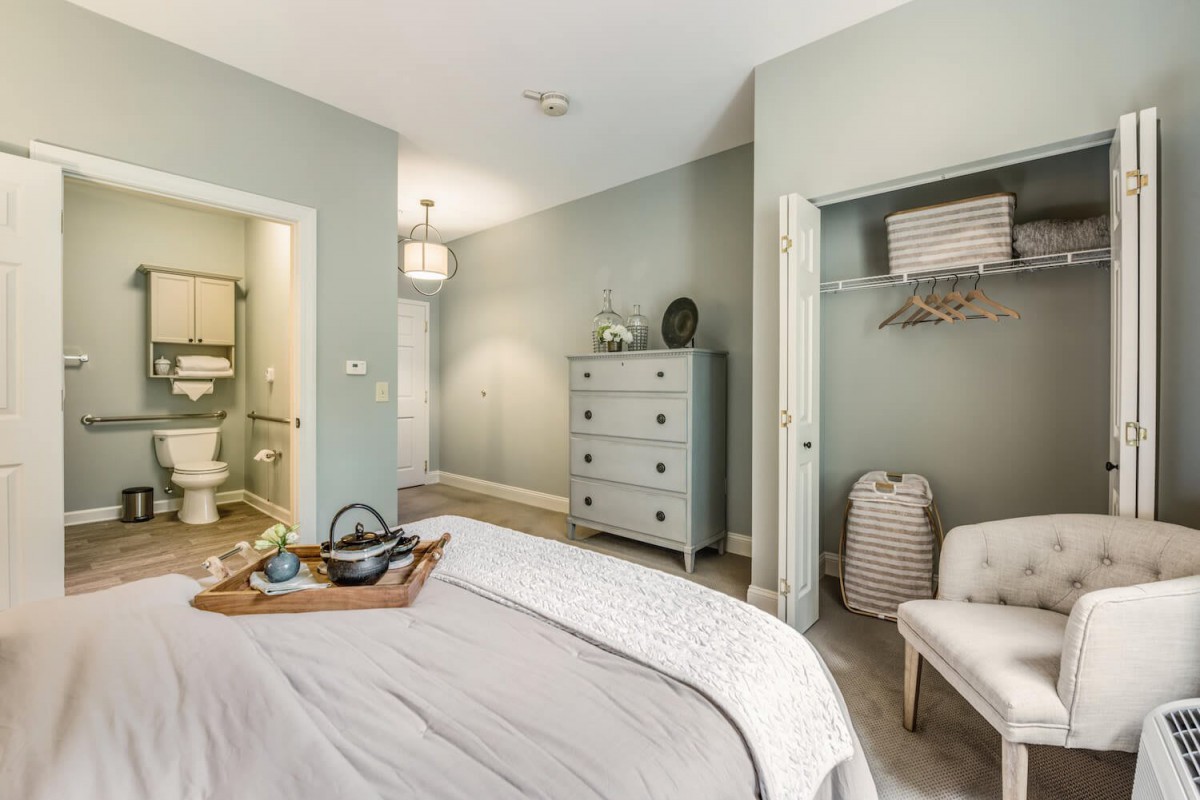
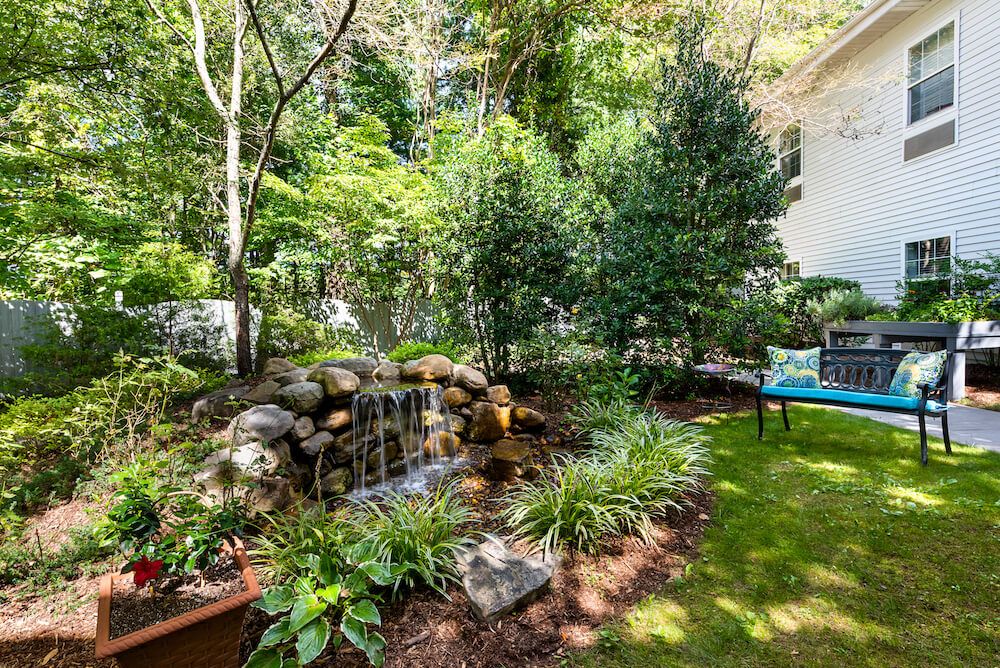
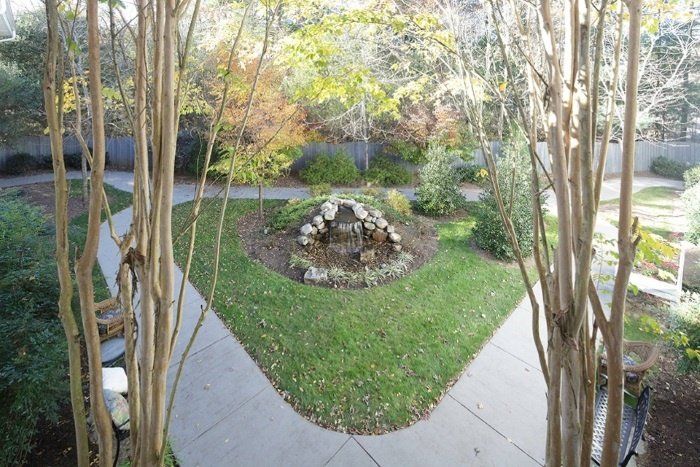
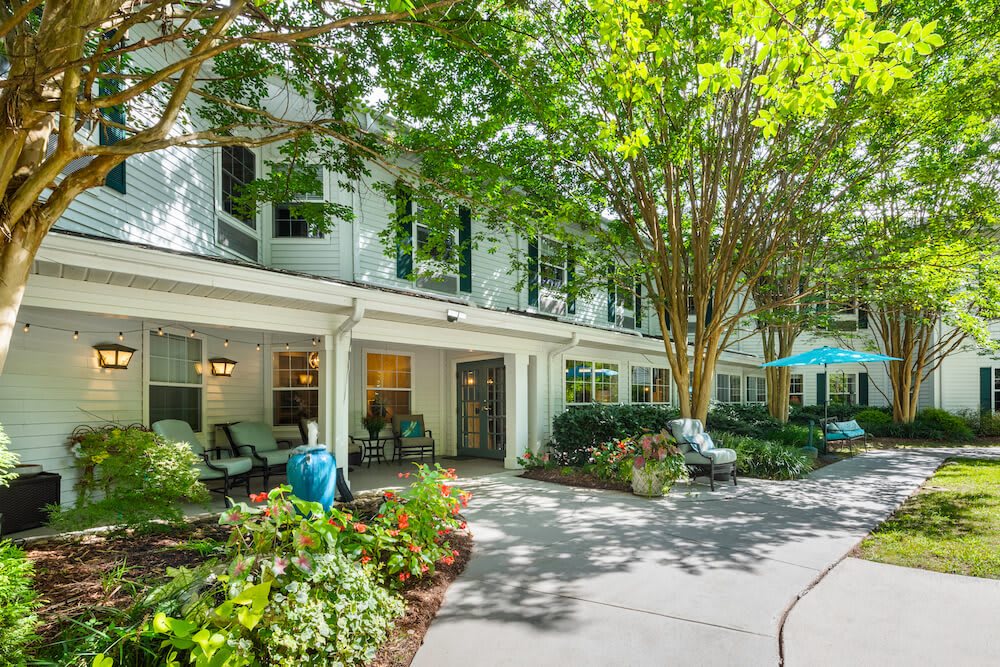
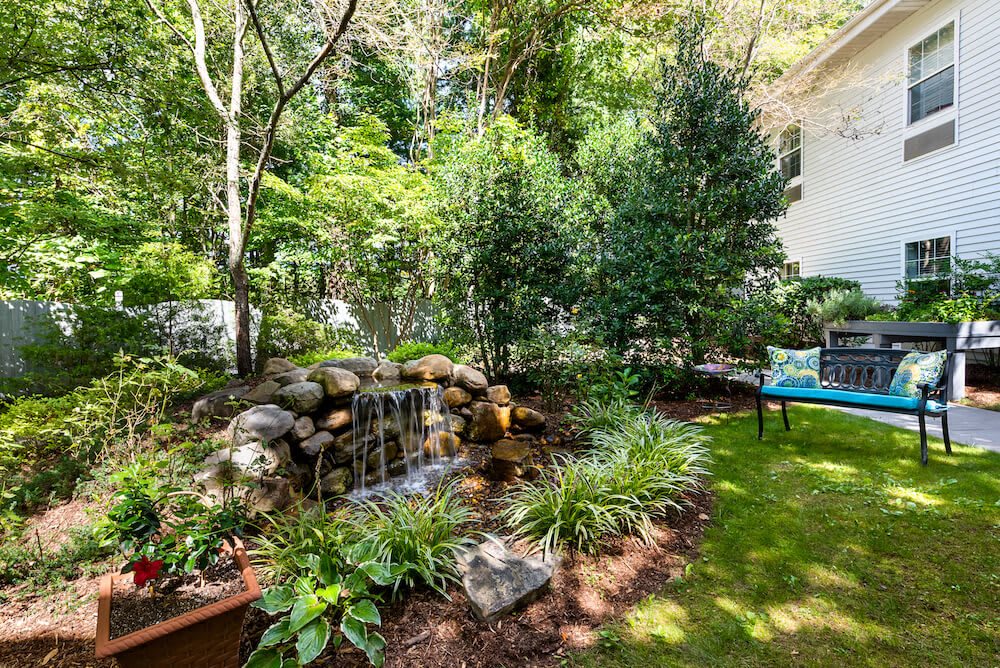
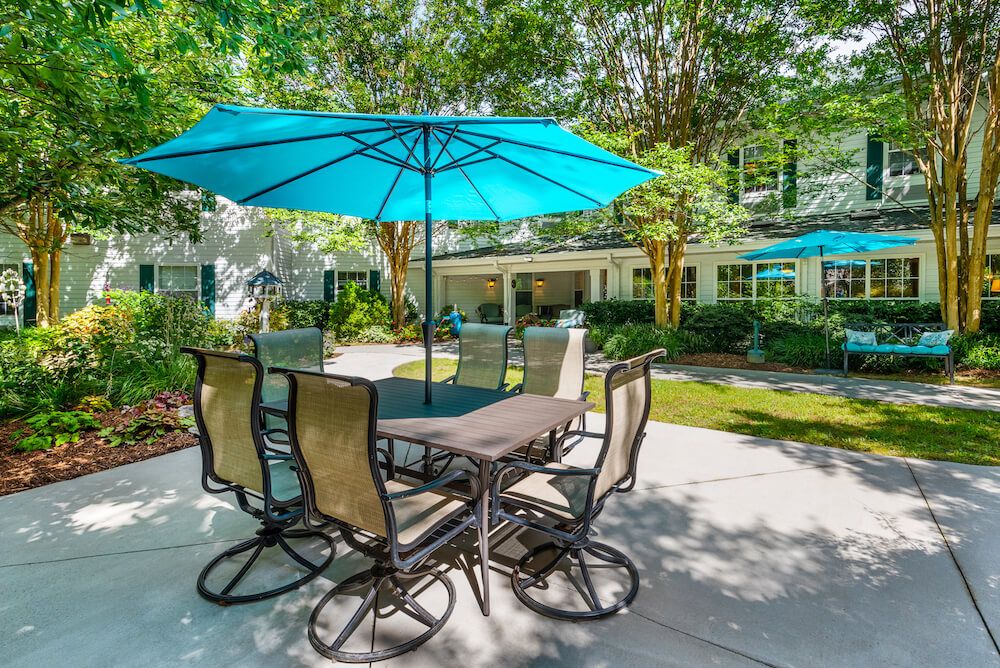
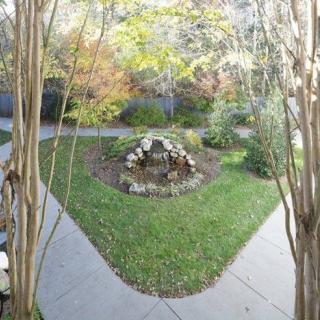
Many reviewers point to the physical environment as clean and well kept, with rooms described as comfortable and bright and common areas as maintained. Several also highlight a warm, home-like atmosphere rather than something that feels institutional, including gardens and outdoor space. Reviewers connect that atmosphere to how residents appear to settle in and enjoy activities and everyday time indoors and outside.
caveat4 reviews mention this
Cost comes up as a drawback
Pricing is described as expensive, especially for longer or uncertain care needs.
Some reviewers say the community costs more than they planned, including comments that the monthly cost can outpace what they choose to pay when the duration of needs is unclear. Others describe it as pricier than expected and note the higher cost at least in part relates to care level tiers and overall pricing. Even when families are impressed, they still flag expense as a barrier.
How we summarize
Counts show how many written reviews mention each theme; a review can touch several themes, and only frequently mentioned themes are displayed.
Features
Housing
70 resident community capacity
Studio apartments
Types of Care
Assisted Living
Memory Care
Amenities
Activities off-site
Activities on-site
Air-conditioning
Bath tubs
Beautician on-site
Beauty salon
Cable or satellite TV
Computer center
Devotional services off-site
Devotional services on-site
Dining room
Financing advice
Fitness room
Fully furnished
Gaming room
Garden
Ground floor units
Handicap accessible
Housekeeping services
Indoor common areas
Kitchenette
Laundry
Move-in coordination
Outdoor common areas
Outdoor space
Private bathrooms
Restaurant-style dining
Small library
Telephone
Wellness center
Wheelchair accessible showers
Wi-Fi/high-speed internet available
Transportation
Asheville Regional (5 miles away)
Community operated transportation
Transportation & parking
Transportation arrangement
Transportation arrangement (non-medical)
Transportation to doctors appointments
Care Services
12-16 hour nursing
24-hour call system
24-hour supervision
Activities of daily living assistance
Ambulatory care
Assistance with bathing
Assistance with dressing
Assistance with transfers
Coordination with health care providers
Dementia waiver
Diabetes diet
Diabetic care
Hospice waiver
Incontinence care
Meal preparation and service
Medication management
Mental wellness program
Mild cognitive impairment
Special dietary restrictions
Specialized memory care programming
Transportation arrangement (medical)
Transportation to doctors appointments
Dining
Diabetes diet
Guest meals
Low / no sodium
Meals provided
No Sugar
Restaurant style dining
Room service
Special dietary restrictions
Special dining programs
Vegan
Vegetarian
Activities
Activities off-site
Community-sponsored activities
Concierge services
Cooking classes
Day trips and outings
Devotional activities offsite
Devotional activities on-site
Educational speakers / life long learning
Fitness programs
Live dance or theater performances
Live musical performances
Live well programs
Planned day trips
Resident-run activities
Scheduled daily activities
Stretching classes
Tai Chi
Yoga / chair yoga
Languages Spoken
English
Nearby Places of Interest
This part of Asheville, North Carolina, offers a convenient and accessible location for senior living. With several pharmacies, restaurants, theaters, physicians' offices, cafes, parks, hospitals, places of worship, and transportation options nearby, residents can easily access essential services and amenities. The area provides a mix of healthcare facilities for various medical needs and a variety of dining options for different palates. Additionally, the proximity to parks and recreational areas like Lake Julian Park and the Blue Ridge Parkway offers opportunities for outdoor activities and relaxation. The presence of Asheville Regional Airport also allows for easy travel connections. Overall, this neighborhood provides a well-rounded community with essential resources for seniors looking to live comfortably in Asheville.
Arbor Terrace of Asheville offers a range of pricing that reflects both its premium services and the local market dynamics. For studio apartments, residents can expect costs between $2,195 and $5,625 per month, which is notably competitive when compared to the average in Buncombe County at $4,734 and across North Carolina at approximately $4,020. However, for one-bedroom units, Arbor Terrace stands out with a monthly rate of $6,990 - significantly higher than Buncombe County's average of $3,753 and North Carolina's figure of $4,055. This pricing structure suggests that while Arbor Terrace provides exceptional amenities and care tailored to its residents' needs, it might appeal more to those seeking luxurious living arrangements in Asheville.
Arbor Terrace of Asheville offers a comprehensive suite of features that are essential for residents experiencing dementia or Alzheimer's disease. The 24-hour supervision ensures that residents are always monitored and supported, while assistance with activities of daily living--including bathing, dressing, and transfers--promotes their dignity and independence in a safe environment. Coordination with health care providers facilitates timely medical interventions, and the dementia waiver allows for tailored services based on individual needs. Incontinence care and meal preparation ensure physical comfort and nutritional support. Medication management helps maintain adherence to prescribed treatments, while the mental wellness program addresses cognitive health through engaging activities. Specialized memory care programming caters specifically to the unique challenges faced by those with varying stages of cognitive impairment, complemented by transportation arrangements for essential medical appointments, ensuring that residents receive holistic support throughout their journey.
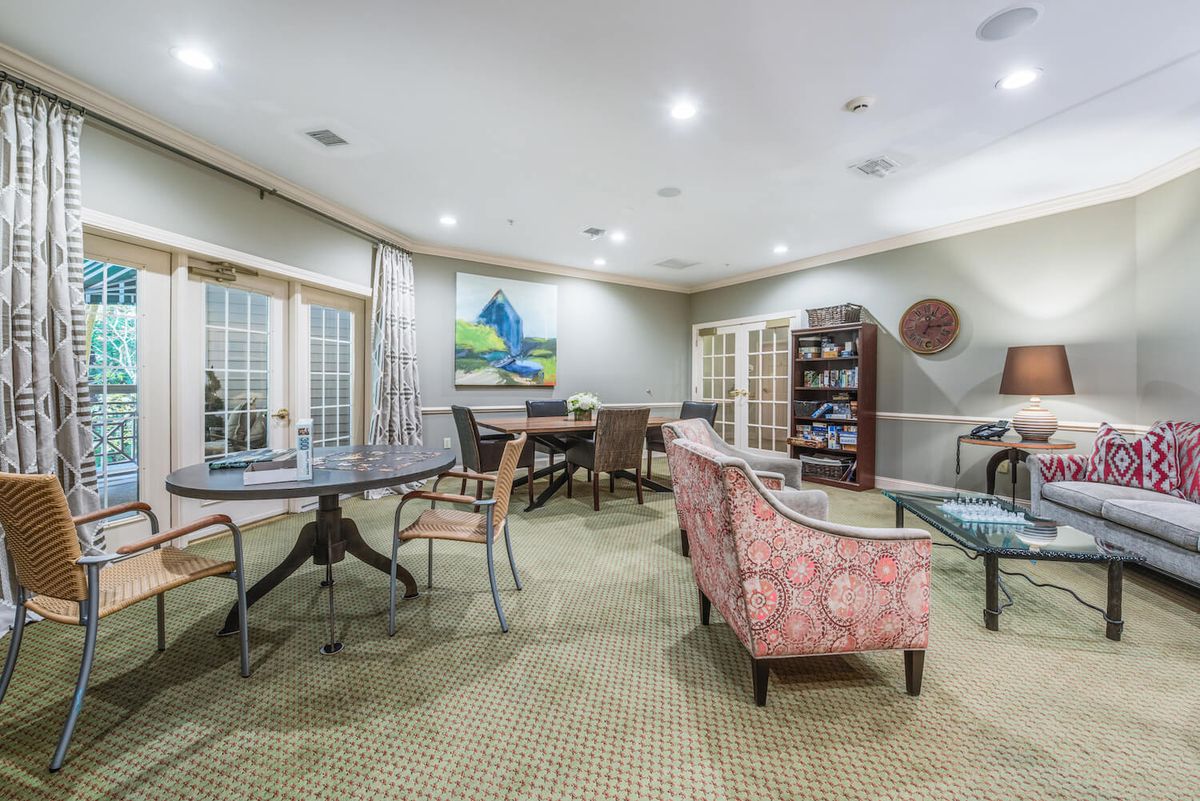
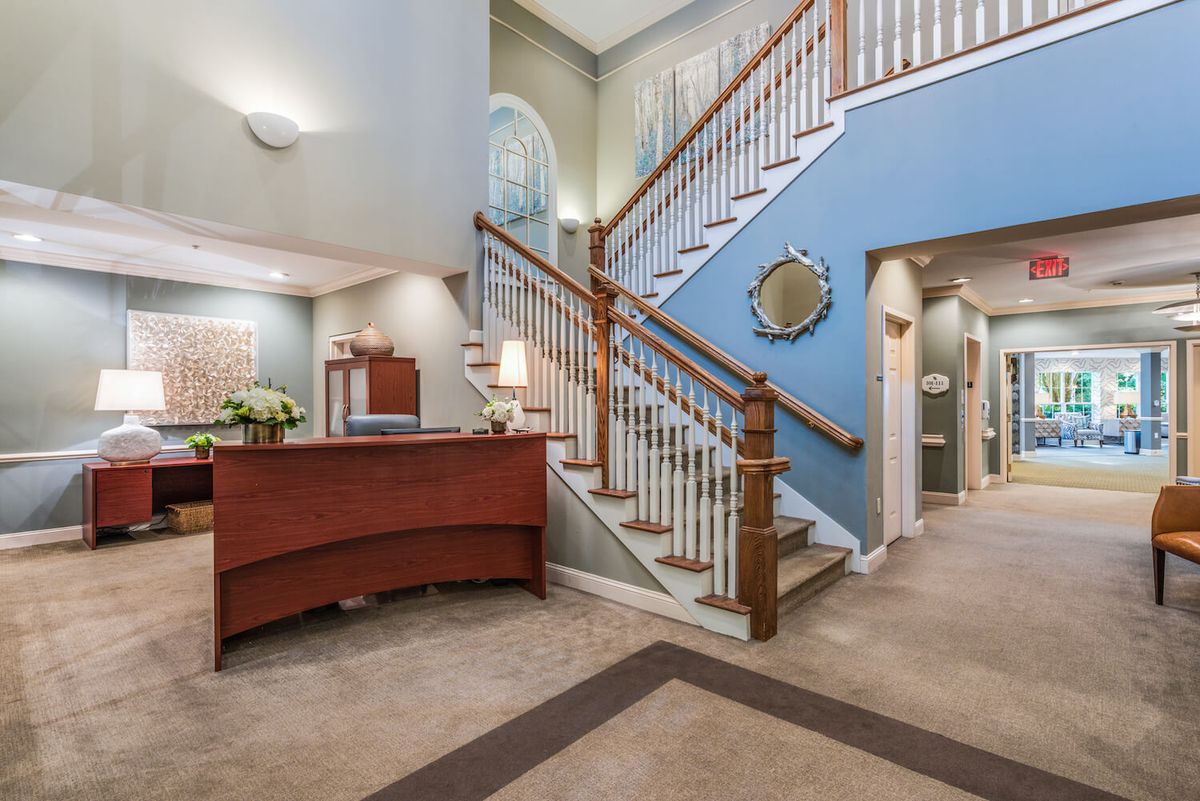
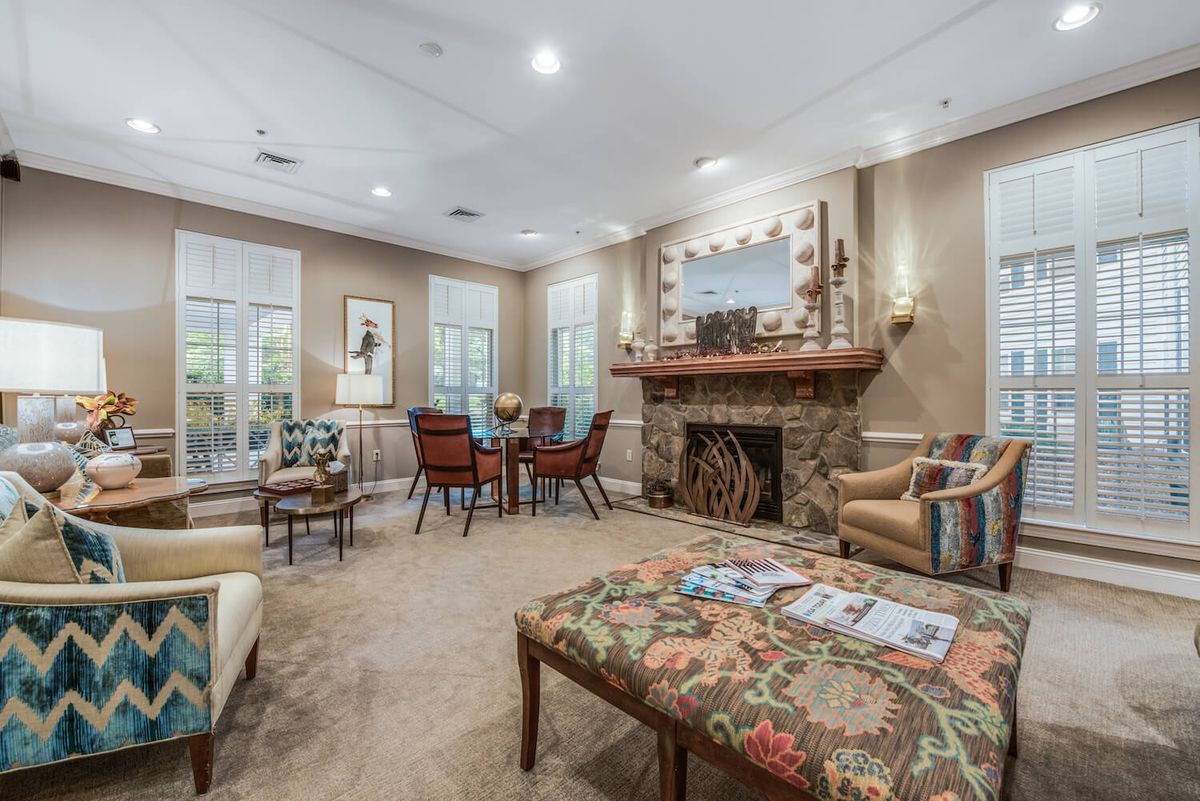
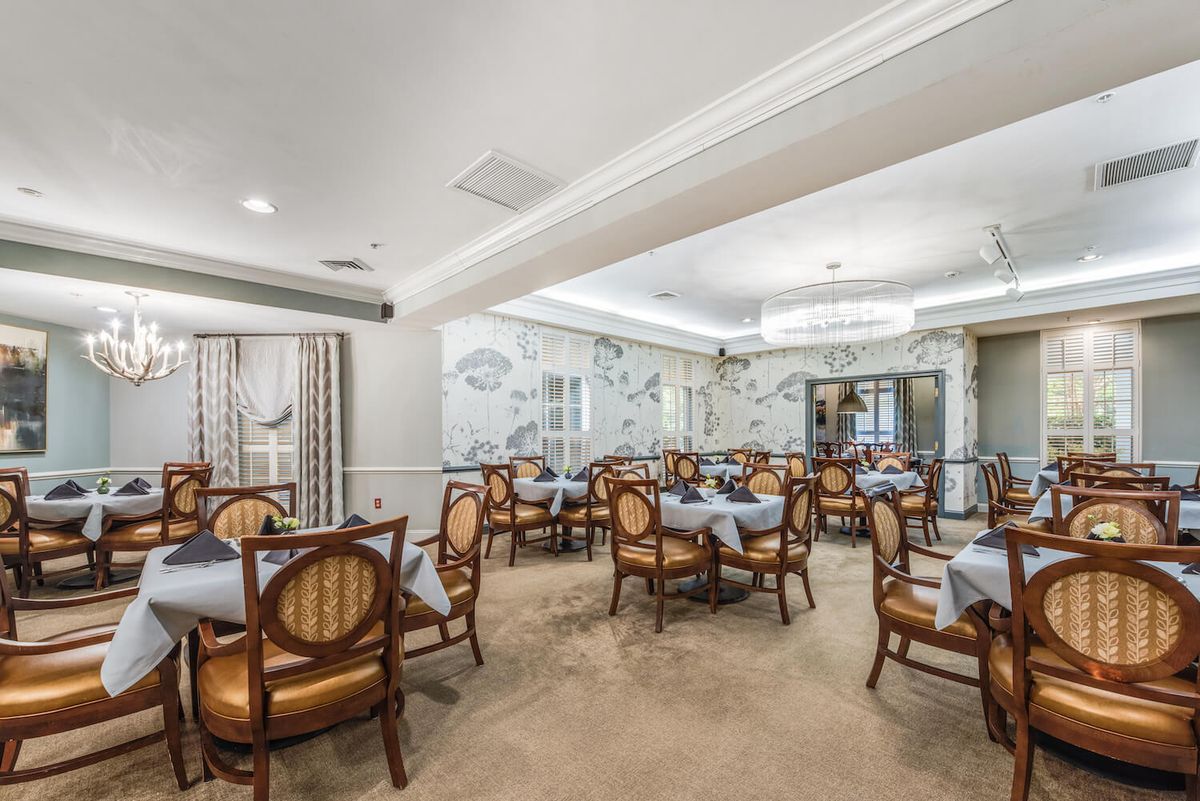
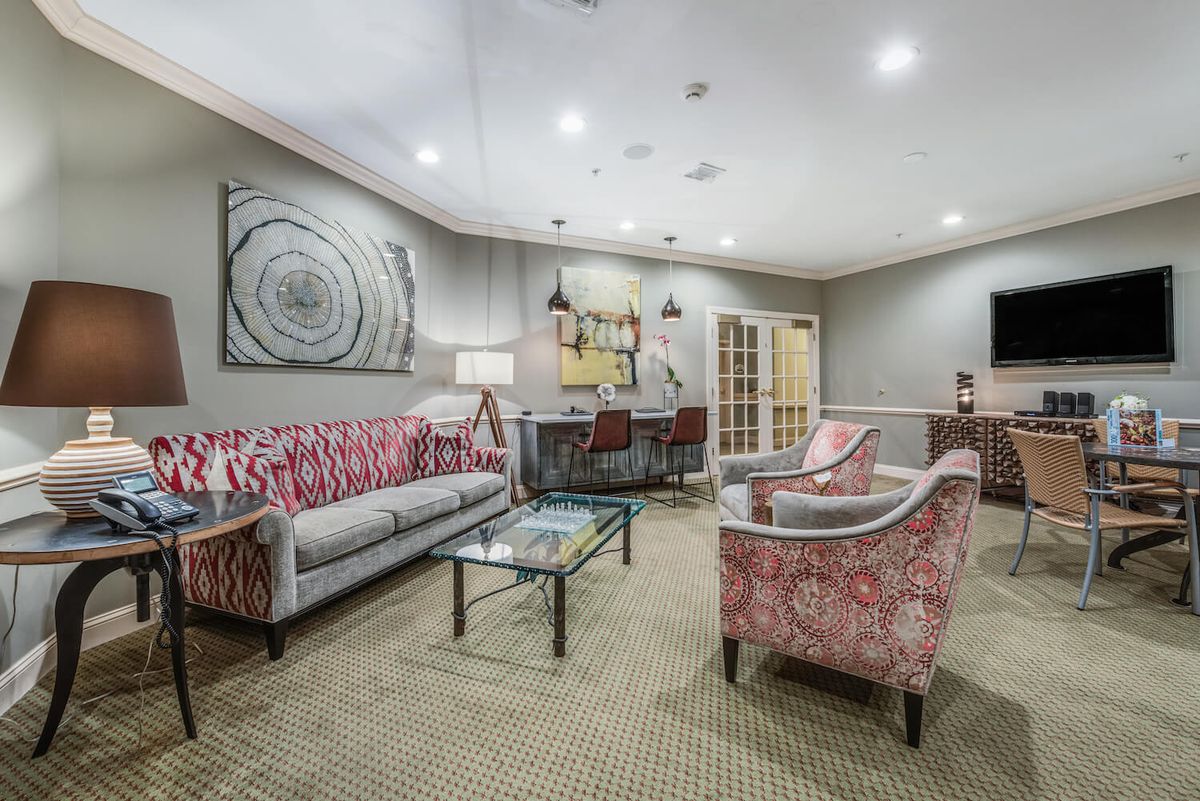
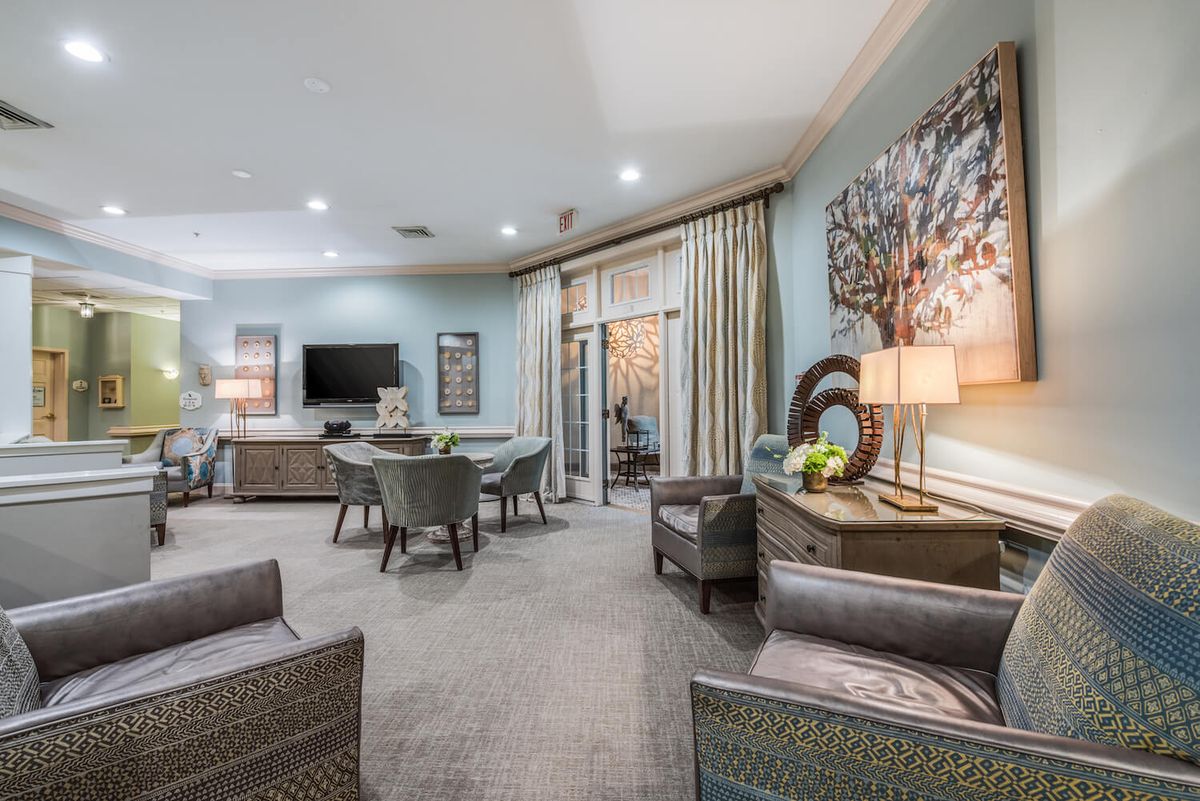
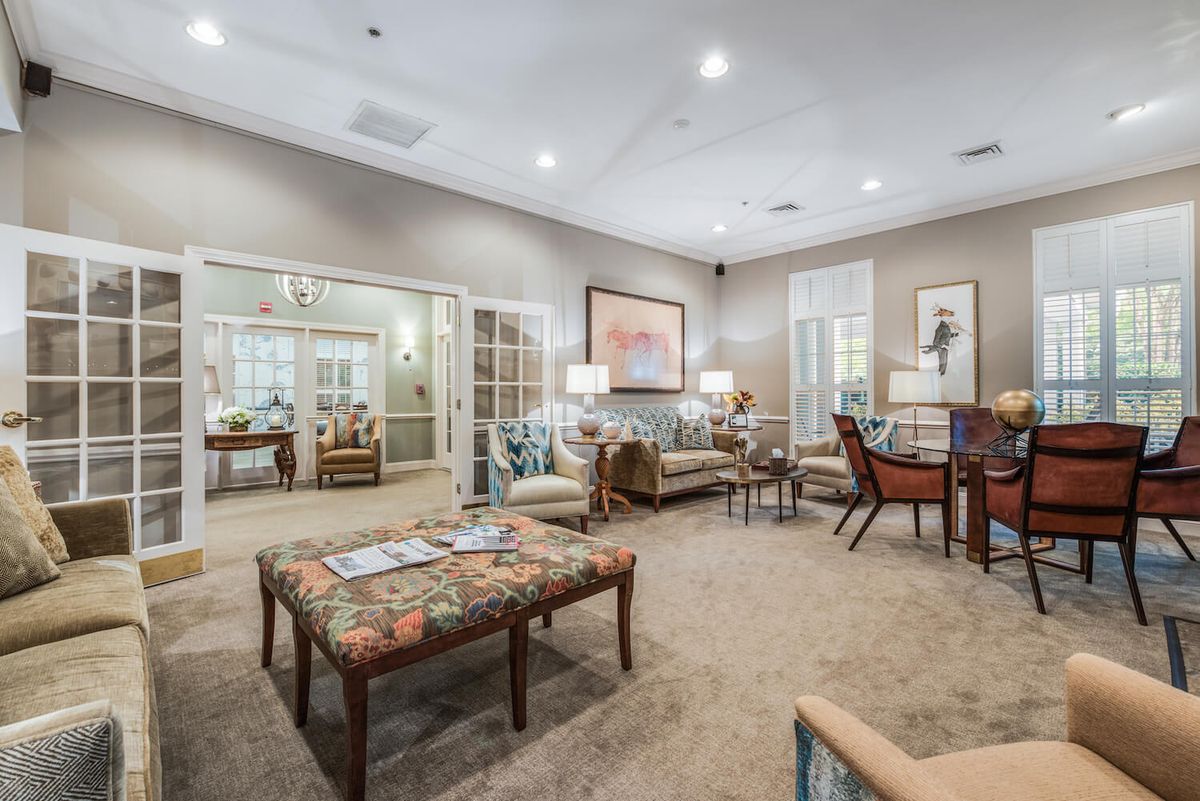
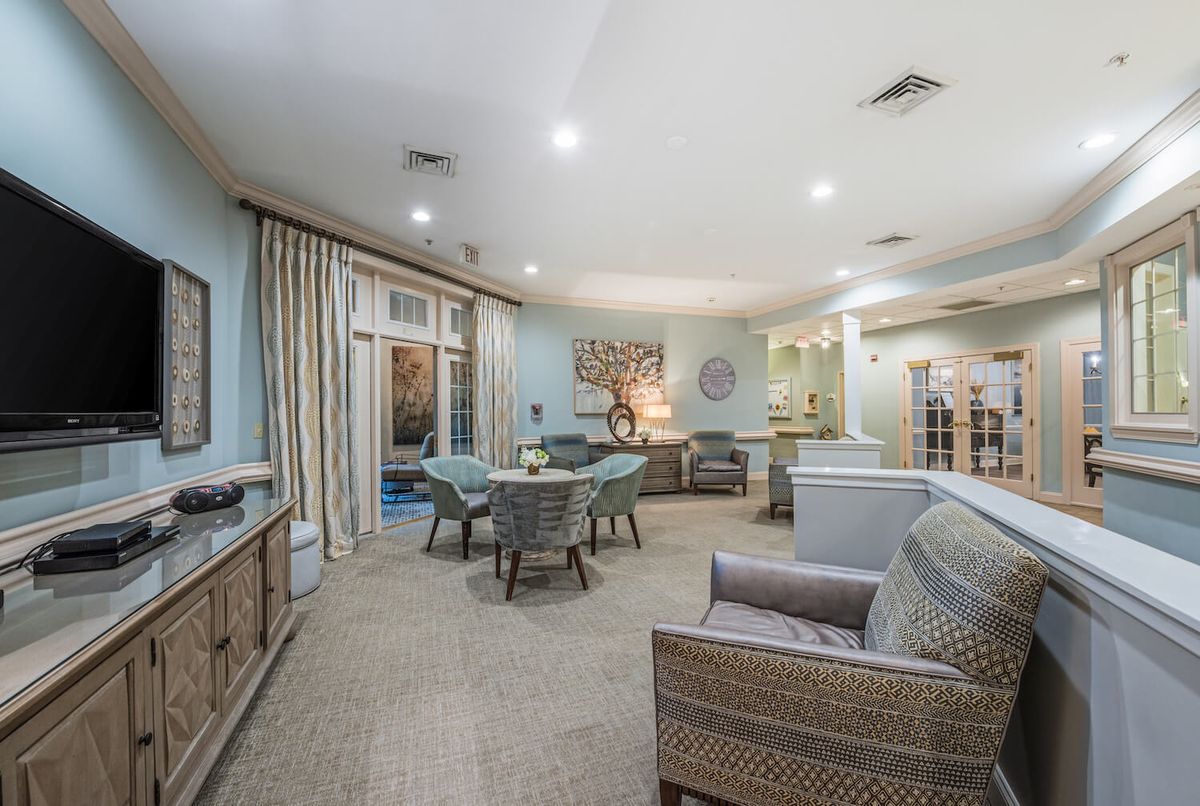
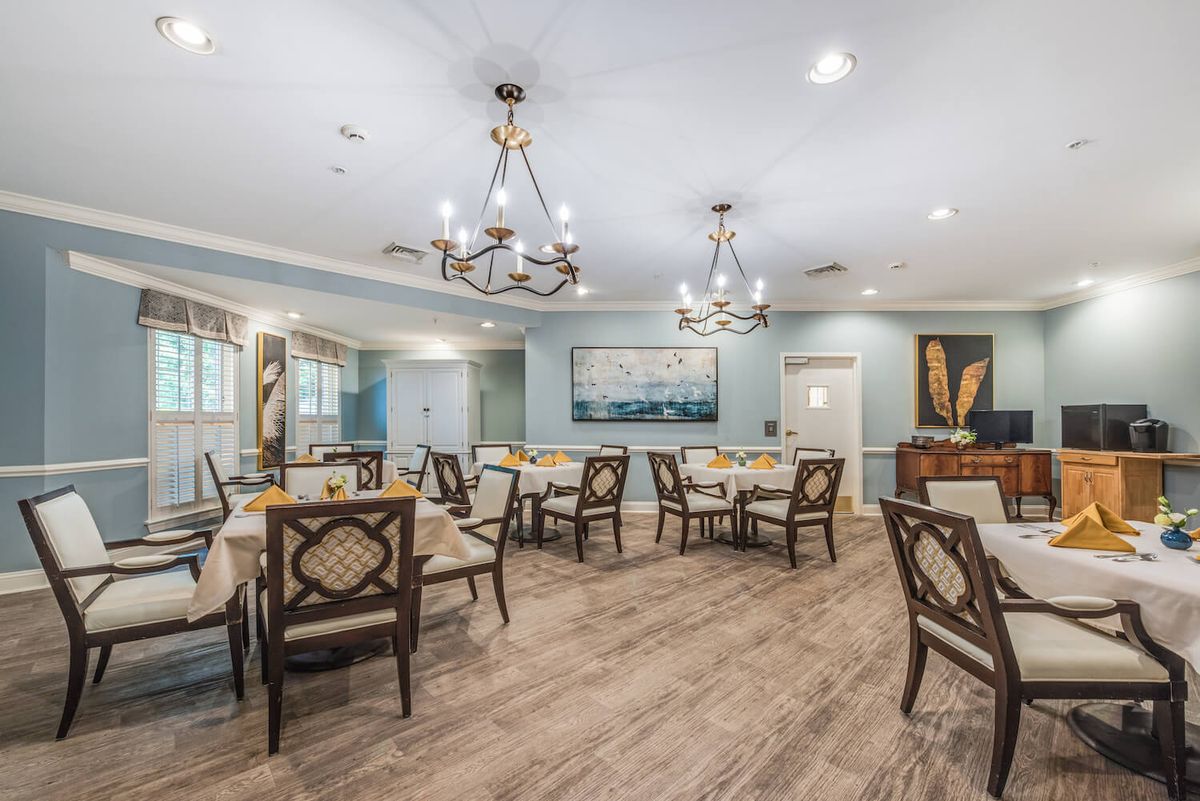
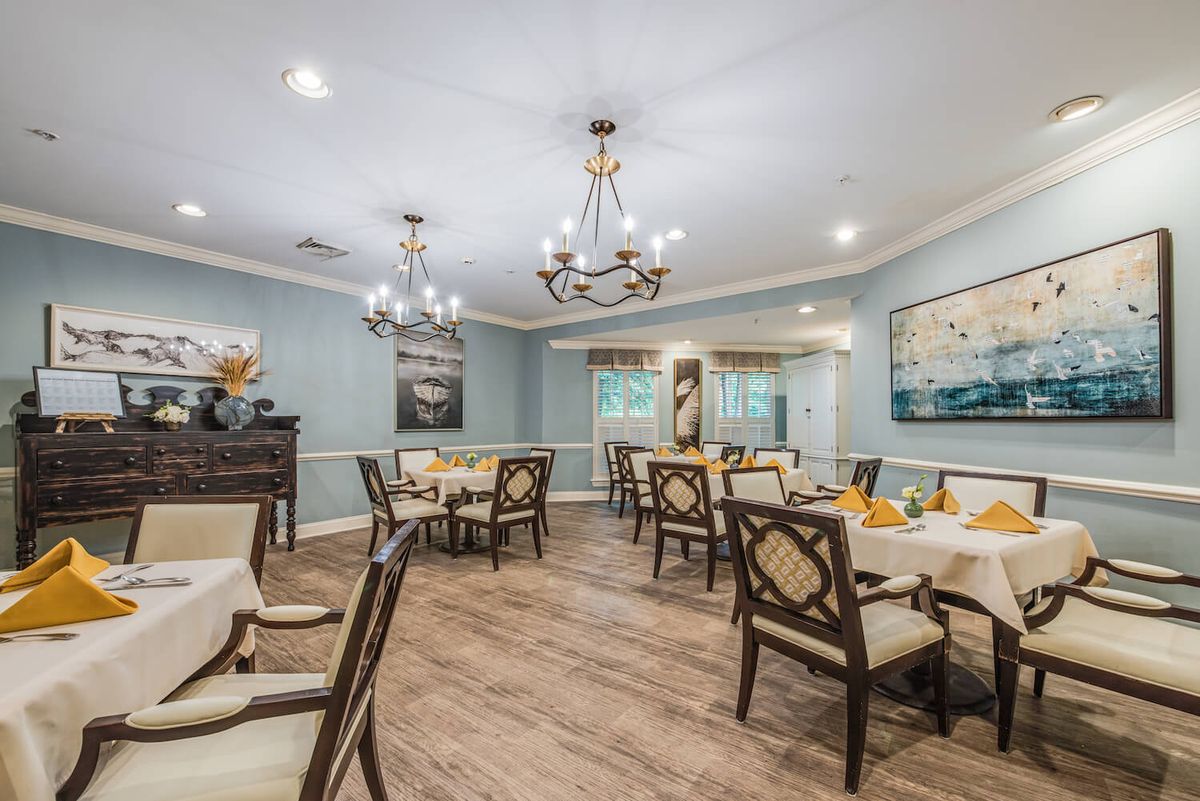
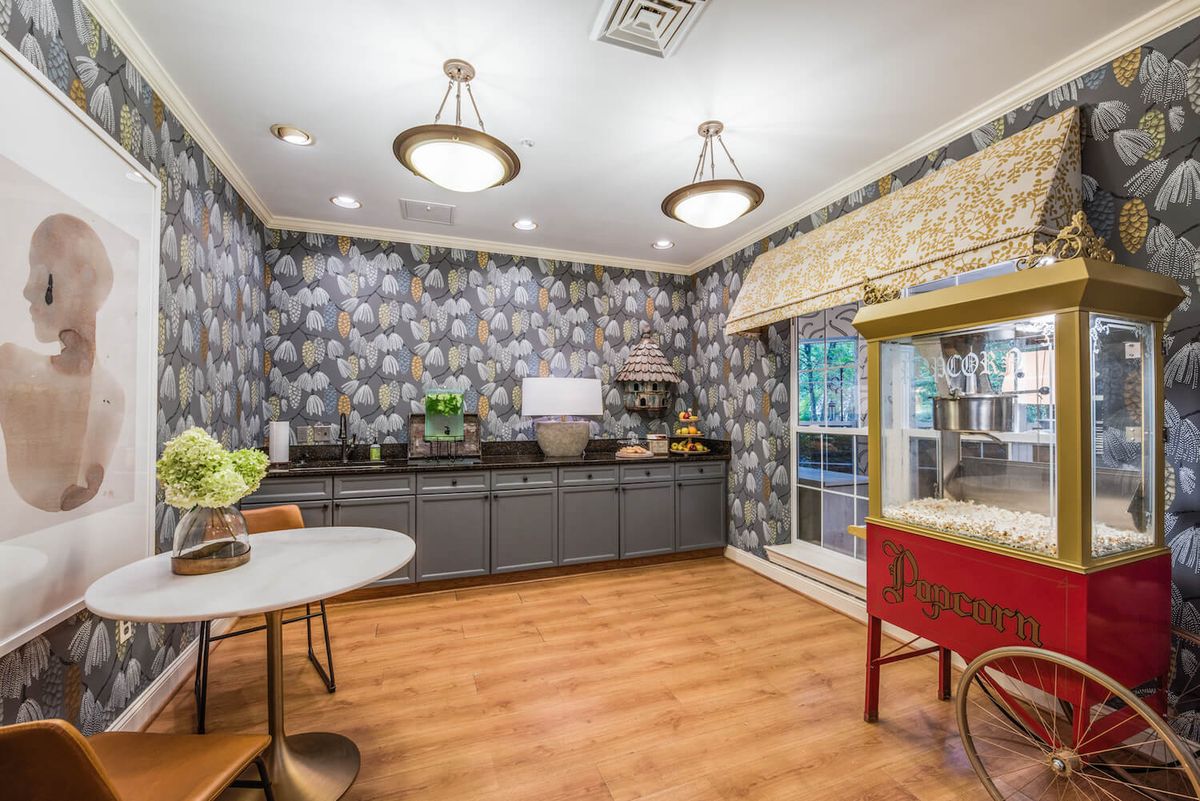
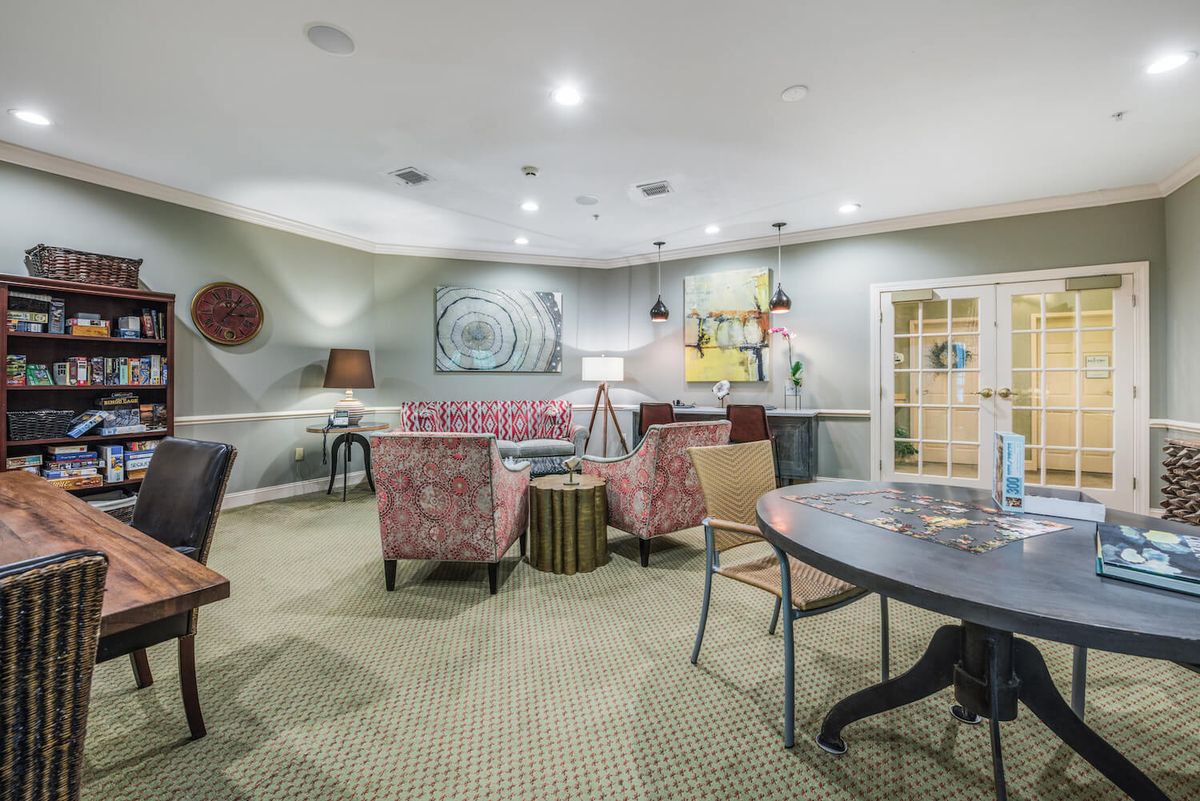
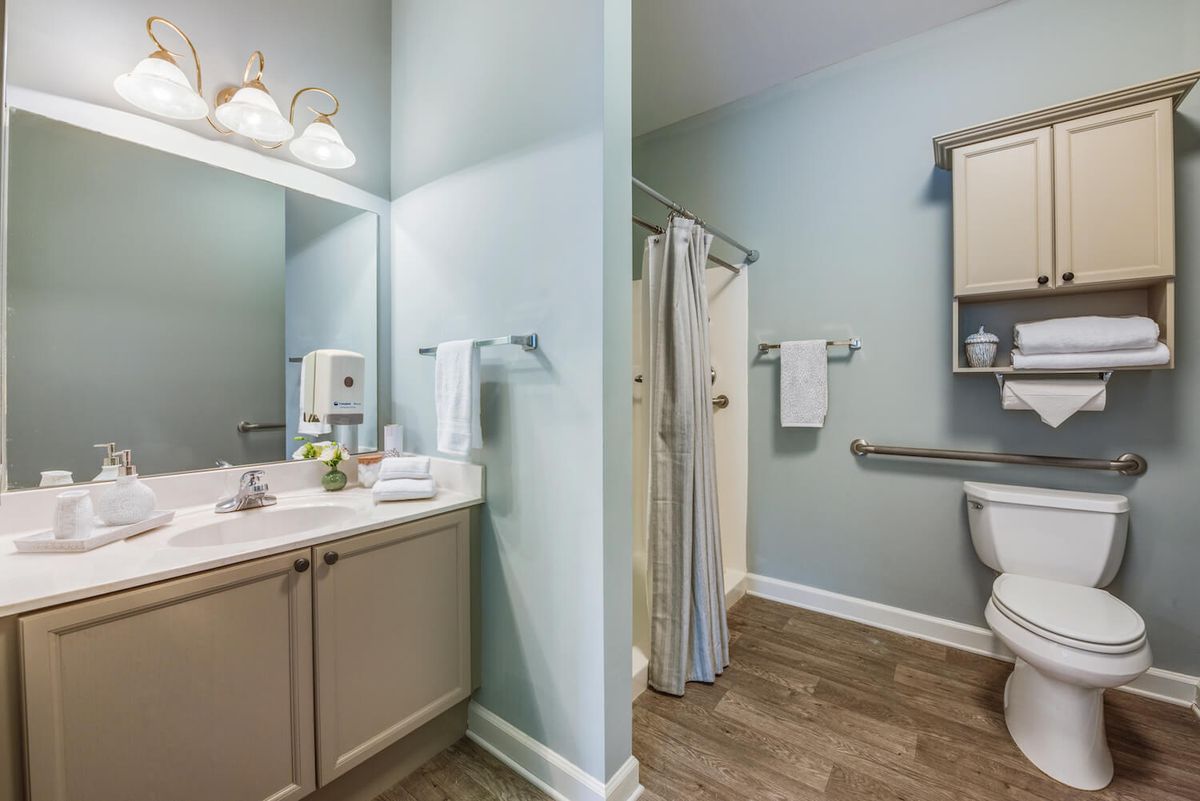
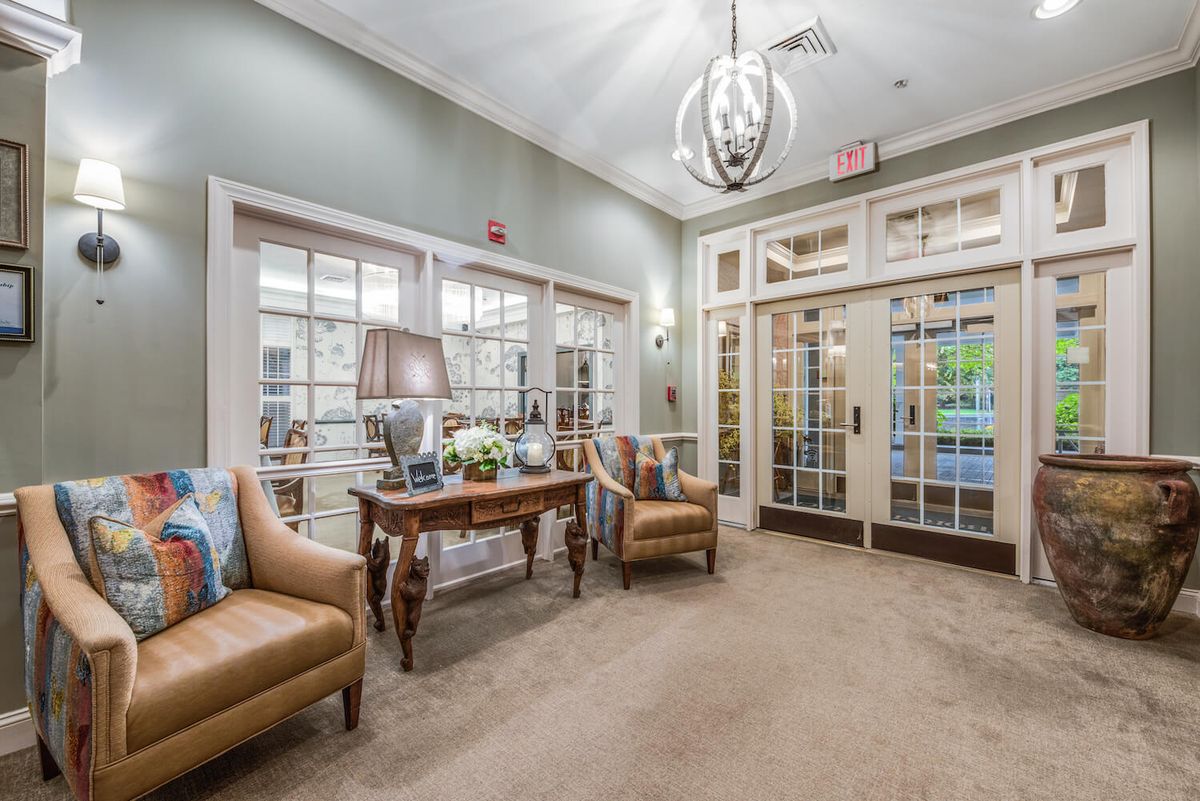
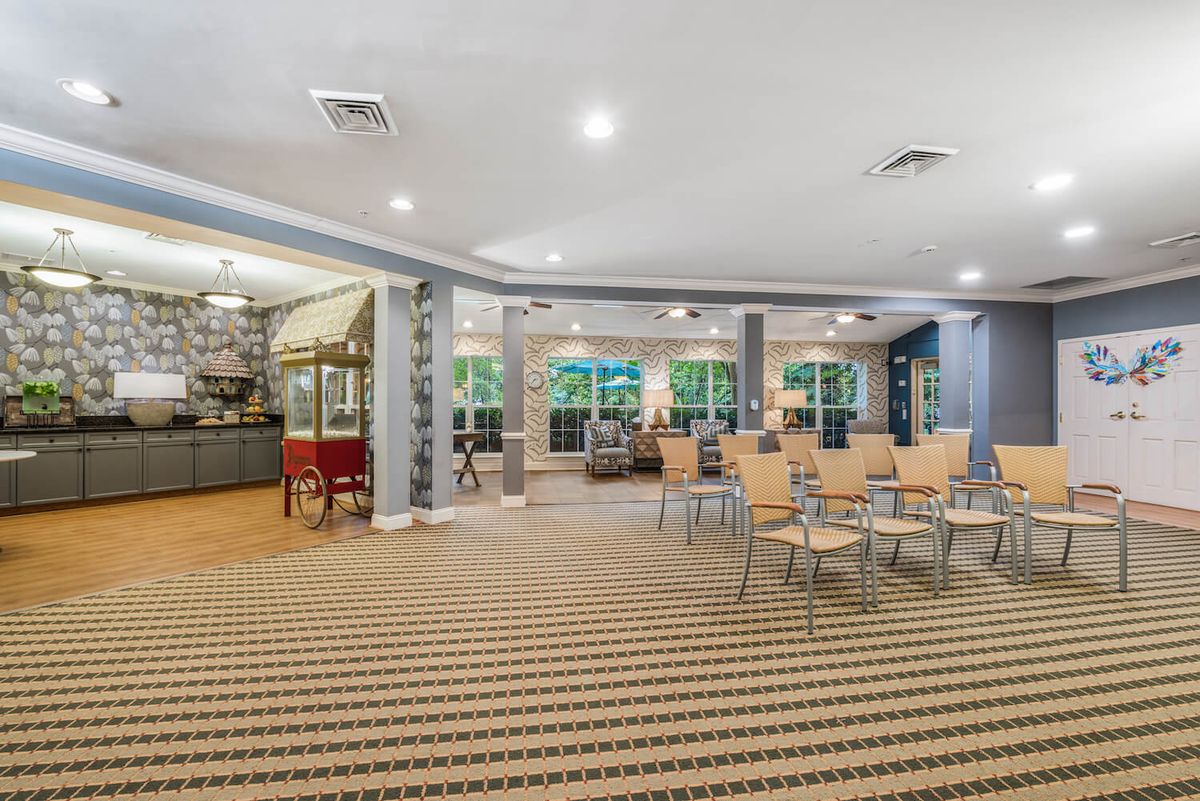
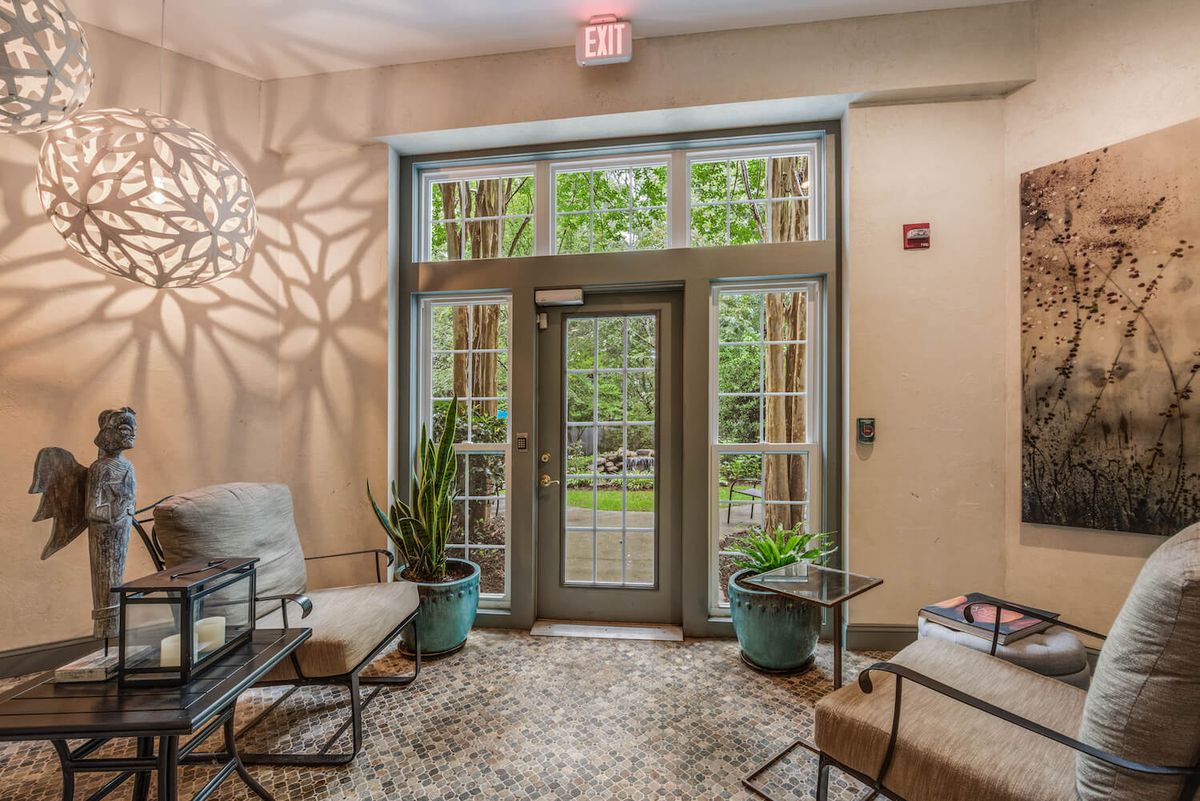
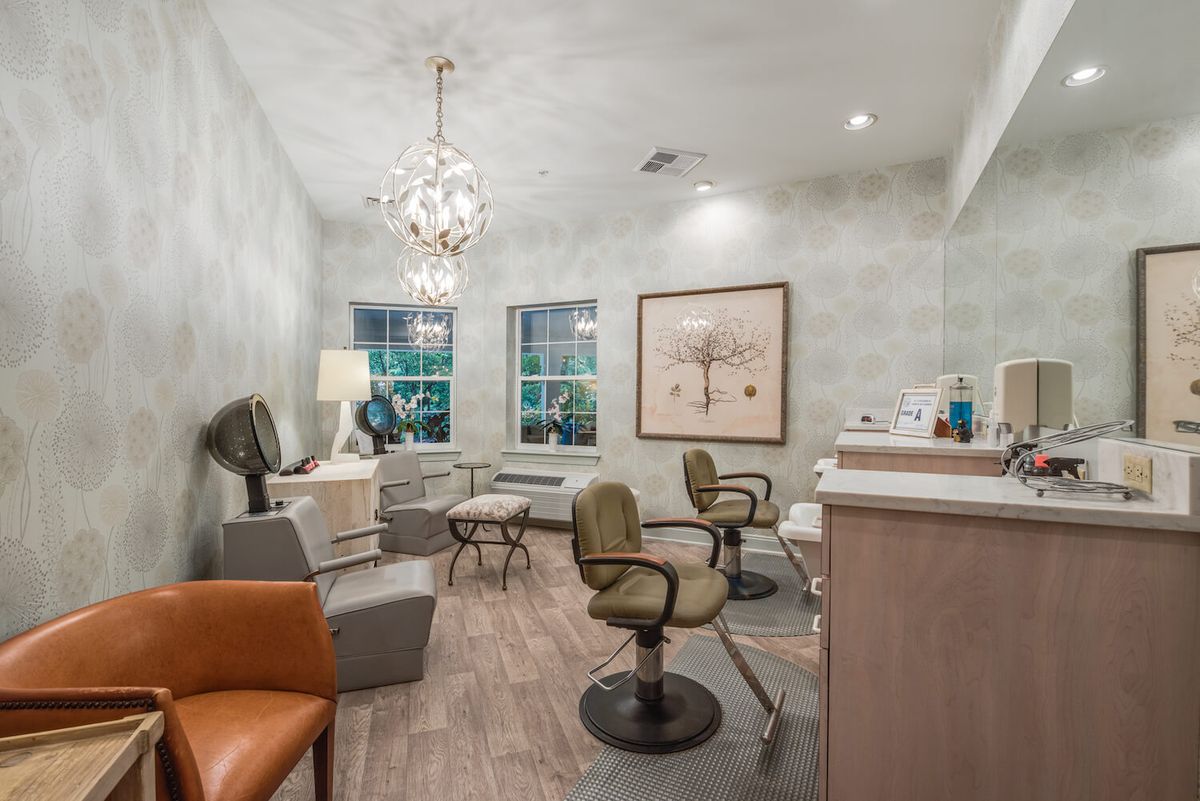
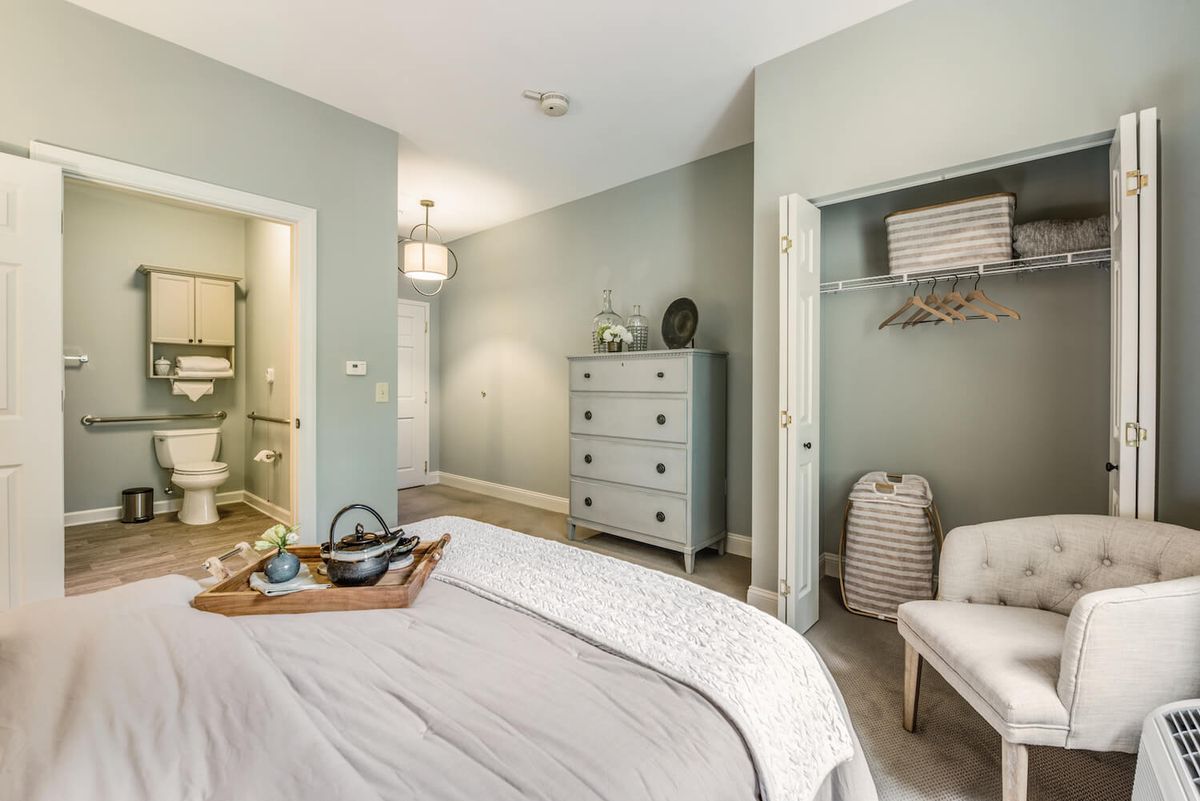
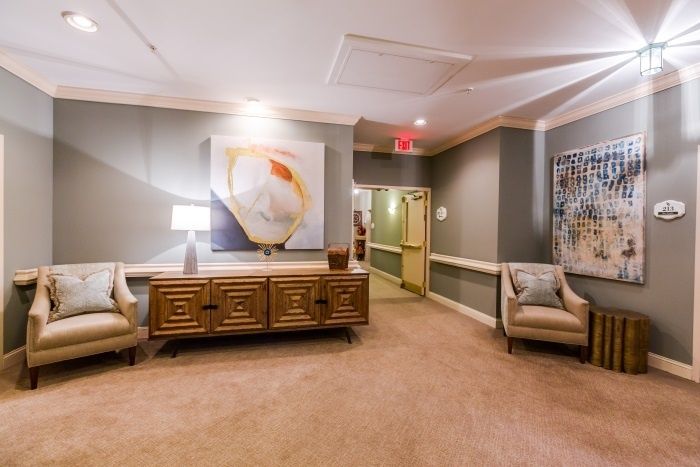
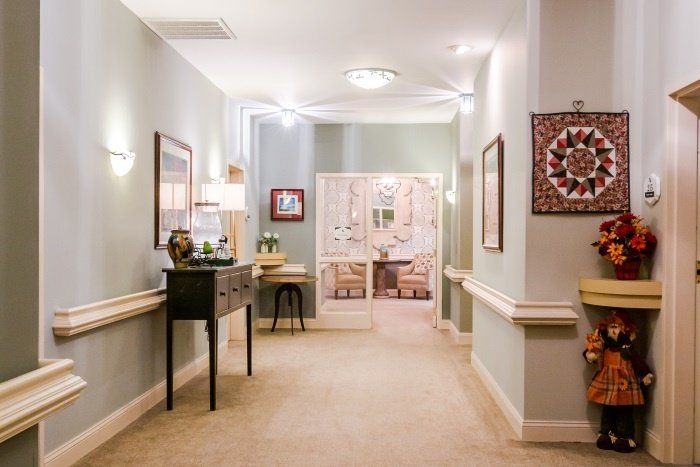
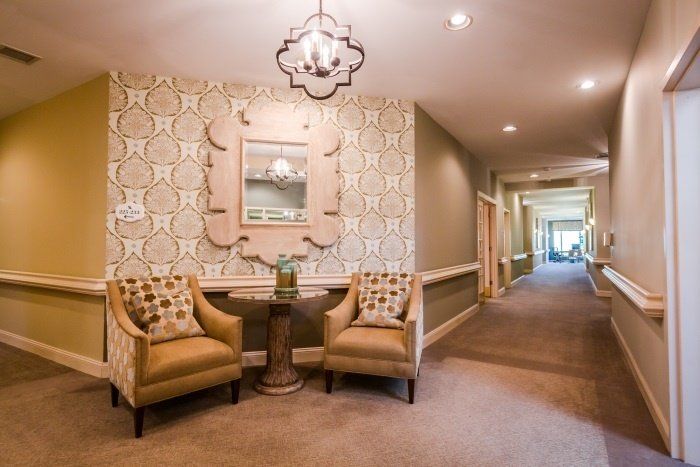
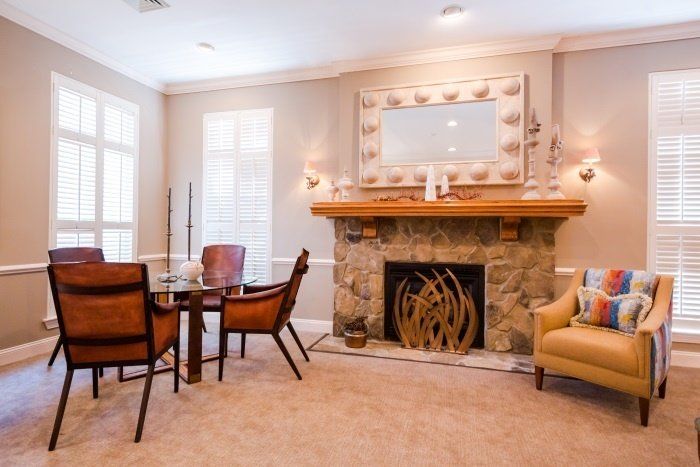
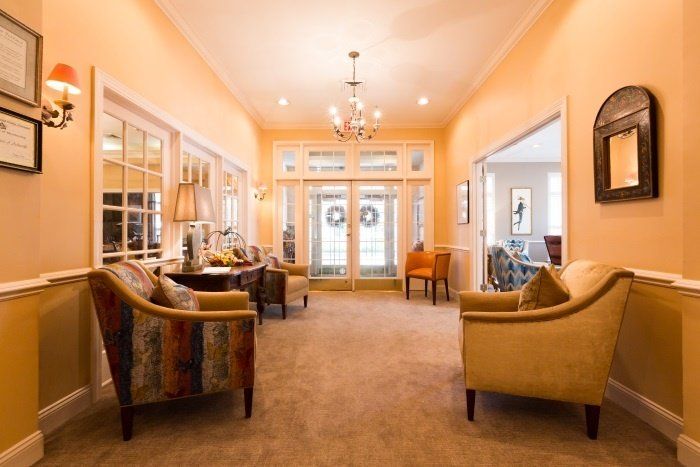
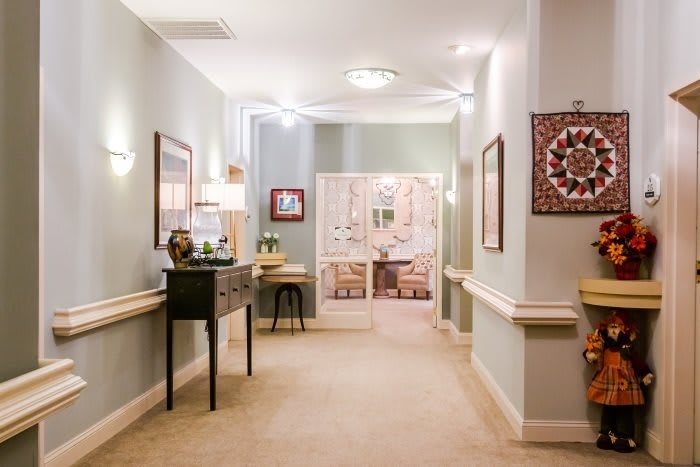
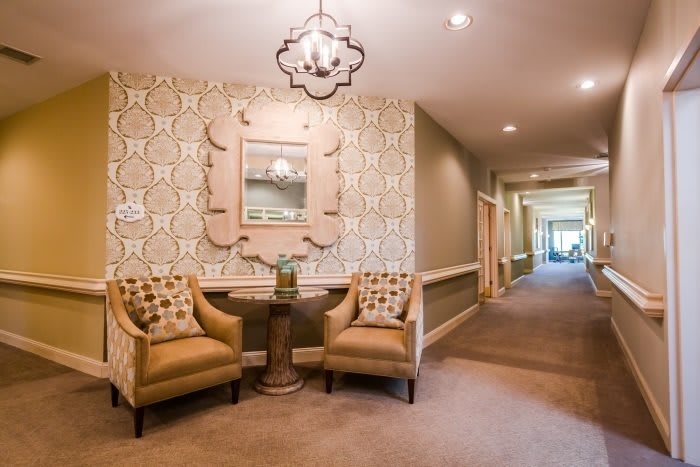
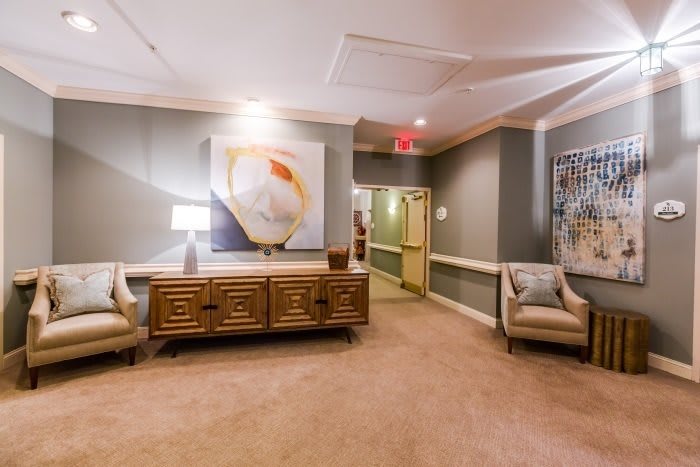
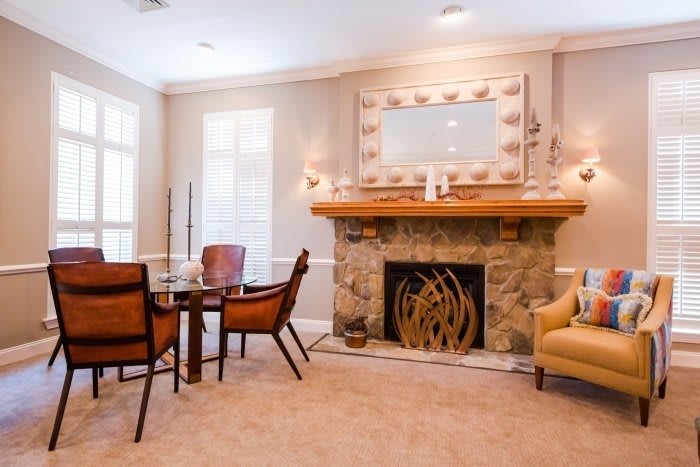
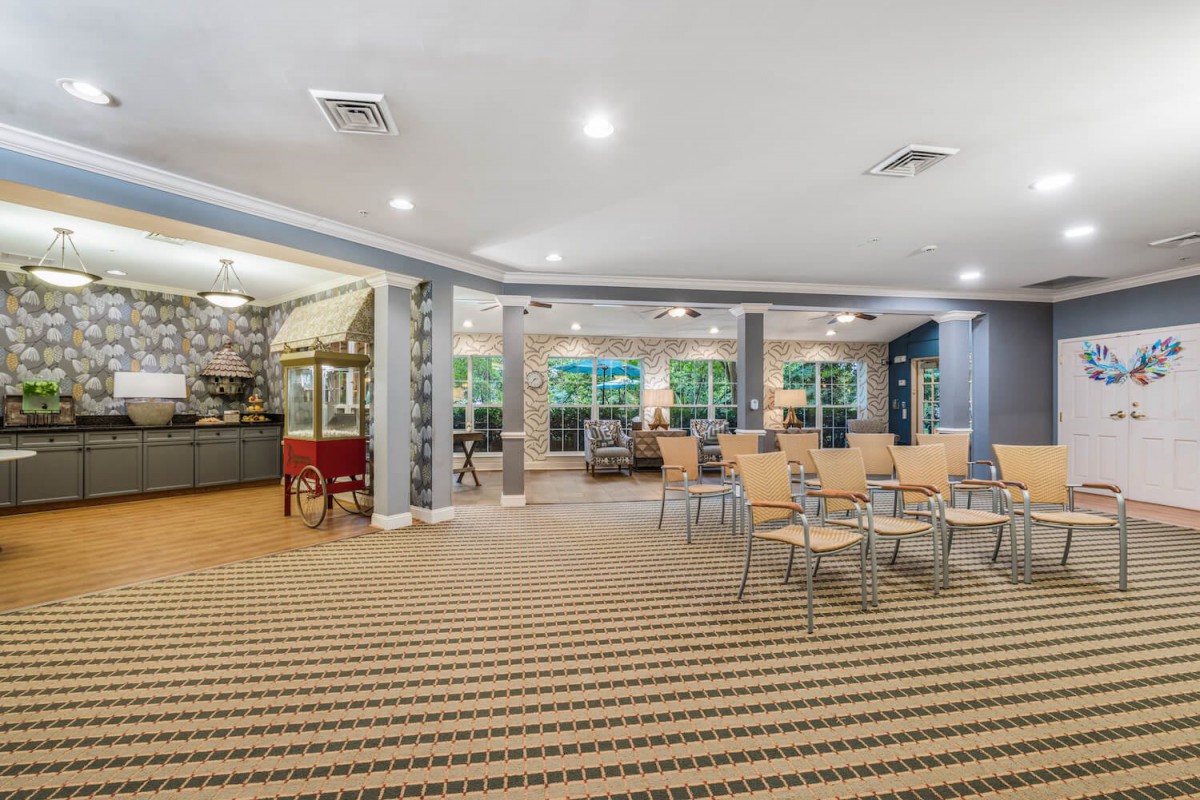
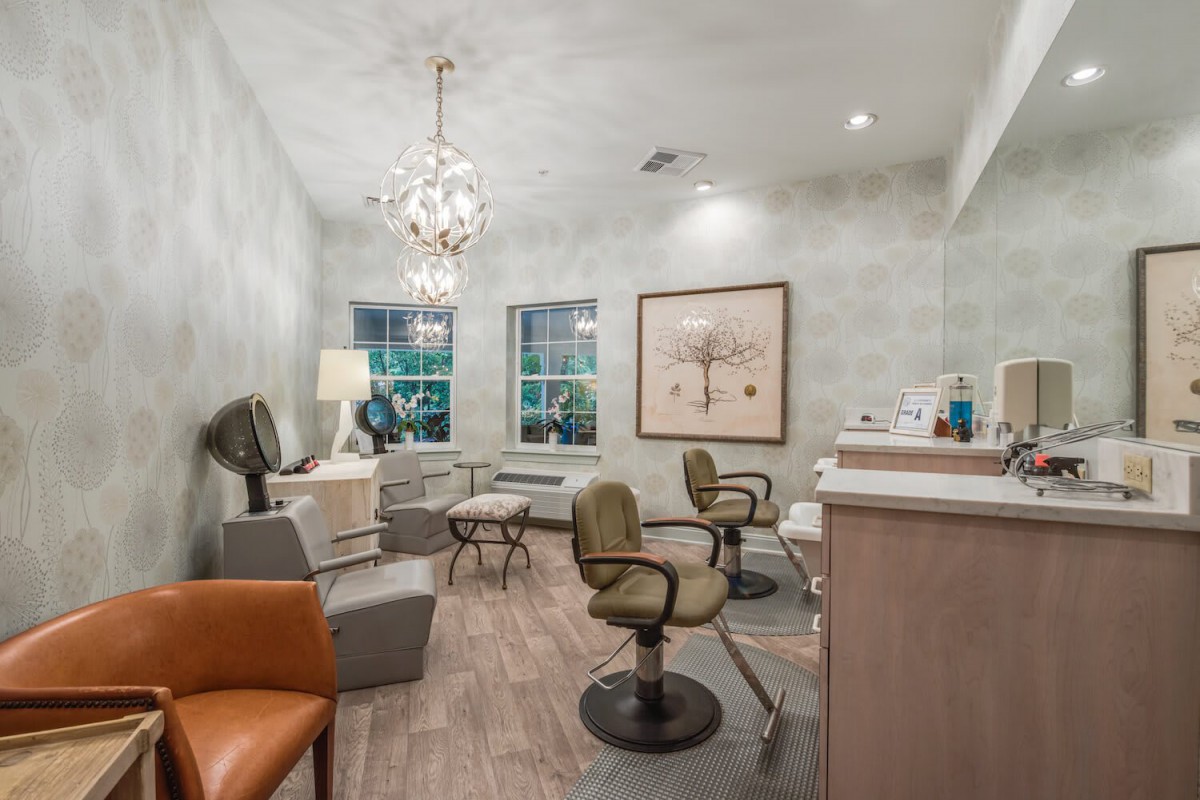
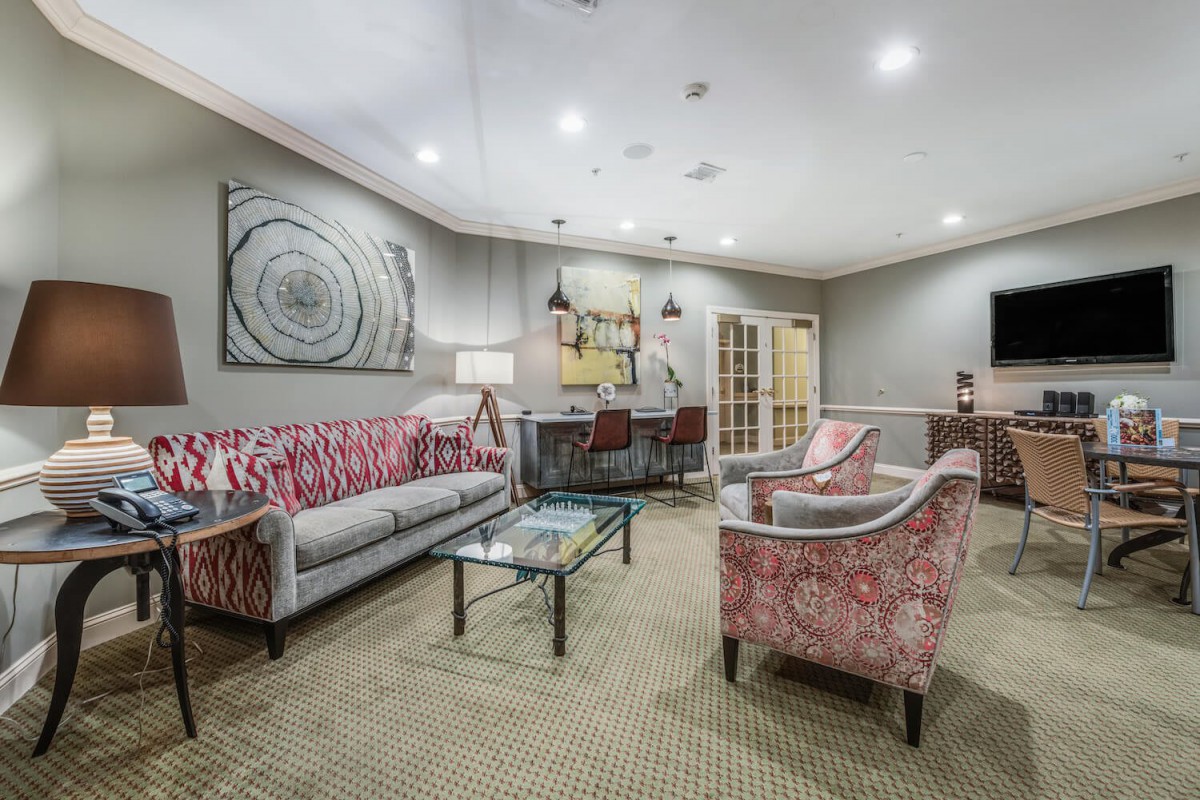
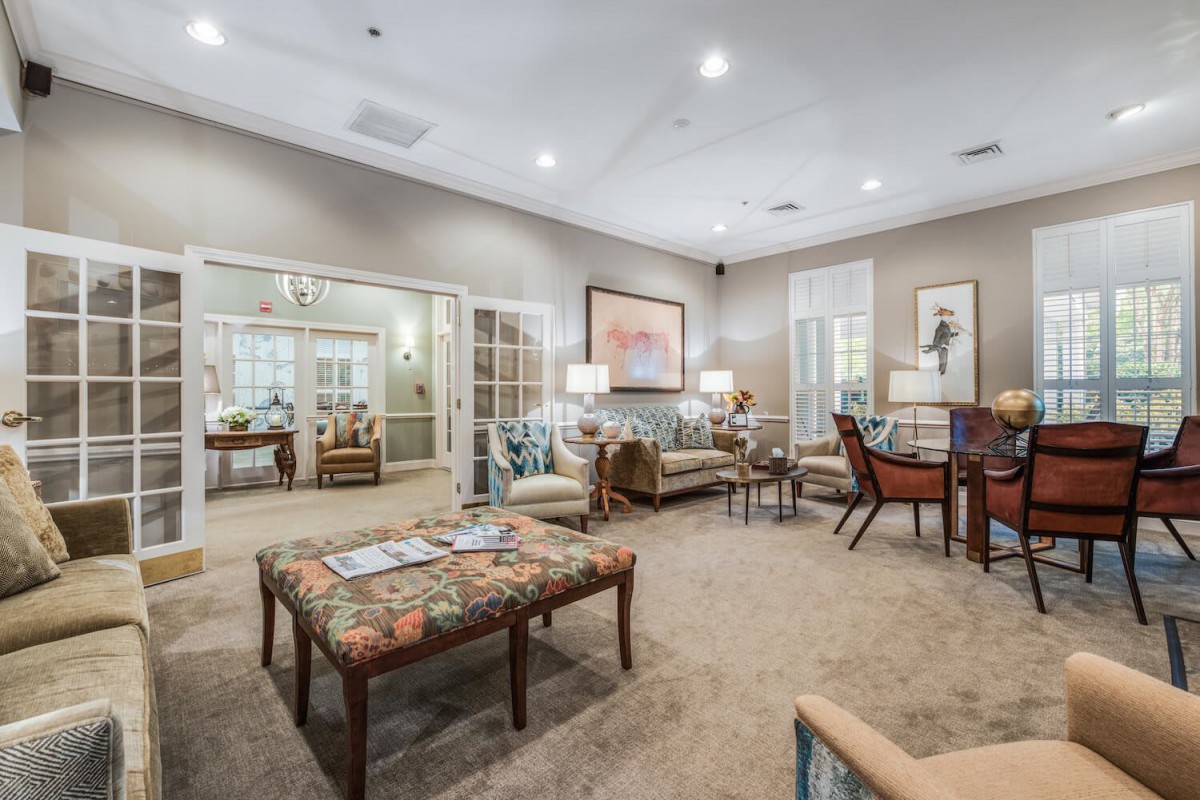
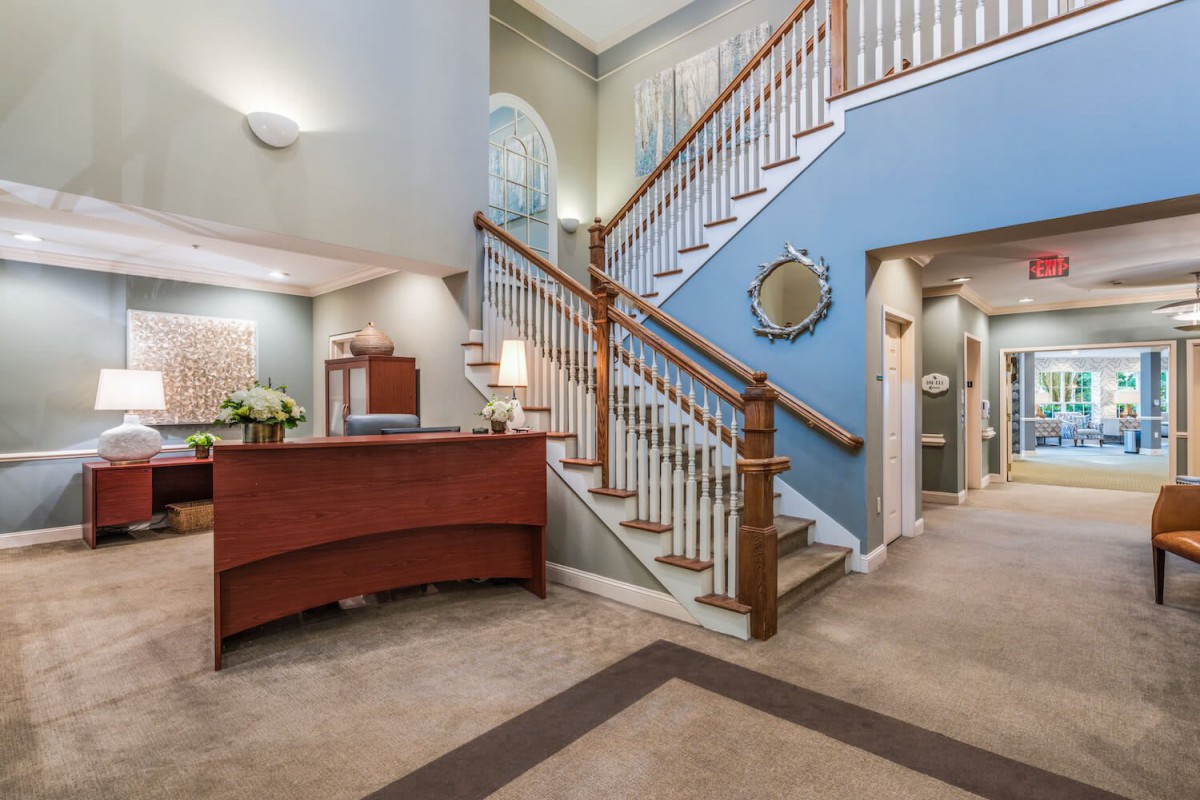
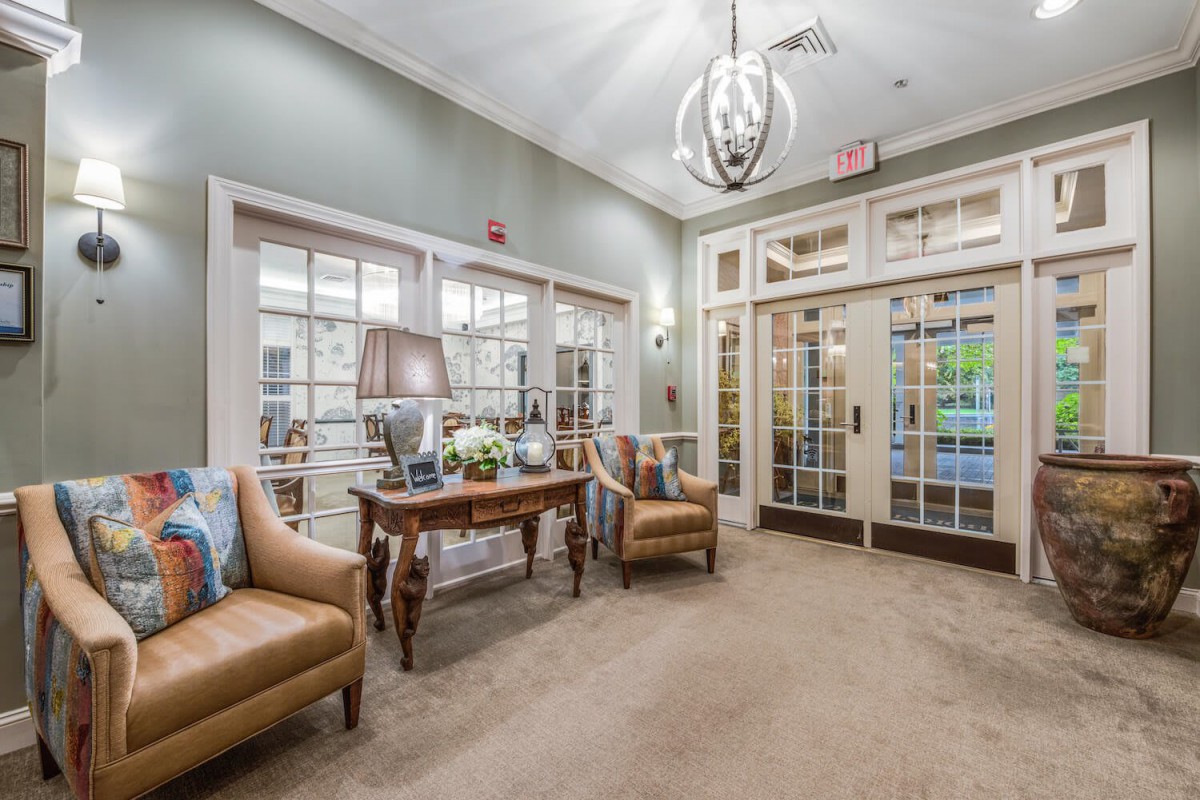
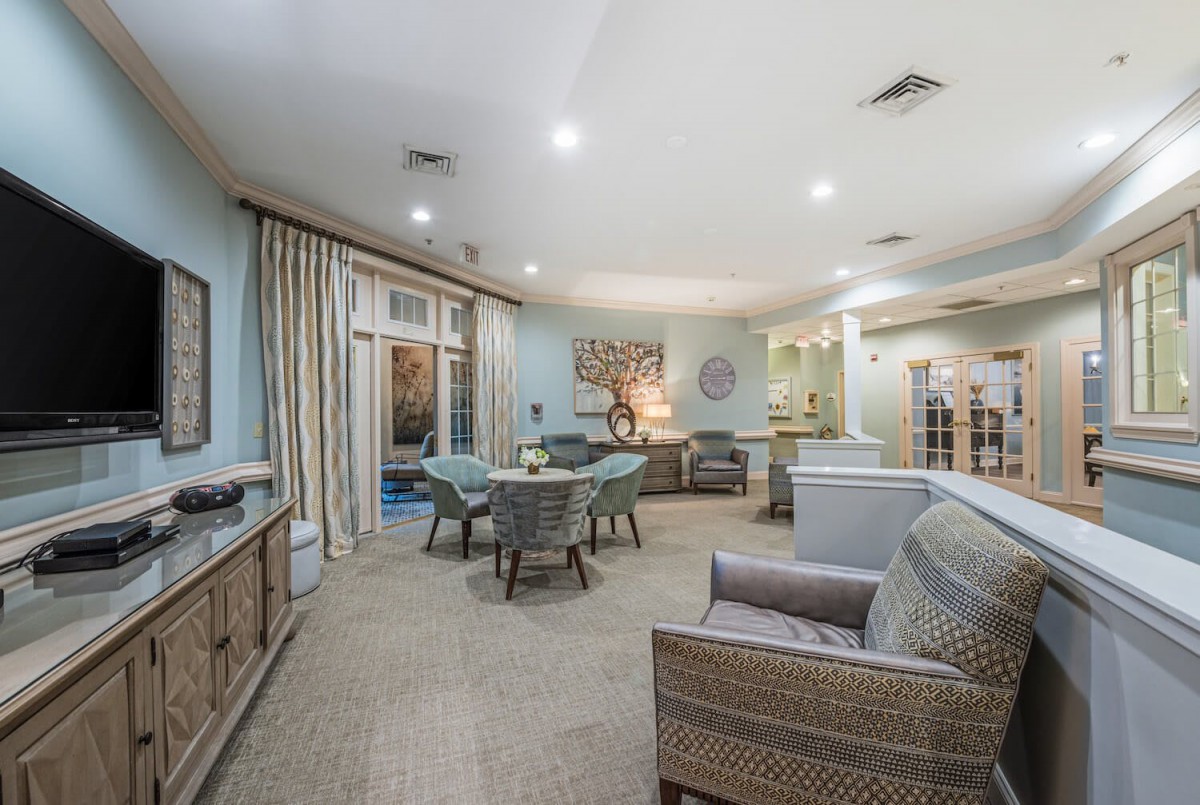
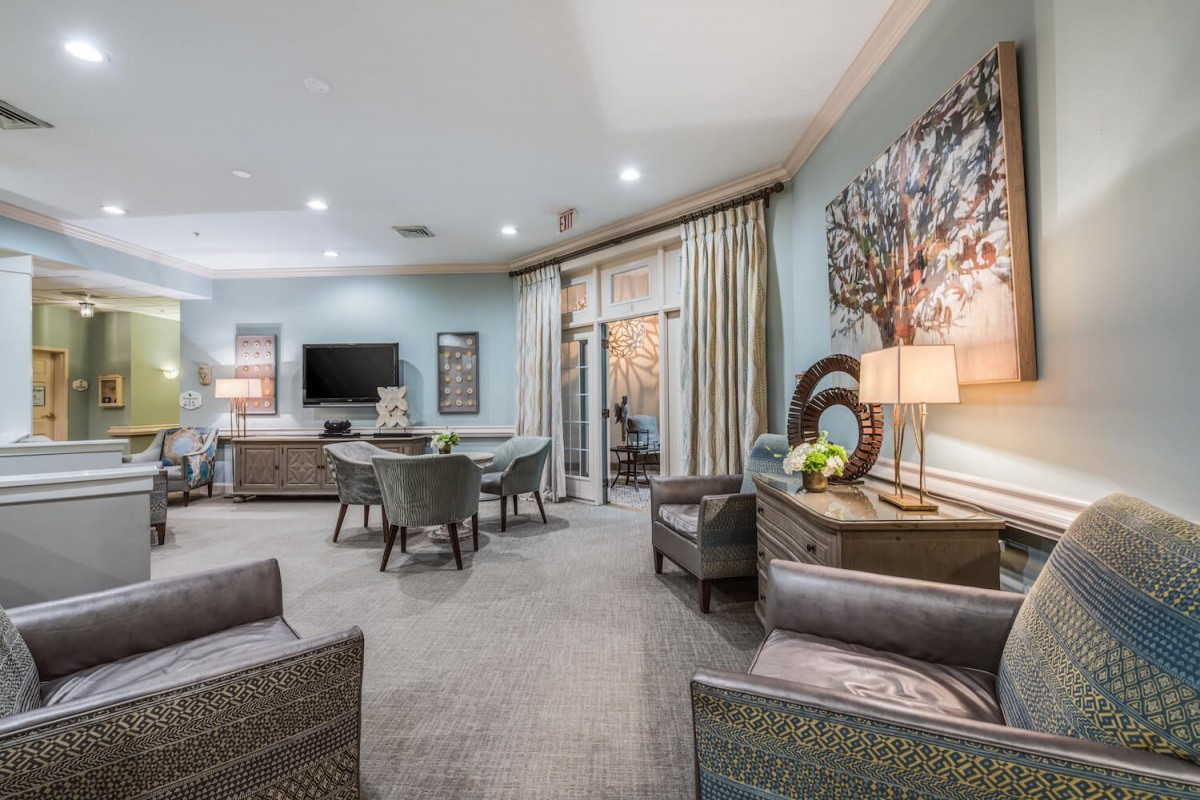
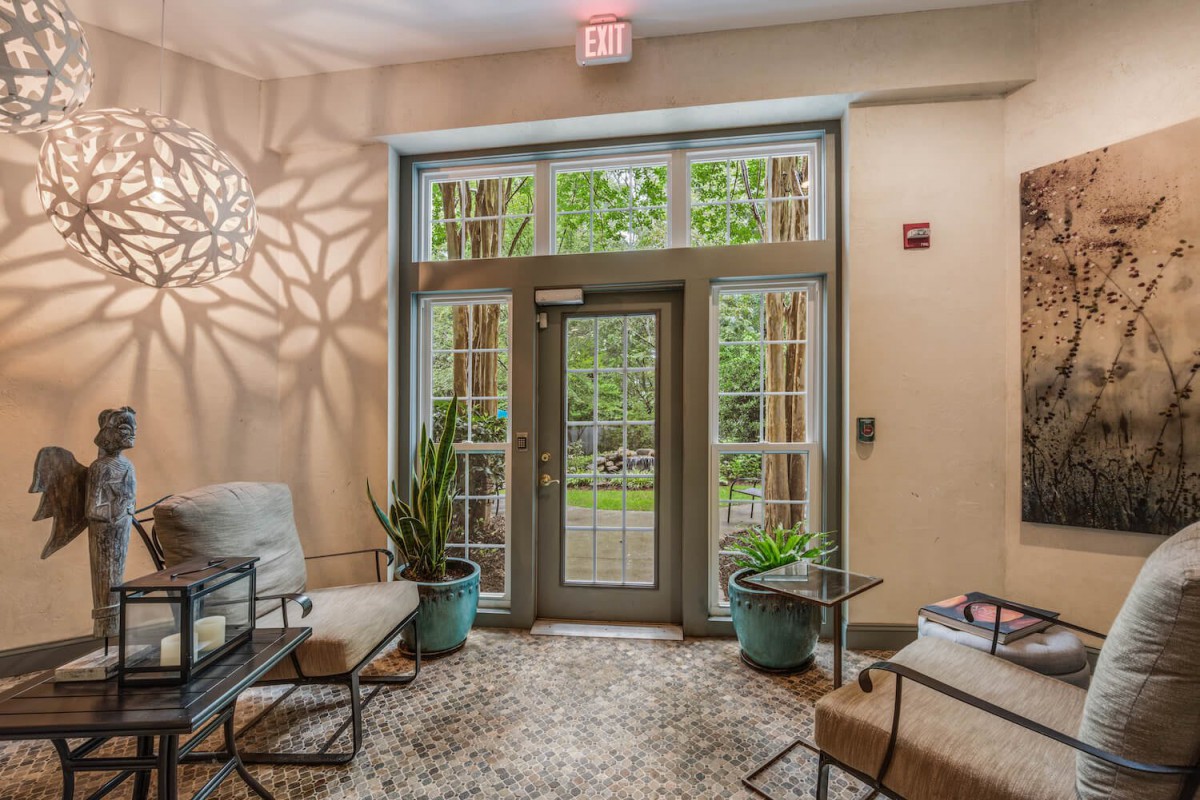
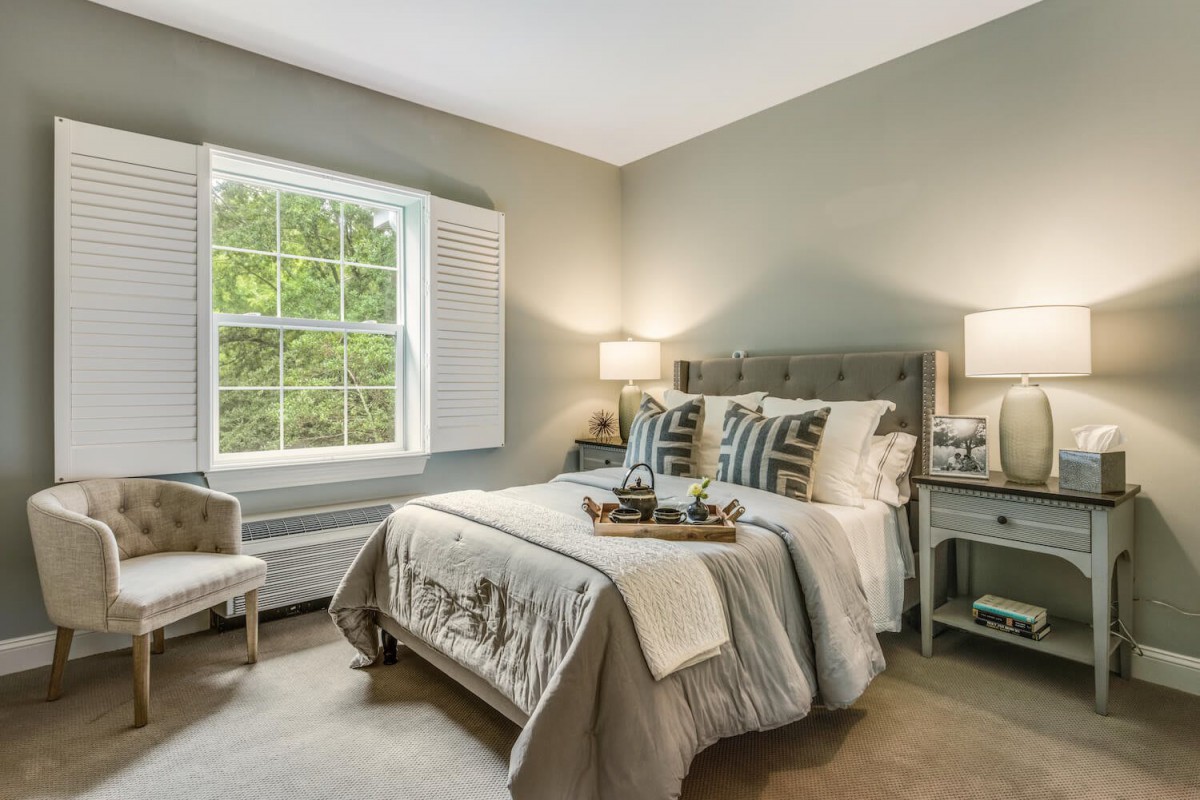
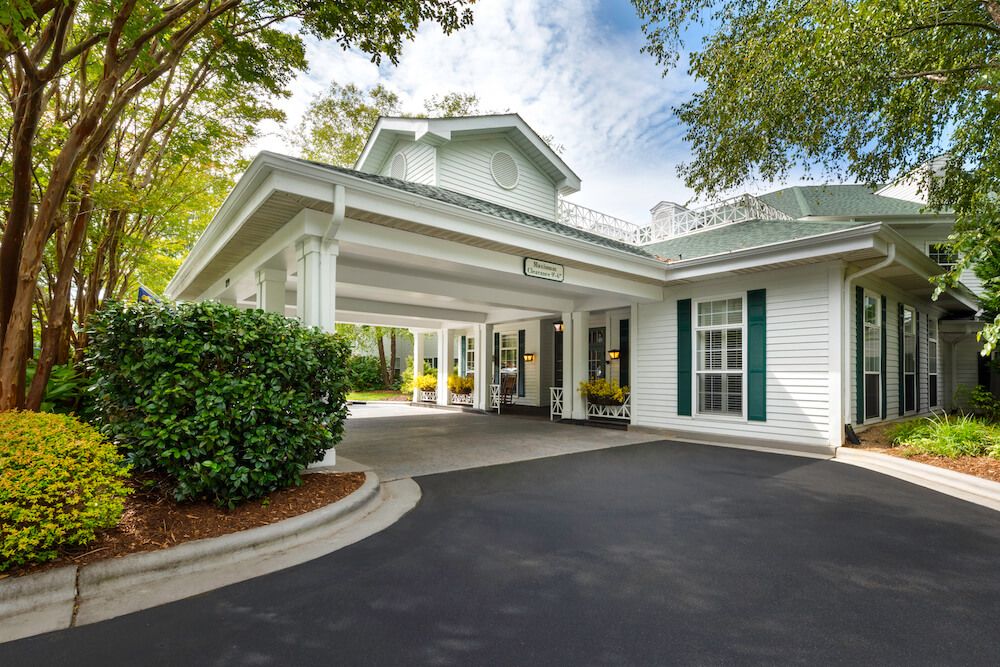
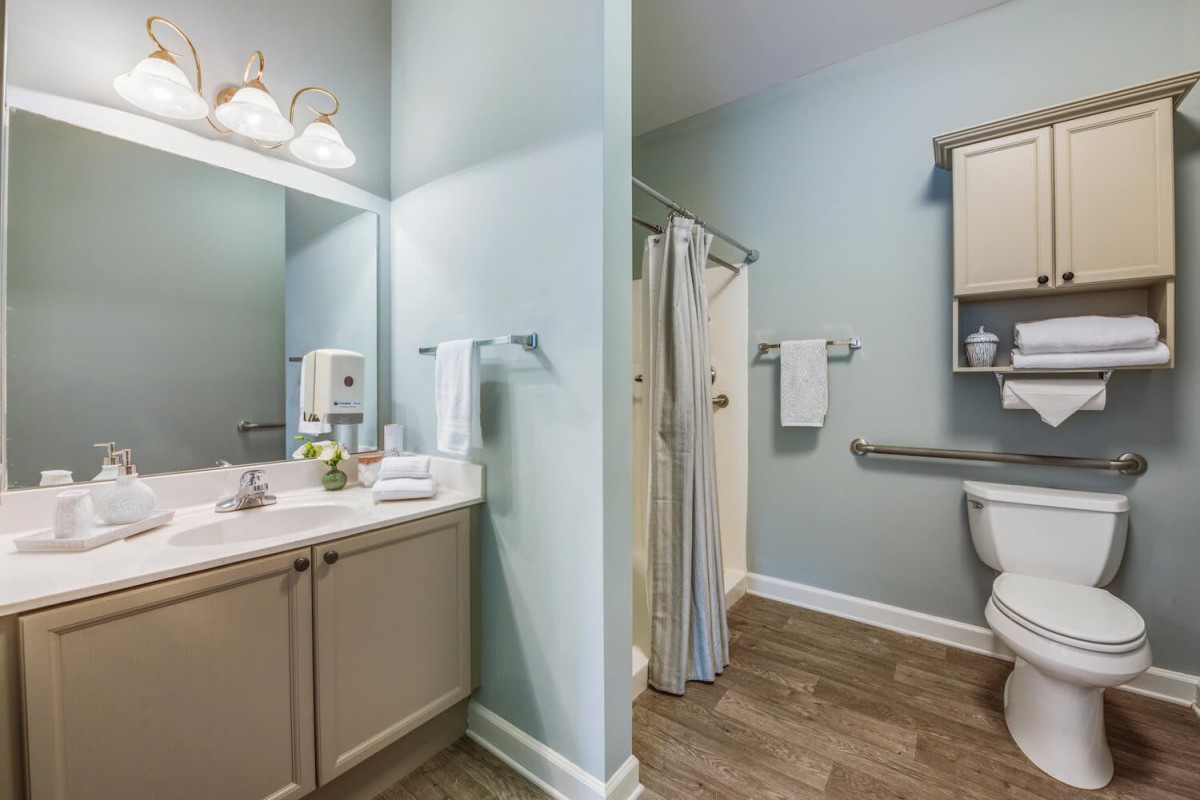
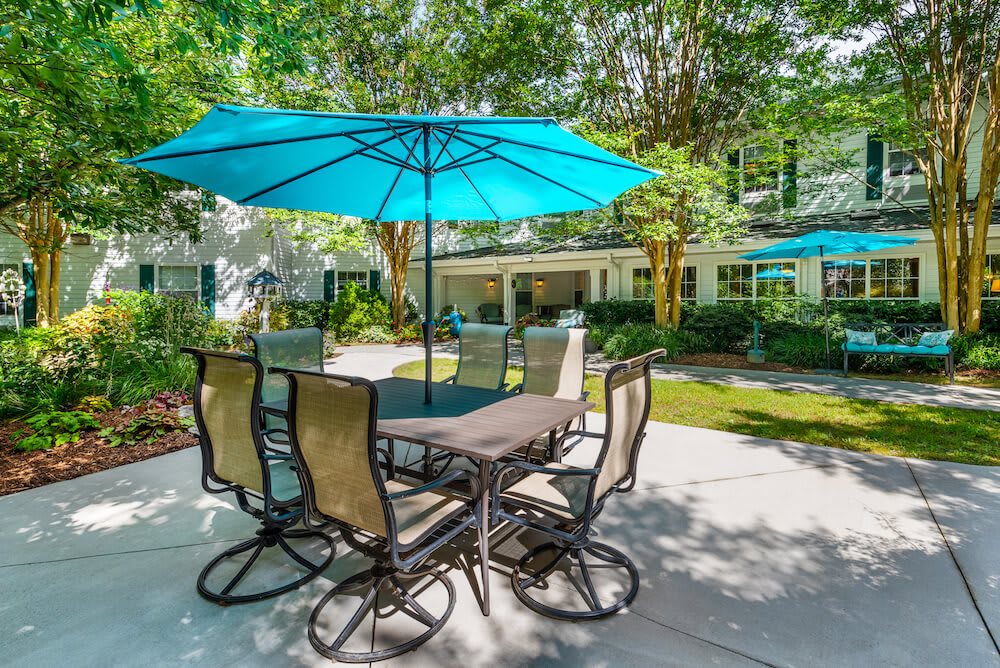
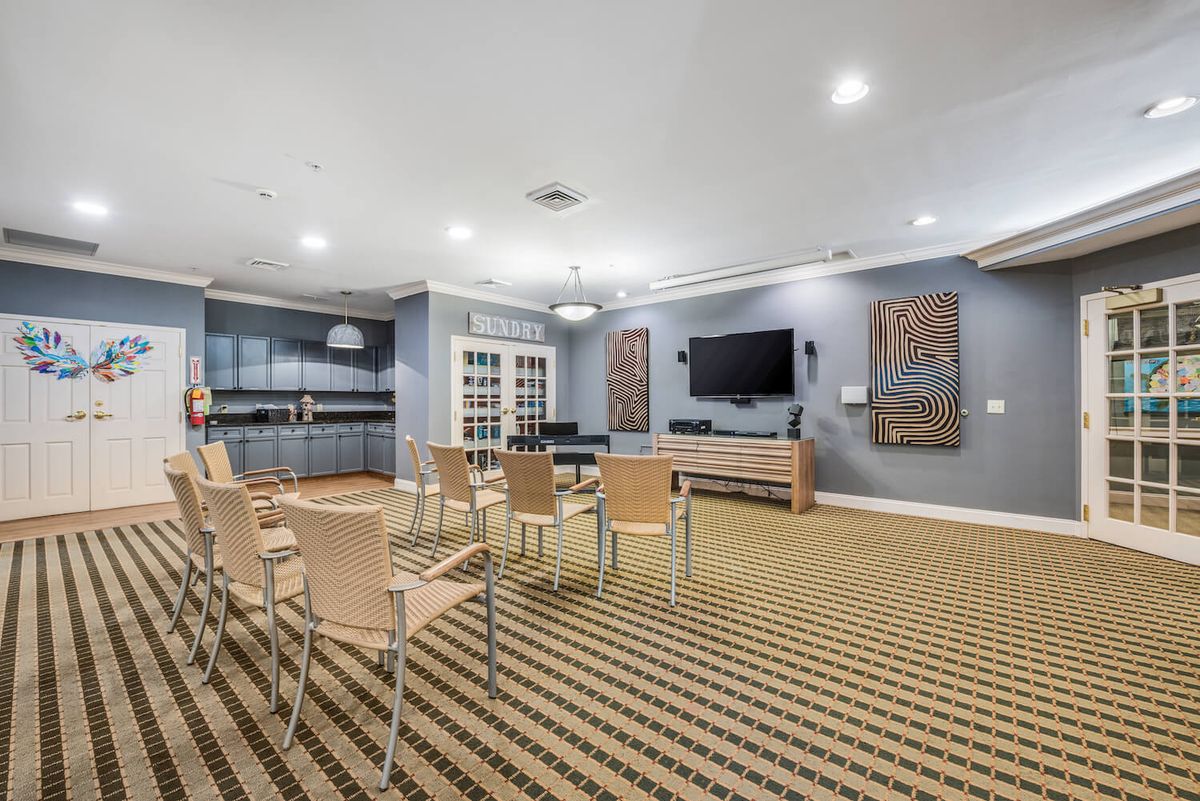
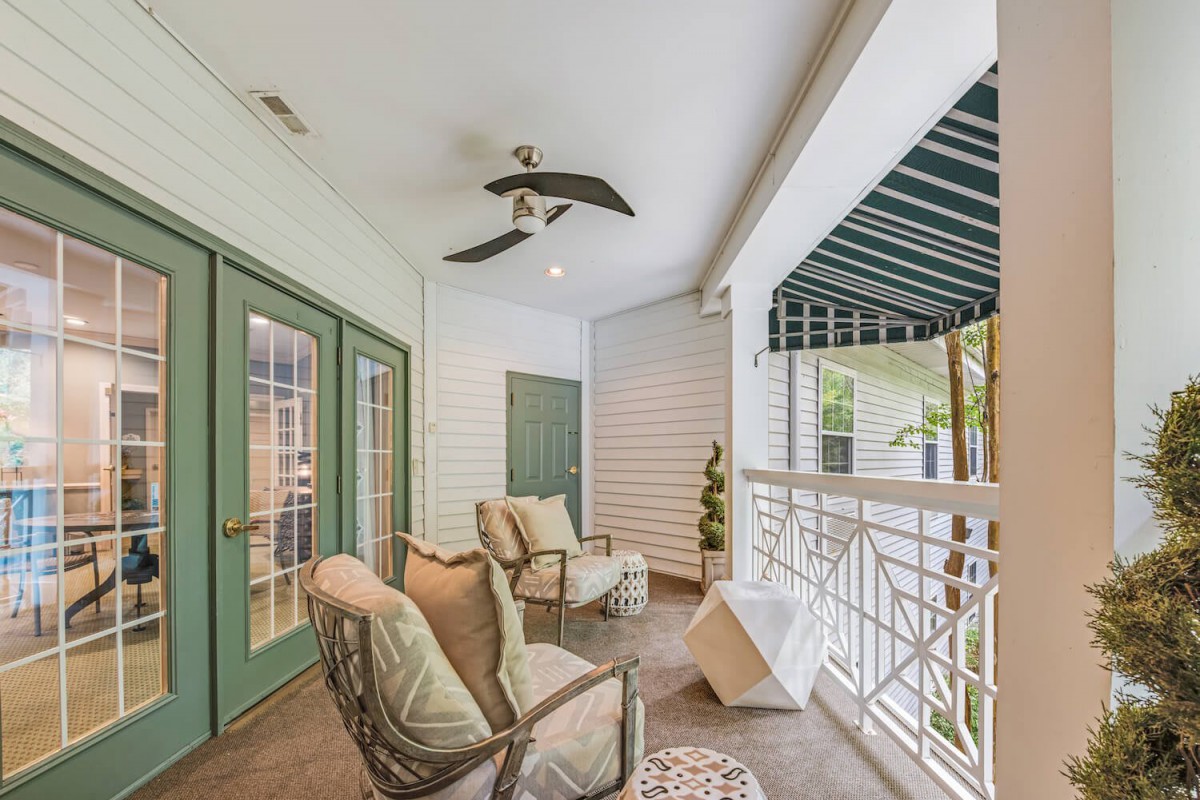
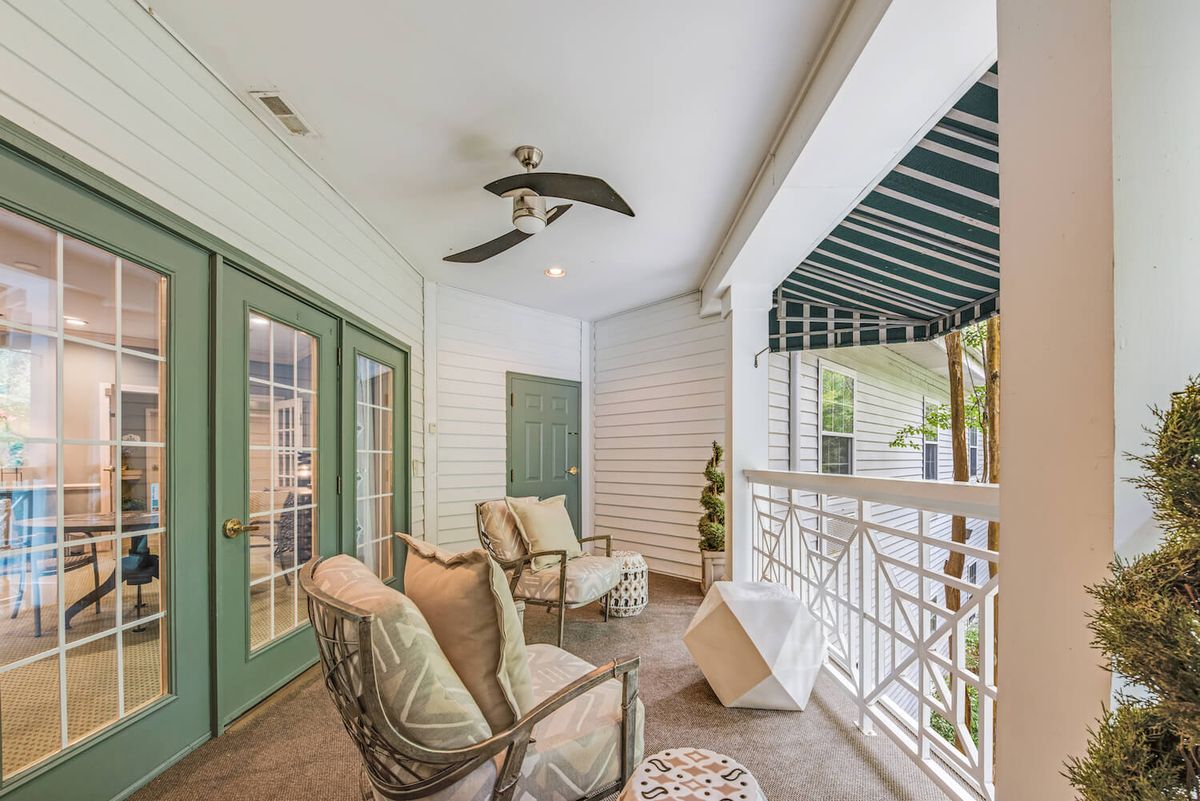
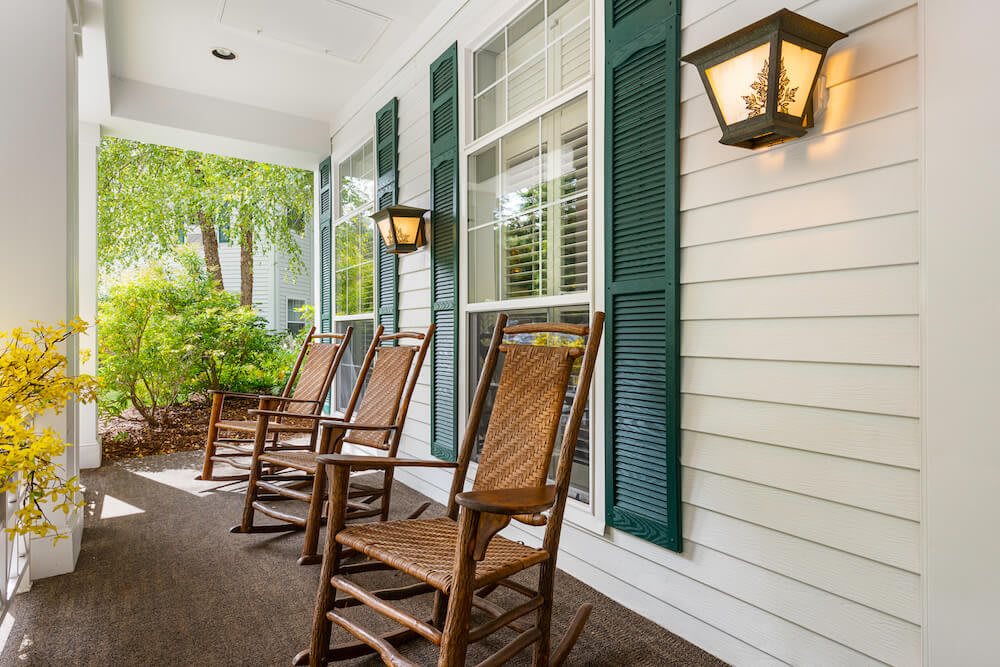
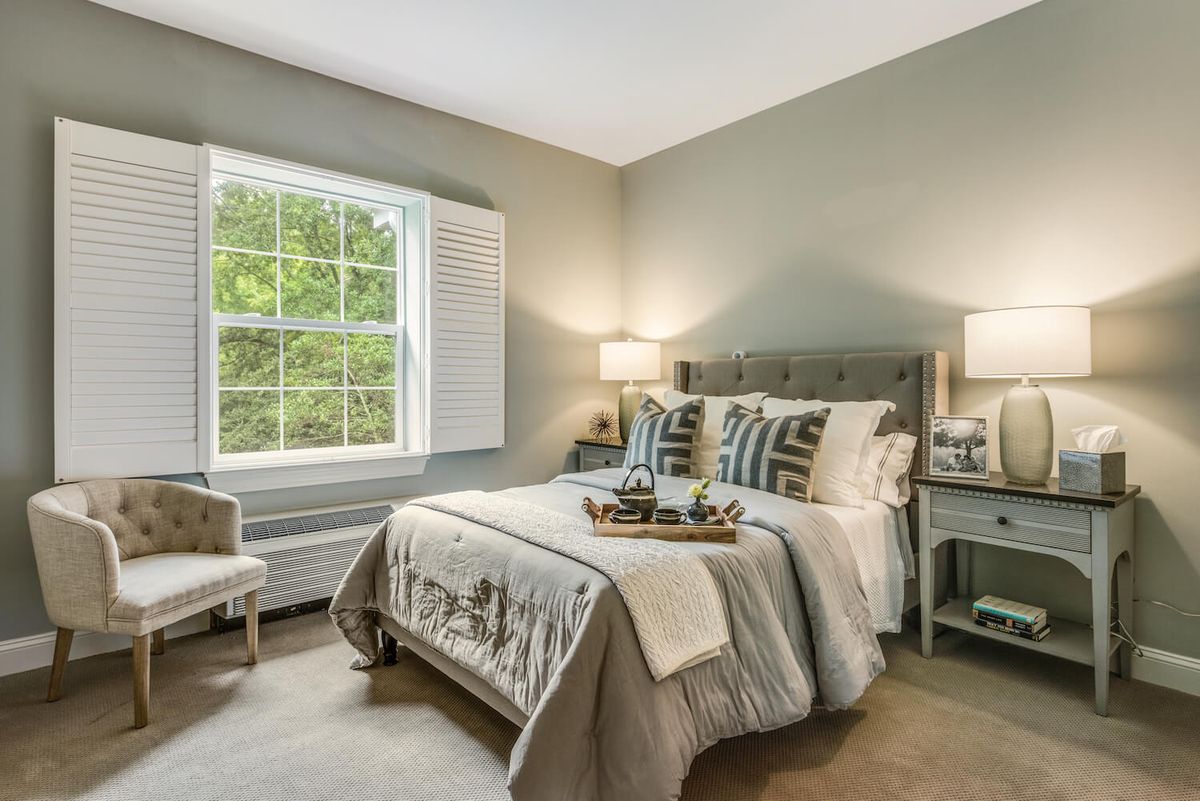
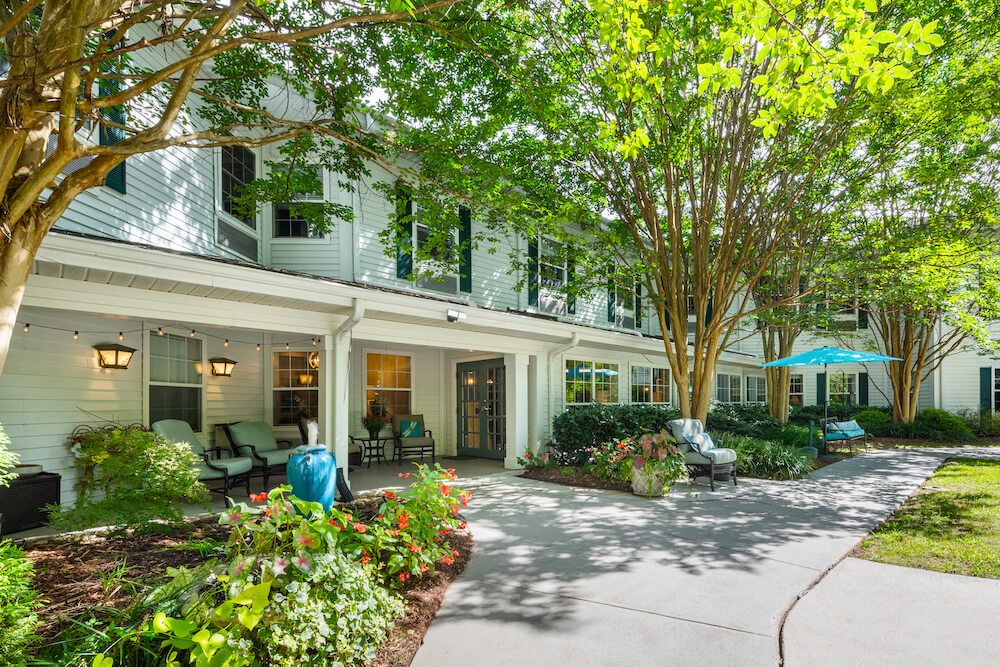
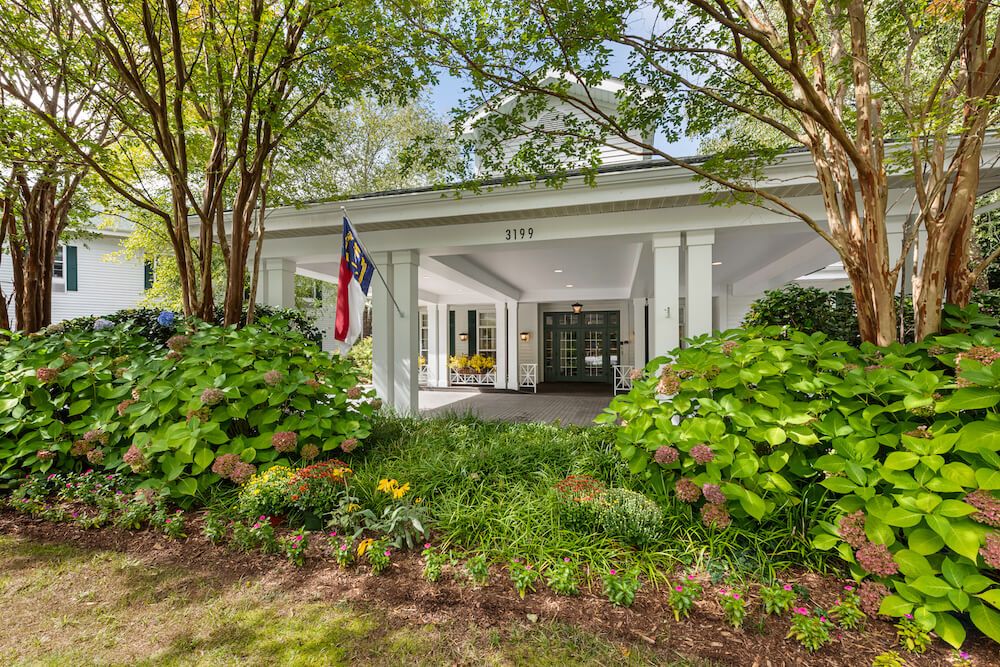
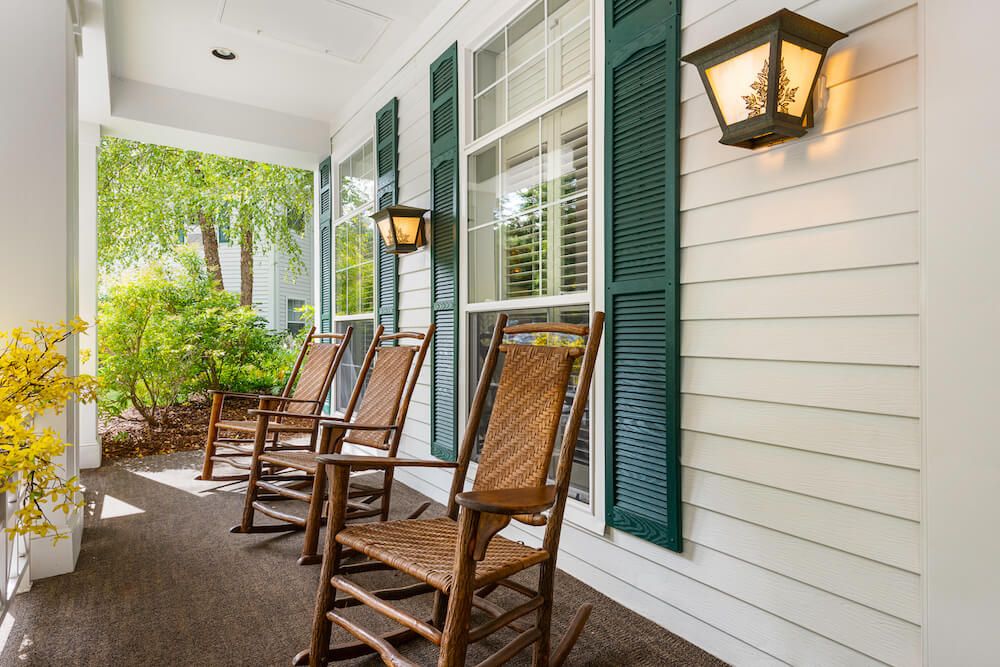
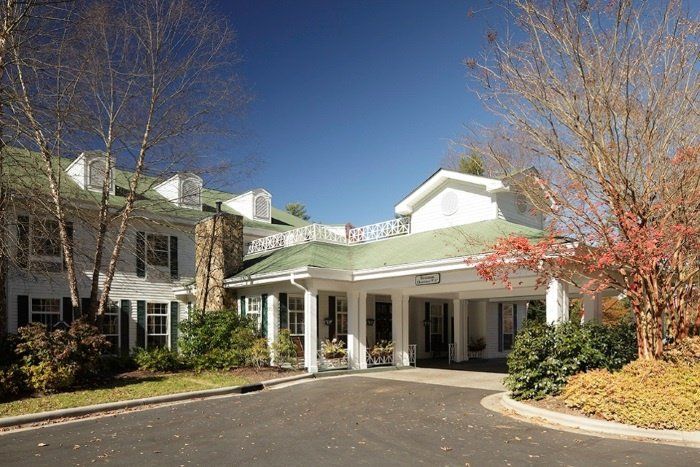
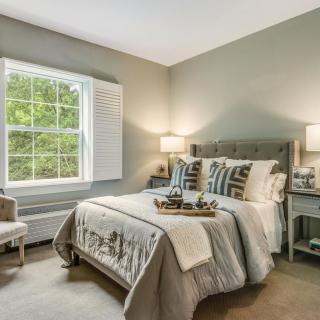
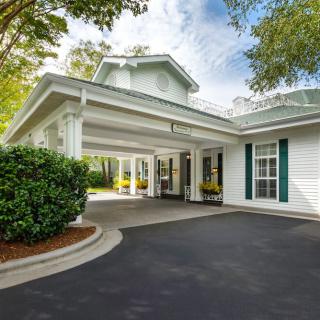
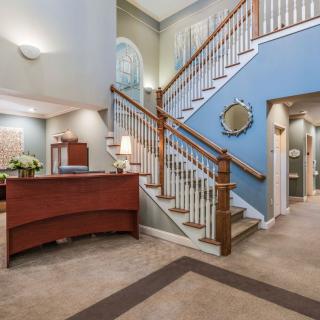
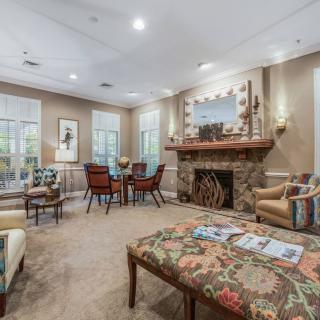
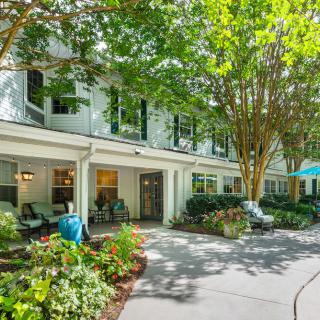
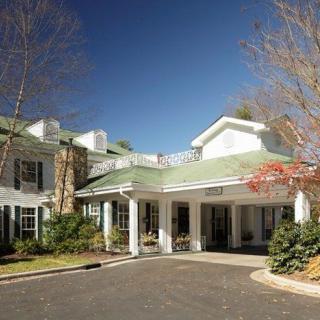
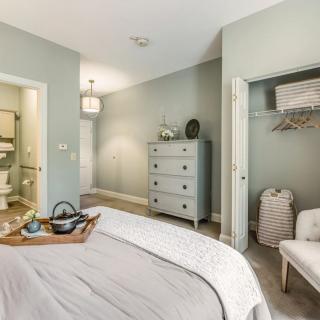
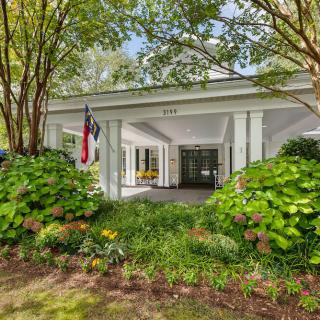
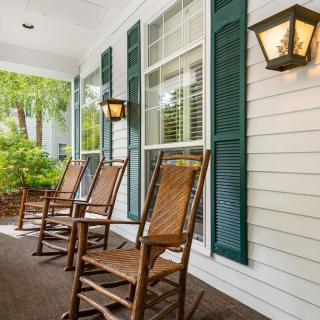
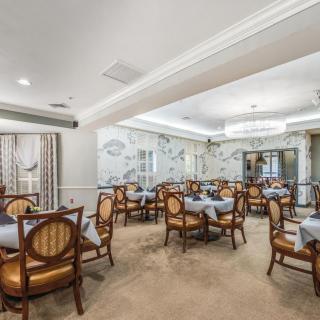
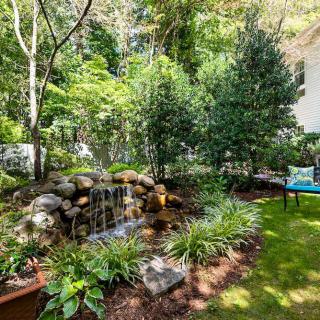
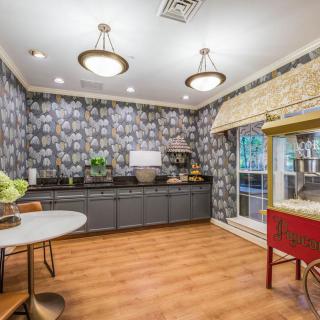
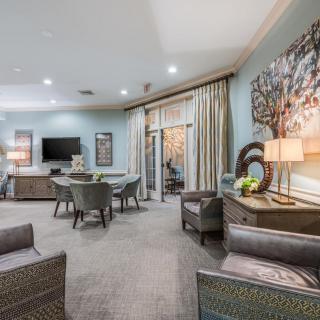
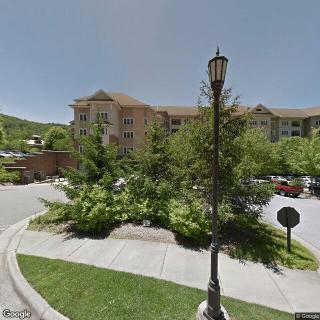
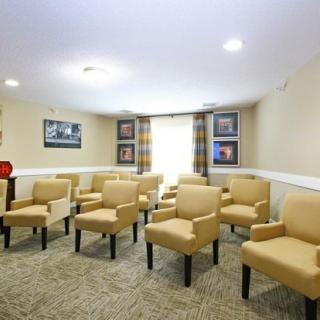
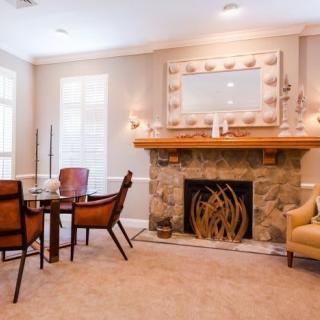
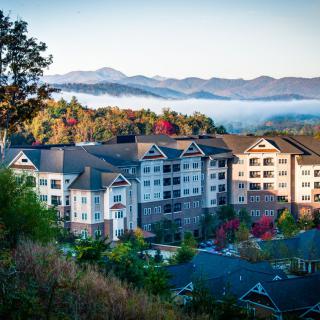
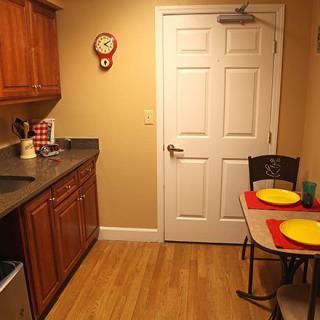
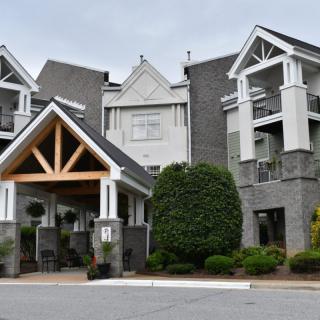
Arbor Terrace Of Asheville on seniors.fyi includes 61 photos including images showing interior, decor, lighting, living room, artwork, dining, chandelier, lobby, and more.
Nearby Communities
60 Givens Gerber Park
Asheville, NC
4.5 from 39 reviews
$1,290 to $1,450 / month
Affordable independent living with meals provided and on-site activities.
Givens Health Center
Asheville, NC
2.6 from 5 reviews
Beautiful community with good dining and activities.
Givens Highland Farms
Asheville, NC
4.6 from 104 reviews
$2,397 to $5,640 / month
Beautiful grounds with diverse living options, strong on-site amenities, and friendly staff.
Givens Estates
Asheville, NC
4.5 from 127 reviews
Glamorous, resort-like setting with extensive amenities and diverse housing options.
Richard A. Wood Assisted Living Center
Asheville, NC
4.7 from 100 reviews
Extensive on-site amenities and care services (restaurant-style dining, beauty salon, transportation, fitness and mental wellness programs, ADL support, medication management).
Brookdale Asheville Walden Ridge
Asheville, NC
4.2 from 60 reviews
$3,000 to $10,195 / month
Kind staff, clean facility, and engaging activities.
Deerfield Episcopal Retirement Community
Asheville, NC
4.4 from 25 reviews
Personalized apartments with attentive staff and strong amenities.
Trinity View Retirement Community
Arden, NC
4 from 30 reviews
$3,100 to $4,935 / month
Friendly, accommodating staff with a warm, close-knit community and engaging activities.
Dementia, primarily caused by Alzheimer's disease but also linked to other conditions, leads to cognitive decline impacting memory and daily functioning, with individuals experiencing varied awareness of their impairments. Despite memory loss, emotional connections persist, enabling responses to familiar stimuli, highlighting the need for caregivers to provide compassionate support that recognizes both limitations and retained emotional depth.
The article presents five subtle indicators of dementia, such as memory lapses and mood swings, to help families assess cognitive decline in loved ones. It emphasizes early detection, open communication, and seeking professional help while providing practical support steps.
Dementia encompasses progressive neurological disorders that impair cognitive functions and can lead to paranoia due to cognitive decline and emotional changes. The article discusses the triggers of paranoia in dementia, caregiver strategies for managing it, and the importance of distinguishing between dementia-related paranoia and other psychiatric conditions.
Get PricingAsk A QuestionSchedule A TourContact Senior Advisor
By clicking submit, you agree to our Partner's Terms of Use. You
also consent to receive calls and texts, which may be autodialed, from our Partner. Your consent is not a condition to
using our Partner's service. Please visit our Partner's Privacy Policy for information about their privacy practices.


 70 resident community capacity
 Studio apartments
 Assisted Living
 Memory Care
 Activities off-site
 Air-conditioning
 Bath tubs
 Beautician on-site
 Cable or satellite TV
 Computer center
 Devotional services off-site
 Dining room
 Financing advice
 Fitness room
 Fully furnished
 Gaming room
 Garden
 Ground floor units
 Handicap accessible
 Housekeeping services
 Indoor common areas
 Kitchenette
 Laundry
 Move-in coordination
 Outdoor common areas
 Private bathrooms
 Restaurant-style dining
 Small library
 Telephone
 Wellness center
 Wheelchair accessible showers
 Wi-Fi/high-speed internet available
 Asheville Regional (5 miles away)
 Community operated transportation
 12-16 hour nursing
 24-hour call system
 Ambulatory care
 Assistance with bathing
 Assistance with dressing
 Assistance with transfers
 Diabetes diet
 Diabetic care
 Hospice waiver
 Incontinence care
 Medication management
 Mental wellness program
 Special dietary restrictions
 Transportation arrangement (medical)
 Concierge services
 Cooking classes
 Day trips and outings
 Educational speakers / life long learning
 Live dance or theater performances
 Live musical performances
 English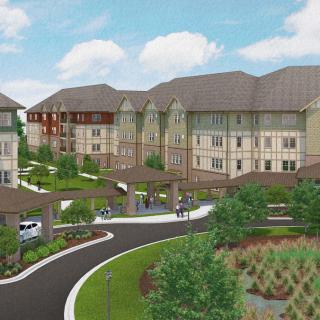
 Affordable independent living with meals provided and on-site activities.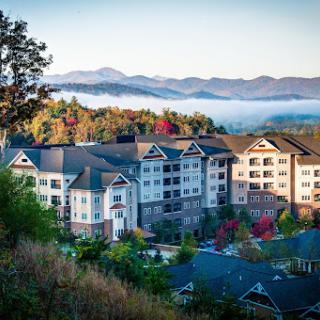

 Delving into the Inner World of Dementia: Insights into Thoughts and Awareness
 Five Subtle Dementia Indicators to Observe: An In-Depth Guide to Understanding “Does My Mom Have Dementia?”
 Dementia, Paranoia, and Caregiver Guidance: Understanding the Connection