

445 Hamilton Ave Suite 603, White Plains, NY 10601
To contact a resident: (914) 437-8221
For more information about senior living options: (866) 208-4318
Overall Review of SeniorBridge - White Plains, NY
Pros
 The place is a good place to go.
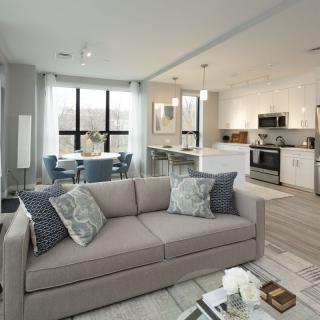
- It is very clean and inviting.
- The experience is good.
- It is nice.
- The staff provided a contact number to help customers get started.
- The senior programs are wonderful and inexpensive.
Cons
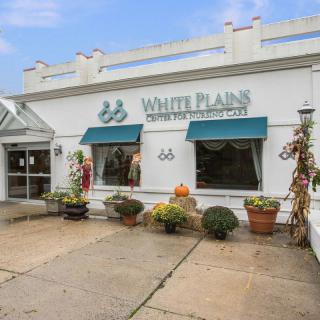
 The exterior might look decent, but that's about it.
- The doors don’t work properly half of the time.
- The carpets in the hallways are old and deteriorated.
- The walls are in poor condition.
- They couldn’t provide the needed assistance.
Review
SeniorBridge White Plains is best suited for seniors who want a practical, budget-conscious option that foregrounds cleanliness, a welcoming atmosphere, and accessible social programming. The community earns strong marks for being very clean and inviting, with residents noting that common spaces feel well cared for. The presence of inexpensive, well-attended programs stands out as a genuine strength, offering structured activities and opportunities to stay engaged without driving up costs. For families evaluating assisted-living options, this combination signals a reliable baseline for everyday life: predictable routines, social contact, and a reasonable price point. The message is clear: this is a workable home base for those who can manage light support needs while still prioritizing a friendly, low-stress environment. It isn’t flashy, but it delivers a steady, livable pace that can align with a restrained budget and a focus on community life.
That said, not every resident will find it equally compelling. The exterior may convey a tidy appearance, yet the interior tells a more complicated story. Doors that don’t work reliably, plus aging carpeted hallways and worn walls, signal maintenance challenges that matter for safety and comfort. For anyone requiring dependable, day-to-day accessibility or a consistently high level of on-site care, these issues can accumulate into real friction. The gaps are not merely cosmetic; they affect daily living rhythms and can create risk if mobility or balance is a concern. Additionally, while staff can be helpful, one reviewer noted being directed to a useful contact for next steps, this assistance is not always available in-house or tailored to immediate needs. For families seeking steady, hands-on support delivered on-site, alternatives with stronger maintenance performance may be preferable.
The main pros, cleanliness, a warm, inviting vibe, and affordable, activity-rich programming, do offset some of the drawbacks for the right residents, but only to a point. A tidy, updated-feel environment reduces stress and supports a sense of normalcy, which is invaluable for independent living or for those who need light supervision rather than medical intervention. The emphasis on affordable programs means social engagement and routine opportunities can be sustained without imposing financial strain, which is a meaningful benefit for many couples or single seniors watching expenses. If the goal is to stay socially connected, learn new activities, and socialize without breaking the bank, these elements can genuinely enhance quality of life. Yet the wear shown in key areas and the reliability concerns around doors create a safety and comfort cost that cannot be ignored, especially as physical needs evolve or when quiet, predictable access is essential.
Prospective residents will likely encounter a balanced day-to-day experience: a bright, clean setting, friendly faces in shared spaces, and a calendar that promises variety without excessive price tags. The social engine is a primary draw, and for many, the opportunity to participate in inexpensive programs can delay the need for more intensive care. However, that same experience depends on environment stability. If doors hang and trouble-free navigation are interrupted, the sense of security can waver, even as speakers and activity coordinators deliver enthusiasm. The staff’s willingness to point families toward resources outside the campus, while practical, also highlights a dependency on external support to realize needs that some facilities meet in-house. For families, this means evaluating not only what programs exist, but how smoothly the facility can accommodate everyday tasks and who exactly delivers those services on site.
For families weighing options, the path forward should be concrete and inquiry-driven. Plan a tour that goes beyond glossy lobby photos: test door functionality, inspect carpeting and handrails on key routes, and observe how maintenance requests are handled in real time. Question how “assistance” is defined and delivered: which tasks are included, what level of on-site supervision exists, and whether additional care can be arranged without leaving the community. Review the activities calendar to confirm there are programs that match the resident’s interests, and ask about transportation and accessibility features if mobility or scheduling is a concern. It’s essential to quantify what “inexpensive” means in practice, identify included services, what costs are optional, and the impact of any add-ons. This is not a facility for someone needing high-frequency clinical care, but for a family prioritizing social richness, cleanliness, and cost containment, it represents a legitimate, practical choice, provided expectations are calibrated to the realities of the building's maintenance and on-site care capabilities.
In the end, SeniorBridge White Plains stands out as a solid, budget-friendly option for seniors who prize a clean, inviting environment and robust social programming, and who can tolerate some aging infrastructure. It is less well-suited for residents who demand unwavering reliability in accessibility and a seamless, on-site care model. Families with current or anticipated needs for frequent hands-on assistance, stronger maintenance performance, or modernized facilities will likely find other communities a better long-term match. The decision hinges on present needs and future trajectory: if social engagement and affordability are the priority, this community can deliver meaningful quality of life without excessive spending. If, instead, dependable day-to-day accessibility and a consistently fresh interior are non-negotiables, it is prudent to explore alternatives that offer more integrated care supports and more up-to-date infrastructure. Conduct thorough visits, clarify service boundaries, and compare against nearby options to ensure the chosen path aligns with the resident’s evolving care needs and family expectations.
 Westchester Cty (4 miles away)






 In-Home Care Costs in 2025: A Detailed State-by-State Exploration
 Understanding Home Health Care: A Comprehensive Guide
 Home Health Care Demystified: A Comprehensive Guide for Families and Caregivers