For more information about senior living options: (866) 208-4318
4.6 from 112 reviews
5 stars
91
4 stars
8
3 stars
6
2 stars
1
1 stars
6
Overall Review of Amber Court Of Westbury
caveat5 reviews mention this
Food quality is a recurring complaint
Food quality and service timing are common frustrations in reviews.
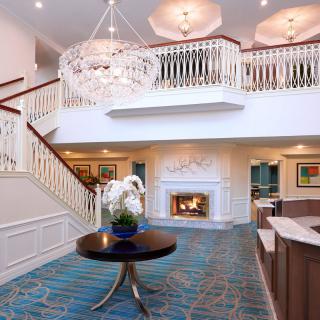
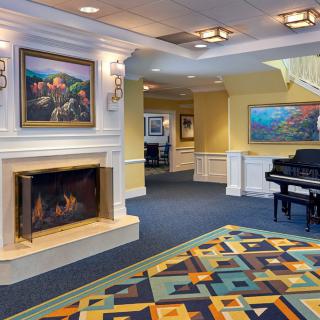
Multiple residents’ families criticize the dining experience, including reports that the meals are not good and that residents end up ordering food out or using a vending option. Others describe inconsistency with meal service and note that meals can arrive cold, along with complaints about limited variety. Even when the community’s dining spaces are described positively during visits, the ongoing food concerns show up repeatedly in resident and family feedback.
caveat2 reviews mention this
Families want clearer updates
Several families say communication and care updates fall short.
A couple of reviews describe situations where families did not receive timely information about health status or changes, including one account where the hospital contacted the family first. Another review also points to poor communication and lack of follow-through, framing it as a caregiver support gap. Together, the feedback centers less on a single incident and more on whether families feel kept in the loop.
common2 reviews mention this
Activities and entertainment come through
Reviews mention entertainment and daily activities as a steady bright spot.
Several reviews describe engagement opportunities, including entertainment events and time spent with activities and games. One family member also highlights that their loved one had regular activities and concerts, while another points to the community helping residents stay entertained. While activity offerings aren’t described in uniform detail across every review, entertainment and social programming show up often enough to stand out.
How we summarize
Counts show how many written reviews mention each theme; a review can touch several themes, and only frequently mentioned themes are displayed.
Features
Housing
64 resident community capacity
Studio apartments
Types of Care
Assisted Living
Memory Care
Skilled Nursing Facility
Amenities
Air-conditioning
Beautician on-site
Beauty salon
Cable or satellite TV
Computer center
Dining room
Fitness room
Fully furnished
Gaming room
Garden
Guest parking
Housekeeping services
Kitchenette
Laundry
Move-in coordination
Outdoor space
Party space
Private bathrooms
Restaurant-style dining
Small library
TV room
Telephone
Wellness center
Wi-Fi/high-speed internet available
Transportation
John F Kennedy International (15 miles away)
LaGuardia (16 miles away)
Westchester Cty (22 miles away)
Long Island - MacArthur (24 miles away)
Community operated transportation
Transportation & parking
Transportation arrangement
Transportation arrangement (non-medical)
Transportation to doctors appointments
Care Services
12-16 hour nursing
24-hour call system
24-hour supervision
Activities of daily living assistance
Assistance with bathing
Assistance with dressing
Assistance with transfers
Diabetes diet
Meal preparation and service
Medication management
Mental wellness program
Mild cognitive impairment
Physical therapy
Special dietary restrictions
Specialized memory care programming
Dining
Diabetes diet
Special dietary restrictions
Activities
Arts and crafts
Book club
Community-sponsored activities
Concierge services
Cooking club
Educational speakers / life long learning
Fitness programs
Games
Gardening club
Live musical performances
Planned day trips
Religious services
Resident-run activities
Scheduled daily activities
Stories
Tai Chi
Yoga / chair yoga
Nearby Places of Interest
Theaters
Regal Westbury Imax & RPX (0.3 miles)
AMC Roosevelt Field 8 (3.7 miles)
AMC DINE-IN Levittown 1 (4.4 miles)
Regal Ua Farmingdale (7.8 miles)
Cafes
Starbucks (1.7 miles)
Mongo's Coffee (3.1 miles)
Starbucks (3.1 miles)
Starbucks (3.7 miles)
Panera Bread (4.7 miles)
Starbucks (5.2 miles)
Starbucks (6.9 miles)
Transportation
LIRR - Hicksville Station (1.8 miles)
LIRR - Westbury Station (2 miles)
LIRR - Syosset Station (4.5 miles)
LIRR - Bethpage Station (4.6 miles)
Lirr - Farmingdale Station (6.8 miles)
LIRR New Hyde Park Station (7.1 miles)
LIRR - Manhasset Station (7.5 miles)
Pharmacies
CVS Pharmacy (1.8 miles)
CVS Pharmacy (1.8 miles)
Rite Aid (1.9 miles)
Walgreens (2.2 miles)
Walgreens (2.5 miles)
Walgreens (3 miles)
CVS Pharmacy (3.2 miles)
Restaurants
Chick-Fil-A (2.6 miles)
The Cheesecake Factory (2.7 miles)
Dave & Buster's (2.7 miles)
Shake Shack (3.3 miles)
Vincent's Clam Bar (3.6 miles)
Sonic Drive-In (3.7 miles)
Grand Lux Cafe (3.8 miles)
Physicians
Central Nassau Guidance (3.3 miles)
Caring Pediatric Associates (3.9 miles)
Plainview Medical Group PC (4.8 miles)
Winthrop Professional Building (4.9 miles)
Di Giovanna Family Care Center (6.8 miles)
2 Pro Health Plaza (7 miles)
ENT and Allergy Associates -Melville (7.6 miles)
Hospitals
Nassau University Medical Center (3.4 miles)
Winthrop University Hospital (5 miles)
Winthrop University Hospital New Life Center (5 miles)
St Francis Hospital (6.1 miles)
Division of Vascular/Interventional Radiology at Long Island Jewish Medical Center (7.9 miles)
Amber Court of Westbury offers a comprehensive range of features that are essential for supporting residents with dementia or Alzheimer's disease. Assistance with dressing and bathing ensures that residents maintain their personal hygiene and dignity, while meal preparation and service cater to nutritional needs, accommodating any dietary restrictions. Medication management is critical for ensuring compliance with prescribed treatments, reducing the potential for confusion around medication schedules. Activities of daily living assistance empowers residents to engage in routine tasks, fostering a sense of independence despite cognitive challenges. The presence of 24-hour supervision provides peace of mind for families and safety for residents, minimizing risks associated with wandering or disorientation. The mental wellness program and specialized memory care programming offer tailored activities that promote cognitive engagement and social interaction, addressing the unique needs of individuals with mild cognitive impairment. Additionally, physical therapy supports mobility and overall well-being, further enhancing quality of life within a compassionate environment designed specifically for those facing memory-related difficulties.
Assisted living provides moderate support for seniors seeking independence, while memory care offers specialized support for individuals with dementia or cognitive impairments through structured routines and trained staff. Key differences include care approaches, environment security measures, staff training levels, activity types, and cost considerations.
Choosing between assisted living and nursing homes involves evaluating emotional and financial factors, with assisted living offering independence and support for daily activities at a lower cost, while nursing homes provide intensive medical care for individuals with significant health needs. The decision is influenced by personal preferences, health status, cognitive function, and varying Medicaid coverage across states.
The article presents eight strategies for preserving cognitive health and memory in older adults, emphasizing a nutrient-rich diet, regular exercise, intellectually stimulating activities, adequate sleep, social connections, stress management techniques, limiting harmful substances, and regular medical checkups to mitigate age-related memory decline.
Get PricingAsk A QuestionSchedule A TourContact Senior Advisor
By clicking submit, you agree to our Partner's Terms of Use. You
also consent to receive calls and texts, which may be autodialed, from our Partner. Your consent is not a condition to
using our Partner's service. Please visit our Partner's Privacy Policy for information about their privacy practices.

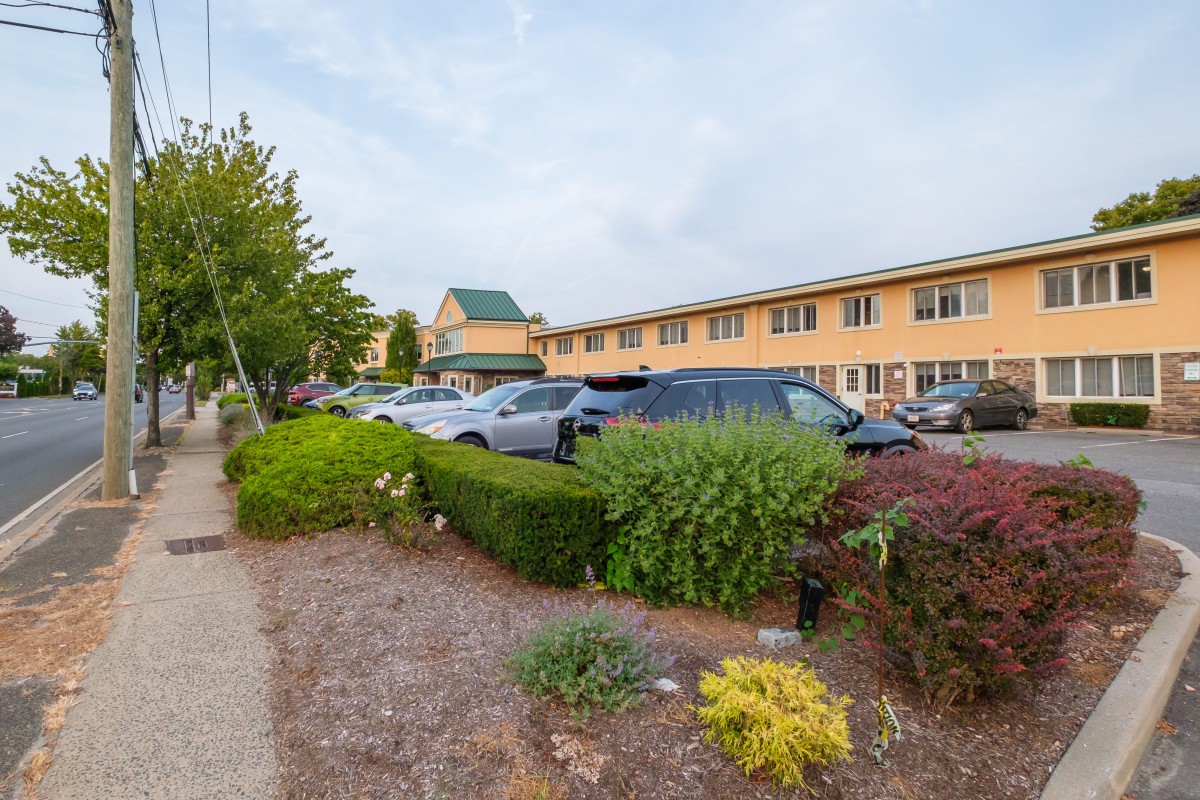
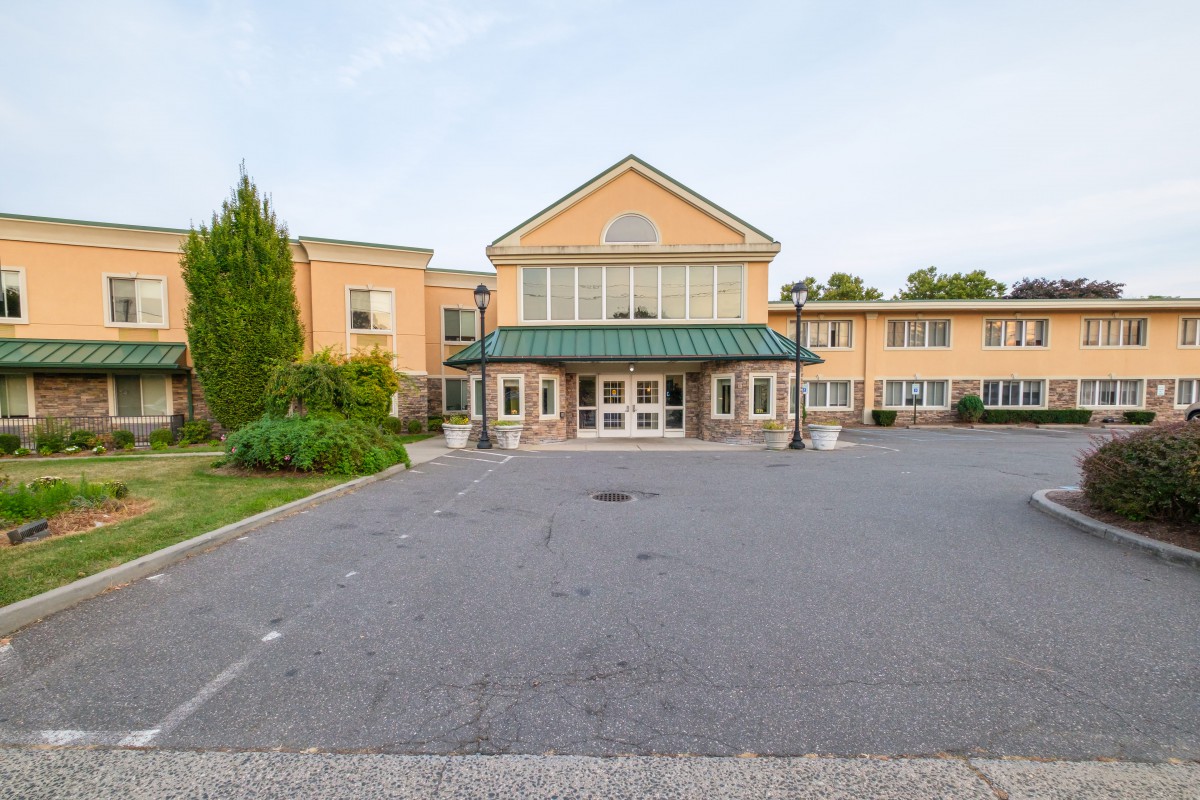
 64 resident community capacity
 Studio apartments
 Assisted Living
 Memory Care
 Skilled Nursing Facility
 Air-conditioning
 Beautician on-site
 Cable or satellite TV
 Computer center
 Dining room
 Fitness room
 Fully furnished
 Gaming room
 Garden
 Guest parking
 Housekeeping services
 Kitchenette
 Laundry
 Move-in coordination
 Outdoor space
 Party space
 Private bathrooms
 Restaurant-style dining
 Small library
 Telephone
 Wellness center
 Wi-Fi/high-speed internet available
 John F Kennedy International (15 miles away)
 Community operated transportation
 12-16 hour nursing
 24-hour call system
 Activities of daily living assistance
 Assistance with bathing
 Assistance with dressing
 Assistance with transfers
 Diabetes diet
 Medication management
 Mental wellness program
 Physical therapy
 Special dietary restrictions
 Arts and crafts
 Book club
 Concierge services
 Cooking club
 Educational speakers / life long learning
 Games
Games Live musical performances
 Planned day trips
 Religious services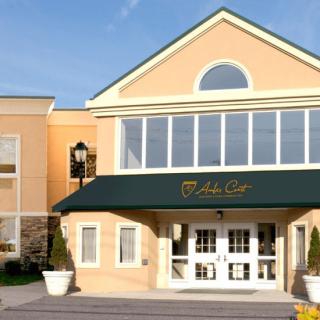
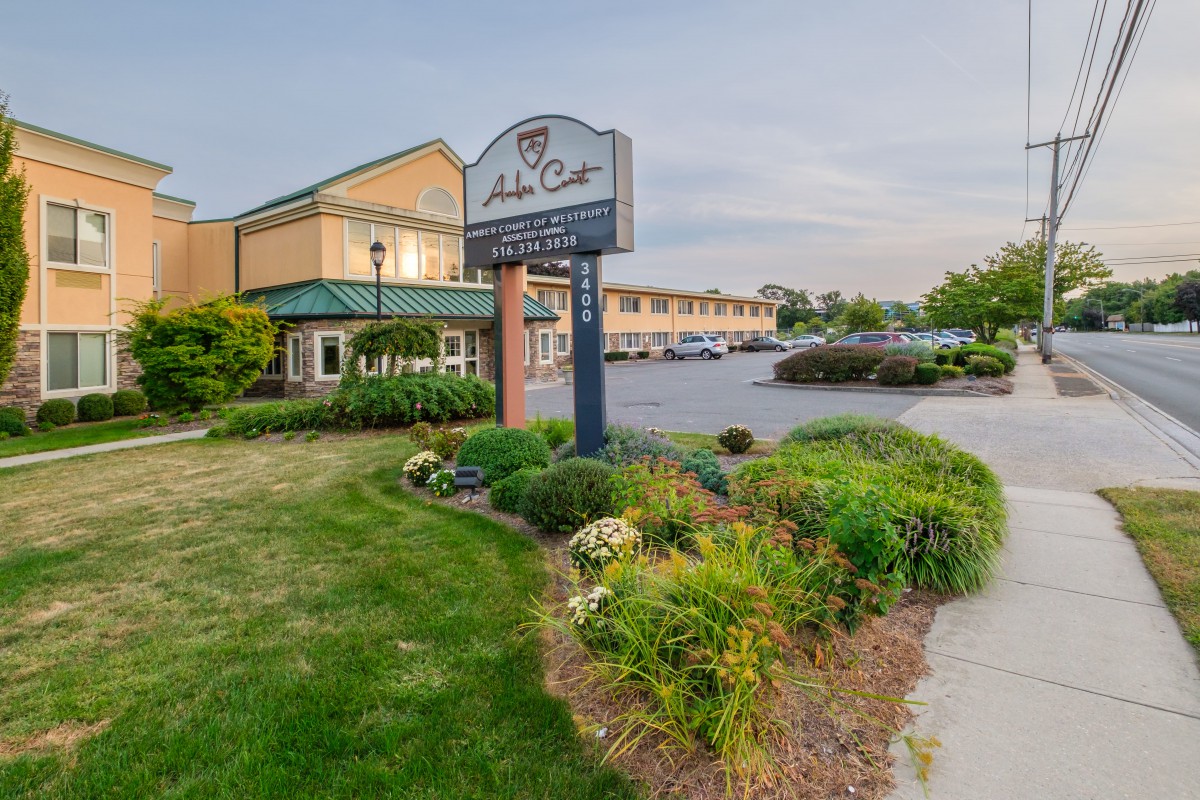
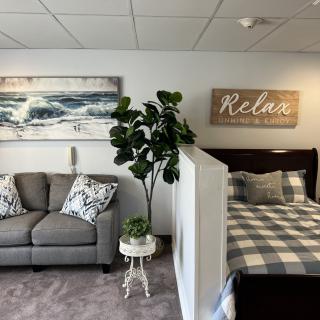
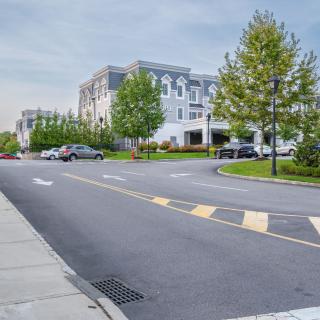
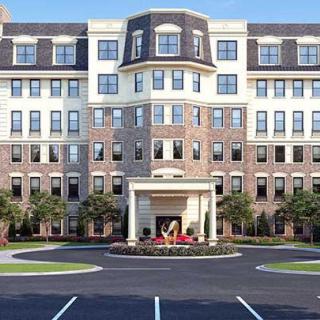
 Caring staff and leadership; clean common areas; beautiful outdoor spaces and engaging activities.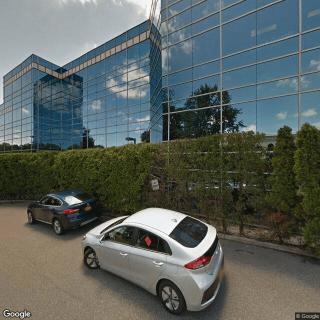

 Assisted Living and Memory Care: Understanding Their Core Differences
 Choosing the Right Senior Care: A Detailed Exploration of Assisted Living and Nursing Homes
 Safeguarding Your Memory Through the Golden Years: Eight Ways to Preserve Cognitive Health