
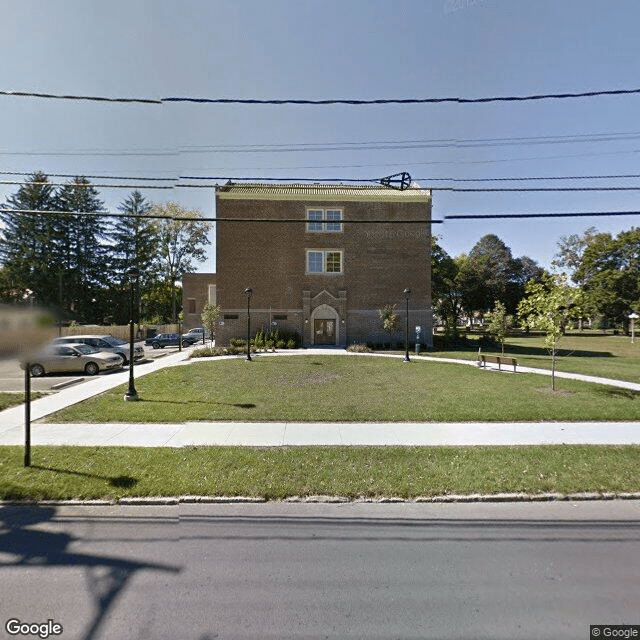
443 Pennsylvania Avenue, Waverly, NY 14892
To contact a resident: (607) 565-2141
For more information about senior living options: (866) 208-4318
Muldoon Gardens Costs & Pricing
Muldoon Gardens offers competitive and affordable monthly rates for its accommodations when compared to both Tioga County and the broader New York state averages. For a one-bedroom unit, residents benefit from a remarkably low cost of $527, significantly lower than the county's average of $4,078 and the state's average of $4,307. Similarly, two-bedroom units at Muldoon Gardens are priced at $684, which aligns with Tioga County's figure but is markedly less than the New York state average of $4,786. This compelling pricing structure highlights Muldoon Gardens as an attractive option for individuals and families seeking quality housing without the financial burden often associated with living in larger metropolitan areas.
| Floor plans | Muldoon Gardens | Tioga County | New York |
|---|---|---|---|
| 1 Bedroom | $527 | $4,078 | $4,307 |
| 2 Bedrooms | $684 | $684 | $4,786 |
Overall Review of Muldoon Gardens
Pros
Cons
 The parking lot is dangerous for residents because the snow is not removed properly.
- They do not call back or respond to any contact.
- The business is poor.
Review
Muldoon Gardens in Waverly, NY is best suited for independent seniors who want a modest, budget-conscious living option and can cope with limited on-site support. The community seems appropriate for residents who do not rely on the facility for high-touch care or constant assistance, and who can manage transportation, routine personal tasks, and basic daily needs with a bit of outside help if required. This is not a setting built around intensive care management or highly proactive resident services, so families should enter with realistic expectations about the level of oversight and responsiveness available on site.
Two recurring red flags emerge clearly from the feedback: winter safety and communication reliability. The parking lot and surrounding paths become dangerous when snow is not promptly removed, creating real risk for residents with mobility challenges, walkers, canes, or service animals. This is not a minor inconvenience; it can directly affect a person’s ability to come and go, access help when needed, or participate in activities. On top of that, complaints about not receiving calls or prompt replies from management undermine trust and create uncertainty about care coordination, scheduling, and urgent needs. Taken together, these issues represent material barriers to safe, predictable daily living.
The uneven ratings (a 5-star and a 4-star alongside a 1-star) signal that some residents clearly see value in Muldoon Gardens, but those positives do not mitigate the structural concerns documented in the criticisms. The favorable reviews imply there may be a comfortable, perhaps quieter living environment or a sense of homelike community that works for certain individuals or household budgets. Yet without concrete, consistent performance in snow management and in timely communications, those perceived benefits risk getting outweighed by avoidable hazards and frustrating administrative friction. In practical terms, this is a decision weighed heavily toward safety and reliability of response.
For families, the obvious alternatives to consider are options that emphasize proactive maintenance, transparent communication, and stronger winter safety practices. Seek communities with published snow removal schedules, guaranteed plowing timelines, and documented follow-up procedures for resident inquiries. Ask for a policy on response times, a named point of contact, and a track record of addressing maintenance or safety concerns within a defined window. If care needs might rise or mobility issues intensify, prioritize facilities with on-site caregiving staff, regular safety checks, and clear escalation paths when issues arise.
That said, Muldoon Gardens could still serve a very specific profile well. Residents who prize affordability, a simpler, less clinical atmosphere, and a living arrangement where outside coordination for transportation, therapy, and personal care is feasible may find value here. The absence of heavy-handed medical oversight should not be mistaken for a lack of comfort or dignity; rather, it signals that a resident or family must deliberately arrange and monitor supports beyond the facility’s core services. Prospective residents should verify that the living space itself is comfortable, the surroundings are walkable, and the building’s basic safety features meet their standards, all while insisting on concrete commitments for winter maintenance and responsive communication.
In the end, the question comes down to prioritizing safety and dependable service versus cost and environment. Muldoon Gardens is not the right choice for someone who needs reliable, proactive management, prompt communications, and guaranteed snow removal in winter without fail. It is more appropriate for a self-directed resident who can navigate potential gaps in management with help from family or community supports, and who can tolerate a degree of ambiguity around responsiveness. For families, the prudent path is to demand a formal, written commitment on snow-removal timing, response time targets, and a clear point of contact before making a decision. A winter-focused visit, conversations with current residents about responsiveness during storms, and a close look at how maintenance issues are tracked will reveal whether this community aligns with the resident’s safety priorities and daily living expectations.
 Active Adult Communities (55+)
 Cats allowed
 Dogs allowed
 Elmira Corning Regional (21 miles away)
 Excellent access to healthcare, dining, and places of worship nearby.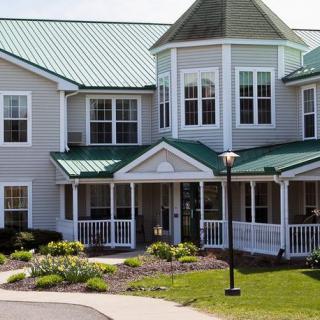
 Understanding Home Health Care: A Comprehensive Guide
 Home Health Care Demystified: A Comprehensive Guide for Families and Caregivers
 Seniors and Modern Transportation: Exploring Uber, Lyft, and Other Ride-Hailing Options