4101 East Genesee Street, Syracuse, NY 13214
For more information about senior living options: (866) 208-4318
Overall Review of The Inn at Menorah Park
Pros
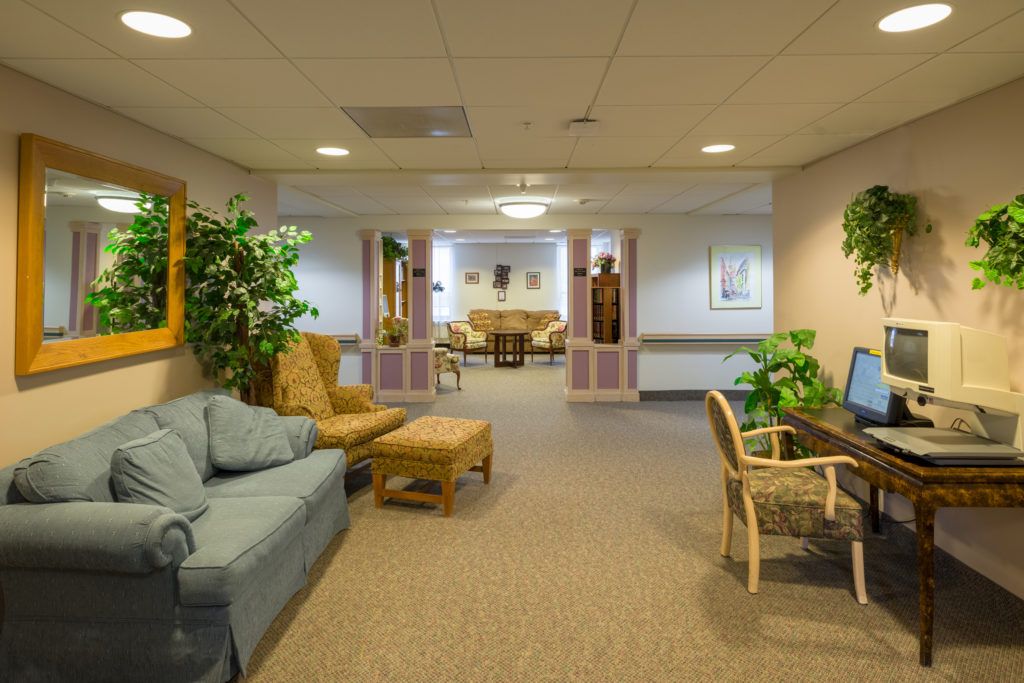
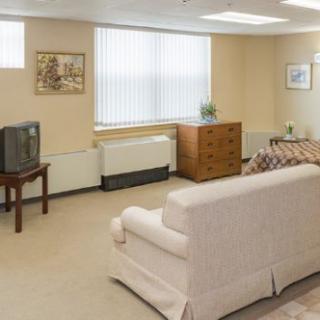
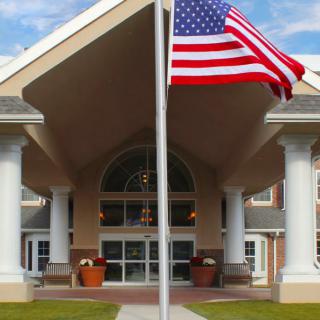
 The facility is attractive and inviting.
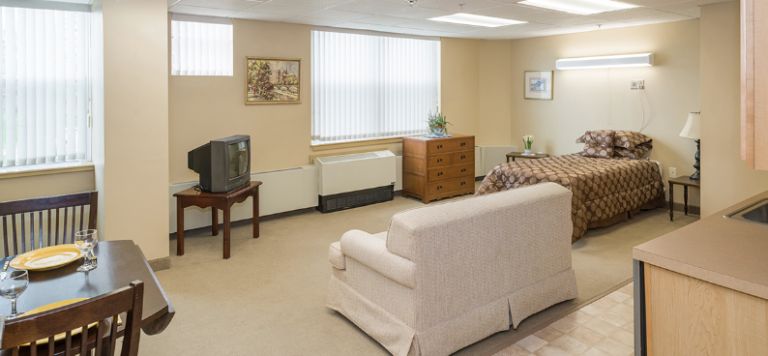
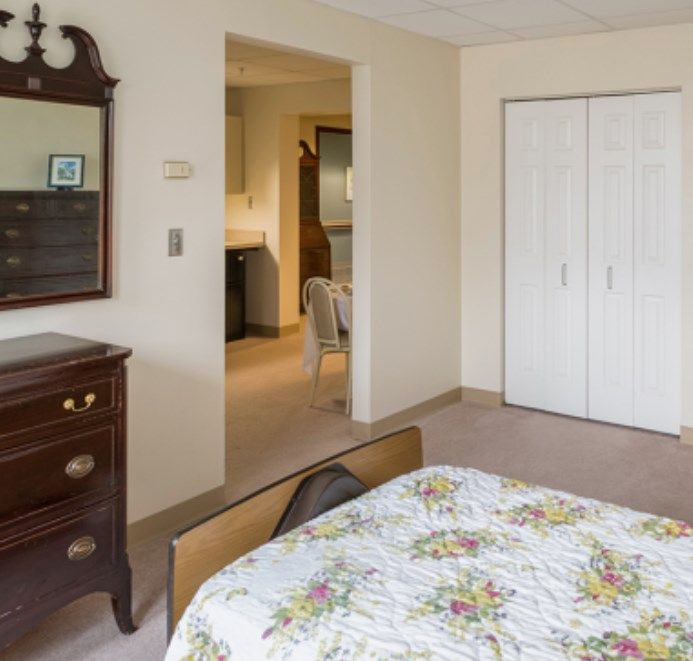
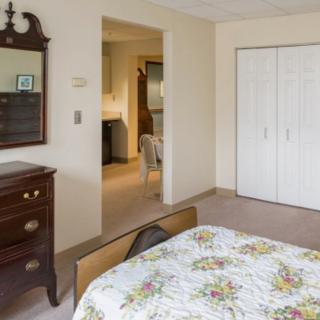
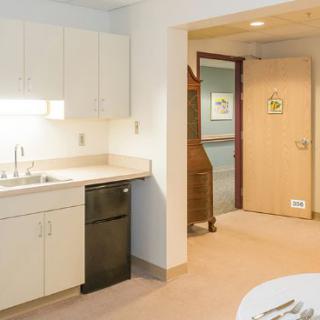
- The residents’ rooms are a fair size and can be personalized with furniture from home.
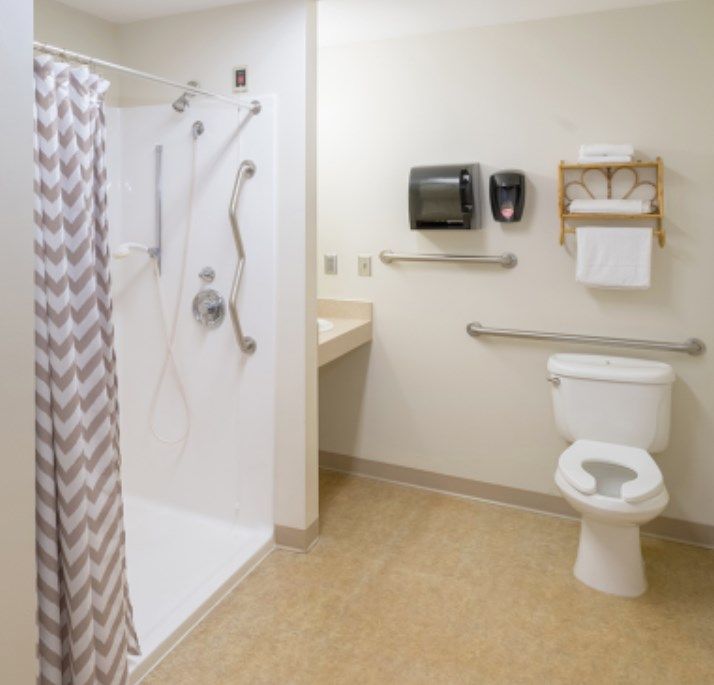
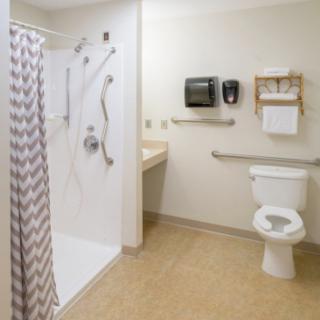
- Residents have a choice of a room with a shower.
- Maintenance will hang photos as needed to personalize spaces.
- The staff seem happy, friendly, and attentive.
- The security is strong, with check-in and temperature screening, and residents have pleasant views.
- The atmosphere is lovely and the facilities are immaculate.
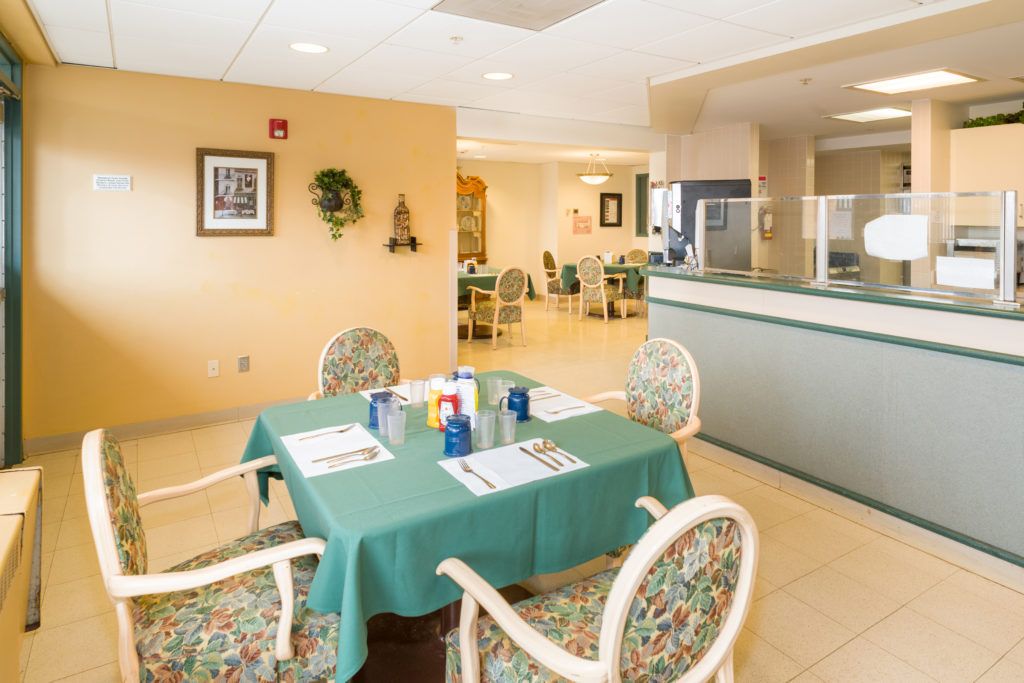
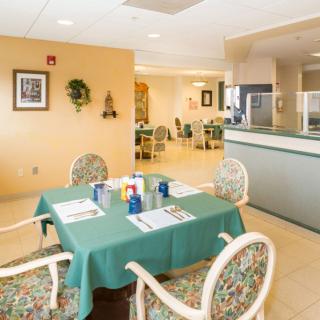
- The dining options are good and the on-site food is prepared well.
- The Oaks at Menorah Park offers a small, accommodating community with attentive staff and engaging activities.
Cons
 The activity programs are very weak, if not led at all.
- The staff have attitudes, are lazy, and spend time on their phones.
- Call response times are frequently 45 minutes or more.
- Residents are left in the common room for hours without assistance.
- Administration makes empty promises and seems more interested in making money than caring for residents.
- Some aides do not show up to work, leaving residents without medication or assistance.
- The food is bland and not something to brag about.
Review
The Inn at Menorah Park in Syracuse is best suited for families seeking a spacious, well-maintained assisted-living option with a secure, park-like campus and a sense of community rooted in Jewish traditions. It works well for residents who value generous room sizes, the ability to personalize spaces with home furnishings, and reliable upkeep that keeps common areas clean and inviting. Those who may eventually need memory-care support on site will also find reassurance in the campus context. However, those requiring consistently high-touch caregiving, rapid response times, or Medicaid-friendly pricing for assisted living should seriously consider alternatives.
On the positive side, The Inn presents a polished first impression: attractive interiors and a layout that supports easy socializing, with lounges and larger common areas that encourage interaction. Rooms are roomy, and residents can choose configurations that include private showers or shared facilities. Maintenance and housekeeping, when aligned with the schedule, perform well enough to maintain a comfortable home atmosphere. Security is unusually solid for an assisted-living setting, with structured check-ins, temperature checks, and pleasant, calming views from many units. For families with memory-care needs, the on-campus options can offer continuity of care without uprooting a loved one.
Yet the strongest cautions come from consistency in frontline care and activity programming. Several reviews flag long wait times for help, with call-bell responses sometimes stretching to 45 minutes or more, and staff occasionally appearing disengaged or absorbed in personal devices. Day-shift supervision of essential tasks like showers is inconsistent, which can leave residents without timely assistance. Activity offerings, once robust, are described as weakened or uneven, especially after staff turnover; the former vitality of programs and events has not fully returned in all shifts. In addition, while dining can be flavorful, kosher meals are a characteristic, and for some residents the fare runs bland, which matters for daily satisfaction.
These care and programming gaps interact with management dynamics that some families describe as profit-minded rather than resident-centered. Reports of empty promises or slow progress in addressing outpatient needs and repairs suggest a gap between the facility’s polished public image and day-to-day operations on the floor. Sabbath services are intermittently noted as part of the experience; when those religious offerings dwindle, that loss can hit families who value continuity in ritual and community life. Pricing and payment options compound the challenge: assisted living at The Inn does not universally accept Medicaid, and families should plan for higher monthly costs relative to some rivals. For those needing a budget-conscious plan or a facility that accepts Medicaid for AL, alternatives deserve serious consideration.
Despite these concerns, the pros can offset the cons for a particular profile. The Inn’s security, quiet ambiance, and strong sensory environment, plus large, adaptable rooms and on-site memory-care capability, offer a stable home base for seniors who prize safety and predictability over high-energy programming. The kosher-dining thread and the broader Menorah Park Jewish community create a sense of belonging that many families value deeply, especially when a resident’s identity or spirituality is meaningful to daily life. For residents who can thrive with present staff reliability and who do not require constant, high-intensity caregiving, the blend of solid upkeep, appealing spaces, and campus resources remains a compelling package.
For families weighing options, a practical path is to compare The Inn with smaller, more intimate campuses in Syracuse, such as The Oaks at Menorah Park, which reviewers praise for its warmth, attentive staff, and extensive daily activities in a more compact setting. The Oaks is often described as more personal and flexible, with a strong sense of staff morale and a high degree of resident engagement. If the priority is a tight-knit community, abundant daily programming, and consistently responsive caregiving across shifts, those smaller or more nimble communities may outperform The Inn. Thorough tours should focus on staffing patterns, actual activity calendars, and the current Sabbath-and-family-life offerings to ensure alignment with needs.
In the end, the decisive question is whether security, space, and a steady campus culture trump daily caregiving intensity and cost. If the answer is yes, The Inn at Menorah Park stands as a compelling option with a foundation of quality facilities, on-site memory-care capability, and a respected community framework. If not, concrete steps should be taken: schedule multi-shift visits, interview frontline aides, verify real-time response times, confirm the current activity schedule, and clarify what services are included in price. Probe the memory-care pathway on campus and discuss Medicaid options for assisted living. A clear picture will emerge: this community can be a solid fit for the right resident, or a signal to prioritize alternatives that deliver more consistent daily care and engagement.
 61 resident community capacity
 Assisted Living
 Skilled Nursing Facility
 Air-conditioning
 Beauty salon
 Cable or satellite TV
 Computer center
 Dining room
 Fitness room
 Fully furnished
 Gaming room
 Garden
 Housekeeping services
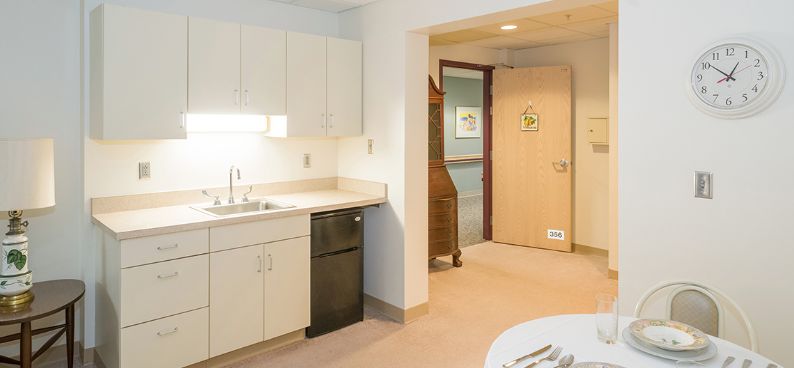
 Kitchenette
 Move-in coordination
 Outdoor space
 Private bathrooms
 Restaurant-style dining
 Small library
 Telephone
 Wellness center
 Wi-Fi/high-speed internet available
 Syracuse-Hancock International (5 miles away)
 Community operated transportation
 12-16 hour nursing
 24-hour call system
 Activities of daily living assistance
 Assistance with bathing
 Assistance with dressing
 Assistance with transfers
 Diabetes diet
 Medication management
 Mental wellness program
 Special dietary restrictions
 Concierge services
 Planned day trips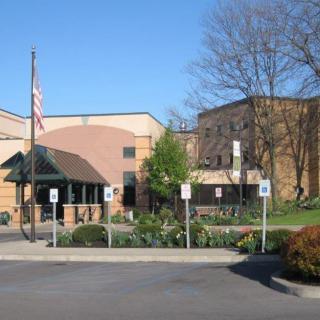



 An Extensive Exploration of the VA Aid and Attendance Benefit
 Senior Transition Services: Understanding Their Role, Cost, and Importance
 Exploring the Path to Senior Living: A Comprehensive Look at Independent Living and Assisted Living